REVIEW · MEXICO CITY
Traditional Cooking Class in Mexico City at Margarita’s Home
Book on Viator →Operated by Traveling Spoon · Bookable on Viator
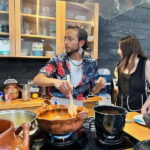
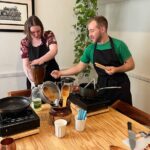
Mexico City’s best meal might be in a backyard, where Margarita welcomes you with a drink and appetizers before you cook in her Tlacopac San Ángel home. I love the private class setup and how you actually get hands-on with tortillas from scratch instead of watching from the sidelines.
You’ll learn a full, not-too-fussy menu: sopes with beans and fresh guacamole, a traditional soup (tortilla soup or creamy chorizo-bean soup), and a main such as chile rellenos or pork tenderloin in tamarind sauce. Then comes Mexican rice and dessert like chocolate mousse, flan, rice pudding, or dulce de leche crepes. One possible drawback to plan for: transportation is not included, and you’ll meet on a residential street, so give yourself extra time to arrive.
In This Review
- Key points before you cook
- Enter Tlacopac San Ángel: meet Margarita at home, not a venue
- The cooking lesson: tortillas, quesadillas, and the rhythm of making things
- Appetizers first: sopes with beans and guacamole (and why that order works)
- Soup course: tortilla soup or creamy chorizo-bean soup
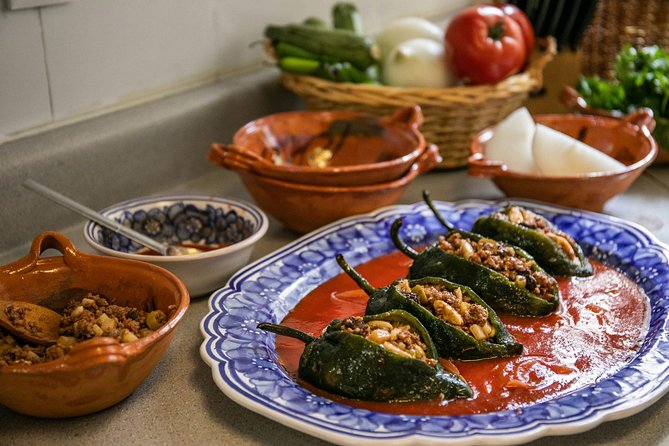
- Main dishes: chile rellenos or tamarind pork tenderloin
- Mexican rice: the side that makes the whole plate feel complete
- Dessert and coffee or tea: finish with something sweet and familiar
- Eating together in the dining room or garden
- Private class value: smaller group, more attention, better results
- Price check: why $129 feels fair (and what to budget for)
- Logistics that affect your comfort: timing, location, and transport
- Who this fits best (and who might prefer something else)
- Should you book Margarita’s home cooking class?
- FAQ
- FAQ
- How long is the traditional cooking class in Mexico City?
- Is this a private cooking class?
- What dishes will I learn to cook?
- Is the class offered in English?
- What’s included in the price?
- Is transportation to the meeting point included?
- Where do we meet and where does it end?
- Will I get a ticket on my phone?
- When will I receive confirmation?
- What is the cancellation policy?
- Are service animals allowed?
Key points before you cook
- Private, in-home experience: You cook with host Margarita in her own kitchen, not a studio kitchen.
- You make tortillas from scratch: Expect real hands-on practice that you can repeat at home.
- A full meal at the end: You sit down together to eat what you made, often in the garden in warm months.
- Learn a Mexico City-style menu: Appetizers, soup, main, side, and dessert all in one class.
- English instruction is included: The class is offered in English (and you might also hear Spanish as she explains steps).
- Everything but the trip there: Alcoholic beverages, water, coffee/tea, and gratuities are included, but you handle getting to the address.
Enter Tlacopac San Ángel: meet Margarita at home, not a venue
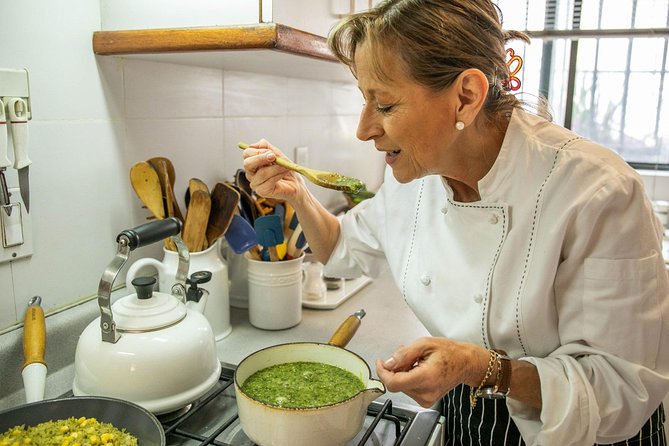
This experience starts the way the best Mexico City days often do: with a real neighborhood feel. You meet Margarita at her home on a typical residential street in the Tlacopac San Ángel area, with the morning or afternoon energy of everyday life all around you. The plan begins in her garden when weather works in your favor, with a welcome drink and appetizers while you settle in.
What I like about this start is that it sets a relaxed pace. You’re not shuffled through a ticket line or forced into a tight schedule. Instead, you get time to orient yourself, meet your host, and understand what you’re about to cook before you touch a stove.
If you’re nervous about directions, don’t panic. The experience is designed for visitors to find the meeting location, and the host is known for being communicative so you don’t feel stranded with a phone and a map.
You can also read our reviews of more tours and experiences in Mexico City.
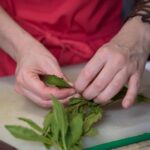


The cooking lesson: tortillas, quesadillas, and the rhythm of making things
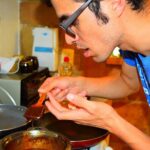
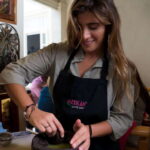
Once you’re in the kitchen, the class focuses on practical skills you can actually use later. The big one is tortillas from scratch. You’ll make them during the cooking session, then you might turn them into quesadillas as you work on the rest of the meal. That matters because it teaches more than one technique at a time. You’re learning how dough behaves, how tortillas cook, and how to pivot from tortilla-making into quick snacks while other dishes simmer.
From a value standpoint, this is one of the best parts of a Mexico City cooking class. Many classes stop at chopping and tasting. Here, you’re building a base that connects to several dishes. Even if you only remember parts of the process, you’ll leave with a new kind of confidence in Mexican staples.
You’ll also get guidance on timing and sequencing: how to keep multiple components moving so the meal lands on the table together, not scattered across the day.
Appetizers first: sopes with beans and guacamole (and why that order works)

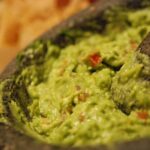
The menu starts with sopes—Mexican street-food energy, but made in a kitchen you’ll want to memorize. Expect flavors like beans and fresh guacamole. This starter does two things for you.
First, it gives you instant gratification. You’re not waiting hours for something delicious. Second, it teaches you how toppings and textures work together. Sopes are all about the balance: the masa base has structure, then you add softness and brightness from beans and guacamole. You learn what to aim for rather than just following steps.
If you like cooking with feedback, this part is helpful because it’s easier to correct in the moment. Too thick, too dry, not enough salt—your host can guide you while you still have time to adjust.
Soup course: tortilla soup or creamy chorizo-bean soup
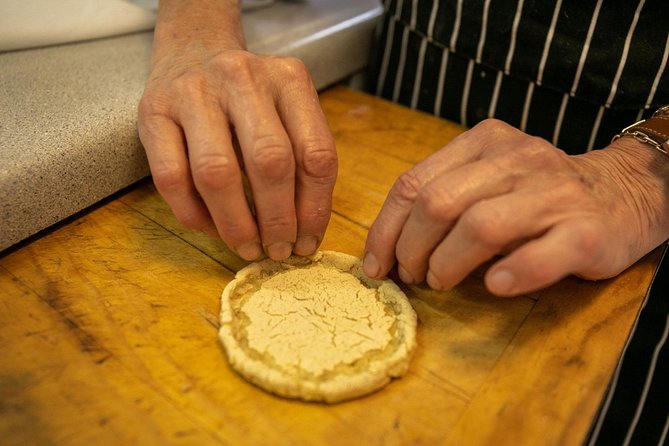
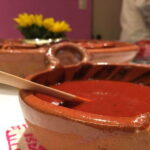
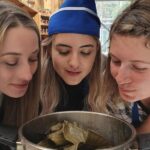
Then you move into a traditional soup. Your class might include tortilla soup or a creamy chorizo-bean soup. Either way, you’re learning a technique that tends to transfer well into home cooking: building flavor in layers, using what’s available, and keeping the final texture right.
Soups also do something clever for beginners: they slow the pace. While a pot simmers, you can focus on the next dish instead of rushing. And because soups are forgiving, they help you feel capable even if you’re not used to cooking from scratch.
Main dishes: chile rellenos or tamarind pork tenderloin
The main course is where the class gets properly exciting. Depending on the menu for your session, you might cook chile rellenos or pork tenderloin in tamarind sauce.
Chile rellenos matters because it can feel intimidating on a restaurant plate, but in a class setting you learn the real workflow: prep, handling chiles, and building the dish with the right balance of richness and heat. Tamarind pork tenderloin is a great contrast, teaching how a fruit-based tang can bring depth instead of just sweetness. You get to see how Mexican sauces can be complex without being fussy.
One thing I appreciate in the way this class is taught: you’re not just told what to do. You’re guided through ingredients and steps so you understand the logic. That makes substitutions feel less scary later.

Mexican rice: the side that makes the whole plate feel complete
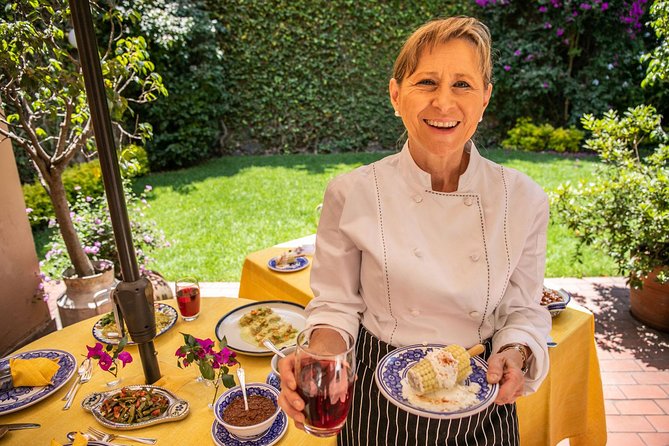
Many home cooks treat rice like an afterthought. This class treats Mexican rice like the supporting actor with serious lines. You learn the method: toasting the rice first, then cooking it with aromatic vegetables. The goal is flavor inside the grains, not just a plain base.
When you learn this technique in the same session as the soup and main, it all clicks together. You’ll taste how rice rounds out the meal. And you’ll realize why Mexican rice shows up so often—it’s not fancy, but it’s dependable and it loves sauces.
Dessert and coffee or tea: finish with something sweet and familiar
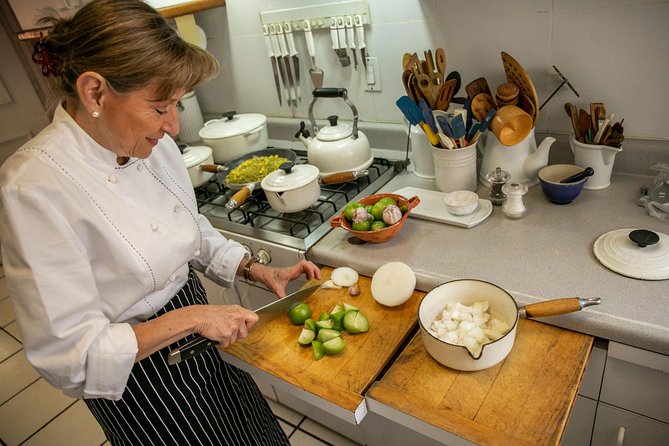
At the end, you sit down together and enjoy the meal you made. Dessert options might include rice pudding, spicy chocolate mousse, flan, or dulce de leche crepes—plus coffee and/or tea to round it out.
I like that the dessert choices include both comfort and spice. If you’re a sweet-only person, rice pudding and flan fit the bill. If you want something more adult and a little daring, spicy chocolate mousse is the kind of finish that makes the whole class feel memorable, not just educational.
Also, because you finish with coffee or tea, you get a natural chance to slow down, talk, and actually taste what you cooked without rushing to the next obligation.
Eating together in the dining room or garden
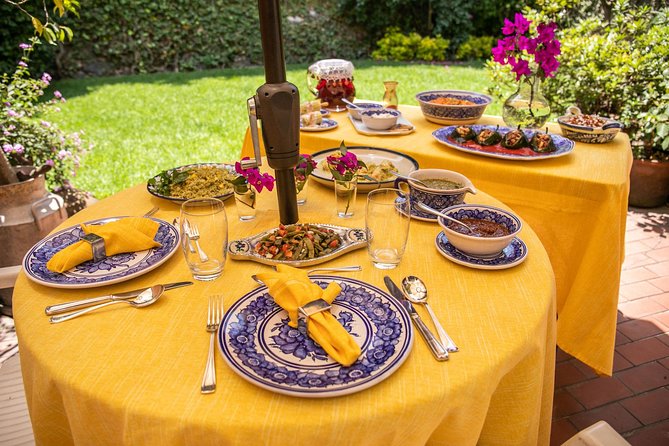
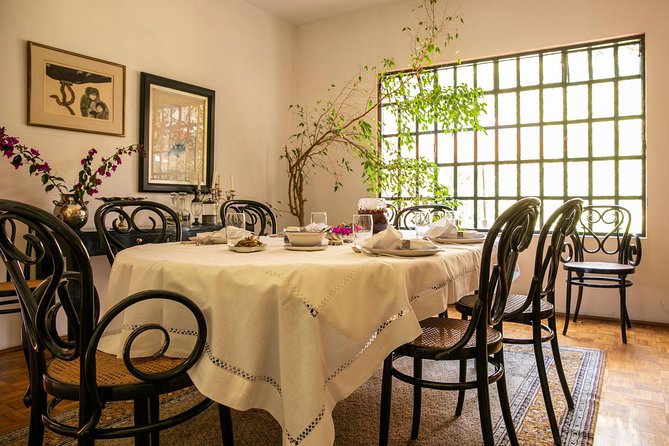
This experience is built around a key moment: you don’t just snack while cooking. You sit down and eat your creations as a group at Margarita’s dining table. In warmer months, the meal may happen outdoors in the garden, which gives the experience a slower, more “local” feel.
This matters for your enjoyment. Cooking classes can turn into constant movement—standing, tasting, cleaning, repeating. Here, the meal is the reward. You get to taste, compare your portions, and enjoy the conversation that comes with a shared table.
Private class value: smaller group, more attention, better results
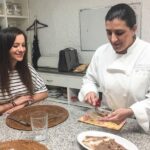
This is a private class for just you and your party. That changes the whole experience. You can ask questions without feeling like you’re slowing down strangers. You get feedback on your tortillas, your soup steps, and your timing.
The teaching style also seems built for visitors. The class is offered in English, and instruction includes explanation of recipes and ingredient choices. In practice, that tends to mean you don’t just memorize steps—you learn enough to recreate the dishes with less stress later.
There’s also a social side. Margarita is welcoming, and you may have time to chat before cooking begins. One neat detail that pops up is meeting her dog, Lola, which adds a friendly, human touch to an otherwise skill-focused afternoon.
Price check: why $129 feels fair (and what to budget for)
At $129 per person for about 4 hours 30 minutes, this isn’t a budget cooking class. But it also isn’t trying to be. You’re paying for a true home setting, private instruction, and a full meal with drinks.
Here’s what you get for the money:
- A private cooking class with Margarita
- Alcoholic beverages
- Bottled water
- Coffee and/or tea
- Lunch or dinner
- Gratuities
What you don’t get:
- Transportation
So the value equation depends on how you plan to get there. If you can arrive easily by taxi or metro and you’re ready to spend a few hours learning and eating, this price makes sense. If you’re counting every peso and need a lot of help arranging transportation, it can feel pricier.
My practical advice: treat this as an actual meal plus a skill workshop, not as a quick food tour. You’re leaving with tortillas from scratch practice in your brain.
Logistics that affect your comfort: timing, location, and transport
The class runs about 4 hours 30 minutes and ends back at the meeting point. That’s a nice structure when you’re planning the rest of your Mexico City day—you don’t have to figure out a second drop-off.
The meeting address is Mitsubishi San Angel, Av. Revolución 1321, Tlacopac, Álvaro Obregón, 01049 Ciudad de México, CDMX, Mexico. Since transportation isn’t included, map this address before you commit. The listing notes it’s near public transportation, so you can likely use the metro system to get close and then finish the last stretch by taxi or ride-share.
Also note: you’ll receive confirmation at booking, and you get a mobile ticket. Service animals are allowed, which is worth knowing if you travel with a helper animal.
Who this fits best (and who might prefer something else)
This is a great fit if you:
- Want a hands-on Mexico City cooking class in a real home
- Like learning foundational techniques like tortillas and Mexican rice
- Want to eat what you cooked without hunting for dinner plans afterward
- Prefer a private experience over a group tour
You might choose something else if you:
- Want a fast, casual tasting only
- Hate the idea of coordinating your own transportation
- Are looking for a very short experience instead of a 4.5-hour activity
Should you book Margarita’s home cooking class?
I’d book it if you’re the type of traveler who wants more than photos. Learning tortillas from scratch, making soup, and finishing with dessert is a complete food day. The private setup and the focus on steps and ingredients help you leave with something real you can repeat at home.
Book it especially if you’re already in Mexico City and want one standout day that feels personal. And if you’re worried about finding the place, lean on the fact that Margarita is communicative and you’ll have a clear meeting point.
If you want this to be part of your trip with less stress, plan to reserve ahead. On average, it’s booked about 21 days in advance, so earlier is smarter if your dates are firm.
FAQ
FAQ
How long is the traditional cooking class in Mexico City?
The experience is approximately 4 hours 30 minutes.
Is this a private cooking class?
Yes. It’s a private tour/activity, and only your group participates.
What dishes will I learn to cook?
You’ll learn to make 2-3 traditional Mexican dishes. Options described include tortillas from scratch, sopes with beans and guacamole, a traditional soup such as tortilla soup or creamy chorizo-bean soup, a main such as chile rellenos or pork tenderloin in tamarind sauce, Mexican rice, and dessert such as chocolate mousse, flan, rice pudding, or dulce de leche crepes.
Is the class offered in English?
Yes. The experience is offered in English.
What’s included in the price?
The class includes the private cooking session with Margarita, alcoholic beverages, bottled water, coffee and/or tea, lunch or dinner, and gratuities.
Is transportation to the meeting point included?
No. Transportation is not included.
Where do we meet and where does it end?
You meet at Mitsubishi San Angel, Av. Revolución 1321, Tlacopac, Álvaro Obregón, 01049 Ciudad de México, CDMX, Mexico. The activity ends back at the meeting point.
Will I get a ticket on my phone?
Yes. The tour includes a mobile ticket.
When will I receive confirmation?
Confirmation will be received at the time of booking.
What is the cancellation policy?
Free cancellation is allowed up to 24 hours in advance for a full refund. If you cancel less than 24 hours before the start time, you won’t receive a refund.
Are service animals allowed?
Yes, service animals are allowed.
If you tell me your travel dates and whether you’ll be using metro or rideshare, I can suggest a simple timing plan for getting to Av. Revolución 1321 and back without rushing.