REVIEW · MEXICO CITY
Mexico City: Mexican Salsas Cooking Class and Market Tour
Book on GetYourGuide →Operated by Aura Cocina Mexicana · Bookable on GetYourGuide
Salsas are your new favorite math problem. The combo of a Mercado de Medellín walk and a hands-on studio class turns Mexican food into something you can actually make at home. You start with agua fresca and coffee, then you taste your way through ingredients before you cook.
What I really like is the small-group format (limited to 7), which keeps the teaching personal, not rushed. I also love the chef-led heat control, where you can choose your spiciness level and your salsas get adjusted to match.
One thing to consider: it is not a fit if you have nut allergies or mobility needs, and it is not designed for kids under 12. Also, you should be ready for some unusual tastings at the market, including edible insects and raw cacao.
In This Review
- Key Things to Know Before You Go
- Roma Norte Starts the Senses: Studio Cooking With Market Fuel
- Finding Aura Cocina Mexicana: The Blue Shopfront on Medellín Street
- The Mercado de Medellín Market Tour: Learning By Eating
- Native Ingredients and Wild Tastings: Cacao, Chili, Fruit, and Insects
- Back to the Studio: 10 Salsas and Real Cooking Techniques
- The 10 Salsas You’ll Learn to Make
- Heat Level Control: Why This Class Feels Personal
- Street Tacos and a Pairing Lesson: What You Eat Matters
- Printed Recipes Plus the Technique Memory
- Price and Value in Mexico City: What $186 Really Buys
- Who This Cooking Class Is Best For
- Quick Tips That Actually Help
- Should You Book This Mexican Salsas Cooking Class?
- FAQ
- How long is the Mexican salsas cooking class and market tour?
- How many people are in the group?
- Where is the meeting point?
- What does the price include?
- What should I bring, and is an apron provided?
- Is hotel pickup included?
Key Things to Know Before You Go
- Mercado de Medellín, explained as you taste: you walk the market and learn what the stalls are really selling.
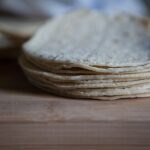
- Nixtamalization in action: you visit an organic tortillería where the traditional process is visible.
- Chili variety is the main character: you stop at a chili stand and sample different peppers and flavors.
- You cook 10 salsas yourself: roasted, cooked, fried, and even raw preparations are part of the class.
- Heat level control is built in: the chef can adapt spiciness based on what you want.
- Lunch includes your work, plus mezcal and craft beer: you eat tacos and appetizers paired with the salsas you made.
Roma Norte Starts the Senses: Studio Cooking With Market Fuel
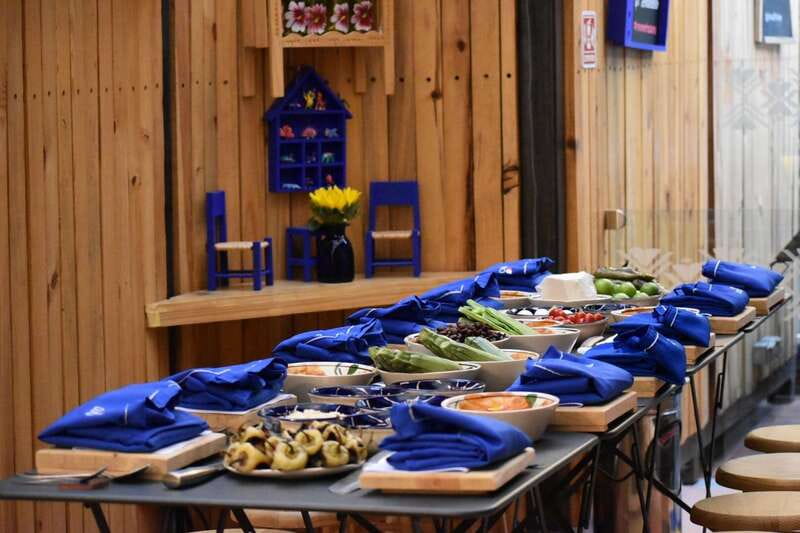
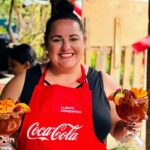
The experience begins in a contemporary cooking studio in Roma Norte, a neighborhood with style and serious food energy. You meet your chef instructor and ease in with a refreshing welcome drink of agua fresca (fruity, non-alcoholic) and coffee made from selected Mexican beans or a special infusion. It is a smart setup: you get grounded before you hit the market, so everything you taste later has a purpose.
I like that the tone is friendly and practical. You also get early context on Mexican cuisine history, but it stays tied to what you will be eating and cooking, not just lecture mode.
You can also read our reviews of more tours and experiences in Mexico City.

Finding Aura Cocina Mexicana: The Blue Shopfront on Medellín Street
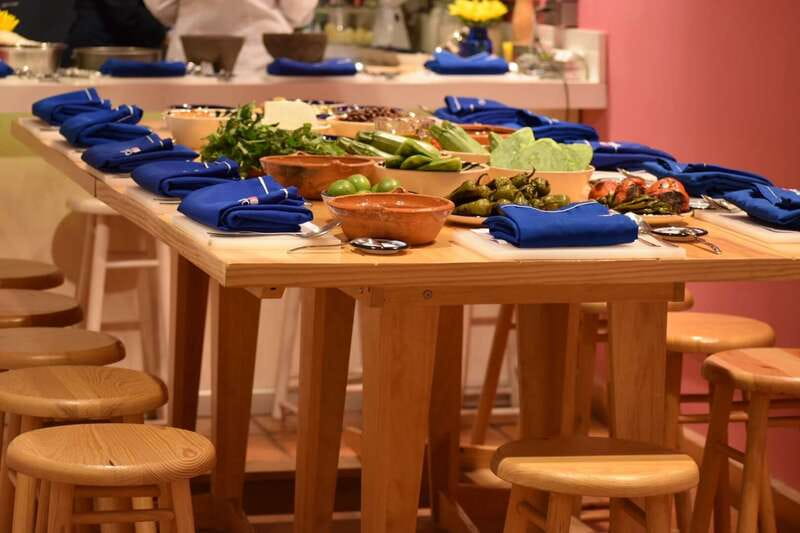
Meet at Medellín Street between Chiapas Street and Tapachula Street, looking for Aura Cocina Mexicana’s blue shopfront. The address is Medellín 191A, but the house numbers do not ascend in order, so don’t assume the next number is around the corner.
You’ll want comfortable shoes because you’re walking, and comfortable clothes because you’ll be in a kitchen environment while cooking and tasting. An apron is provided for class, which saves you from hunting one down last minute.
The Mercado de Medellín Market Tour: Learning By Eating
The market walk is where you start seeing Mexican flavor as a system. You head out barrio-style and learn how the halls hold different food stories, from staples to specialty items. This is not just wandering with snacks; you’re guided through the logic of the ingredients you’ll later turn into salsa.
At the organic tortillería, you get to see nixtamalization, the traditional process behind native corn tortillas. It might sound technical, but it is basically the difference between corn that tastes flat and corn that tastes like corn is supposed to taste. Watching that process builds real confidence for anyone who wants tortillas and salsa that actually perform.
Native Ingredients and Wild Tastings: Cacao, Chili, Fruit, and Insects
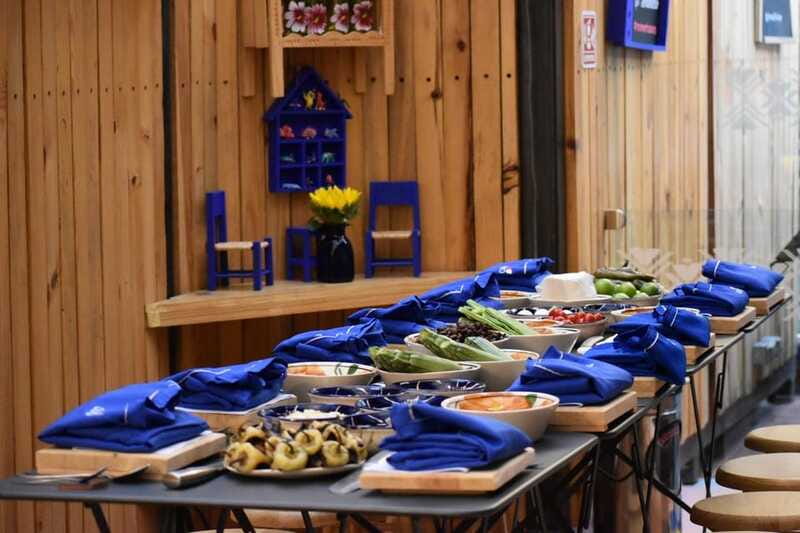
You’ll taste a line-up of market items that explains why Mexican salsa tastes so layered. One highlight is 100% raw cacao and handmade artisanal chocolate from Oaxaca. You get to notice how cacao can taste different depending on how it is processed, not just whether it is sweet.
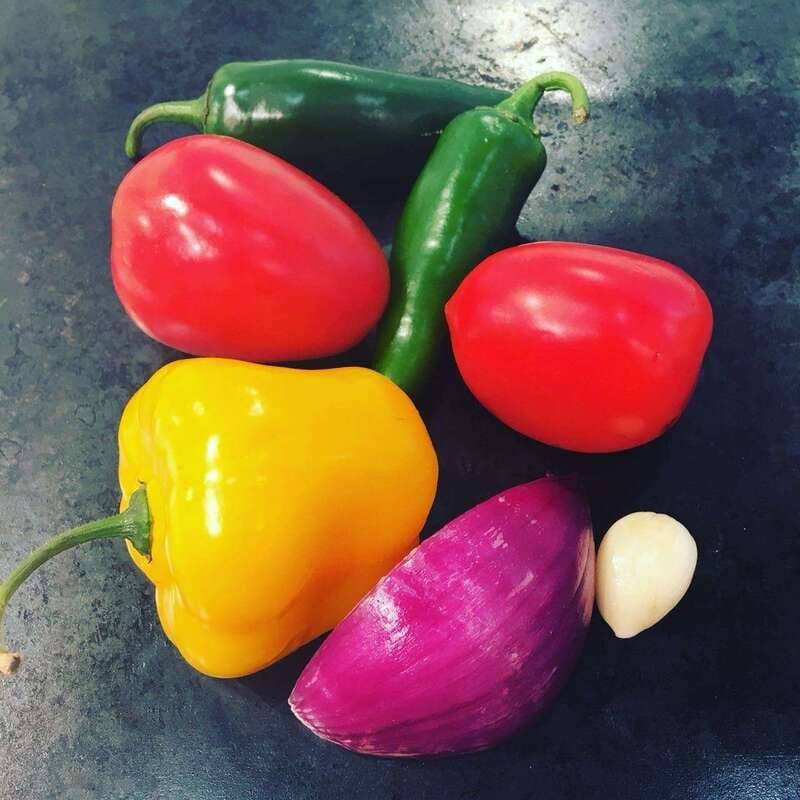
Then comes chili variety. You check out different chili types at a chili stand, which matters because salsa is mostly about pepper character: smokiness, fruitiness, roasted depth, and heat level. The way your chef talks about these peppers can change how you choose them at home later.
And yes, there are edible insects. The market stops include exotic bugs such as crickets, chicatana (flying ants), and chinicuil (worms). If you’re cautious, keep it simple: taste one, notice the texture and flavor, and treat it as part of the local ingredient culture rather than a novelty.
You’ll also see seasonal native fruits like mamey, chicozapote, and tuna, plus hand-crafted ice cream. It’s a nice rhythm shift after chili-focused stops, and it helps you pick up how fruit and sweetness can balance heat in real salsa eating.
Back to the Studio: 10 Salsas and Real Cooking Techniques
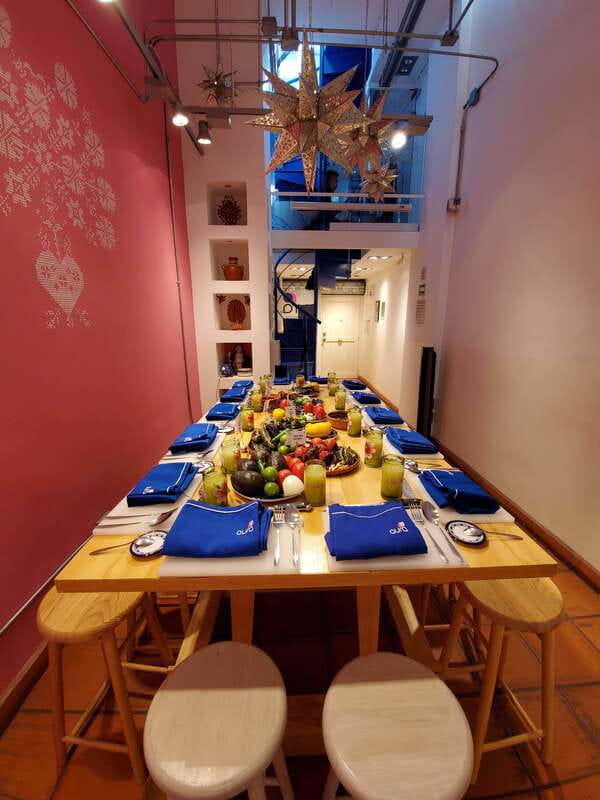
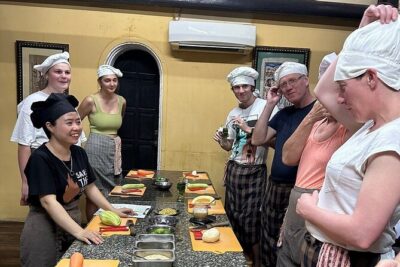
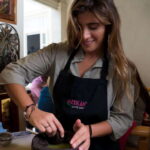
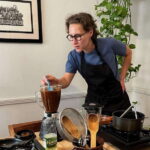
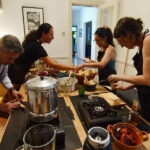
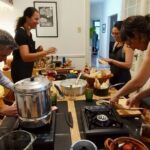
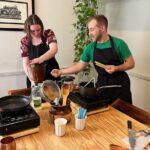
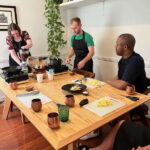
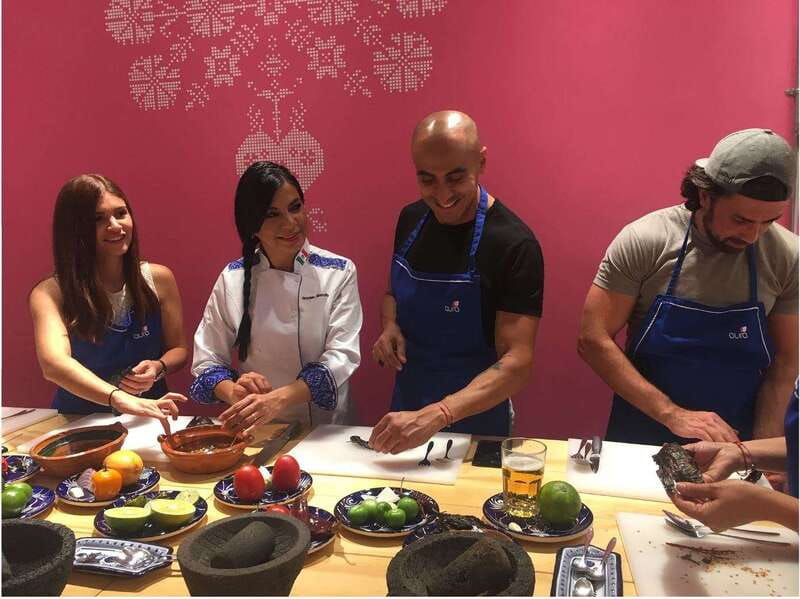
After the market, you return to the studio for the hands-on cooking. This is where you stop being a salsa spectator and become the salsa maker. The class is designed for a small group of up to 7, so you get help while you’re working, not just at the beginning.
You prepare 10 Mexican salsas, using different methods: roast, cook, fry, and make some raw. That mix is important. Many cooking classes focus on one style. Here, you learn how technique changes flavor, for example what roasting does to pepper depth and what frying does to body and richness.

The 10 Salsas You’ll Learn to Make
You’ll learn to prepare:
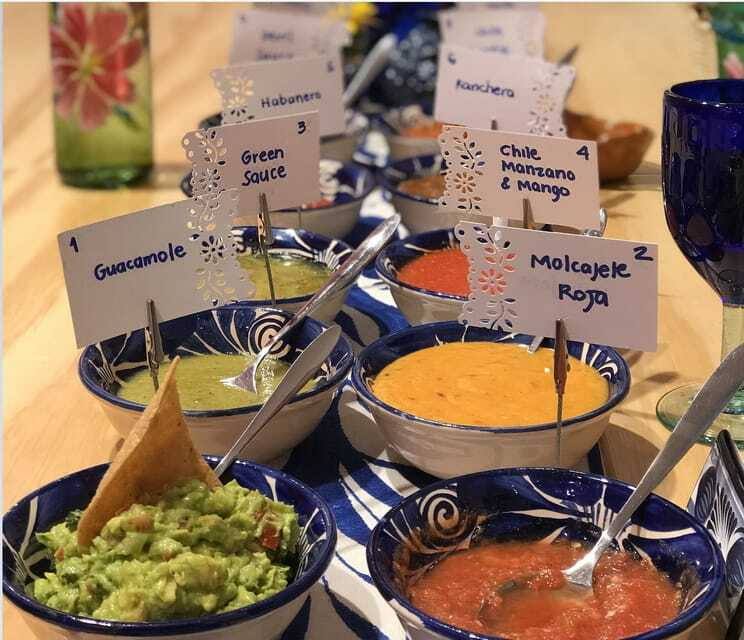
- Traditional guacamole
- Red molcajete sauce
- Green sauce
- Ranchera sauce
- Mango and chile manzano sauce
- Habanero sauce
- Devil’s sauce
- Chile morita with nuts sauce
- Chipotle sauce
- Salsa borracha (drunken sauce)
The names alone tell you the class isn’t random. These are the sauces you’ll recognize in different regional styles and day-to-day Mexican cooking. And because you’re making them, you’ll start understanding what each bottle of flavor needs: pepper, acidity, roastiness, and balance.
Heat Level Control: Why This Class Feels Personal
One of the best parts is how the chef handles spiciness. In sessions with instructors like Pame, you can choose your preferred heat level, and the chef adapts the salsas to match. That’s a big deal because it turns heat into a knob you can control, not a gamble.
I also like that the approach feels instructional rather than strict. Even when you’re doing hands-on work, the goal is confidence. You leave knowing what to adjust next time: more roasted pepper for depth, different chiles for character, or a more restrained mix if you want flavor without the burn.
Street Tacos and a Pairing Lesson: What You Eat Matters
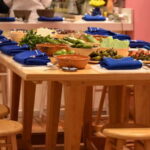
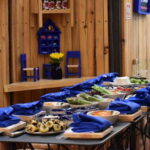
Now for the payoff. Once the salsas are ready, you eat them with street food style tacos and appetizers. The menu includes choices for fillings such as cochinita pibil, cecina, roasted potatoes, scrambled eggs, sautéed mushrooms, cactus leaves, zucchini, fried beans, and quesadillas.
This is one of those subtle teaching moments that makes the class worth it. Instead of eating one salsa and moving on, you get to see how different sauces behave with different fillings. A smoky salsa can turn roasted potatoes into something bold. A green salsa can bring brightness to eggs or mushrooms. And a sauce with more richness tends to cling to fillings with body.
You’ll also wash it down with agua fresca, artisanal mezcal, and Mexican craft beer. Meals like this do more than satisfy hunger. They train your palate for pairing, so you can recreate the idea at home even if you’re not making everything from scratch.
Printed Recipes Plus the Technique Memory
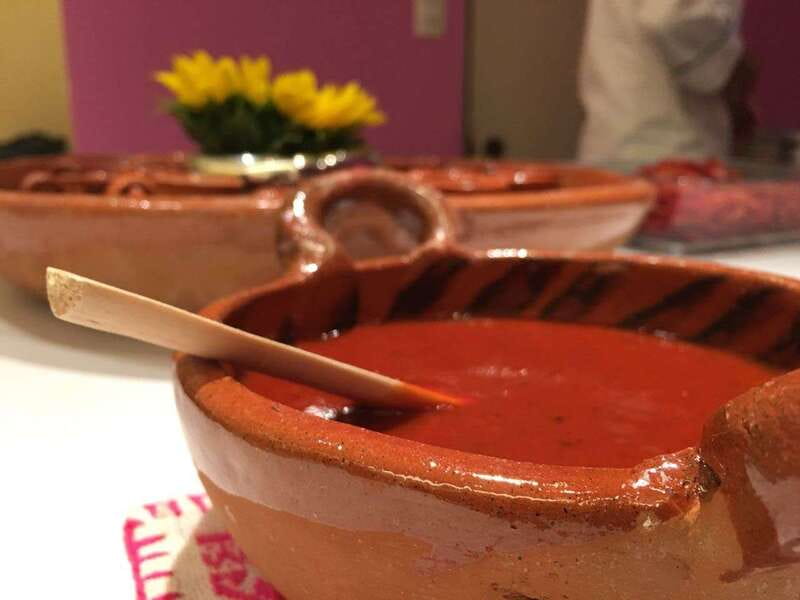
You get printed recipes, which is practical if you want to cook later and actually remember what you did. But the more valuable part is technique memory: you’ll know what to look for—roasting color, texture changes, and how a salsa thickens or loosens depending on method.
Also, the teaching tends to mix culture with cooking. Instructors like Lorena and Krystel have been praised for explaining history and cultural insights alongside the hands-on steps. That kind of context helps you cook with intention, not just imitation.
Price and Value in Mexico City: What $186 Really Buys
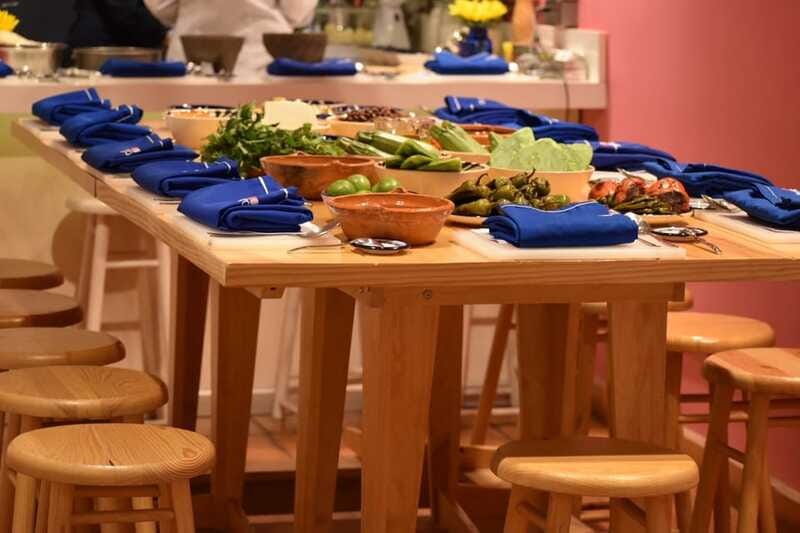
At $186 per person for about 4.5 hours, this is not a bargain-basement food tour. But it also isn’t just a tasting. You’re paying for real kitchen time, a small group size (max 7), and a full ingredient cycle that ends in lunch with drinks.
Here’s what that cost covers:
- Professional chef guide
- Market tour
- Ingredients
- Printed recipes
- Lunch
- Beer and mezcal
What you don’t get is hotel pickup, so you’ll need to get yourself to the studio meet point around Medellín Street in Roma Norte. If you’re the type who wants to bring something home besides photos—like a repeatable skill—this price starts making sense.
Who This Cooking Class Is Best For
This is a great fit if:
- You want a hands-on class rather than a sit-and-watch experience
- You love chili flavor and want to learn how heat and roastiness change salsa
- You enjoy markets and learning by tasting
- You want to leave with both recipes and pairing ideas
It is not a good fit if:
- You have nut allergies (the class is not suitable)
- You have mobility impairments
- You’re traveling with children under 12
If you’re traveling solo, this works well because the group is small and the instruction is interactive. If you’re traveling with friends, you’ll still get attention while cooking, which you don’t always get in larger classes.
Quick Tips That Actually Help
- Bring comfortable shoes and plan to walk during the market part.
- Wear clothes you can stand to smell a little like kitchen work.
- If you’re heat-sensitive, say your preference early so your chef can adjust.
- If you’re curious about the market tastings (like insects and raw cacao), try one item and take your time deciding about the rest.
Should You Book This Mexican Salsas Cooking Class?
If you want Mexico City that feels real—markets, regional ingredients, and cooking you can repeat later—this is an excellent choice. The combination is the magic: you taste ingredients at Mercado de Medellín, you learn key processes like nixtamalization, and then you turn everything into 10 salsas with meals and pairing afterward.
I’d skip it only if you cannot handle the tasting style, like nut allergy concerns or mobility needs, or if you prefer a purely cultural tour with no cooking. If you’re here to learn, eat, and come home with recipes that actually work, book it and show up hungry for chili flavor.
FAQ
How long is the Mexican salsas cooking class and market tour?
The experience lasts 4.5 hours.
How many people are in the group?
It’s a small group limited to 7 participants.
Where is the meeting point?
Meet on Medellín Street between Chiapas Street and Tapachula Street at Aura Cocina Mexicana’s blue shopfront (Medellín 191A, though the house numbers don’t ascend in order).
What does the price include?
The price includes a professional chef guide, the market tour, ingredients, printed recipes, lunch, and beer and mezcal.
What should I bring, and is an apron provided?
Bring comfortable shoes and comfortable clothes. An apron is provided for use during the class.
Is hotel pickup included?
No, hotel pickup and drop-off are not included.