REVIEW · UBUD
Bali Cooking Class with Culture Experience
Book on Viator →Operated by Lobong Culinary Experience · Bookable on Viator
A great food day starts early. This Bali cooking class in Ubud blends a morning market visit with hands-on cooking at a home kitchen setup, led by Lobong’s team and their chef-style instruction. I love that you get both the why (herbs, spices, ingredients) and the how (step-by-step menu cooking), and I also love the warm family feel built into the flow from host welcome to lunch on what you made. One thing to consider is the start time and schedule: you’ll be working across a long stretch of time, starting at 7:30 am, so plan for a true morning-to-lunch day.
You’ll begin at a local morning market, picking out the ingredients that shape Balinese flavor. Then you’ll meet Dewa at the home base for a hot drink and their crispy banana fritters (pisang goreng), plus a look at daily Balinese life. After that, you’ll cook a full menu and leave with an illustrated instruction booklet designed to help you repeat the dishes at home.
The class is small, with a maximum of 12 travelers, which usually means more attention at the stove and a smoother experience. Just keep in mind it is still a hands-on workshop, so if you’re not comfortable cooking or standing for stretches, it may feel a bit like work (even when it’s fun).
In This Review
- Quick highlights you’ll feel right away
- A Family-Style Morning Market Start in Ubud
- Coffee With Dewa, Plus Pisang Goreng and Balinese Home Life
- The Illustrated Booklet That Helps You Cook Again at Home
- Inside the Cooking Pavilion: How the Full Menu Comes Together
- What Makes the Market Learning Actually Useful
- Lunch, Fresh Dessert, and a Gratitude Moment
- What You’ll Be Able to Repeat (Even If Your Ingredients Differ)
- Price and Logistics: Is $62 a Good Value for a 6-Hour Food Day?
- Who This Bali Class Fits Best
- Should You Book Lobong Bali Cooking Class in Ubud?
- FAQ
- Where does the Bali cooking class take place?
- How long is the cooking class?
- What time does the experience start?
- Do you get hotel pickup?
- How big is the group?
- What will I receive at the end of the class?
Quick highlights you’ll feel right away
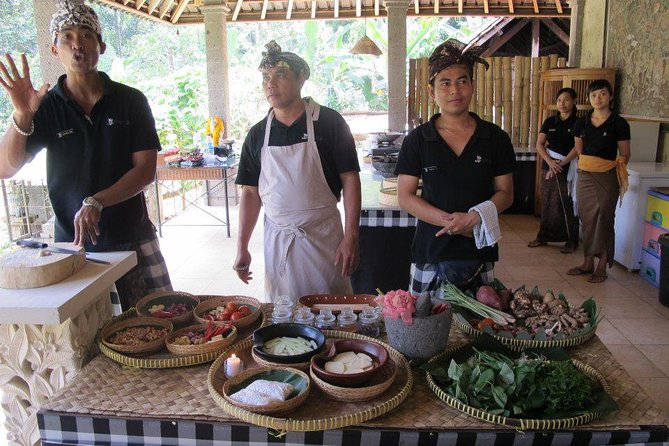
- Market ingredients with real context before you cook, so herbs and spices make sense in your mouth, not just on paper.
- Dewa’s welcome setup with hot coffee or tea and fresh pisang goreng, then Balinese home-life conversation while things are prepared.
- A full Balinese menu (appetizer, multiple entrees, side dishes, and dessert), not just one or two dishes.
- A professional chef-led pavilion session with a clear learning structure and the home base ready for class.
- Take-home instructions in an illustrated booklet, with recipes, photos, directions, and space for notes.
- Family compound hospitality that goes beyond the kitchen, including a gratitude moment after the meal.
A Family-Style Morning Market Start in Ubud
This experience starts with a walk through a local morning market, where your Family Host selects and explains the produce and flavor makers you’ll use. You’re not just sightseeing. You’re learning what makes Balinese cooking distinct: how ingredients relate to each other and how fresh choices affect the final dish.
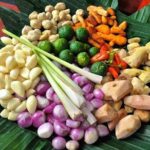
You can expect herbs, spices, fruits, and vegetables to be part of the ingredient hunt. That matters because Balinese meals often hinge on aromatic mixes, so knowing what you’re holding and why you bought it helps you cook with confidence later.
If you’re the type who likes to understand a recipe’s logic, this market portion is where the day starts paying off. If you prefer a fast, no-frills cooking session, you might feel the market section runs longer than you’d like, but it’s the backbone of the whole class.
You can also read our reviews of more tours and experiences in Ubud.
Coffee With Dewa, Plus Pisang Goreng and Balinese Home Life
Once you’re back at the home base, you’re greeted by Dewa with a piping hot cup of coffee or tea, or mineral water. Alongside the drink comes his famous pisang goreng, those crispy banana fritters that help you settle in and get excited for cooking.
While you snack, the experience shifts from ingredients to people. You’ll hear about Balinese lifestyle, including families, home shrines, and culture, as the team makes sure the cooking pavilion is ready.
This is a small but meaningful part of the day because it changes the mood. Instead of feeling like you’re only there to copy recipes, you’re learning the cultural context that explains why certain dishes show up in certain settings.
The Illustrated Booklet That Helps You Cook Again at Home
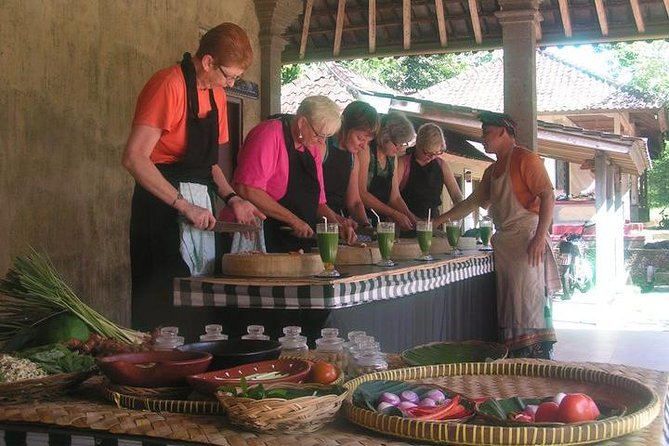
Before you start cooking, you’re given an illustrated instructional gift booklet. This isn’t just a list of recipes. It includes the menu, recipes, directions, photos, tips, and even space for your own notes.
I like this approach because it solves a common problem with cooking classes: the memory fades fast, but the booklet stays. With photos and directions, you’re more likely to recreate the dishes closely rather than guessing when you get to that one step you only half understood.
If you’ve ever cooked something later and realized you forgot what the dish was supposed to look like, this format helps with that. Keep the booklet flat in the kitchen and you’ll use it.
Inside the Cooking Pavilion: How the Full Menu Comes Together
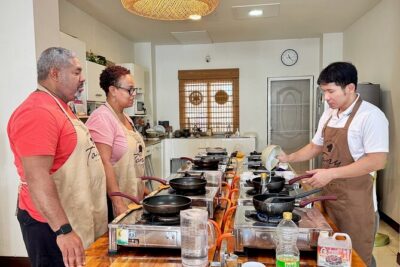
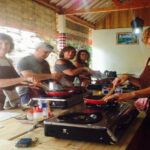
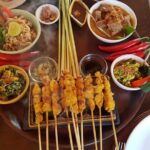
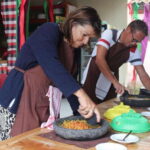
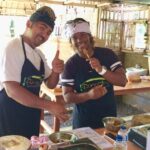
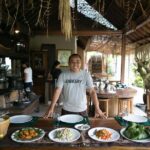
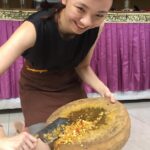
Now comes the part you actually came for: hands-on cooking in the pavilion area, guided by the team and led by a professional chef. The class is designed around cooking a complete Balinese menu, including an appetizer, a variety of traditional entrees, accompanying side dishes, and dessert.
The menu structure is important. You’re not learning isolated dishes that never join up. You’re learning how flavors and textures fit together across a meal, so you can cook more like a Balinese host instead of like someone assembling random plates.
Because the group maximum is 12 travelers, you should expect a manageable pace. In a small group, it’s easier for instructors to notice what’s going wrong, whether that’s seasoning balance, heat control, or timing.
The only real drawback is physical pacing. Cooking a full multi-course menu takes time and attention, so wear comfortable shoes and plan to stay present. You’ll be doing real work, not just watching.
What Makes the Market Learning Actually Useful
The strongest part of this day is the link between what you buy and what you cook. When your Family Host chooses the fresh herbs, spices, fruits, and vegetables, you’re building a mental map of the ingredients’ roles.
That matters for two reasons. First, it helps you recognize ingredients in your own kitchen later, even if your local store doesn’t carry an exact match. Second, it teaches you how flavor comes from combinations, not from one magic ingredient.
A practical tip: when you’re at the market, take a moment to ask about ingredients you’re unfamiliar with. If something smells intense or looks unusual, it’s often there for a reason. You’ll get more out of the class if you leave that market with curiosity, not just a shopping bag.
Lunch, Fresh Dessert, and a Gratitude Moment
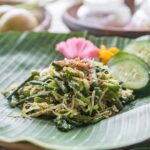
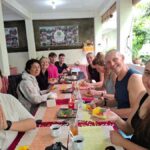
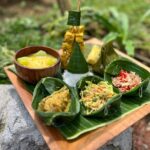
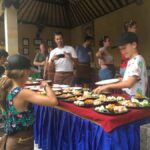
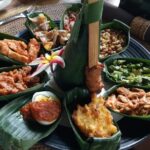
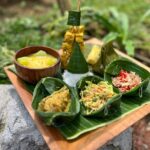
After you cook your meal, you’ll eat what you prepared. Lunch is described as incredible in the experience summaries, and the day ends with freshly made dessert. That final bite matters because it gives you a full taste timeline: you learn how the meal builds, then how dessert closes the loop.
One detail I find especially compelling is that the experience includes a ritual of gratitude after the traditional meal. Even if you’re not deeply connected to ritual, it’s a reminder that food isn’t just a product here. It’s part of a relationship with the home and the community.
This ending also gives your brain a clean finish. You’re not rushing out right after cooking. You sit down, taste, and connect what you did with what it turned into.
What You’ll Be Able to Repeat (Even If Your Ingredients Differ)
A big promise of this class is that you’ll be able to duplicate the dishes at home. The booklet supports that with recipes, directions, and tips, plus photos that help you validate what you’re aiming for.
You can also expect that the skills learned won’t be only about memorizing a list of dishes. You’ll be learning ingredient behavior: what herbs and spices do, how fresh produce changes texture, and how timing affects outcomes.
At home, you might not find the exact same local ingredients. In that case, the class structure helps you adapt because you understand flavor purposes. That’s how you keep the dish close even when your pantry isn’t identical.
Price and Logistics: Is $62 a Good Value for a 6-Hour Food Day?
For $62, you’re paying for a full morning-to-lunch experience that includes market time, chef-led instruction, and food components throughout the day. It’s not just a tasting or a quick lesson. You’re cooking a full menu, eating lunch you made, and ending with dessert.
You also get round-trip transfers from central Ubud hotels (pickup offered) and a take-home instruction booklet. When you add those together, the price starts looking fair, especially compared with classes that focus on only one dish without the extra ingredient context.
Logistics-wise, this starts at 7:30 am and runs around 6 hours. If you value early starts and like a full structured day, the timing is a plus because you’ll be done before the late-day crowds pick up.
One consideration: since it’s a small-group class, you’ll want to plan to arrive on time. Late arrivals can throw off the cooking schedule for everyone.
Who This Bali Class Fits Best
This is a strong match if you want more than a recipe download. You’ll enjoy it if you care about ingredient understanding, fresh markets, and learning the flow of a real meal.
It’s also a good fit if you’re traveling with a group size that prefers a calmer setting. The maximum of 12 travelers suggests you won’t feel swallowed by a large crowd.
If you’re a total beginner in cooking, the combination of professional chef guidance plus an illustrated booklet can make the learning less intimidating. If you’re an advanced cook, you’ll still likely get value from the way Balinese flavor building is taught, especially when you’ve got ingredient explanations right before cooking.
Should You Book Lobong Bali Cooking Class in Ubud?
I’d book this if you want a real Balinese meal experience, not just a one-off dish. The market start plus Dewa’s home welcome, followed by a full menu cooking session and dessert, makes it feel like a complete food day with culture attached to it.
It’s also a solid choice for value because you get transfers, breakfast-style snacking, lunch you cook, dessert, and a booklet you can use later. The one thing to think through is whether you’re happy with a 7:30 am start and a structured, hands-on schedule.
If that timing works for you and you like learning through cooking, this is an easy yes.
FAQ
Where does the Bali cooking class take place?
The experience is based in Ubud, Indonesia.
How long is the cooking class?
It runs for about 6 hours.
What time does the experience start?
The start time is 7:30 am.
Do you get hotel pickup?
Yes, pickup is offered with round-trip transfers from central Ubud hotels.
How big is the group?
The maximum group size is 12 travelers.
What will I receive at the end of the class?
You’ll enjoy the dessert you cook and leave with an illustrated instructional booklet containing the menu, recipes, directions, photos, tips, and space for notes.