REVIEW · UBUD
Bali : Experiences of Ubud Paon Cooking Class
Book on GetYourGuide →Operated by PT. Bintang Savaya Trans · Bookable on GetYourGuide
Bali food smells start at the market. This Ubud Paon Cooking Class is all about hands-on cooking and Balinese ingredient choices, with your host Puspa guiding you back into local food culture. I especially liked the focus on learning recipes you can actually repeat, plus the way they keep things practical and doable, not just a performance. One thing to consider: this class leans into spicy cooking, so if you hate heat, tell them early so you can adjust.
You’ll start early if you pick the 8 am option and meet at the Ubud markets to shop for fresh herbs, spices, vegetables, and meat. Then you head to the paon Kitchen setup for the cooking itself, and finish with a warm welcome back at Laplapan village and lunch from your own work. With a small group and an English-speaking guide/host, the timing works well even if you’re not a kitchen expert.
If you want Bali without the tourist-generic stuff, this is one of the best ways to understand how Balinese meals are built—by ingredients, technique, and the spirit behind them.
In This Review
- Key things I’d plan around
- Ubud market start: herbs and spices chosen with purpose
- Paon Kitchen in a community village: where the class actually happens
- Spicy-first Balinese technique: learning recipes you can repeat
- Choosing the right ingredients: herbs, veg, and meat as flavor building blocks
- Lunch you make: tasting the results in a real Balinese rhythm
- Meet your host Puspa: the food culture and spirit angle
- Timing and transfers: how 3 to 4 hours fits into your day
- Price and value of a $40 Bali cooking class
- Who this class suits best (and who might not love it)
- Should you book the Ubud Paon Cooking Class?
- FAQ
- What’s the duration of the Ubud Paon Cooking Class?
- Where do I meet for the class?
- Do I get picked up from my hotel?
- What does the price include?
- Is the class taught in English?
- Is it a small group?
- Is lunch included?
- Is free cancellation available?
Key things I’d plan around
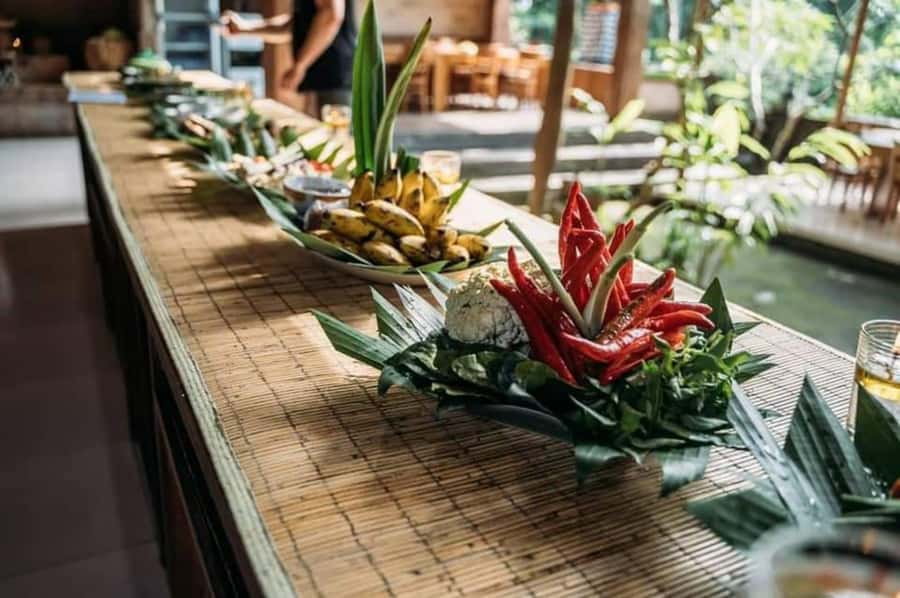
- Ubud market ingredient hunt: choose herbs, spices, vegetables, and meat before you cook
- Community village kitchen setting: real local space, not a showroom kitchen
- Spice-first learning: you’ll focus on spicy cooking technique and how recipes work
- Hands-on rotation: the class structure lets you do a lot yourself at stations
- Ingredient tips for home cooking: you can get advice and alternatives if you can’t source Bali items
- You eat what you make: lunch is part of the experience, not an afterthought
Ubud market start: herbs and spices chosen with purpose
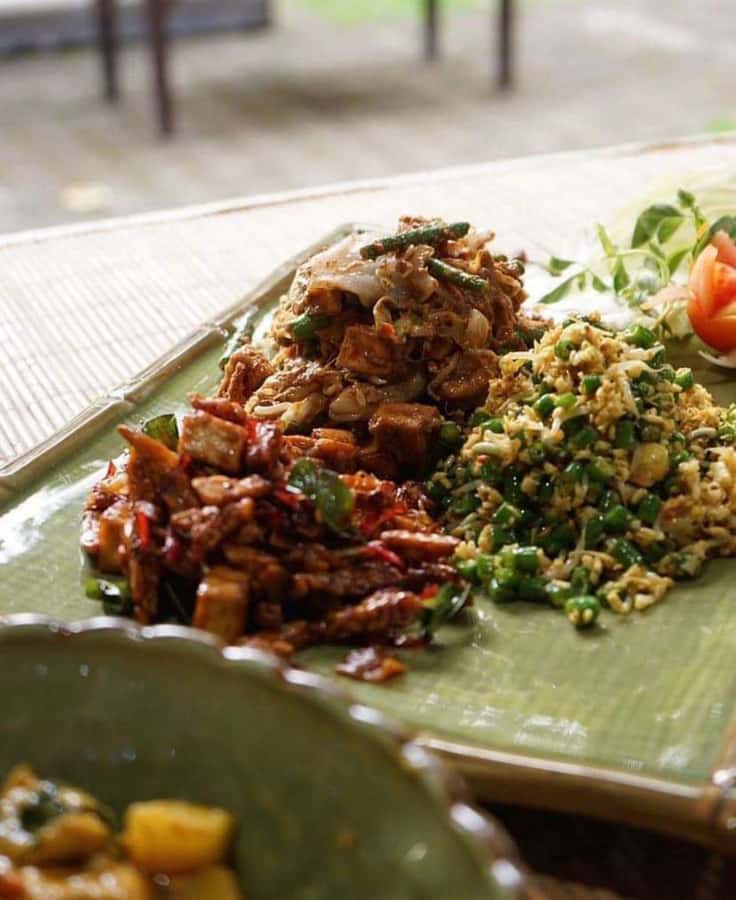
The day starts with shopping, and that matters more than you might think. If you choose the morning option (8 am), you meet at the Ubud markets and arrive at least 10 minutes before it begins. This is your chance to see what you’ll actually cook with, not just hear about it later.
I like this approach because it builds context fast. In most cooking classes, you arrive, get assigned ingredients, and start chopping. Here, you’re picking from fresh herbs and spices, crisp vegetables, and choice cuts of meat—so you’re already thinking like a cook before you touch a knife. You’ll also get a feel for how aromatic spices shape the whole meal, including the spicy side the class is known for.
One practical note: markets can be busy and warm. Wear comfortable shoes you don’t mind getting a bit dusty, and bring a light layer if you get cold easily when you move between outdoor areas and the kitchen space.
You can also read our reviews of more tours and experiences in Ubud.
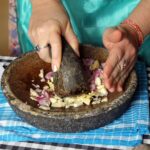
Paon Kitchen in a community village: where the class actually happens
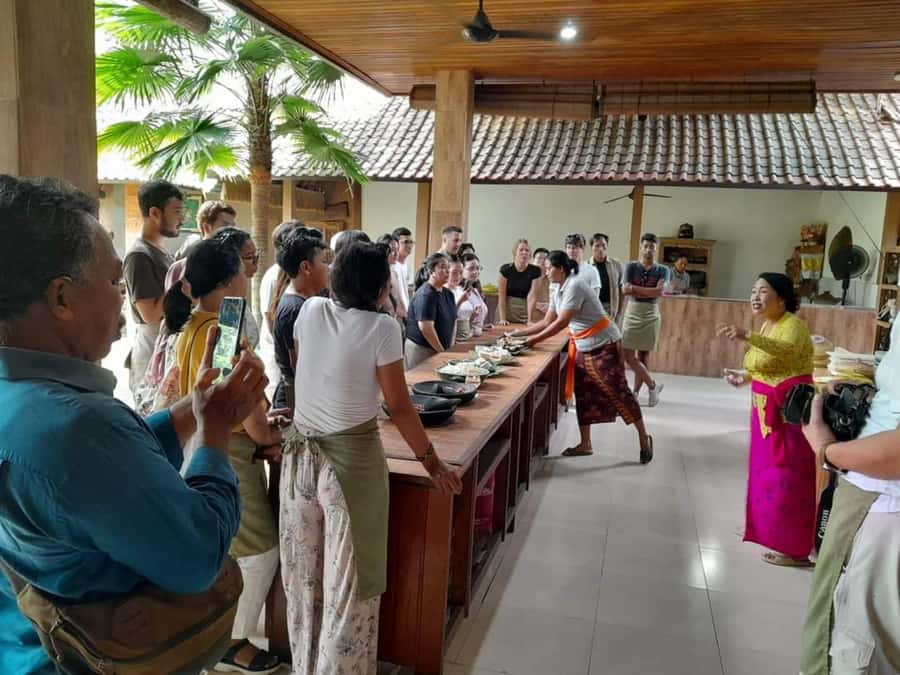
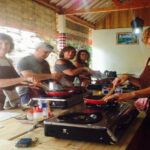
After the market portion, you head to the paon Kitchen for the location cooking class. This is where the experience turns from ingredients into technique. The class takes place in a fully equipped community village kitchen, so it feels grounded in daily life rather than like a staged activity.
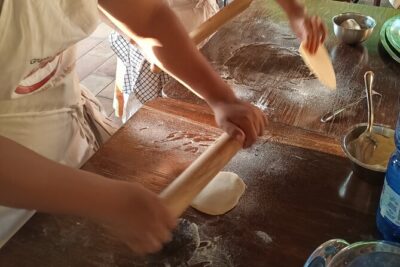
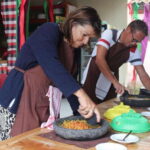
The layout also helps you learn. The way the class is described and how people talk about it points to station-based learning, where participants swap and rotate so you get multiple chances to cook rather than watching one person do everything. That’s a big deal for value: you leave knowing what you did, not just what you were shown.
You’ll work through authentic Balinese cooking methods using traditional ingredients and prep styles. Even if you’re not a confident home cook, the structure supports you. One of the best parts here is the balance between guidance and doing it yourself—so you don’t feel stuck, but you also don’t feel like you’re being rushed through steps.
Spicy-first Balinese technique: learning recipes you can repeat
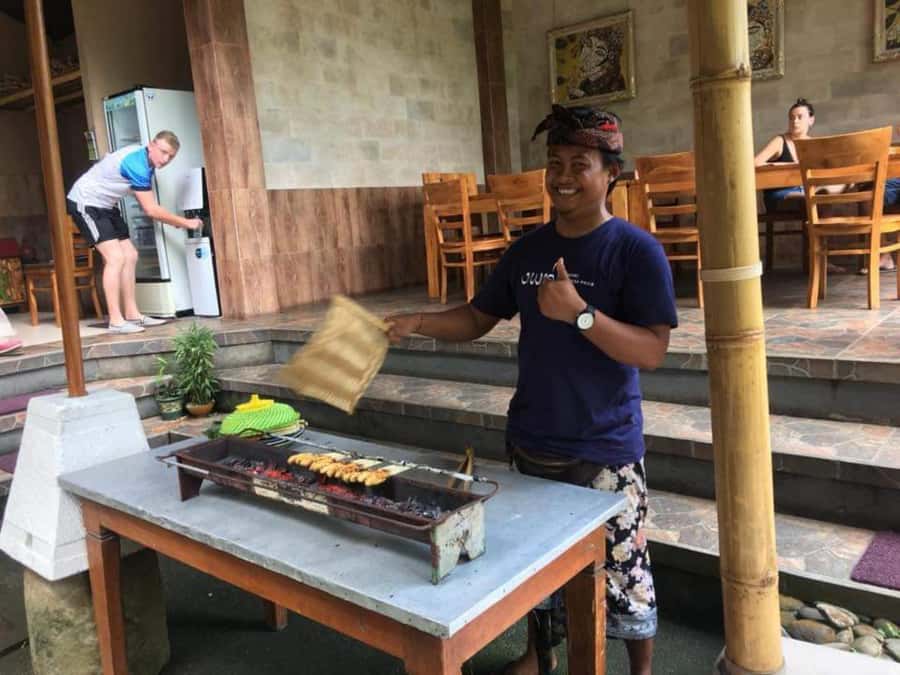
The class makes one thing clear: spicy food is a priority. That means you don’t just make something mild and forgettable. You’ll be guided to understand how Balinese seasoning works and how spicy flavors are built into the dish.
From the feedback people share, the instruction style is a strong point. You get really good directions, and you get hands-on time at the different stations. You also learn practical tips and alternatives for ingredients if you want to cook at home later. That last part is key. Bali cooking is flavorful, but it’s also not always easy to recreate exactly if you can’t find specific local items. The class helps you bridge that gap with realistic substitution advice.
If you’re the type who loves heat, you’ll probably enjoy how seriously they treat spice. If you’re sensitive to it, I’d still book—just speak up at the start and ask about adjusting spice levels during prep. Cooking classes are better when your expectations match the kitchen.
Choosing the right ingredients: herbs, veg, and meat as flavor building blocks
It’s easy to think cooking is mostly about the sauce. In Balinese cooking, the ingredients matter just as much—and the market portion sets you up to understand that.
You start with herbs & spices, then move into crisp vegetables and choice cuts of meat. That sequence is helpful. You see the produce quality first, then you learn how each ingredient contributes to the final taste and texture. You’ll notice that aromatic herbs and spices don’t just sit on top—they drive the flavor base and influence how everything else tastes once cooked.
Also, because you chose the ingredients, you’re more likely to remember what you made. Later, when you look at your recipe notes or your notes from the class, the flavors connect back to the selection choices you made in the market. It’s a small mental trick, but it makes the learning stick.
One more detail I appreciated from the overall feedback: people describe ingredient prep as cool and fun. So expect real participation, not just pass/fail chopping. You’ll likely do enough prep work to feel like you truly contributed to the meal.
Lunch you make: tasting the results in a real Balinese rhythm
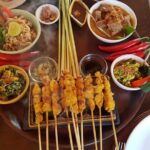
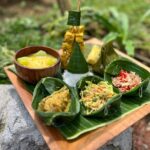
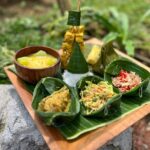
After cooking, you get to enjoy your food. In other classes, lunch can feel like an extra plate you didn’t earn. Here, lunch is part of the payoff for the effort you put in during the session.
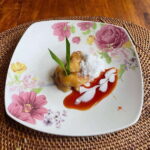
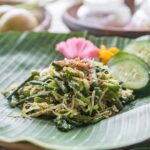
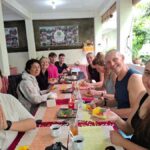
The experience is built around finishing the day on your own dishes. That means you can taste while it’s still fresh in your head, which helps you understand what each step was responsible for. It’s also the moment when the whole group relaxes a bit after the work.
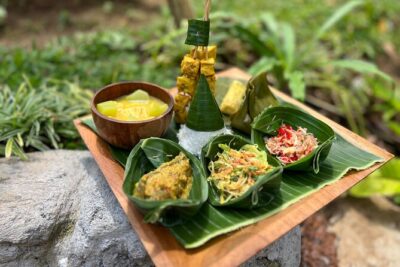
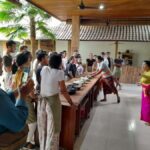
The tone matters too. You’re not just dismissed after eating. You’ll be welcomed back at Laplapan village, and guided by your host to discover how to create your very own authentic Balinese dishes. That kind of ending helps you leave with confidence, not just a full stomach.
If you love food experiences where you actively produce something, this is the right style. If you’re expecting a short show-and-eat format, you might find it too hands-on—but the learning is the point.
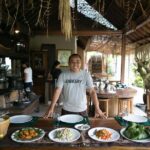
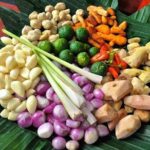
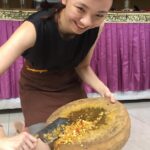
Meet your host Puspa: the food culture and spirit angle
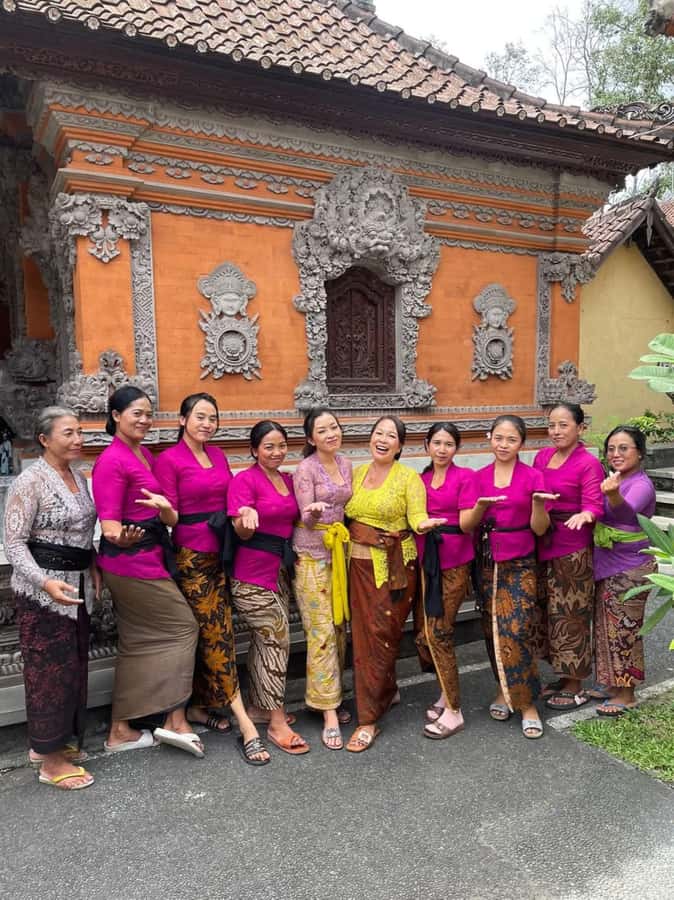
Food isn’t only ingredients. In this class, you’re also learning about food culture and the spirit behind Balinese life. That shows up in the way the host guides you after you return to Laplapan village.
A real standout is the host name mentioned: Puspa. She’s described as warmly welcoming and expertly guiding you through the process of creating authentic Balinese dishes. That matters because it shifts the experience from entertainment into understanding. When a guide connects the cooking steps to local tradition, you’re more likely to take lessons seriously instead of treating them as a fun vacation task.
You’ll also hear about the tradition and the broader idea of how meals fit into daily life. Even if you don’t catch every nuance (English is used by the host/greeter), the meaning comes through: cooking here is social, careful, and rooted in local practices.
Timing and transfers: how 3 to 4 hours fits into your day
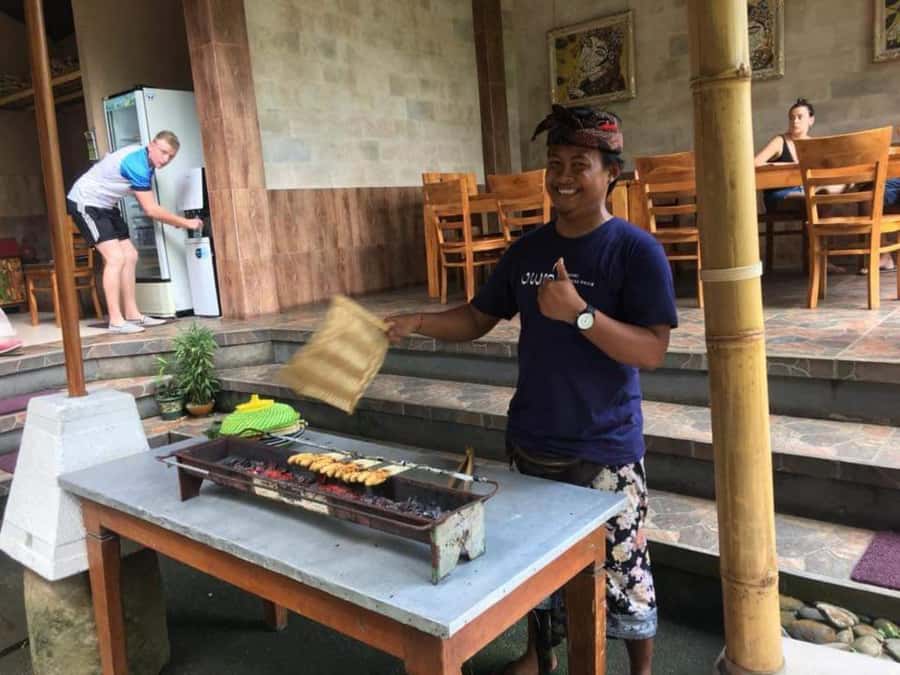
The duration is about 3 to 4 hours, so you’re not stuck half a day. The experience includes transport and class admission if you select the hotel transfer option. That makes the experience simpler if you’re staying in Ubud or nearby.
Pickup is optional in the Ubud area, Canggu, and Sanur. For pickup outside those areas, there’s a charge of $5 per person. If you’re planning your Bali days efficiently, this matters: you can keep your schedule tight and still avoid the hassle of finding the meeting point and getting back.
Your meeting point is listed as a location-based meet-up, and you should arrive about 10 minutes early. If you choose the morning 8 am option, you’ll meet at the Ubud markets. I’d treat that as a real start time, not a loose suggestion.
One more practical point: plan to be ready for active work. Cooking classes involve standing, moving around stations, and tasting. It’s not intense like a trek, but you’ll use energy. Wear comfy clothes you’re okay getting a little spice on, and bring a water bottle if you’re sensitive to dry heat.
Price and value of a $40 Bali cooking class
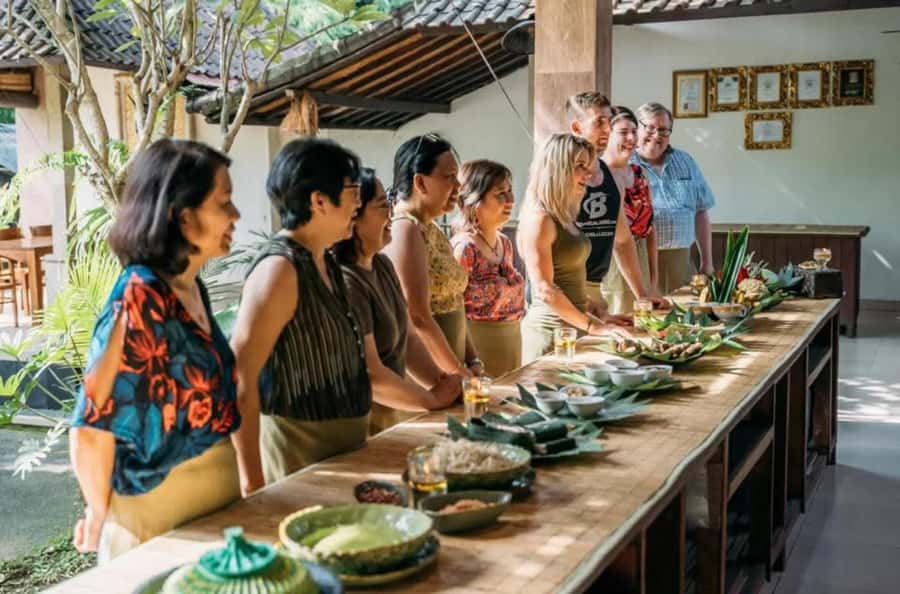
At $40 per person, this class sits in a fair midrange for Ubud. The value comes from what’s included and what you actually get to do.
Included items:
- transfer and return from hotel stay if you choose that option
- admission for the cooking class
- lunch
Not included:
- personal expenses
So you’re paying for a guided class plus lunch plus transport support. But the bigger value is the learning setup: you’re not only watching, and you’re not only cooking one single dish. You’re using a traditional community village kitchen, working with ingredients chosen in the market, and getting instruction from an English-speaking host.
That’s why many people rate it highly. One review highlights a recipe book and “a lot of experiences.” Another mentions that participants rotate at stations, so everyone gets hands-on time. Another notes they offer tips and alternatives for ingredients if you can’t exactly source Bali products at home. Those are practical value signals, not just compliments.
If you’re the kind of traveler who buys souvenirs but wants memories you can taste and repeat, $40 is a reasonable ask—especially because lunch is included and you’ll likely eat what you made.
Who this class suits best (and who might not love it)
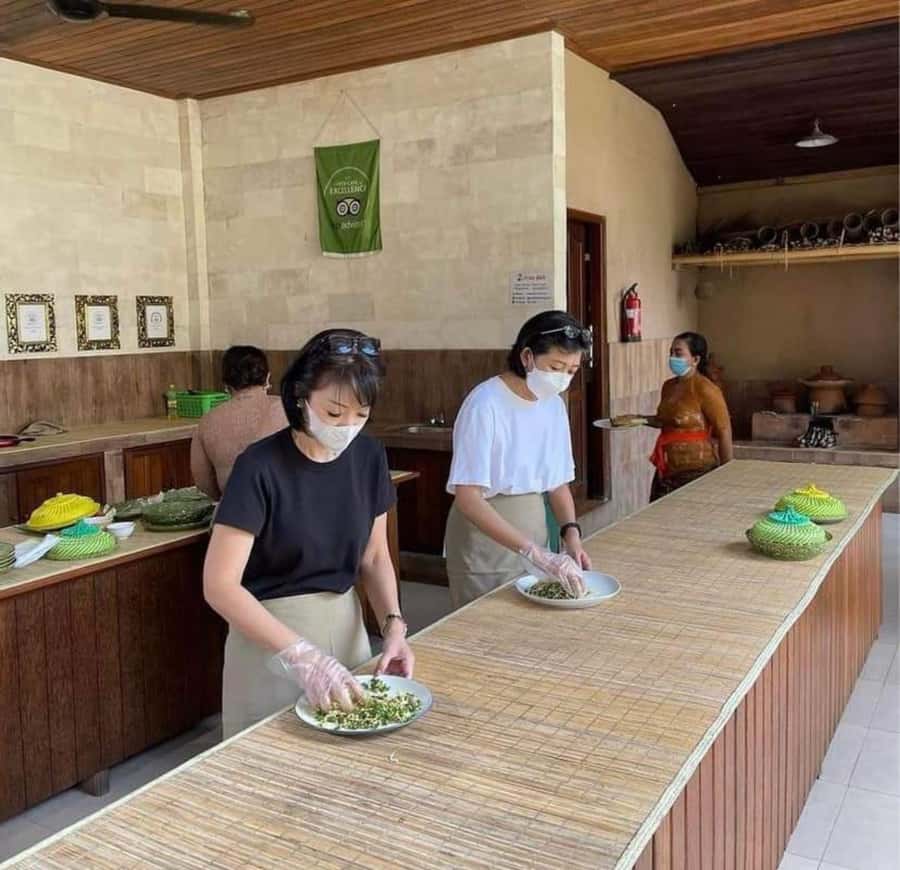
This cooking class is a great fit if:
- you want authentic Balinese home-style cooking rather than a quick demo
- you like hands-on experiences where you do the prep and cook steps
- you’re interested in spice and want to learn how Balinese cooking builds flavor
- you want a small group experience so you get support and guidance
It may not be your best match if:
- you hate spicy flavors and don’t want to adjust
- you’re looking for a passive, sit-and-watch type activity
- your schedule can’t handle an early market start if you pick 8 am
If you’re cooking-curious but nervous, that’s okay. The class is built around guidance and station rotation. You’ll likely leave feeling more capable than you expected, especially if you jot down what you learn as you go.
Should you book the Ubud Paon Cooking Class?
I’d book it if you want a Bali experience that teaches you real technique and gives you a meal you can proudly say you made. The market start makes the day feel meaningful, and the community village kitchen setup keeps it authentic. The spicy focus is also a plus if you like bold food and want to understand how Balinese seasoning works.
I’d hesitate only if spicy cooking is a hard no for you—though you can still ask about adjustments. For most people, the best plan is simple: show up early if you can, ask questions when you need clarity, and taste thoughtfully so you remember how each step changes the dish.
If you’re deciding between another Ubud activity and this one, think of it like this: you’re buying a short window of instruction plus lunch plus a new skill. In a few hours, you go from ingredients to a real Balinese plate—and you’ll have something lasting beyond photos.
FAQ
What’s the duration of the Ubud Paon Cooking Class?
It runs about 3 to 4 hours.
Where do I meet for the class?
The meeting point is at the location, and you should arrive about 10 minutes before the activity starts. If you choose the morning 8 am option, you meet at the Ubud markets.
Do I get picked up from my hotel?
Pickup is optional. Pickup is available in the Ubud area, Canggu, and Sanur. If you’re outside those areas, a $5 per person charge applies.
What does the price include?
The price includes transfer and return from your hotel stay if you select that option, all admissions for the cooking class, and lunch.
Is the class taught in English?
Yes. The host or greeter speaks English.
Is it a small group?
Yes, it’s a small group available.
Is lunch included?
Yes, lunch is included.
Is free cancellation available?
Yes. You can cancel up to 24 hours in advance for a full refund.