REVIEW · UBUD
authentic Balinese organic cooking class in Ubud
Book on Viator →Operated by Amara Bali Family Tour · Bookable on Viator
Organic Balinese cooking starts with dirt under your nails.
In Ubud, this class turns a typical cooking lesson on its head by focusing on organic ingredients grown by a local family and then using them right away in your food. You’ll get pickup, a tour of the farm/garden setup, and you cook with mostly manual tools, finishing with the lunch you made.
My favorite part was the farm harvesting experience before the cooking starts. I also really liked learning the practical side of the ingredients, not just recipes—your chef explains how key items are used in Balinese dishes, including their functions and even medicinal uses in the way the teacher frames them.
One heads-up: it’s a good-weather style of activity. Because parts of the class happen outdoors, you’ll want to be ready for schedule shifts if rain rolls in.
In This Review
- Key Highlights You Should Know
- Why Organic Ingredients Make This Cooking Class Different
- Pickup in Ubud, Then Straight to a Family Farm
- The Garden Kitchen: Where Ingredients Are Planted, Picked, and Used
- Meet the Teacher: Learning Ingredient Functions the Balinese Way
- Cooking with Mostly Manual Tools (and Why That’s a Good Thing)
- Your Balinese Cooking Lesson: Several Dishes, One Flow
- Lunch with a Rice Terrace View: You Eat What You Make
- Optional Swing and Natural Waterfall Time
- Price and Value: What $47 Buys You in Ubud
- Who This Class Is Best For (and Who Might Prefer Something Else)
- Practical Tips Before You Go
- Should You Book This Organic Balinese Cooking Class?
- FAQ
- How much does the organic Balinese cooking class cost?
- How long is the cooking class in Ubud?
- Is pickup from my accommodation included?
- What happens during the class?
- Are there optional activities like a swing or waterfall?
- How big is the group?
- Do I need a printed ticket?
- Is the experience weather-dependent?
- When will I receive confirmation?
Key Highlights You Should Know
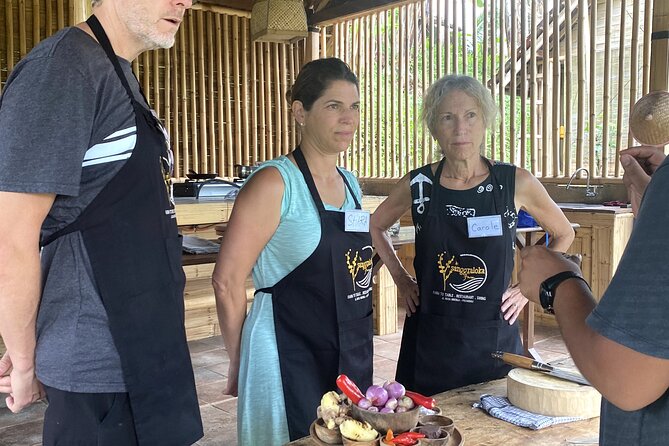
- Organic-first approach: learn about ingredients before you start cooking them
- Farm-to-garden flow: harvest staples during the active harvesting time, then use them in the kitchen
- Small group size: a maximum of 10 travelers, so it’s not just watching
- Teacher spotlight (Ninek): you’ll get guided instruction on ingredients and how to use them
- Manual tools cooking: the hands-on method makes the process feel more real
- Optional extras: swing and a natural waterfall may be available depending on the day
Why Organic Ingredients Make This Cooking Class Different
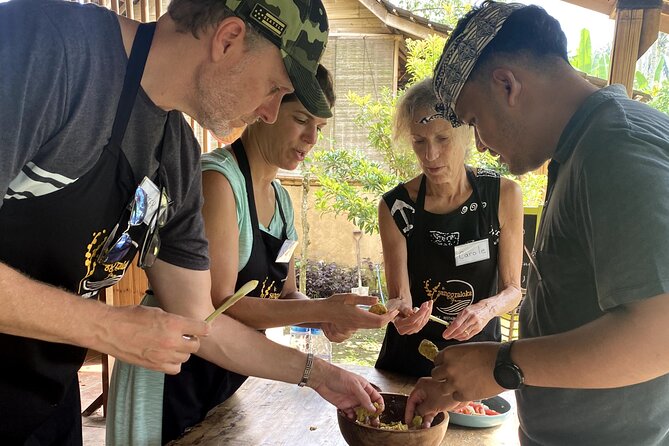
Most cooking classes teach recipes. This one teaches ingredients—specifically organic ones. That sounds abstract, but it changes the whole rhythm of the class. You’re not just copying steps. You’re learning why certain ingredients matter and what they do in Balinese food.
In practical terms, that means you’ll understand more than flavor. You’ll also learn the chef’s framing of ingredient “jobs,” like what gets used for taste, what gets used for texture, and how some ingredients tie into traditional uses. It’s the kind of knowledge that helps you cook again later, even if you’re not in Ubud with a chef beside you.
You can also read our reviews of more tours and experiences in Ubud.
Pickup in Ubud, Then Straight to a Family Farm
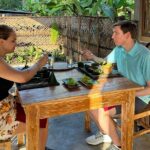
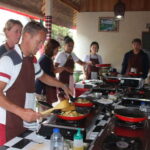
The day starts in Ubud with pickup offered from your accommodation, which matters more than people think. In Ubud traffic, saving time is the difference between relaxing and rushing. Once you’re collected, you head toward the farm.
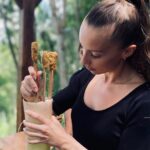
You’ll get a welcome drink before the cooking begins. Then the chef lays out what the class will cover and how the ingredients will connect to your dishes. That quick orientation helps you pay attention during the farm and garden segments, instead of feeling lost while everyone else knows what’s coming.
One nice detail from the experience style here: the driver and hosts tend to be genuinely proud of the family farm. That energy matters. You’re not being rushed through a tour—people treat it like a place that feeds their community and guests.
The Garden Kitchen: Where Ingredients Are Planted, Picked, and Used
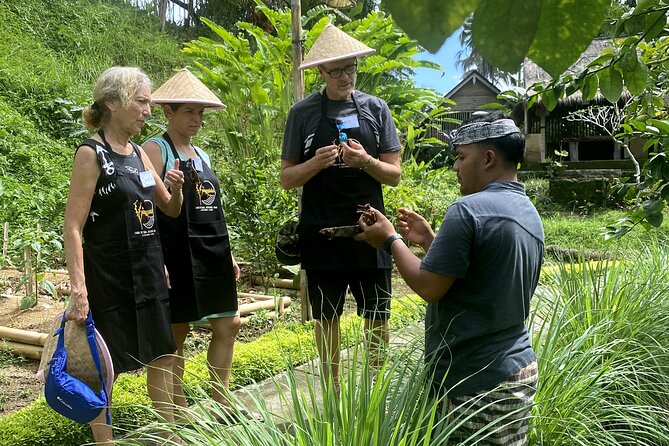
After pickup and welcome, you move to the garden area used for the class. This is where the experience starts to feel like a living system instead of a classroom.
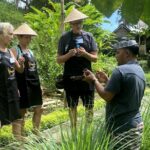
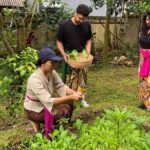
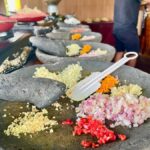
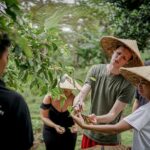
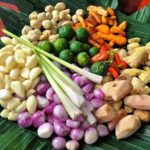
The garden is planted with several types of plants used as ingredients—spices or staples for cooking. You’ll watch and learn, and during harvesting time, you can directly pick the staples yourself. Then those staples get processed in the kitchen right away, so the whole thing feels tight and fresh rather than staged.
This is also where you learn how Balinese food ingredients work together. The chef introduces what the ingredients are, then explains their functions so you can understand the logic behind the dishes you’ll make.
Meet the Teacher: Learning Ingredient Functions the Balinese Way
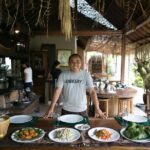
The teaching style is hands-on and practical. Ninek is one of the guides/teachers you may work with, and her instruction focuses on both identification and purpose. You don’t just get a list of ingredients. You learn why they’re there.
A memorable aspect of this class is that the chef instruction can include traditional context—like how ingredients may be used for medicinal purposes as well as cooking. Even if you’re not trying to treat anything, it helps you remember what each ingredient does because the explanation is personal and rooted in local practice.
You’ll also get guidance on preparation methods as you go, so you’re not waiting until the end to start learning. The class is built so the cooking steps make sense immediately.
Cooking with Mostly Manual Tools (and Why That’s a Good Thing)
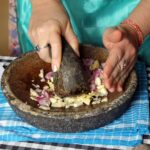
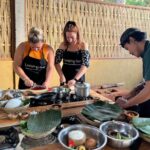
You’ll cook using tools that are almost all manual. That might sound like a “themed” detail, but it’s actually a value boost.
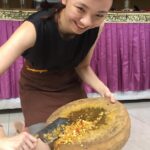
Manual tools slow you down in a good way. You notice textures, scents, and the difference between raw and prepared ingredients. You’re less likely to feel like you’re speed-running a recipe, and more likely to understand what the process is doing.
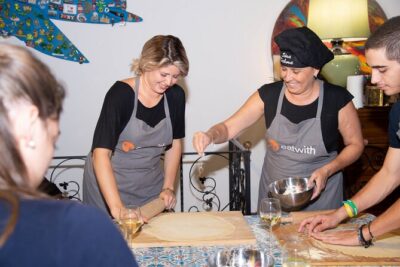
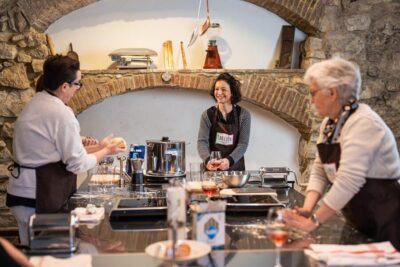
This also changes the fun factor. When the tools require your hands—mixing, grinding, prep work—you’re contributing, not just following. And because the group is small (up to 10 people), the chef can guide you if you’re unsure or want to try again.
Your Balinese Cooking Lesson: Several Dishes, One Flow
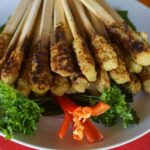
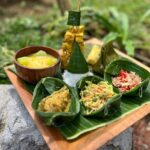
The class guides you through making Balinese dishes using the ingredients you learn about during the farm and garden portion. One day can include six different dishes you help create, though the exact menu can vary.
The key is the flow: ingredient learning first, then cooking with those same ingredients. That’s what makes it more than a standard “cook and eat” format.
You’ll typically move through stations or steps as the chef demonstrates and then coaches you. With this structure, it’s still realistic for beginners. You’re not expected to know Balinese cooking before you arrive—your job is to follow instruction, ask questions, and participate where you can.
Lunch with a Rice Terrace View: You Eat What You Make
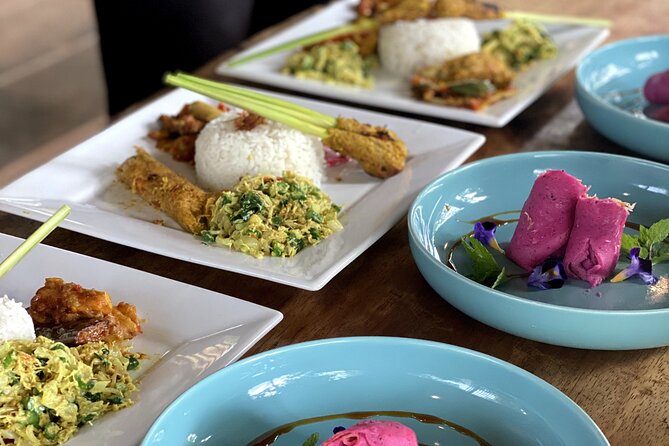
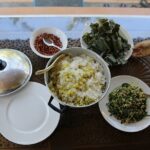
After cooking, you enjoy your original cooking lunch. This is the best part of any cooking class—no matter how good the lesson is, the meal is the proof.
One of the standout perks here is that you eat with a view that can include a rice terrace setting. Even when the focus stays on the food, the environment makes the lunch feel special rather than like a quick refill stop.
And because you cooked the dishes yourself, you’ll taste more carefully. You’ll pick up flavor differences you might miss on a restaurant plate. It’s a rare class where the meal feels like a result of learning, not just the end of the schedule.
Optional Swing and Natural Waterfall Time
There can be optional add-ons during the experience, like a swing and a natural waterfall. These depend on the day and conditions, but it’s a nice way to turn the morning into a more complete Ubud-style outing.
If you’re the type who likes a bit of fun between food steps, these extras fit well. If you prefer a straight cooking experience with minimal distractions, you can treat them as optional and focus on the class.
Either way, keep expectations flexible. Outdoor options tend to shift based on weather and timing.
Price and Value: What $47 Buys You in Ubud
At $47 per person for about 4 hours, this is priced in the mid-range for cooking classes—but the value comes from what’s included.
You’re not only learning recipes. You’re getting:
- Pickup to and from your accommodation
- A farm-to-garden experience centered on organic ingredients
- A welcome drink
- Instruction from the chef/teacher during cooking
- A meal: you eat what you cook
- Small group attention (max 10)
If you’ve done cooking classes where ingredients feel generic or already-prepared, this one tends to feel more grounded. The ingredient harvesting and immediate use in the kitchen gives you a stronger story to take home—and better confidence cooking later because you learned the ingredients’ roles.
Also, the manual tools piece isn’t just “cute.” It adds time and effort, which usually means more learning and more interaction.
Who This Class Is Best For (and Who Might Prefer Something Else)
This organic Balinese cooking class suits you if:
- You want hands-on learning, not a quick demo
- You’re curious about how local ingredients connect to Balinese dishes
- You like working with your hands and using manual cooking tools
- You want a Ubud morning that combines food with a real farm/garden visit
It might be less ideal if you’re dealing with mobility limits that make outdoor harvesting and garden walking uncomfortable. The class is not described as extreme, but it does involve being around farm and garden spaces.
Also, if you dislike outdoor activities in rain, treat the weather factor seriously. The experience requires good weather, and that can affect how outdoor portions run.
Practical Tips Before You Go
A few common-sense moves will help you get the most from the class:
- Wear clothes that can get a little dusty if you’re harvesting or working near plants
- Bring sunscreen and a hat, since outdoor time is part of the experience
- If you’re sensitive to heat, plan to hydrate before pickup so you’re comfortable once you arrive
- Keep your questions ready for the chef—this class is built on ingredient purpose
Should You Book This Organic Balinese Cooking Class?
I’d book this if you want a cooking class with substance: organic ingredients, farm harvesting, and a chef-led explanation of how and why the ingredients work. The small group size and manual tool approach make it feel personal, not mass-produced.
Skip it only if you strongly prefer indoor-only activities, or if you’re unlikely to enjoy outdoor garden/farm time. With good weather, this is exactly the kind of Ubud experience that gives you both a great meal and real learning you can use again.
FAQ
How much does the organic Balinese cooking class cost?
The price is $47.00 per person.
How long is the cooking class in Ubud?
The experience lasts about 4 hours.
Is pickup from my accommodation included?
Yes, pickup is offered, and you’ll also be dropped off back to your accommodation at the end.
What happens during the class?
You’ll visit a farm, enjoy a welcome drink, learn from the chef, then go to the garden where you can harvest ingredients during harvesting time. You’ll cook Balinese dishes using mostly manual tools and then eat your lunch.
Are there optional activities like a swing or waterfall?
Optional activities can include a swing and a natural waterfall, depending on the day.
How big is the group?
The maximum group size is 10 travelers.
Do I need a printed ticket?
No. You’ll use a mobile ticket.
Is the experience weather-dependent?
Yes. The experience requires good weather. If it’s canceled due to poor weather, you’ll be offered a different date or a full refund.
When will I receive confirmation?
Confirmation is received at the time of booking.