REVIEW · ATHENS
Cooking Class in Athens: Learn the Art of Phyllo with Christina
Book on Viator →Operated by Traveling Spoon · Bookable on Viator
Phyllo gets easier when you learn by hand. Christina’s Athens kitchen is where centuries-old Greek pie know-how meets practical step-by-step teaching, and you’ll leave with from-scratch phyllo skills. I like that it’s a private class, so you go at your pace while Christina guides you through making spanakopita and plating up the meal.
One thing to plan for: if you add the optional market walk, Christina’s neighborhood is hilly, so you’ll want comfortable shoes and a little patience with short uphill stretches. Also, this is mainly a kitchen experience, not a touring-heavy Athens day.
In This Review
- Key Takeaways Before You Go
- Step Into Christina’s Athens Kitchen
- From Greek Coffee to Paper-Thin Phyllo
- Rolling and Layering Spanakopita Like a Pro
- Optional Market Tour: Ingredients, Stories, and Stops You’ll Remember
- The Shared Meal: More Than Just Spanakopita
- Recipes You Can Actually Use at Home
- Price and Value: Is $185 Worth It?
- Who Should Book This Class in Athens?
- Practical Stuff: Meeting Point, Timing, and What to Tell Them
- Should You Book Christina’s Phyllo Class?
- FAQ
- How long is the cooking class?
- Is this class private?
- Do I have to choose either lunch or dinner?
- Is there a vegetarian option?
- What language is the class offered in?
- Can I cancel for a full refund?
Key Takeaways Before You Go
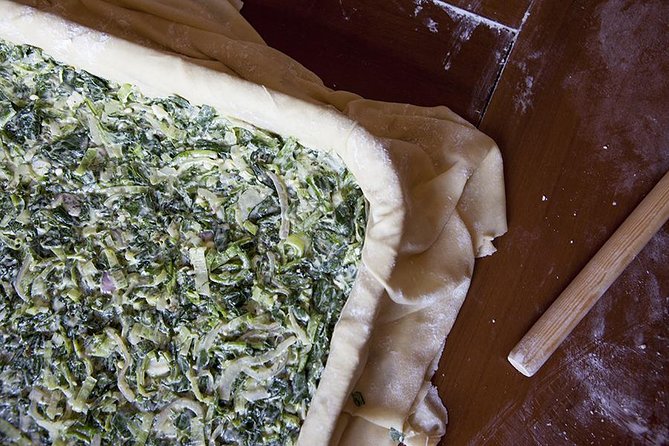
- Phyllo from flour and water: you’re taught the dough process, not just assembling a pie.
- Hands-on spanakopita technique: rolling thin sheets and layering for a light, flaky result.
- Optional market tour: you can shop with Christina for ingredients that shape your filling.
- Lunch or dinner timing: pick the session that fits your day better.
- You eat what you made: plus a broader spread of seasonal dishes and Greek drinks.
- Printed recipes to take home: handy if you want to recreate the crust and filling later.
Step Into Christina’s Athens Kitchen
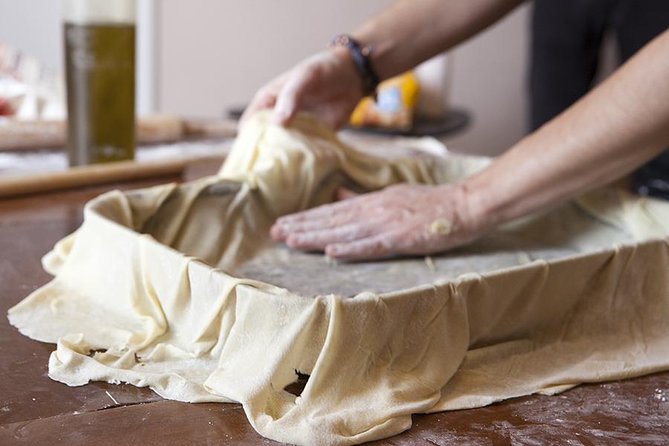
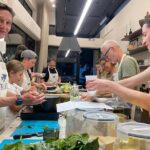
This experience is a private cooking class in Christina’s welcoming apartment kitchen in Athens. It’s the kind of setup where you’re not squeezed into a big group. That matters because phyllo is delicate work. When the dough is thin, small mistakes show fast. A smaller group helps you learn the technique instead of just copying steps.
Christina teaches in English, which keeps the focus on your hands and your questions. You also start the class with a traditional Greek coffee, so the morning or evening doesn’t feel like a rushed “class, cook, leave.” It feels like you’re being hosted.
Another detail I appreciate is the craft angle. This isn’t only about taste. Greek pie-making is tied to the Mediterranean tradition, and UNESCO-recognized Mediterranean eating culture is part of the story you’ll hear as you cook. You’ll understand why phyllo matters in Greek kitchens—and why it has a reputation for being both tricky and worth the effort.
Practical note: the meeting point is Vrioulon, Vironas 162 32, Greece, and the activity ends back there.
You can also read our reviews of more tours and experiences in Athens.


From Greek Coffee to Paper-Thin Phyllo
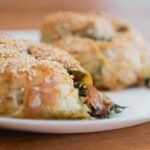
Your core lesson is about phyllo—paper-thin dough that becomes the backbone of Greek pies. The class starts with Christina walking you through fundamentals, beginning from basic ingredients like flour and water. That’s key for value: you learn the building blocks, so you’re not stuck if you want to cook again later.
You’ll then move into spanakopita. In plain terms, you’re making two big parts: the dough and the filling. Christina guides you through each step, including how to work the dough into thin sheets and how to handle it without tearing it up.
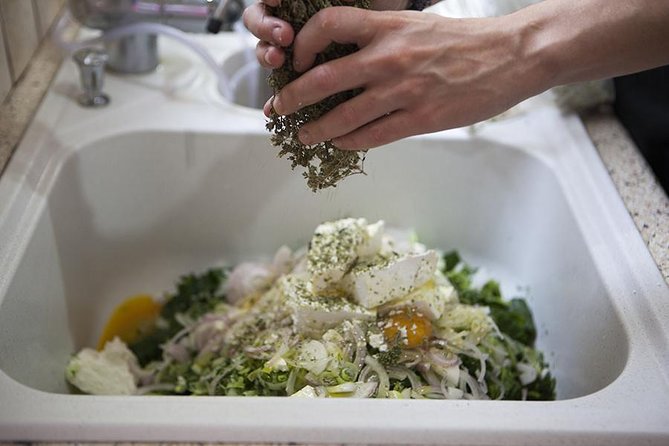
The filling uses seasonal greens and Greek cheeses. Depending on what’s available, you may see things like wild spinach and local greens paired with Greek cheeses. Christina also teaches you the logic behind the flavors—how the filling tastes balanced after it bakes, and how the dough layer contributes a light, flaky crust.
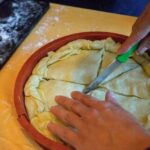
One very practical phyllo tip you’ll likely hear during the course is about moisture and crust success. In one shared spanakopita technique, the pie is sliced so moisture can escape, and the top can be sprinkled with water to help the crust behave well. If you try phyllo at home, this kind of “why it works” detail is gold.
Cooking time is about two hours, so you’ll do real work, not a quick demonstration. And because it’s private, Christina can slow down when the dough needs more attention.
Rolling and Layering Spanakopita Like a Pro
The moment you roll phyllo thin is where confidence starts. Rolling is not just a step—it’s the whole point of the class. Christina’s teaching style is hands-on, and she walks you through how the sheets should look and how to layer them so you get that airy, flaky texture rather than something thick or heavy.
You’ll also learn how to handle the delicate sheets on the table and in the pan. Phyllo dries quickly, so timing and light touch matter. You’ll see how Christina manages the process so the dough stays workable long enough for layering.
Filling assembly is also part of the learning. You’ll learn how to portion the greens and cheese so the pie bakes through without turning soggy. Since the lesson is built around a real spanakopita, you’ll understand the whole workflow from dough to oven-ready pie.
If you’re cooking with a partner or family, this is one of those experiences where everyone can contribute. Some tasks are more hands-on, like mixing and rolling. Others are timing-sensitive, like layering. Christina tends to assign tasks naturally, which helps people feel involved without chaos.
The payoff is that you’re not just eating spanakopita at the end—you’re building the skills that make it possible.
Optional Market Tour: Ingredients, Stories, and Stops You’ll Remember
If you want your Athens day to connect the cooking with the sourcing, choose the optional 1-hour walking market tour with Christina. It’s a great add-on because spanakopita is only as good as the greens, cheeses, and pantry staples that go into it.
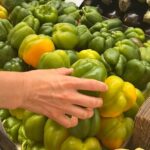
The tour is designed around food shopping. You’ll visit places like a cheesemonger, a deli, and a bakery tied to traditional Greek ingredients. This is where you start to learn the names of ingredients and what they’re used for—so you can shop smarter later.
One reason this option is worth considering: it gives context. When you’re back in the kitchen rolling dough, you’ll understand why Christina chose certain cheeses or greens. That makes the cooking feel less like following steps and more like learning a system.
Christina’s neighborhood is hilly, so comfortable shoes help. You’re also likely to spend time walking, so this option fits best if you’re okay with short uphill stretches.
During tastings, you might even get a stop that includes sampling Greek wines like retzina, depending on the route. That kind of ingredient story is exactly the sort of detail that makes the final meal feel connected to Athens, not generic.
The Shared Meal: More Than Just Spanakopita
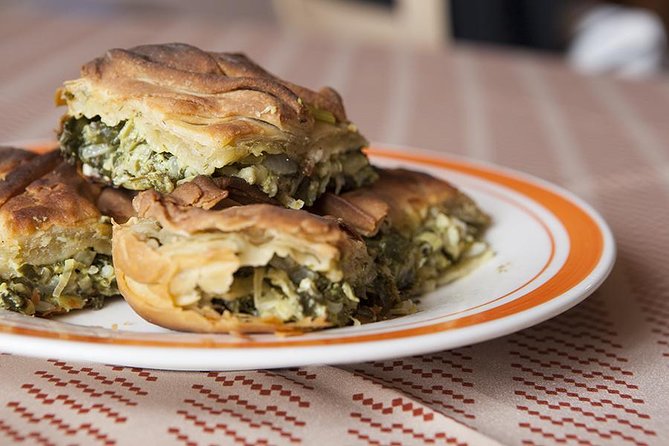
After the cooking time, you sit down to eat. The meal is shared, and it centers on the spanakopita you helped make. That matters because it turns your work into something real right away. You can compare how your dough layers baked with what you’re tasting.
You’ll also enjoy a broader spread of seasonal dishes Christina has prepared. The class includes Greek drinks such as tsipouro and wine, plus dessert.
The sample spread can include:
- Graviera with dried figs
- Bouyiourdi (baked feta with tomato and spicy peppers)
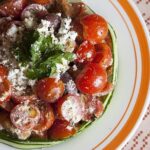
- Fakosalata (lentil salad with marinated anchovies, cherry tomatoes, and mint)
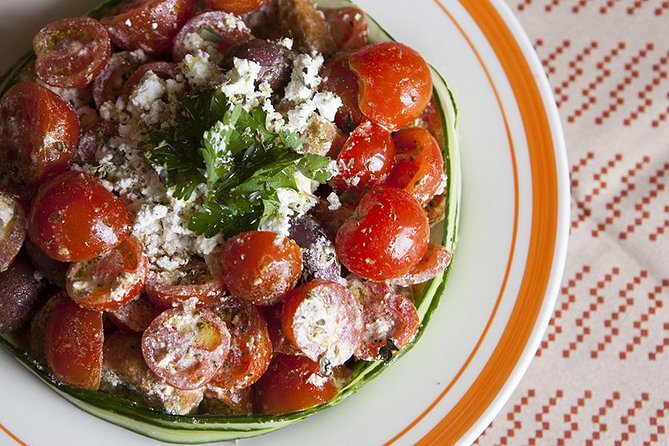
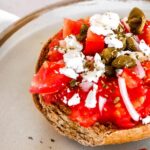
- Dakos (salad with rusks, tomatoes, olives, and katiki soft white cheese)
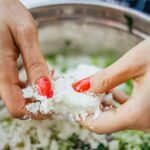
- Dolmades (stuffed vine leaves with rice and herbs)
- Main: Spanakopita (phyllo pie with wild greens and Greek cheese)
- Youvetsi (orzo with sausage and veggies)
- Dessert: Greek yogurt with homemade bergamot spoon sweet
In other parts of the experience, Christina may also prepare dishes like chicken cooked in the oven with eggplant and zucchini, depending on the day’s flow and what’s in season. The point: you’re getting an Athens table, not a single-plate dinner.
Dessert is especially memorable if you’re into Greek sweets. The bergamot spoon sweet with yogurt is a classic-feeling finish that’s sweet, fragrant, and different from what you’ll usually find outside Greece.
And yes, you’ll eat what you made, but you’ll also get the chance to taste what Christina cooks when she isn’t teaching—useful for learning.



Recipes You Can Actually Use at Home
You won’t leave empty-handed. Christina provides printed recipes so you can recreate the experience later.
For me, the real value here is that phyllo is technique-heavy. Recipes help, but technique notes help more. The printed materials give you a framework to repeat the steps: dough handling, filling balance, and how to approach layering for the right crust.
If you’ve ever tried a phyllo recipe from scratch and ended up with torn sheets or a pie that turned chewy instead of flaky, this is where you’ll feel the difference. You learned the process in context. That makes it much easier to troubleshoot when you cook at home.
Also, you’ll leave with more than ingredients. You’ll have a sense of pacing—what to do first, what can wait, and what must happen while the dough is still workable. That’s the kind of “invisible” learning that makes a cooking class worth paying for.
Price and Value: Is $185 Worth It?
At $185 per person for about 3 hours 30 minutes, you should look at what’s included—not just the headline cost.
This price covers:
- A private teaching format (your group only)
- Hands-on instruction through phyllo and spanakopita
- Greek coffee to start
- The main meal built around what you cook
- A broader spread of seasonal dishes
- Greek drinks like tsipouro and wine
- Dessert, including bergamot spoon sweet
- Printed recipes to take home
- English-language instruction
Cooking classes can be expensive when they’re mostly watch-and-eat. This one is more “learn and do.” You work through the dough process, handle phyllo sheets, and assemble the pie. That’s more labor, more teaching time, and more ingredients going into the session.
The private format is also a value factor. You’re not competing for attention. Christina can correct technique while you’re doing it, which is exactly what phyllo needs.
If you’re a true food person—or you want a “skills plus dinner” experience rather than a quick tasting—this is strong value. If you’re only looking for a light snack experience and you hate hands-on cooking, you may find it more work than you expected.
Who Should Book This Class in Athens?
This fits best if you:
- Love Greek food and want to understand the “how,” not just the “what”
- Enjoy practical cooking and don’t mind learning delicate technique
- Want a memorable Athens experience that feels personal and local
- Are traveling with a partner, friends, or a family member who gets excited by cooking
It also works well if you like the idea of pairing market shopping with cooking. That optional market walk adds meaning because you see the ingredients in a real Athens context before they end up in your pie.
You might skip it if:
- You want a full day of sightseeing instead of a hands-on workshop
- You’re not comfortable with the hilly walking involved in the market option
- You prefer restaurant-style dining only, without dough work and mess
One more note: there’s a vegetarian option available. If you have specific dietary requirements, you’ll need to advise Christina at booking so the class can adapt.
Practical Stuff: Meeting Point, Timing, and What to Tell Them
This experience meets at Vrioulon, Vironas 162 32, Greece, and it ends back at the same meeting point. It’s near public transportation, which helps if you don’t want to hunt for parking.
You can pick between lunch and dinner times. That makes planning easier, especially if you’re stacking this with other Athens sights. Cooking itself lasts about two hours, and then you’ll share the meal. If you choose the market tour option, expect your day to be a bit more active.
Bring comfortable shoes if you add the market walk. The neighborhood is hilly, and you’ll want something you can walk in without thinking about it.
Also, if you have allergies or dietary requirements beyond vegetarian, you’ll want to mention them when you book. Service animals are allowed, and the class is offered in English.
Should You Book Christina’s Phyllo Class?
I think it’s a yes for the right traveler. If you want a hands-on Athens cooking experience with real technique—phyllo from scratch—and you like eating what you made with Greek drinks and dessert, this class hits the sweet spot.
Book it if:
- You’re a foodie who wants skills you can repeat
- You want a private, patient teacher in a home-style setting
- You’re open to learning the tricky parts so your spanakopita tastes right
Skip it if you only want a casual meal or you don’t want to do dough work. Also, if mobility is a concern and you’re considering the market add-on, factor in the hilliness.
If you’re still deciding, choose the session time that matches your energy. A dinner class can feel extra fun because the cooking leads right into a relaxed Greek meal.
FAQ
How long is the cooking class?
The cooking class runs for about 3 hours 30 minutes. The cooking portion itself lasts about two hours, followed by a shared meal.
Is this class private?
Yes. It’s a private tour/activity, so only your group participates.
Do I have to choose either lunch or dinner?
Yes. You can pick between lunch or dinner times to match your schedule.
Is there a vegetarian option?
A vegetarian option is available. You’ll want to advise any dietary requirements at the time of booking.
What language is the class offered in?
The class is offered in English.
Can I cancel for a full refund?
Yes. You can cancel for a full refund up to 24 hours in advance of the experience start time. Free cancellation applies.