REVIEW · HONG KONG SAR
Hong Kong Market Walking Tour & Chinese Cooking Class
Book on Viator →Operated by Pots n Pans Cooking Studio Limited · Bookable on Viator
Wet markets have a way of turning a food trip into a story. This Hong Kong market walking tour plus Chinese cooking class takes you from Ngau Tau Kok ingredient hunting to making a 3-course meal in a hands-on kitchen. You also get to choose a morning or afternoon start, so it fits how you actually travel.
I love that the day mixes two skills: you learn what to buy and how to cook it, not just what to eat. I also like that you work in pairs and eat what you make, with dessert plus tea or coffee included.
One thing to plan around: this experience needs good weather since it includes a walking market portion. Comfortable shoes are a must, and you’ll want to build in a bit of time for the walking before you start cooking.
In This Review
- Key things to know before you go
- Where the tour starts: Ngau Tau Kok wet markets
- The ingredient shopping that actually pays off
- Cooking time: a 3-course class in a real working studio
- What you eat: lunch or dinner plus dessert and drinks
- How the guide turns cooking into culture (not just instructions)
- Morning vs. afternoon: choosing the right departure for your day
- Dietary needs and customization: what you should expect
- Price and value: what $131.25 covers
- Small-group dynamics: when it feels personal
- What to bring (and what not to worry about)
- Weather, comfort, and pacing you should plan for
- Who this tour suits best
- Should you book Hong Kong Market Walking Tour & Chinese Cooking Class?
- FAQ
- Where does the tour start and end?
- How long is the experience?
- What does the cooking class include?
- Do I need to cook with other people?
- What should I wear?
- Are alcoholic drinks included?
- Does the experience depend on weather?
Key things to know before you go
- Ngau Tau Kok market shopping first so you see real stalls, not just pictures
- A 3-course Chinese cooking class with guidance as you cook in pairs
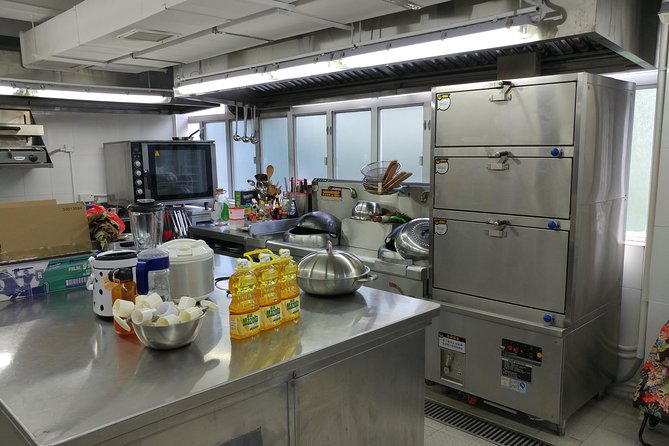
- Pots n Pans Cooking Studio setup geared for hands-on work
- Recipes tailored for home cooking so the dishes don’t vanish after the tour
- Dietary needs can be handled with customization options discussed during the class
- Private, small-group feel with only your party participating
Where the tour starts: Ngau Tau Kok wet markets
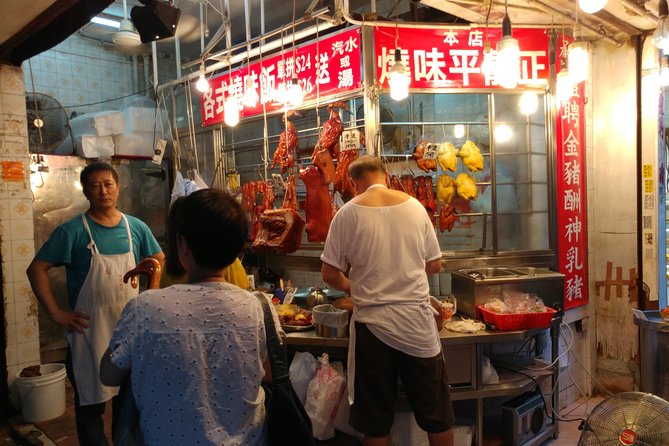
You’ll begin in Ngau Tau Kok, Hong Kong, right at the start point of the tour. From there, you’ll walk with your guide through the local wet market area, where you can actually see the ingredients Hong Kong cooks build on day to day.
This part matters because it’s not just sightseeing. The guide introduces the traditional shops that sell things like Chinese BBQ and noodles, plus the broader produce and seafood you’ll spot at market stalls. You’re learning the logic behind the choices: what’s fresh, what looks right for a recipe, and how Chinese pantry basics show up in everyday meals.
The market walk also sets the tone socially. You’ll move through narrow lanes of stalls with an easy pace, and your guide’s storytelling gives you context for what you’re seeing. In particular, the guides share how Hong Kong’s food scene and neighborhoods have shifted over the last couple decades, which helps the market feel less like a tourist stop and more like a living neighborhood economy.
Practical note: bring a curious mindset. If you’re the type who usually just scans menus, this is your chance to notice things like cuts, textures, and how vendors display ingredients.
The ingredient shopping that actually pays off
After you get your bearings, you’ll shop for fresh ingredients for the class. This is one of the best value parts of the experience because you’re not paying to hear cooking theory. You’re paying to connect the market to your meal.
You’ll see a range of items on display, including seafood, meats, vegetables, and exotic fruits from Hong Kong and beyond. That matters because Chinese cooking uses a wide ingredient range, and recipes can change depending on what looks good that day. By shopping together, you also learn what substitutions make sense when you’re back home.
You also get a clearer picture of how Chinese cooking isn’t one single style. Market shopping shows you the ingredients behind different regional flavors and common restaurant techniques, which helps you understand why the final dishes taste the way they do.
Cooking time: a 3-course class in a real working studio
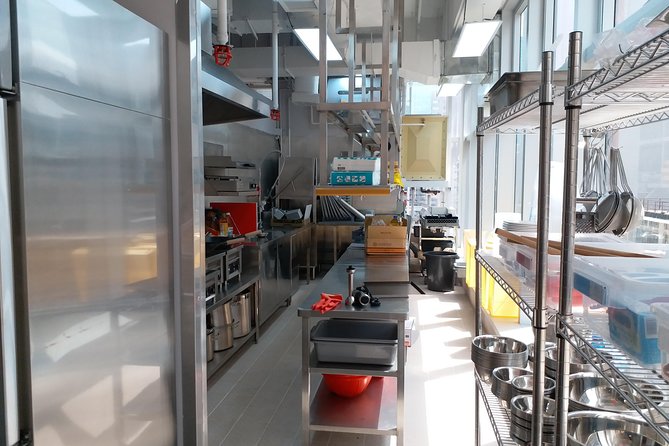
Once you’ve got your ingredients, you head to the cooking studio—Pots n Pans Cooking Studio Limited—where the teaching shifts from street-level context to hands-on technique.
The class is built around a 3-course Chinese meal, and you’ll cook in pairs. That detail is more important than it sounds. Pair cooking lowers the pressure if you’re a beginner, and it makes it easier to stay engaged because there’s always something happening at your station.
What you’ll do in the kitchen is practical. The instructors guide you through cooking methods and recipes with an eye toward what you can reproduce later. You’re not just assembling a plate; you’re learning how to handle ingredients, manage timing, and combine flavors in a way that matches Chinese dining style.
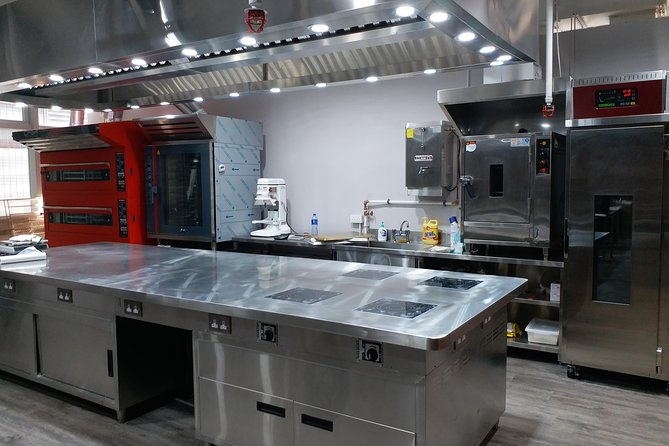
A big plus here is the studio setup. The space feels like a pro kitchen, with everything arranged so you can actually cook rather than hover and watch. Reviews also point to the studio being immaculate, which means you can focus on the food instead of thinking about the equipment.
What you eat: lunch or dinner plus dessert and drinks
When the cooking wraps, you’ll enjoy the meal you made. It’s served as lunch or dinner depending on your departure time, and it’s accompanied by a complementary dessert plus tea or coffee.
Also included: water, tea, and coffee during the class. Alcoholic drinks are not included, but you can purchase them on site.
This meal setup is a real quality-of-life upgrade. Many cooking classes stop at tasting, but here you eat your full work. That means you leave full, and you get a better sense of portion, texture, and final flavor balance—not just a bite-sized demo.
And if you’re someone who likes to experiment later, paying attention during the sit-down portion helps you remember what you did and why it worked.
How the guide turns cooking into culture (not just instructions)
A lot of cooking classes teach recipes. This one also gives you Hong Kong context, which is why the guide’s role matters.
Your guide—named Bill Chan in the experience notes—helps connect the dots between market stalls and the plates you’re making. He shares details about Hong Kong culture and history, including changes over the past 20 years, and he also explains how markets function and how that links to what people cook and buy.
I like this approach because it keeps the experience from becoming a checklist. You’re not only learning what goes into dishes; you’re learning how Hong Kong daily life shapes those dishes.
If you ask questions, the format leaves room for it, and the pacing is friendly rather than rushed. That’s especially helpful if your group includes people with different cooking comfort levels.
Morning vs. afternoon: choosing the right departure for your day
You can choose either a morning or afternoon departure, and that choice affects how smoothly the rest of your day fits.
If you take the morning option, you’re likely starting the market walk earlier, then transitioning into the kitchen and finishing with your lunch. That can be ideal if you want the class to anchor the day and keep dinner plans simpler.
If you take the afternoon option, you’ll still go market-first, but your meal becomes dinner. This can be great if you want a lighter first half of the day and then a full cooking-and-eating block later.
Either way, you’ll return to the meeting point at the end. So you’re not stuck figuring out how to get home after your last bite.
Dietary needs and customization: what you should expect
Hong Kong cooking can feel intimidating if you assume it’s only one style of flavor. The good news is that the class can be customised for dietary requirements. If you need specific adjustments, the guide can offer options and guidance during the cooking process.
Also, expect help with flavor direction. The experience notes include examples of expert opinions for flavor combinations that work well. That means you’re not just following a recipe—you’re learning how to adjust for taste.
If you have a strict allergy or multiple dietary restrictions, it’s smart to communicate those clearly when you’re there, since the class is hands-on and ingredient-based.
Price and value: what $131.25 covers
At $131.25 per person, this tour sits in the middle of the market for Hong Kong food experiences. The value comes from what’s included:
- A guided walk through a local wet market with shopping support
- Ingredients for the cooking class
- A hands-on 3-course cooking session in a real studio
- Your meal (lunch or dinner) plus dessert
- Tea or coffee and water during class
If you were to book separate activities—like a market tour plus a cooking class with meal—prices often stack up quickly. Here, the fee also buys the teaching time and the ingredients, which is the expensive part of many cooking experiences.
The private feel matters too. It’s described as a private activity where only your group participates, and that usually means you get more attention per person than you would in a large mixed group.
Bottom line: the price makes sense if you want more than eating. If you want skills you can repeat at home, this is the kind of class where that goal actually fits the structure.
Small-group dynamics: when it feels personal
This experience is designed for a small group, with only your group participating. In practice, that usually means fewer people competing for attention and space in the kitchen.
Cooking in pairs also helps. Even if you’re not confident, you’re not doing everything alone. If you are confident, you get a partner to help you move through steps faster while still learning what matters.
The walk portion benefits from the group size too. A wet market is sensory-heavy, and smaller groups make it easier to ask questions, spot details, and keep moving at a pace that doesn’t leave half the group behind.
What to bring (and what not to worry about)
You don’t need fancy gear. The key items are simple:
- Comfortable walking shoes (the market walk is real walking)
- A healthy appetite (you eat what you cook)
- Wear clothes you feel good moving in, since it’s a walking-based start
You can also keep expectations realistic: this is not a sit-down food tasting where everything is handed to you. You’re shopping and cooking, which means you’ll likely be more involved than you expected—in a good way.
If you’re planning photos, think about the studio too. You’ll have a better chance for clear shots during cooking and serving than you will in crowded stall lanes.
Weather, comfort, and pacing you should plan for
The experience is listed as requiring good weather. That means your best plan is to choose a day when Hong Kong’s forecast looks stable, especially if you’re taking an afternoon departure and you’ve got other plans nearby.
Pacing-wise, it flows from market walk to studio cooking without long gaps. Your time is mostly in two places: the market and the kitchen. That’s part of the appeal—less time waiting, more time doing.
Who this tour suits best
I think this works especially well for:
- Food lovers who want hands-on skills, not just tastings
- People who like learning the why behind food choices, through market context
- Travelers who want a structured experience but still enjoy asking questions
- Couples and small groups who can cook in pairs and share the workflow
If you’re only interested in quick street snacks and don’t want to cook, you might find it too hands-on. But if you want to leave with recipes and technique—plus a full meal—you’re in the right place.
Should you book Hong Kong Market Walking Tour & Chinese Cooking Class?
Yes, if you want a Hong Kong experience that connects market shopping to real cooking. The combination of the Ngau Tau Kok wet market walk, a hands-on 3-course class in a well-equipped studio, and the fact that you eat what you cook makes this feel like a complete food day, not two unrelated activities.
I’d skip it only if weather worries you a lot or if you’re looking for a low-effort activity. Otherwise, this is a strong pick for travelers who like authentic local food culture and want a practical souvenir: skills you can use at home.
FAQ
Where does the tour start and end?
The tour starts in Ngau Tau Kok, Hong Kong, and it ends back at the meeting point.
How long is the experience?
It lasts about 4 hours 30 minutes.
What does the cooking class include?
You’ll take part in a hands-on 3-course Chinese cooking class, using fresh ingredients you shop for, and then you’ll eat your dishes for lunch or dinner. Dessert and tea or coffee are included.
Do I need to cook with other people?
Yes. You’ll cook in pairs, and the experience is described as a small-group activity with only your group participating.
What should I wear?
Wear comfortable walking shoes since there’s a walking tour of the wet market.
Are alcoholic drinks included?
No. Alcoholic drinks are not included, though they may be available to purchase.
Does the experience depend on weather?
Yes. The experience requires good weather. If it’s canceled due to poor weather, you’ll be offered a different date or a full refund.