REVIEW · OSAKA
【Private】Sushi Making Osaka! Omakase Cooking Class in Japan!
Book on Viator →Operated by Sushi Making Tokyo | Cooking Class in Japan · Bookable on Viator
Your chopsticks get a workout in Osaka. This private sushi-making class blends sushi history with real practice for two styles of sushi: nigiri and maki. I especially like that the instruction is delivered in clear English with a calm, step-by-step feel, so you’re shaping rice and topping sushi, not just watching.
I also like the way the class handles meal needs with several preset choices, including gluten-free, vegan/vegetarian, halal, and an allergy option that avoids meat, nuts, fruits, and dairy. One thing to plan for: there’s no hotel pickup, and menu changes need to be arranged ahead of time since the team can’t respond on the day and won’t take custom ingredient requests.
In This Review
- Key highlights you’ll actually care about
- Why a private sushi class in Osaka is a smart use of time
- The 90-minute rhythm: history first, then make nigiri and roll maki
- Nigiri vs. maki: two styles, two skill sets
- Nigiri: the top + the rice shape
- Maki: rolling for shape and sliceable results
- The instructors: clear English and a patient teaching style
- Dietary options without last-minute chaos
- What you actually get to eat (and why that’s the point)
- Value and pricing: what $848.74 means for your group
- Location in Higashishinsaibashi: easy before and after
- Who this class fits best
- Should you book this sushi-making class in Osaka?
- FAQ
- How long is the sushi making class?
- What types of sushi will I learn?
- Is this a private experience?
- Is an English-speaking instructor provided?
- What’s included in the price?
- Are dietary changes possible?
Key highlights you’ll actually care about
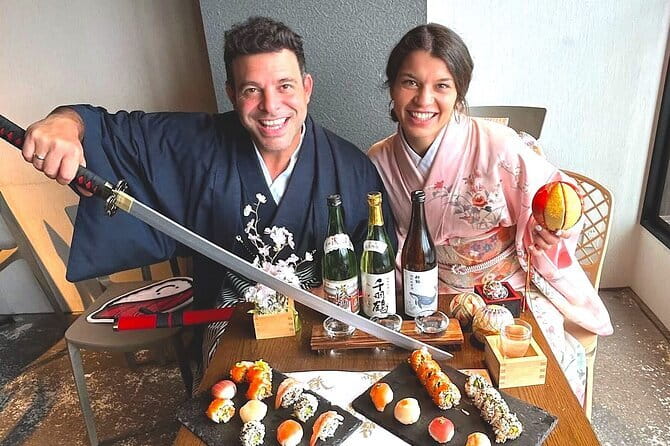
- Two sushi types in one session: you learn nigiri and maki and get to eat what you make
- A focused 90-minute flow: history plus practice first, then a meal at the end
- Clear English teaching: instructors and staff communicate smoothly, with a patient vibe
- Dietary options available: gluten-free, vegan/vegetarian, halal, and a defined allergy-friendly format
- Central Osaka meeting point: you’re in a very easy-to-explore area after class
- Private group format: it’s just your group for the session
Why a private sushi class in Osaka is a smart use of time
Osaka is famous for food, but this kind of class turns that food curiosity into a skill. In 90 minutes, you’re not just learning what sushi is supposed to taste like; you’re practicing what makes it sushi in the first place. And because it’s private, you’re not trying to squeeze into a crowded schedule or share tools with strangers.
The meeting point is in the heart of Higashishinsaibashi (Chuo Ward), an area that’s convenient for walking and hopping into nearby sights after your class. That matters because a lot of cooking classes end and you’re stuck thinking, now what? Here, you can roll straight into an afternoon of exploring Osaka without losing momentum.
Do note the practical limitation: there’s no hotel pickup. That isn’t a deal-breaker, but it does mean you’ll want to plan your train/walk route ahead and arrive on time.
You can also read our reviews of more tours and experiences in Osaka.

The 90-minute rhythm: history first, then make nigiri and roll maki
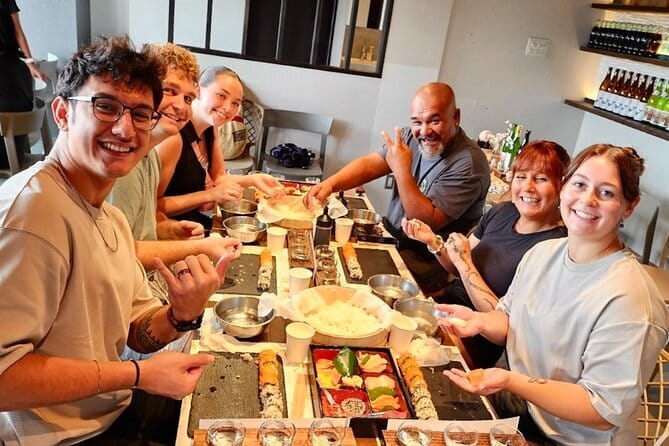
The class runs about 1 hour 30 minutes, and the pacing is simple. During the first half, you learn a bit about sushi’s background and you start making your sushi. During the last half, you eat what you made.
That structure is great for two reasons. First, sushi can feel mysterious when you see it on a counter. A short history segment helps you understand why certain things are done the way they are. Second, you get immediate hands-on practice rather than waiting until the end.
Here’s what that typically means for you in real time:
- You’ll start with an overview that connects sushi to Japanese food culture, so the techniques have a “why.”
- You’ll then move into shaping nigiri and assembling maki. The class includes both, so you’re learning two different forms, not just one.
- You make as many pieces as you like in the cooking portion, then the class shifts into eating.
One more plus: people mention the food quality and a pleasant room setup, including a noted view. You can’t always count on that in every class, but it’s a good sign that the space is designed to feel comfortable, not like a rushed lesson.
Nigiri vs. maki: two styles, two skill sets
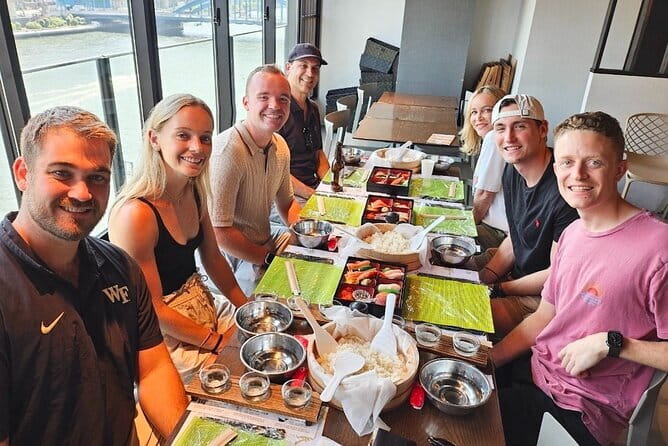
Even if sushi looks simple, nigiri and maki ask for different hands and different thinking.
Nigiri: the top + the rice shape
Nigiri is the classic, standard style and the origin style in Japan. In a hands-on class, the key learning is how rice is handled and how the topping sits on it. You’re not just copying a photo. You’re practicing the form so it holds together and eats the way it’s meant to.
If you’ve ever wondered why good nigiri looks tidy and feels balanced in your mouth, this is where that comes from. It’s mostly technique—especially with rice consistency and how you form pieces so they’re not flimsy or oversized.
Maki: rolling for shape and sliceable results
Maki is the roll style popular worldwide. It’s also a great choice for beginners because you can see your progress quickly: you assemble, roll, and then your end result is immediately visible.
The challenge is making it neat enough to slice cleanly and consistent enough that every bite feels similar. In class, you’ll get shown how ingredients get arranged and how the roll is formed so it doesn’t fall apart when you cut it.
Learning both styles within one session is a big value. Nigiri teaches you the “rice and balance” idea. Maki teaches you “assembly and roll control.” Together, you leave with a broader toolkit than if you only learned one.
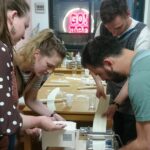
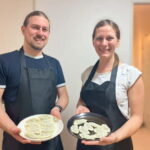
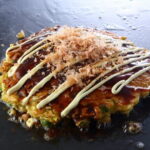
The instructors: clear English and a patient teaching style
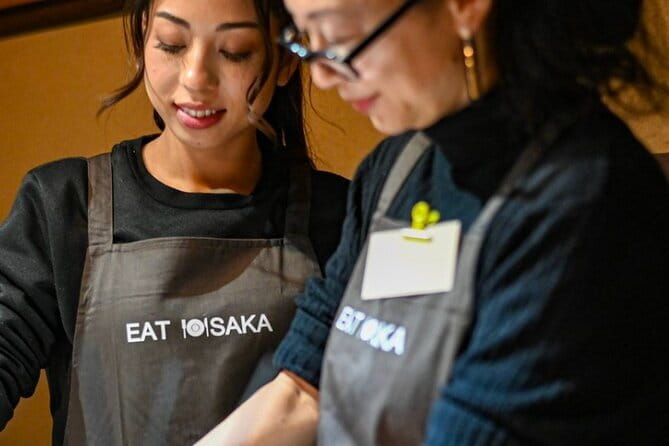
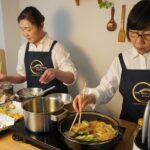
A cooking class succeeds or fails on communication and calm. This one has a staff team led by instructors who speak English clearly, with a friendly, enthusiastic approach.
In particular, instructors and team members mentioned include Momoka plus staff referred to as Momo and Hiro. The recurring theme is that the teaching feels both organized and fun—dynamic enough to keep your energy up, but patient enough that you don’t feel rushed when your first try isn’t perfect.
That matters because sushi making can be strangely precise. Even if the ingredients are familiar, the technique isn’t. If the instructor is good at adjusting to different comfort levels, you get to learn without turning it into a stress test.
If you’re traveling with mixed cooking comfort—someone who loves food prep and someone who’s never chopped anything—this kind of teaching style is exactly what you want.
Dietary options without last-minute chaos
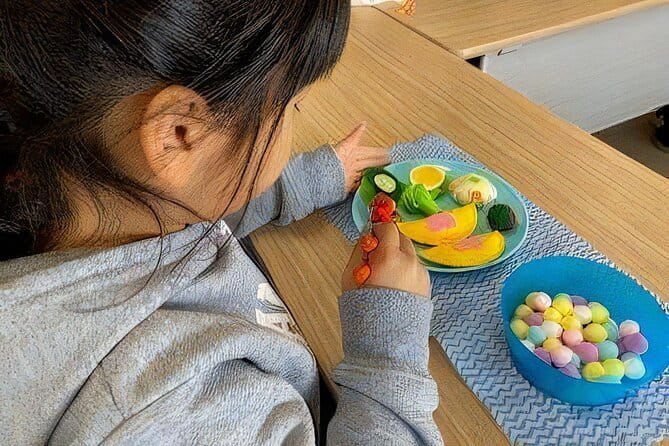
Food is the main event here, and the menu is designed with multiple options in mind. When you book, you can choose among:
- Standard (gluten-free)
- Vegan/vegetarian
- Halal
- Allergy format, with the note that meat, nuts, fruits, and dairy are not used
There are two important limitations to remember. First, you need to request changes during the reservation process. The team can’t respond on the day. Second, they do not accept ingredient specifications—so you can’t treat this like a custom order where you name any ingredient and expect it to be swapped.
So the smart move is simple: pick one of the listed menu categories that matches your needs as closely as possible before you arrive. That’s the best way to avoid surprises and keep the class flow moving.
What you actually get to eat (and why that’s the point)
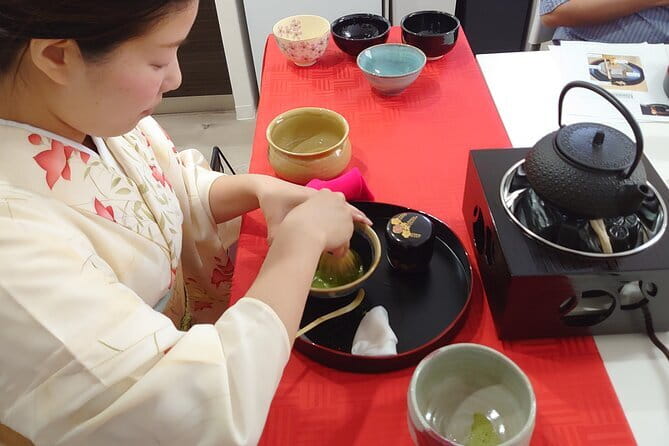
A lot of classes are “hands-on” until the final minutes, and then you get a small bite. Here, the structure is built around eating what you make in the second half.
In practical terms, that means:
- You’ll produce both nigiri and maki during the cooking portion
- The class wraps by turning those pieces into your meal
- You get to eat immediately, which helps you connect technique to taste right away
That instant feedback is what turns a fun activity into a real memory. If a roll comes out too loose or the rice feels too tight, you’ll notice when you eat it. If your nigiri holds together well, you’ll understand why the form matters.
Even better, because the class is designed around practice, you’re not leaving with a bag of ingredients and instructions you’ll never use. You leave with an edible result and a skill you can repeat later.
Value and pricing: what $848.74 means for your group
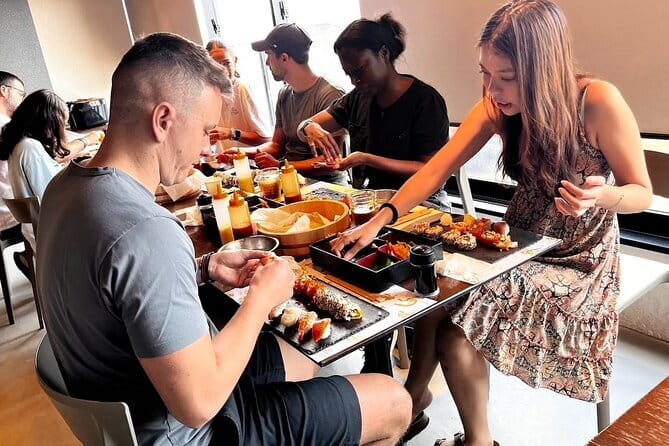
The price is $848.74 per group for up to 10 people, and the class runs about 1 hour 30 minutes. That’s not cheap if you’re thinking per-person. But since it’s priced for a group, it can be a strong deal when you’re traveling with friends or family.
Here’s the rough math to help you judge value:
- If you book a full group of 10, it’s about $85 per person.
- If your group is smaller, the per-person cost rises since the price is still per group.
What makes it feel more “worth it” is what you’re buying: an English-speaking instructor, ingredients for the session, and the fact that you eat the sushi you make. In a city where a single meal can easily run high, the combo of instruction plus a full class meal can make sense—especially if you want something more interactive than another restaurant dinner.
Also, private time usually means fewer distractions. If you’re traveling with kids, older relatives, or anyone who needs clear pacing, that can add real value beyond the simple price.
Location in Higashishinsaibashi: easy before and after
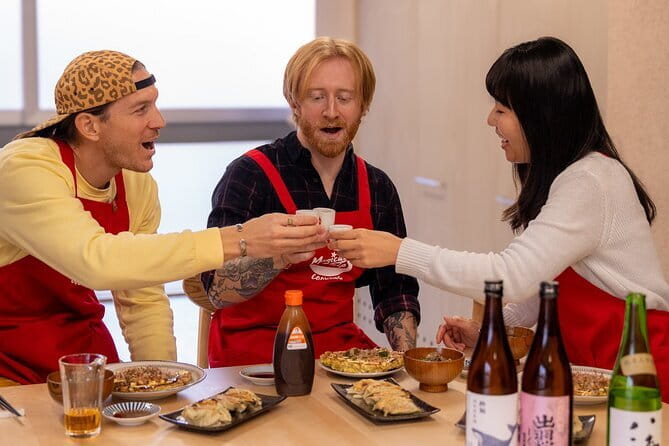
The meeting point is at Sushi Making Osaka, located at 1-chōme-16-20 Higashishinsaibashi, Chuo Ward. It’s in a central area of Osaka, which is exactly what you want for short experiences.
You’ll likely enjoy this pairing of timing and geography:
- Go to the class, learn and eat
- Then step out into a neighborhood that’s built for walking, shopping, and food hunting
The class is also described as being near public transportation, which matters because you’re not relying on a hotel shuttle or taxiing everywhere.
One caution: since there’s no hotel pickup, build a little buffer into your schedule. Osaka is manageable, but you don’t want to be sprinting to a lesson that’s only 90 minutes.
Who this class fits best
This sushi-making class is a great match if you want:
- A hands-on food experience in a short time window
- Learning that includes both sushi forms, nigiri and maki
- Instruction in clear English with patient guidance
- A structured meal experience (make first, eat last)
It’s especially worth considering if you’re the type who likes to understand food craft. You’ll get sushi history context plus technique practice, and you can use that confidence later when you order sushi in restaurants.
If you’re purely chasing a low-effort activity, this isn’t that. You’ll be making sushi. If you don’t want to touch food or handle rice and rolling materials, a meal-focused tour might feel easier.
Should you book this sushi-making class in Osaka?
I’d book it if you want a short, skill-based experience in central Osaka that results in a meal you made yourself. The biggest strengths are the English instruction, the hands-on flow for both nigiri and maki, and the fact that you eat what you make instead of getting a token taste.
I would hesitate only if you strongly rely on hotel pickup or if you need very specific ingredient swaps that don’t fit the listed menu categories. In that case, plan ahead and choose the appropriate standard option when booking.
If your group includes people with dietary needs, this class is often the kind of setup that works, since it offers multiple preset formats. Just don’t wait until the day of to sort it out.
FAQ
How long is the sushi making class?
The class runs about 1 hour 30 minutes (approximately).
What types of sushi will I learn?
You learn how to make two types of sushi: nigiri sushi and maki sushi (roll sushi).
Is this a private experience?
Yes. This is a private tour/activity, and only your group participates.
Is an English-speaking instructor provided?
Yes. The class includes an English speaking instructor.
What’s included in the price?
The class includes the ingredients of the cooking class and the meal. It also includes the instructor.
Are dietary changes possible?
Dietary options include Standard (gluten-free), Vegan/vegetarian, Halal, and an Allergy option where meat, nuts, fruits, and dairy are not used. You need to contact the team when you make a reservation, and they can’t respond on the day. They also do not accept ingredient specifications.