REVIEW · ARUSHA
Arusha: Traditional Tanzania Cooking Class & Food Market Tour
Book on Viator →Operated by Tanzania Songbirds Safaris · Bookable on Viator
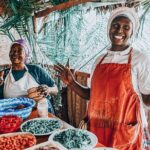
Market-to-pot in Arusha beats restaurant cooking every time. I love starting with the central food market, because it turns your shopping into a story you can smell and see. I also love that the cooking happens in a local kitchen, not a show kitchen, so you learn how food is actually made day to day in Tanzania.
One catch to plan for: the cooking setup can feel basic. You should expect charcoal burners, a low table, and simple tools, not countertops and fancy appliances.
In This Review
- Key Highlights You Should Know Before You Go
- Why This Arusha Market-to-Cooking Flow Works
- Central Food Market: 30 Minutes of Real Food Shopping
- Sanawari Transfer: Using Common Transport Like a Local
- Cooking Class in a Local Kitchen (Yes, It’s Basic)
- What You Can Expect to Cook and Eat
- Guides You Might Meet: Expect Friendly, Practical Storytelling
- Pickup, Timing, and How Not to Rush Yourself
- Price and Value: Is $42 Really Fair?
- What to Bring (So the Day Feels Easy)
- Who This Tour Suits Best (And Who Might Want to Skip It)
- Should You Book This Arusha Cooking Class and Food Market Tour?
- FAQ
- FAQ
- How long is the Arusha traditional cooking class and food market tour?
- What does the price include?
- Are pickup and drop-off offered?
- Do I get a mobile ticket?
- Will I eat what I cook?
- Are drinks included?
- Are spices included in the tour price?
- Where does the cooking class take place?
- What if weather is bad?
- How big is the group?
Key Highlights You Should Know Before You Go
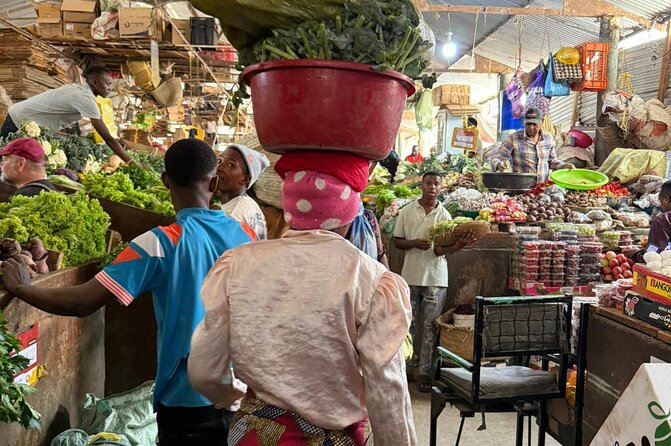
- Central food market first: Shop with your guide, learn what locals buy, and understand how ingredients fit into everyday meals.
- Choose 2 dishes for your class: You pick from options discussed during the market portion, so your meal matches your taste.
- Sanawari public transport ride: You’ll use common local transport between areas, which makes the trip feel real, not staged.
- Cook where locals cook: You’ll cook in a traditional kitchen setup, designed for hands-on experience rather than comfort.
- Lunch or dinner included: After cooking, you eat what you made, with meals included for everyone on the tour.
- Small extras to expect: Drinks aren’t included, and spices from the market may not be covered.
Why This Arusha Market-to-Cooking Flow Works
This tour works because it treats food as a chain, not a single moment. You start by seeing ingredients in the places locals shop, then you move straight into cooking, guided by a local chef and someone who can explain what you’re looking at.
The price also makes sense for what you get. At $42 for about 4 hours, you’re paying for three parts at once: a guided market visit, ingredient shopping support, and a cooking lesson that ends with you eating the meal. It’s not just “watch someone cook,” and it’s not just a market walk where you leave hungry.
If you want to taste Tanzania through daily routines, this is a solid way to do it in Arusha without needing to book multiple experiences.
You can also read our reviews of more tours and experiences in Arusha.
Central Food Market: 30 Minutes of Real Food Shopping
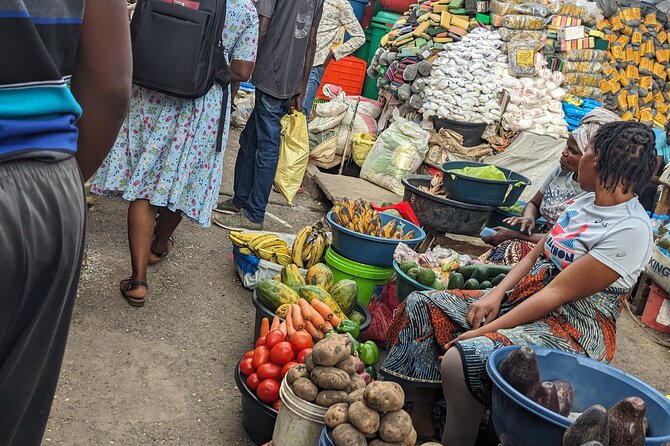
Your day begins at Arusha’s central food market. Expect about 30 minutes of guided roaming and explanation, focused on what people buy and how the food shows up at home.
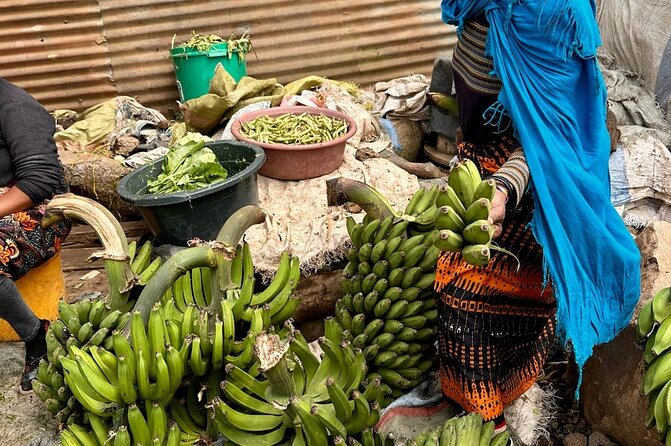
This is where you get your first layer of context. Your guide points out local foods, talks about how they’re used traditionally, and helps you understand what’s common in the area versus what’s more unusual for visitors. The tour description notes that most ingredients are sourced locally within Tanzania, with only a small portion coming from outside the country.
You’ll also meet the friendly human side of the market. One theme from the experiences shared by past participants is how welcoming the vendors feel, especially when you’re there with a guide who knows the right way to ask questions. It’s not only about shopping; it’s about learning how people interact around food.
Practical note: the market portion is short. If you love slow wandering, arrive with a curious attitude, and use the guide’s pace as your advantage. You’ll get the basics fast, then you’ll switch gears into cooking.
Sanawari Transfer: Using Common Transport Like a Local
After the central market stop, you head toward Sanawari, which is described as a bit farther from the central area. You’ll also get a chance to use popular public transportation during the transfer.
That matters more than it sounds. Transport in Arusha can be part of the cultural picture, not just logistics, and this tour builds that in. You’re not stuck in a private car for the whole day, so you get a more normal sense of movement through the city.
The Sanawari portion is where you meet the chef and get your cooking plan. The total time on this stop is about 1 hour 30 minutes, so you’ll want to keep energy for the hands-on portion.
Cooking Class in a Local Kitchen (Yes, It’s Basic)
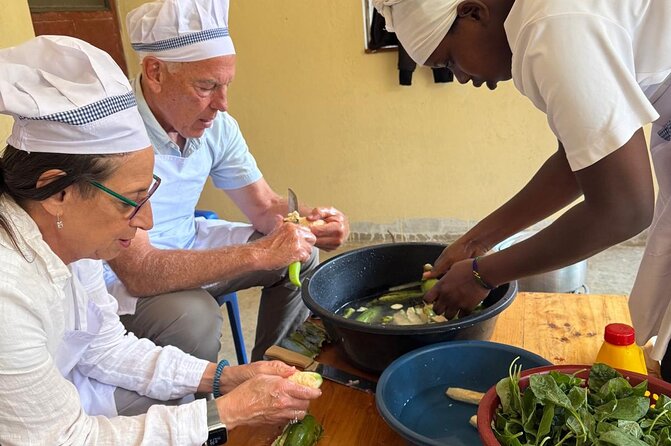
Here’s the biggest reason people rate this class so highly: the cooking setup is intentionally local. This isn’t a modern studio kitchen.
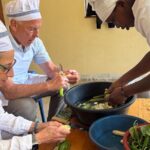
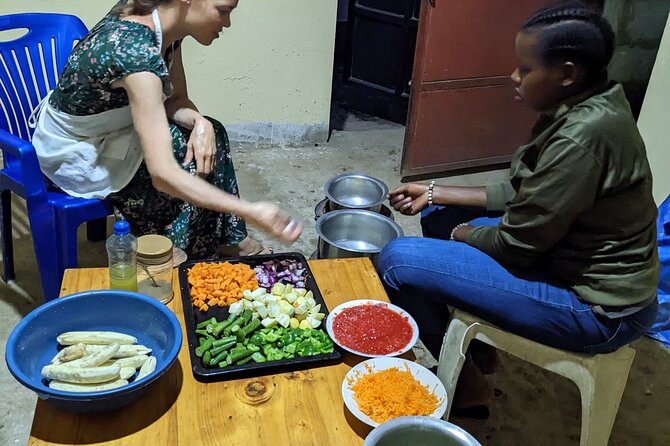
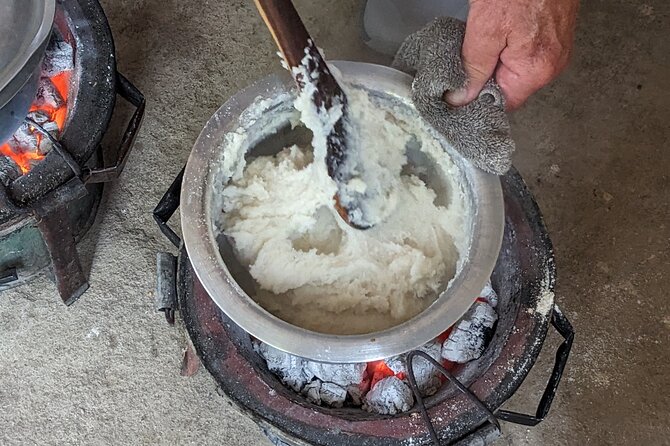
From past experience accounts, you can expect a cooking space with a low table, two charcoal burners and a gas burner, plus large tubs and basic tools. In other words, you cook with what you have, the way locals do. The tour explicitly warns you not to expect the same kitchen you’re used to, and that warning is spot-on.
That’s also why the class feels authentic. You learn how recipes translate when you’re working with real heat sources and real tools. It’s the difference between watching a cooking video and standing in front of the process.
You’ll drive this experience with your chef and guide. Your guide also helps you pick what you’ll cook. According to the tour structure, you choose two dishes from the options mentioned during the market portion, based on your preference.
If you care about comfort and polish, this may feel rough around the edges. If you care about learning how food actually happens, it’s exactly the point.
What You Can Expect to Cook and Eat
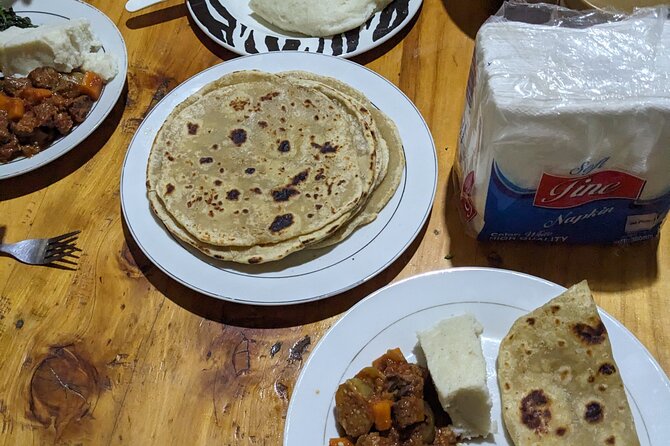
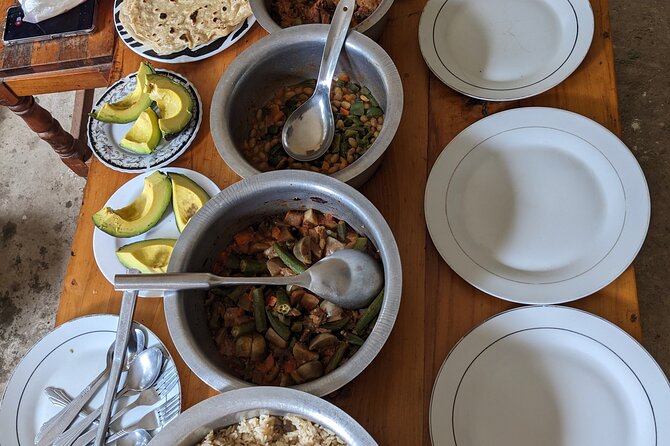
The tour is built around Tanzanian staples, and based on common dish examples shared in past experiences, you may cook foods like ugali and ndizi. The key detail is that you do not just get a fixed menu. You choose from multiple mentioned options at the start of the day, then the chef leads you through the cooking.
After you cook, you eat your meal. The inclusions state meals after cooking are provided for the traveler and all participants, either as lunch or dinner. That’s important for value: many cooking classes stop after the lesson and send you on your way. Here, eating what you made is part of the experience.
One small thing to watch: the tour notes that spice from the market is not included. Ingredient shopping costs for items purchased fresh from the market are included, but spices may be an extra you might cover. If you’re sensitive to spice levels, ask your guide how they handle it and what’s typically added.
Drinks are also not included. Water, soda, or beer are not part of the package, but the description says you can buy drinks along the way. If you’re heat-sensitive, bring a plan so you’re not scrambling later.
Guides You Might Meet: Expect Friendly, Practical Storytelling
This experience depends on the people guiding you, and the names from past runs show a pattern: guides like Israel, Jack, James, Lameck, and Bariki have led participants through the market and toward the cooking class.
Even when the cooking is the headline, the guide role is what makes the market click. A good guide turns ingredients into answers: What is this used for? How is it prepared? What’s the everyday version of the dish? Past experiences highlight that the guide and chef combine warmth with cultural explanation, not just instructions.
A tip for getting the most out of your guide: ask one question during the market that you can later connect to cooking. Example: ask how a certain ingredient changes the taste or texture. Then watch how the chef uses it.
Pickup, Timing, and How Not to Rush Yourself
The tour includes pickup and drop-off at your hotel near the city center in Arusha. You’ll also receive confirmation at booking time via WhatsApp or email, and the tour uses a mobile ticket.
You’ll be on the move for about 4 hours total. The structure is roughly: market about 30 minutes, then transfer and cooking time totaling around the rest of the day. Because the market is brief, timing is tight on purpose.
Also, plan around weather. The experience notes it requires good weather. If conditions are poor, the tour can be canceled with an alternate date or a full refund.
If you want to feel relaxed instead of rushed, dress for heat and movement, and treat this as a guided food day, not a sightseeing block.
Price and Value: Is $42 Really Fair?
At $42 per person for about 4 hours, this is priced like a true cultural activity, not a cheap gimmick. You’re paying for:
- Guided market time (not self-guided)
- Ingredient shopping support, including fresh ingredients
- A cooking lesson with a local chef
- Lunch or dinner afterward
- Pickup and drop-off
The best value part is that you don’t just learn; you eat. If you split the cost into the pieces a la carte, a guided market visit alone can easily cost a similar amount in many destinations, and cooking classes often cost more when meals are included.
Potential value downside: since drinks aren’t included and spices might not be covered, your final spend could rise slightly if you decide to add extra items. Still, the core experience is bundled.
If you want to learn Tanzanian cooking through the market-to-kitchen path, this looks like a fair deal for Arusha.
What to Bring (So the Day Feels Easy)
The tour is hands-on, short, and food-focused. To keep it smooth:
- Wear closed-toe shoes that handle market walking.
- Bring a small bag for any personal items you want accessible.
- Plan water for yourself since drinks aren’t included.
- If you have dietary restrictions, tell your guide in advance during booking so your dish choices can fit.
Since the kitchen is described as local and basic, skip anything you’re afraid to stain or get dusty. You’ll likely be close to heat sources and cookware.
Who This Tour Suits Best (And Who Might Want to Skip It)
This is a great fit if you:
- Want real food shopping and not only restaurant meals
- Like cultural context, not just recipe steps
- Enjoy hands-on cooking and eating what you make
- Are comfortable with a less polished kitchen setup
You might reconsider if you:
- Need a modern, western-style kitchen environment
- Are very uncomfortable with charcoal-based cooking or basic tools
- Want drinks included in the package price (they aren’t)
- Have very strict dietary needs not covered in advance
Should You Book This Arusha Cooking Class and Food Market Tour?
I’d book it if your goal is to understand Tanzanian food from ingredient to plate, using local spaces and local cooking methods. The market start gives you the why behind the food, and the traditional kitchen gives you the how. Add included meals, hotel pickup, and the chance to choose two dishes, and it becomes a balanced, good-value half-day.
If you’re the type who gets bothered by basic facilities, lower tables, and charcoal burners, then treat this as a cultural experience first and a comfort-first class second.
Overall, it’s a strong pick for Arusha—especially if you want more than a quick taste and you’d rather leave with food knowledge you can actually use.
FAQ
FAQ
How long is the Arusha traditional cooking class and food market tour?
It runs for about 4 hours.
What does the price include?
The price includes a guided tour in the central food market, the cooking class, pickup and drop-off near the city center, meals after cooking, and the cost for shopping fresh ingredients.
Are pickup and drop-off offered?
Yes, pickup and drop-off are offered at your hotel near the city center.
Do I get a mobile ticket?
Yes. The tour includes a mobile ticket.
Will I eat what I cook?
Yes. Meals after cooking are included, and you can have them as lunch or dinner.
Are drinks included?
No. Drinks such as water, soda, or beer are not included, but you can buy them along the way.
Are spices included in the tour price?
Spice from the market is not included, even though ingredient shopping for fresh items is covered.
Where does the cooking class take place?
You cook in a local kitchen designed for a real Tanzanian cooking setup, not a kitchen similar to what you may expect at home.
What if weather is bad?
The experience requires good weather. If it’s canceled due to poor weather, you’ll be offered a different date or a full refund.
How big is the group?
The experience has a maximum of 200 travelers.