REVIEW · TOKYO
Sushi Cooking Class: AKEMI’s SUSHiKiTCHEN in Tokyo
Book on Viator →Operated by Akemi's Sushikitchen · Bookable on Viator
Tokyo sushi feels different when it’s taught at home. A small-group class in a quiet neighborhood beats a loud counter every time.
I like that you learn the why, not just the how: sushi history, terminology, and eating etiquette are part of the lesson. I also love the ingredient focus, including rice specially ordered from Kyoto’s Hachidaime Gihey and fresh fish from Japan’s big markets.
One drawback to consider: you’re paying for a chef-led, at-home, English-instruction experience, so it can feel pricey versus eating sushi out—especially if you only want a quick taste, not hands-on practice.
In This Review
- Key things I’d watch for
- A Tokyo Home Where Sushi Lessons Actually Make Sense
- Where it happens
- What You’ll Cook: Four Types of Sushi, Plus the Skills to Recreate Them
- Ingredients Matter: Kyoto Rice and Fresh Fish from Toyosu and Tsukiji
- Edomae Insights You Can Actually Use: History, Words, and Eating Etiquette
- The Actual Flow: How a 2.5-Hour Lesson Usually Feels
- Price and Value: Why $105.68 Feels Fair for What You Get
- Who This Sushi Class Is Best For
- Quick Practical Tips Before You Go
- Should You Book Akemi’s SUSHiKiTCHEN?
- FAQ
- How long is the sushi cooking class?
- What does the class cost?
- How many people are in the class?
- What will I make during the lesson?
- Where is the meeting point in Tokyo?
- Does the chef teach in English?
- What kind of ingredients are used?
- What will I learn besides cooking?
- Is mobile ticketing used?
Key things I’d watch for
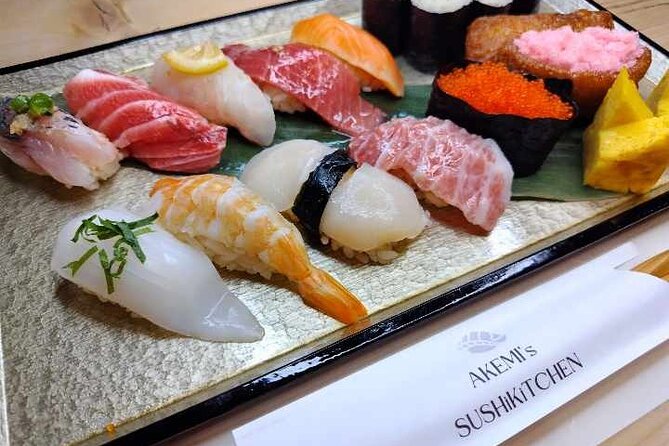
- Small group size means more personal attention (lesson limited to up to five students; activity max is 6)
- Edomae training through the Tokyo Sushi School technique course, taught by Akemi
- Fresh ingredients with a story, including blended rice from Hachidaime Gihey in Kyoto and fish sourced from Toyosu and Tsukiji
- Sushi etiquette and terminology so you can order and eat with confidence
- A full meal you make yourself, ending with what you’ve built in class
A Tokyo Home Where Sushi Lessons Actually Make Sense
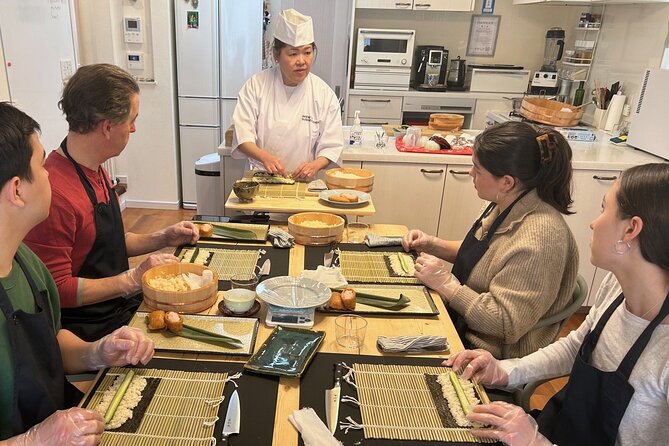
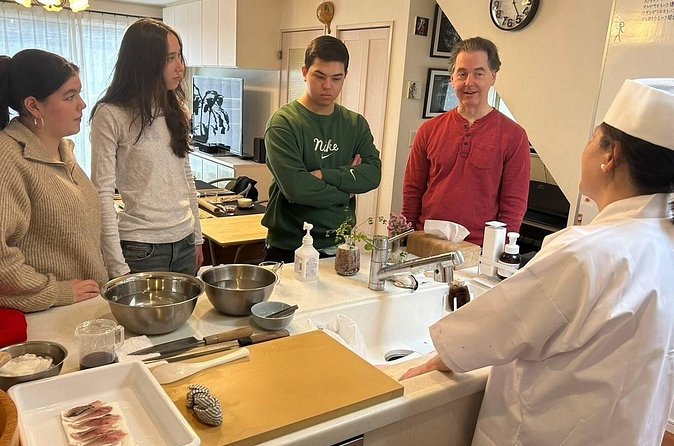
This sushi cooking class is built around a simple idea: sushi isn’t just food. It’s technique, timing, and manners—plus a lot of respect for ingredients. Instead of learning at a storefront counter, you’re invited into Akemi’s home in a residential part of Tokyo. That matters more than it sounds. In a home setting, the pace is easier to follow, questions land faster, and you’re not stuck shouting over a busy dining room.
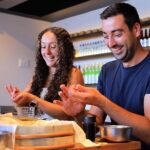
The class is also small, with personal guidance and a calm, teaching-focused atmosphere. That’s a big deal if you’re new to sushi or nervous about getting things wrong. You’re not competing with anyone for attention.
Akemi brings real professional training. She has seven years of restaurant experience in Japan, completed the Edomae Sushi Technique Acquisition Course at the Tokyo Sushi School, and she teaches in English. On top of that, her hosts (including Dan in the reviews) help keep the vibe friendly, so the experience feels like a lesson, not a performance.
You can also read our reviews of more tours and experiences in Tokyo.

Where it happens
You’ll start at Tamanosato Sasazuka 1-chōme-56-18 in Shibuya (Sasazuka area). The activity ends back at the meeting point. You’ll want to plan for a short neighborhood walk plus transit time, since it’s not in a typical tourist strip.
What You’ll Cook: Four Types of Sushi, Plus the Skills to Recreate Them
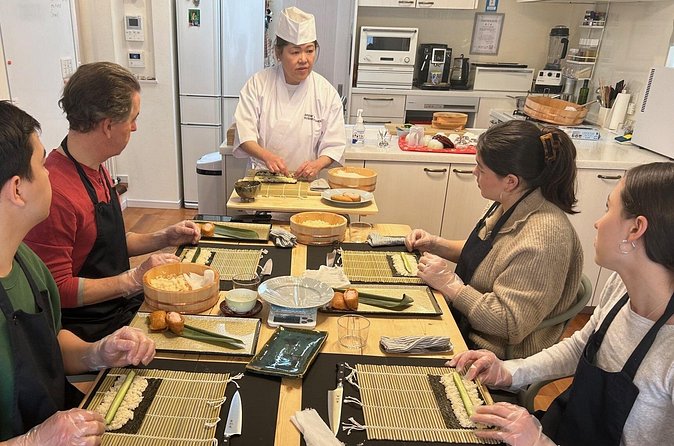
The class centers on making sushi—specifically four types of sushi—with step-by-step coaching as you go. Even if you’ve never tried sushi before, this is designed to be approachable. The goal is that you leave with something you can eat at the end, and also a clearer idea of how sushi comes together.
Here’s what makes the hands-on part valuable for you: sushi technique is hard to learn from a menu. At a restaurant, you get a finished piece. In class, you practice the building blocks—working with rice, handling neta (the fresh fish topping), and assembling sushi in the style you’re taught. You’re learning the mechanics and the logic behind them, not just copying a photo.
Because the lesson is small (up to five students for the instruction), you can expect the teacher to adjust to your pace. If you’re unsure about hand movements or timing, this kind of setup is exactly what helps you improve quickly without feeling rushed.
Ingredients Matter: Kyoto Rice and Fresh Fish from Toyosu and Tsukiji
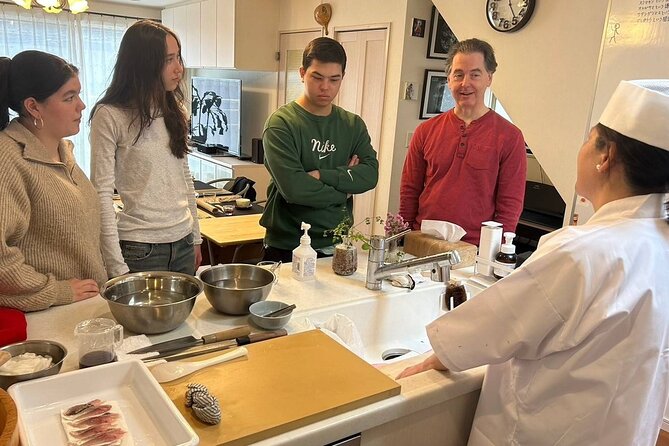
If you care about sushi quality, this is where your money makes sense. Akemi sources only the best ingredients, and she names where those inputs come from.
- Blended sushi rice from Hachidaime Gihey (Kyoto), specially ordered
- Fresh fish (neta) sourced directly from fish markets in Toyosu and Tsukiji
This isn’t just trivia. It changes what you’ll notice while cooking and tasting. Sushi rice isn’t generic rice, and the fish topping quality affects flavor, texture, and how the sushi holds up. When you learn with premium inputs, your learning is more accurate. You’re building your taste standards along with your technique.
You’ll also get a better sense of why “fresh” means something specific in Japan. Working with ingredients that are tracked back to major market sources helps you see sushi as a system, not a single dish.
Edomae Insights You Can Actually Use: History, Words, and Eating Etiquette
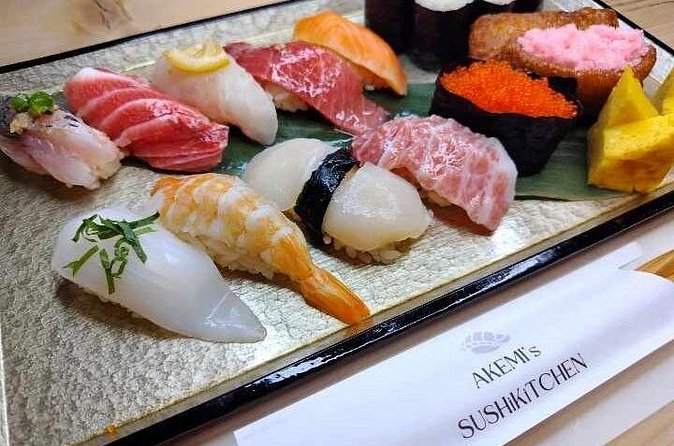
One reason these classes earn five-star ratings is that you don’t just walk away full. You walk away informed.
You’ll learn:
- The history of sushi
- Sushi terminology (the language used around the dish)
- Japanese eating etiquette
That last part is the sleeper value. People often eat sushi like a casual snack—dip, pick up, repeat. In Japan, the etiquette has its own logic and social rhythm. When you understand what certain practices mean, you feel less awkward and more confident the next time you sit down for sushi.
Even Japanese guests have said the class taught them about their own food culture, which tells you it’s not tourist-level explanation. It’s focused on the details that make sushi feel “proper,” even to locals.


The Actual Flow: How a 2.5-Hour Lesson Usually Feels
The lesson runs about 2 hours 30 minutes, so it’s long enough to do real work, but short enough to stay energetic. Expect a clear rhythm:
- Welcome and orientation in the home environment
- Instruction and hands-on practice as you learn four types of sushi
- Context while you cook: history, terminology, and etiquette
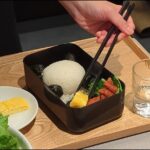
- A meal you eat at the end, the sushi you made yourself
The cooking time is the main event, but the teaching isn’t tacked on. The culture lessons are woven into what you’re doing, so it feels connected instead of like a lecture that interrupts the fun.
Because the experience is in a quiet residential area, you’ll likely find it easier to concentrate than in a crowded dining spot. That’s not just comfort—it improves learning.
Price and Value: Why $105.68 Feels Fair for What You Get
At $105.68 per person, this isn’t bargain-basement pricing. You’re paying for three things that add up quickly:
- Chef-led coaching with professional training (Akemi’s background and Edomae course)
- Small-group attention (limited instruction size)
- Included meal, made by you using higher-quality ingredients (including Kyoto rice and fresh market-sourced neta)
A restaurant meal can be delicious, but it usually doesn’t teach you the technique. Here, you’re buying skills you can repeat at home—or at least a smarter way to order and judge sushi when you travel. If you’re the type who likes to learn a craft while you’re on the road, that’s where the value shows.
Also, the timing matters. The lesson is practical and short enough that you can fit it into a day without losing half your schedule. It’s easy to treat as a main cultural activity rather than a side stop.
Who This Sushi Class Is Best For
This experience is a great match if you:
- Want a more personal, hands-on sushi cooking class in Tokyo
- Are curious about Japanese food culture and sushi etiquette
- Prefer learning in a quieter setting rather than a busy restaurant
- Like small groups and direct coaching
It can also work well for beginners. The class is designed so you can feel successful even if you’ve never tried sushi before. You’ll still get a real learning arc: making sushi and understanding the language and etiquette behind it.
If you already know sushi inside out and only want a snack, you might find it longer or more instructional than you need. But for most food travelers, it hits the sweet spot between learning and eating.
Quick Practical Tips Before You Go
A few things will make the experience smoother:
- Arrive with a realistic schedule buffer. You’re meeting in a residential Shibuya (Sasazuka) area, and you’ll want time to get oriented.
- Ask questions early. In a small group, the fastest way to improve is to clarify right away.
- Treat it like a cooking class, not just dinner. The value is in the technique and explanation.
- Bring an open attitude about etiquette. Even small habits can change how you feel eating sushi in Japan afterward.
And because mobile tickets are used and confirmation happens at booking, you’ll want to have your booking info handy on your phone.
Should You Book Akemi’s SUSHiKiTCHEN?
Yes—if you want more than a meal. This is one of those Tokyo experiences where you leave with actual skills, plus context you can use immediately at other sushi spots. The small-group format and the ingredient sourcing (Kyoto rice plus neta from Toyosu/Tsukiji) make it feel like a thoughtful craft lesson rather than a generic tourist activity.
Skip it only if you’re mainly looking for the cheapest food option or you feel impatient with instruction. Otherwise, you’re getting a chef-taught sushi education in a Tokyo home setting, capped by a meal you made yourself.
FAQ
How long is the sushi cooking class?
It runs about 2 hours 30 minutes.
What does the class cost?
The price is $105.68 per person.
How many people are in the class?
The lesson is limited to a maximum of five students, and the activity has a maximum of six travelers.
What will I make during the lesson?
You’ll learn to make four types of sushi, and the class culminates in a meal you prepare yourself.
Where is the meeting point in Tokyo?
The start point is Tamanosato Sasazukaten 1-chōme-56-18 Sasazuka, Shibuya, Tokyo 151-0073, Japan. The activity ends back at the meeting point.
Does the chef teach in English?
Yes. Akemi offers the sushi lesson using her English proficiency.
What kind of ingredients are used?
Akemi sources blended rice specially ordered from Hachidaime Gihey in Kyoto, and she uses fresh fish (neta) sourced directly from Toyosu and Tsukiji.
What will I learn besides cooking?
You’ll also hear about the history of sushi, sushi terminology, and traditional Japanese eating etiquette.
Is mobile ticketing used?
Yes, the experience uses a mobile ticket. Confirmation is received at the time of booking.
If you want, tell me your travel dates and whether you’re a sushi beginner. I can help you pick a good time slot so this class fits smoothly with the rest of your Tokyo plan.