REVIEW · TOKYO
Japanese Home Cooking Class with Local Supermarket Visit
Book on Viator →Operated by YUCa's Japanese Cooking · Bookable on Viator
Cooking Japanese food at home beats guessing. This 2.5-hour Tokyo class pairs hands-on instruction with a local supermarket stop, so you learn how dishes come together and how to shop for them afterward. With a food and culture expert (Yuca), the lesson focuses on real home habits like planning a menu, balancing nutrition, and choosing seasonal ingredients.
Two things I really like here: the class is small (max 7 people), which makes it easier to ask questions and get real feedback, and lunch is included as traditional Japanese home meals, not a side snack. One consideration: since the day includes both cooking and a shop visit, it’s less of a quick hit and more of a half-morning commitment, starting at 10:00.
In This Review
- Key Reasons This Class Works
- Tokyo Home-Style Cooking in a Cozy Kitchen (With Real Space to Ask Questions)
- What You Learn Beyond Recipes: Planning, Balance, and Seasonal Thinking
- The Menu in Motion: Dishes You’ll Likely Cook (Meat, Fish, and Veg)
- Lunch Built Into the Class: Food You Can Match to the Skills
- The Supermarket Stop: How to Shop Like a Local (Not Like a Tourist)
- Timing and Logistics: A Half-Morning Plan That Starts at 10:00
- Price and Value: What $162.88 Covers and Why It’s Fair
- Who This Fits Best (And Who Might Prefer Something Else)
- Practical Tips So You Get the Most Out of It
- Should You Book This Japanese Home Cooking Class?
- FAQ
- How long is the Japanese home cooking class?
- What time does it start?
- Where do I meet the class?
- Is lunch included?
- Do we visit a supermarket?
- How large is the group?
- Is the meeting point near public transportation?
- What is the cancellation policy?
Key Reasons This Class Works
- Small group size (max 7): more room for questions and pacing that suits beginners through intermediate cooks
- Menu planning + nutrition balance: you learn the logic behind Japanese home cooking, not just recipes
- Seasonal ingredients focus: you get a framework for what makes dishes taste right
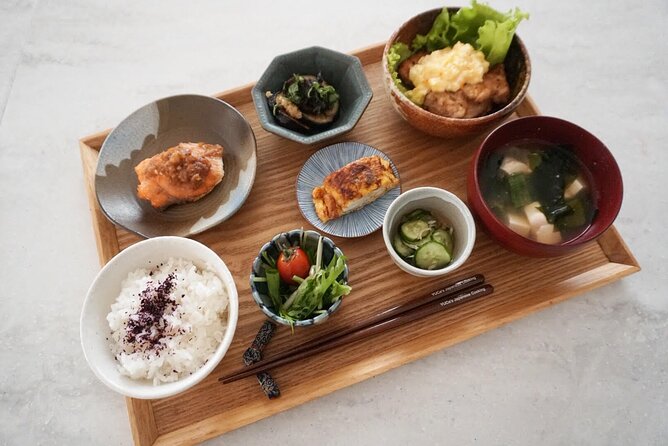
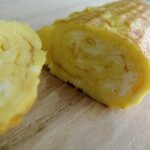
- Hands-on dishes: you may make items like gyoza, ramen, Japanese omelettes, pork katsu, and walnut miso sauce
- Supermarket visit included: you can translate recipes into real shopping habits
- Take-home notes and instructions: so you’re not stuck repeating the same meal pattern at home
Tokyo Home-Style Cooking in a Cozy Kitchen (With Real Space to Ask Questions)
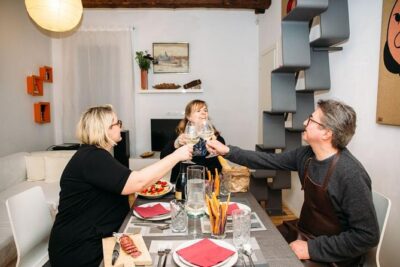
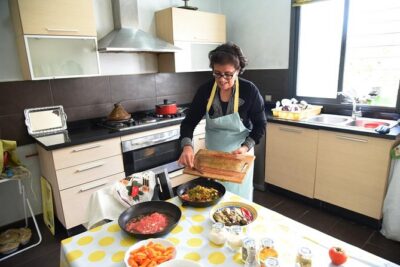
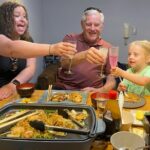
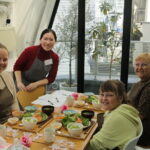
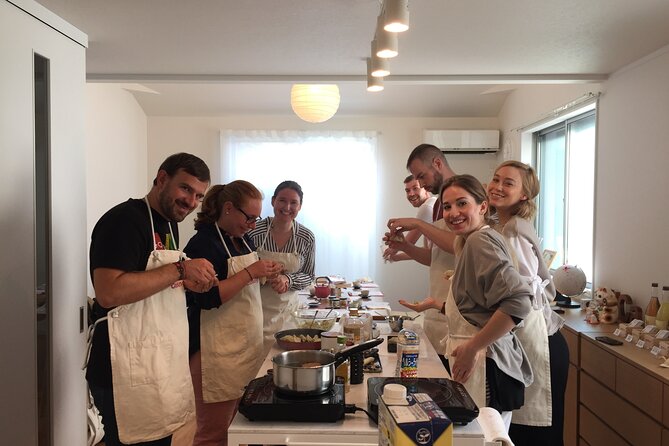
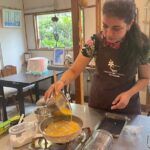
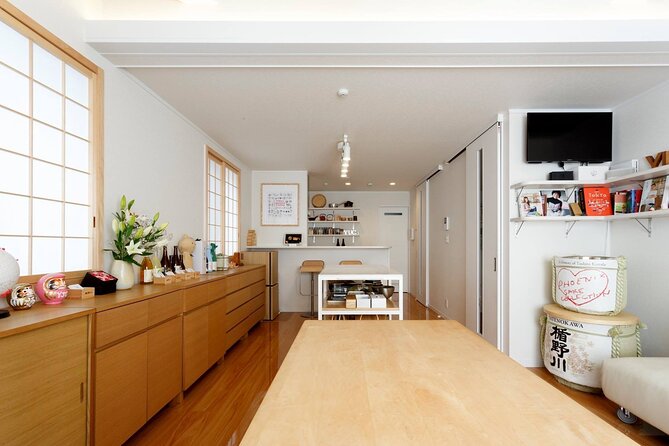
This is the kind of class that feels built for conversation. You meet at YUCa’s Japanese Cooking in Arakawa City, and the class stays in a home-kitchen setup where the vibe is practical, not formal. The group limit of 7 travelers matters more than you might think. In a bigger group, you can end up watching more than cooking. Here, the smaller size makes it easier to get your technique corrected—especially if you’re new to Japanese cooking.
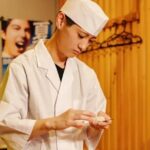
The teaching style also comes through in the way the class is described: Yuca is patient and comfortable answering questions. That’s a big deal for home cooking lessons, because the tricky part usually isn’t knowing the dish name. It’s the small decisions: texture, timing, and how to make a sauce or filling taste balanced.
If you’re traveling with family, this format also fits. The class includes families with children of elementary age, and Yuca works in a way that helps kids participate instead of just standing around.
You can also read our reviews of more tours and experiences in Tokyo.

What You Learn Beyond Recipes: Planning, Balance, and Seasonal Thinking
A lot of cooking classes stop at how to make a dish. This one goes one level deeper. You learn menu planning and how Japanese home cooking aims for nutrition balance. That means you’re not only collecting recipes—you’re learning how to build a meal that feels right on a weekday, not just on a special occasion.
You also get a seasonal ingredients angle. The idea is simple: Japanese home cooking isn’t built around random supermarket finds. It’s built around what’s appropriate for the time of year and how ingredients pair together. Even if you don’t shop in Japan again, the approach helps you translate dishes using what’s in season where you live.
In practice, this makes the class feel more useful over time. It’s not just, make this one meal. It’s, understand why home menus are put together the way they are.
The Menu in Motion: Dishes You’ll Likely Cook (Meat, Fish, and Veg)
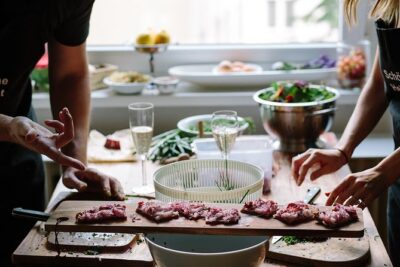
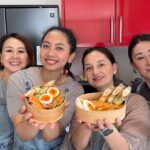
The class centers on traditional Japanese home foods made with meat, fish, and vegetables. You should expect a hands-on session where you actively prepare and assemble dishes, not just watch.
From the dish list shared in past experiences, you might cook:
- Gyoza
- Ramen
- Japanese omelette
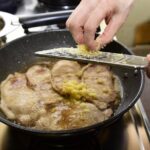
- Pork katsu
- Walnut miso sauce
Even if the exact menu on your date differs, the cooking style stays consistent: simple, home-friendly techniques and flavors you can recreate. Pork katsu is a great example of that. It’s satisfying but not overly complicated, and the sauce side (like a walnut miso sauce) teaches you how Japanese kitchens build richness without relying on heavy tricks.
Another thing I like about this structure: dishes are often a mix of components. That’s useful for home cooks because you’ll learn how to work in steps—prep first, then heat and timing—so you don’t feel lost if you’re cooking at home later.
Lunch Built Into the Class: Food You Can Match to the Skills
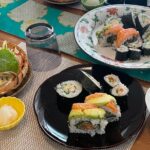
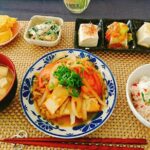
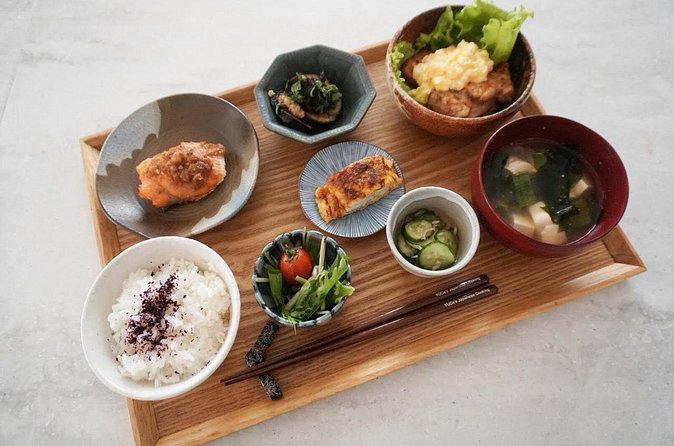
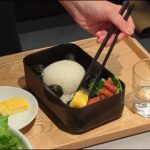
Lunch is included and comes as traditional Japanese home meals. That’s a practical advantage. When you eat right after cooking, you can instantly connect taste to technique—what changed when you adjusted the filling, why a sauce hits differently, or how a dish holds up once it sits.
It also makes the class a better use of your time. You’re not juggling a cooking lesson and then scrambling to find food afterward.
The Supermarket Stop: How to Shop Like a Local (Not Like a Tourist)
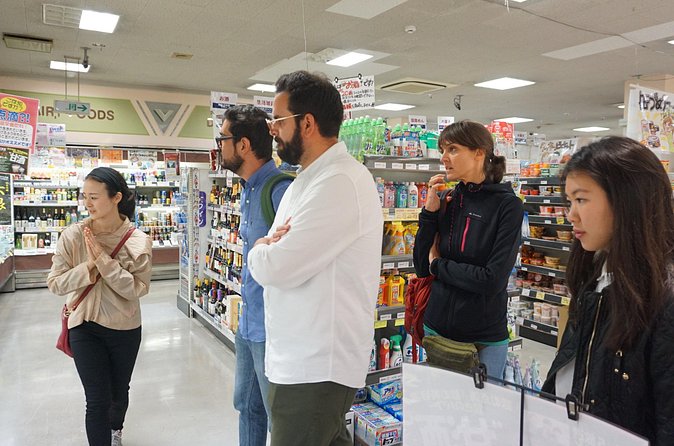
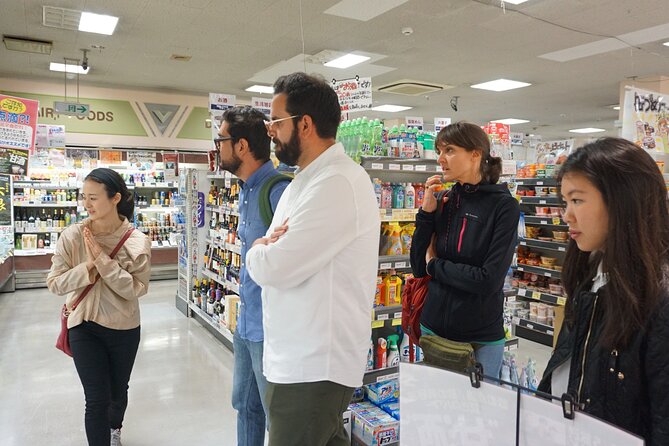
After the class, you visit a local supermarket. This is one of the best value-adds because it turns your shopping into part of the lesson.
Why it helps: recipes are only as good as the ingredients behind them. A supermarket visit guided by a cooking expert helps you connect what you cooked to what you’ll buy next time. You’ll likely look for items tied to the flavors you learned—things that make a Japanese meal taste Japanese rather than just “Japanese-style.”
It can also be fun in a lighthearted way. One of the experiences described that the shop visit can feel like a chance to pick up things together, including small edible souvenirs. Think of it as: you leave with both knowledge and practical items, not just photos.

Timing and Logistics: A Half-Morning Plan That Starts at 10:00
The schedule runs for about 2 hours 30 minutes, starting at 10:00 am. It ends back at the meeting point, so you’re not forced into a second commute after class.
The meeting point is:
YUCa’s Japanese Cooking, 2-chōme-34-8 Nishiogu, Arakawa City, Tokyo 116-0011, Japan.
It’s also described as near public transportation, which matters in Tokyo. You don’t want your only local experience of the day to turn into a navigation puzzle.
The group size stays small, so the class rhythm is likely steadier than in high-volume experiences. If you like structured mornings—cook, eat, then shop—this fits neatly.
Price and Value: What $162.88 Covers and Why It’s Fair
At $162.88 per person, this isn’t a budget activity. But it’s priced like a true skill-building experience.
Here’s what you’re paying for, in plain terms:
- Expert guidance from a Japanese food and culture instructor (Yuca)
- Lunch as part of the session
- Hands-on cooking with enough attention for questions in a max-7 group
- Take-home instructions so you can recreate dishes at home
- A supermarket visit that helps you shop with confidence
If you’re the type who likes to actually use what you learn—rather than just collecting a one-time memory—this becomes a smart value. Especially because take-home notes mean you can make these meals again without restarting from zero.
On the other hand, if your travel style is mostly sightseeing and you’d rather spend mornings walking Tokyo neighborhoods, this may feel like a slower pace. It’s a cooking class first, and a cultural activity through food second.
Who This Fits Best (And Who Might Prefer Something Else)
This class is a strong match if you:
- love home cooking and want techniques you can repeat
- want to understand how Japanese meals are built, not only how to follow steps
- like learning in a small group where you can ask questions
- travel as a family and want a structured activity that kids can join
It may be less ideal if you:
- want a purely tourist-style program with lots of landmark time
- need a very fast, minimal-time experience
- prefer lessons that don’t include shopping
Practical Tips So You Get the Most Out of It
A few small things help you enjoy a cooking-and-shopping morning more:
- Bring a beginner mindset, even if you’ve cooked Japanese food before. The menu planning and balance parts are often the biggest surprise.
- Come with questions ready. The class format is set up for back-and-forth, so use it.
- Treat the supermarket visit like your homework time. If you see an ingredient you’re unsure about, ask what it does in the dish.
- Wear comfortable clothes for kitchen work. This is hands-on, and kitchens are work spaces.
Also, keep in mind it’s a mobile-ticket experience and you’ll receive confirmation around booking. That means you should be ready with your details on your phone when you arrive.
Should You Book This Japanese Home Cooking Class?
If you’re deciding between another Tokyo food activity and this one, I’d lean toward booking if you want real skills. The combination of home-kitchen teaching, take-home instructions, and a supermarket stop turns this into more than a meal. It’s a portable experience you can carry into your everyday cooking.
Book it if:
- you’re curious about the logic of Japanese home meals (planning, balance, seasonal thinking)
- you want hands-on practice with dishes like gyoza, ramen, omelette, or katsu-style favorites
- you want a small-group experience with real Q&A
Skip it if:
- you prefer sightseeing over cooking
- you’re not interested in grocery-level details or applying what you learn at home
FAQ
How long is the Japanese home cooking class?
The class runs for about 2 hours 30 minutes.
What time does it start?
It starts at 10:00 am.
Where do I meet the class?
You meet at YUCa’s Japanese Cooking, 2-chōme-34-8 Nishiogu, Arakawa City, Tokyo 116-0011, Japan.
Is lunch included?
Yes. Lunch consists of traditional Japanese home meals.
Do we visit a supermarket?
Yes. After the class, the experience includes a visit to a local supermarket.
How large is the group?
The maximum group size is 7 travelers.
Is the meeting point near public transportation?
Yes, it’s listed as near public transportation.
What is the cancellation policy?
You can cancel for a full refund up to 24 hours before the experience’s start time. If you cancel less than 24 hours before, the amount paid is not refunded. Any changes less than 24 hours before aren’t accepted. If the experience is canceled because the minimum number of travelers isn’t met, you’ll be offered another date or a full refund.