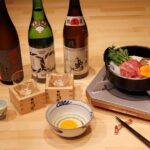
REVIEW · TOKYO
Tokyo: Japanese Cooking Class – Bring the flavors of Japan to France
Book on GetYourGuide →Operated by Yumiko Mizutani · Bookable on GetYourGuide
Cooking with a Japanese mom feels personal. This small Tokyo class brings everyday Japanese food into a French-friendly format, and it centers on dishes you can actually repeat at home. I particularly liked learning karaage the way Japanese families do, then eating it minutes later on beautiful Japanese ceramics.
Two more things I loved: the teaching style is calm and practical, and the menu covers real staples (not just showy “tourist” plates). One caution: you’re cooking in a home setting with cats in the house, even though they’re kept away during the session, so people with animal allergies should take that seriously.
If you want a simple, high-reward meal plan for Tokyo that also gives you skills for France, this is a great fit. If you’re allergic to food or animals, or you need a child-friendly option, you’ll want to look elsewhere.
In This Review
- Key highlights to know before you go
- A Tokyo kitchen lesson that feels like home food, not a show
- Price and what you actually get for $89
- Your 150-minute menu: karaage, miso soup, and onigiri basics
- Karaage: the star of the show
- Miso soup with pork and vegetables
- Onigiri (or rice): how Japanese families eat between meals
- Teriyaki salmon and sesame vegetables
- Vegetarian options
- What you learn, not just what you cook
- Small group size (max 3) and why it changes everything
- French-led instruction: how communication actually works
- Ingredients you can find in France (and why that matters)
- The home setting: Japanese ceramics, welcome tea, and a calm pace
- Meeting point in Futako-Tamagawa: keep it simple
- Cats in the house: a real consideration
- Who this cooking class suits best
- Should you book this Tokyo Japanese cooking class?
- FAQ
- Where is the meeting point?
- How long is the class?
- What dishes will I learn to make?
- Is the class only for French speakers?
- Is it beginner-friendly?
- Are aprons, towels, or slippers provided?
- Is it suitable for kids and people with allergies?
Key highlights to know before you go
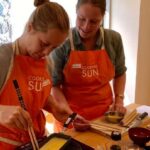
- Family kitchen teaching: Yumiko Mizutani and her daughter Yuri guide the class, with help for smooth French communication.
- Max 3 people: small group size means you get hands-on attention instead of watching from the sidelines.
- Karaage focus: you make Japanese fried chicken and learn how to get it right without complicated gear.
- Everyday Japanese staples: miso soup and onigiri show how Japanese home cooking works beyond ramen and sushi.
- France-friendly shopping: ingredients are chosen so you can find equivalents in France and recreate the recipes.
- Warm home atmosphere: you plate and eat your meal in a relaxed setting, then enjoy seasonal tea.
A Tokyo kitchen lesson that feels like home food, not a show
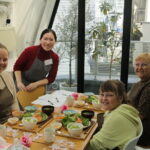
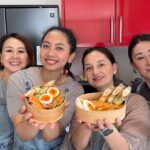
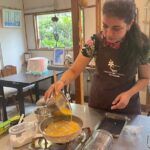
Tokyo cooking classes can go two ways: either they’re a quick demo with a rushed meal, or they’re the real deal with proper technique. This one lands firmly in the second camp. You cook in a home environment with Yumiko Mizutani, and Yuri is there throughout to support the French flow of the workshop.
What makes it interesting is the tone. It’s not trying to impress you with fancy spectacle. It’s trying to teach you how Japanese families build flavor day to day. And because the class is taught in French (with an assistant on hand for communication), you spend less energy translating and more time learning what matters: timing, seasoning, texture, and how to plate and eat.
The class is also structured around food that has a natural bridge to French tastes. Karaage, miso soup, and teriyaki-style elements feel very different from what you see in French home kitchens at first glance. But the techniques are approachable, and the results are easy to understand even if you’re a beginner.
You can also read our reviews of more tours and experiences in Tokyo.

Price and what you actually get for $89
At $89 per person for about 150 minutes, the cost feels fair once you look at what’s included: your meals, a recipe, all ingredients and utensils, an apron loan, plus welcome tea and a free drink. That’s not just a workshop fee. It’s basically buying a complete food experience plus the know-how to redo it at home.
If you’ve paid for food-only tours before, this often compares better than you’d expect, because you leave with a repeatable skill set. And if you’re the kind of traveler who likes to bring something back beyond photos, this is one of the more useful souvenirs you can pack.
Your 150-minute menu: karaage, miso soup, and onigiri basics
The menu is built around everyday Japanese favorites that many people overlook when they only chase sushi and ramen. You’ll cook a main dish and several supporting items, so you understand the meal as a whole.
Karaage: the star of the show
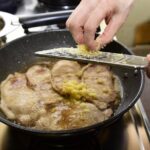
The main course is karaage, Japanese fried chicken. This dish is loved in Japan and it has a strong connection to the French comfort-food love of crisp, salty, juicy bites. The class doesn’t treat it like a mystery. You learn the fundamentals so you can reproduce the dish without needing a pro kitchen.
In practice, the most important thing is learning how to handle texture. Karaage depends on getting a coating that crisps and stays crisp enough, plus proper heat control. In a class like this, those “small” details are exactly what separate okay fried chicken from genuinely good karaage.
Miso soup with pork and vegetables
Next comes miso soup, served with pork and vegetables. Miso soup is one of those dishes that can taste either flat or deeply satisfying depending on how you balance it. You’ll learn the approach to building flavor with miso and vegetables, and you’ll get a sense for how Japanese home cooking uses soup as a daily comfort.
The goal here isn’t to make a complicated broth. It’s to understand miso as a flavor base and learn what makes it work in real meals.

Onigiri (or rice): how Japanese families eat between meals
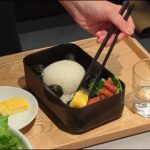
You’ll also make onigiri (rice balls) or rice. Onigiri sounds simple, but it’s a daily Japanese habit for a reason. You’ll learn the mechanics and the practical logic: portioning, shaping, and making rice feel like food rather than just a side.
This is one of the best parts of the class for home cooks. Onigiri gives you a way to turn leftovers or plain rice into something that looks intentional and tastes satisfying.
Teriyaki salmon and sesame vegetables
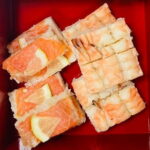
You’ll round out the menu with a teriyaki salmon dish and sesame vegetables (plus an additional side listed as part of the sample menu). These help you connect flavors: sweet-savory teriyaki notes, plus the nutty, earthy taste of sesame in vegetables.
Even if you don’t cook salmon often, learning the teriyaki pattern gives you a sauce method you can adapt later to other proteins or vegetables.
Vegetarian options
Vegetarians are welcome, but you need to contact in advance so the menu can be adjusted. If that’s your situation, message ahead early so you get the right plan.
What you learn, not just what you cook
A lot of cooking classes give you ingredients and a vague plan. This one is about technique you can reuse.
You should expect to learn:
- Practical steps for preparing each dish in a way that feels doable at home
- Ingredient handling that affects flavor and texture (especially for fried and simmered foods)
- How Japanese home cooking balances main, soup, and rice/balls
Because the workshop is small and in French, it also stays grounded. You can ask questions while you work, rather than waiting for a big group demo. That matters for beginners, but it also helps if you already cook. The class is teaching you “why,” not only “what.”
And yes, you’ll eat what you make. That part can feel obvious, but in real life it’s not always true. Here it is. You cook, then you sit down and enjoy.
Small group size (max 3) and why it changes everything
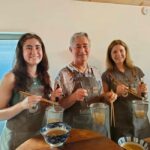
This workshop caps at three participants, and I can see why that’s a big deal. With a tiny group, you’re not stuck watching while someone else does the heavy lifting. You can participate during key steps, and the instructor can correct technique in real time.
That also makes the class feel comfortable. You’re not competing for attention. You’re learning.
And in a home setting, the small group format helps you get a sense of the household vibe—what Japanese cooking looks like when it’s not staged for a tour group.
French-led instruction: how communication actually works
The class is taught in French, and an assistant is present to facilitate communication. Yuri—who’s the hostess’s daughter—also supports throughout.
From what’s shared about the experience, Yuri is especially strong with French, and in some cases can also help across languages if you’re not fully comfortable in one. That flexibility reduces the usual stress of “I don’t speak the language well enough to cook.”
What you should take advantage of: ask simple questions as you go. Things like cooking time, texture cues, and ingredient substitutions become easier when the instructor can respond right then.
This is also why the class is beginner-friendly. Cooking isn’t just recipes—it’s signals. A good teacher shows you what to look for: how things should look, not only how long they should cook.
Ingredients you can find in France (and why that matters)
One of the best things about this class is the home-restaurant logic. The class is designed around ingredients that are easy to find in France. That’s not a throwaway detail. It affects whether your learning sticks.
If you’re given recipes that require one rare product you’ll never find again, you’ll end up with a nice memory and nothing to cook. Here, the ingredient choice is meant to support your real life back home.
That also means your shopping list won’t feel like a scavenger hunt. You can actually repeat the dishes, not just admire your Tokyo cooking skills for a few days.
The home setting: Japanese ceramics, welcome tea, and a calm pace
This is a workshop that takes care of the “how it feels” part, not only the “how it tastes” part.
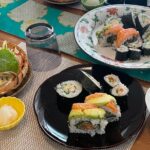
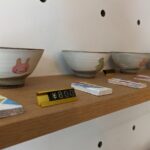
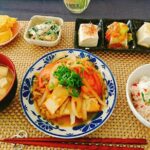
You’ll plate your dishes using Japanese ceramics, which turns the meal into something visually satisfying even if you’re wearing an apron that you borrowed for the day. Then you’ll enjoy the meal in a warm atmosphere.
You’ll also get:
- Welcome tea
- A free drink during the experience
- Seasonal tea at the end, carefully selected by the hostess
That end-of-class tea matters more than you might think. It gives you a slower landing after cooking and helps you process what you learned before you rush off to catch trains.
Meeting point in Futako-Tamagawa: keep it simple
You meet in front of the McDonald’s just outside the East exit of Futako-Tamagawa station (Den-en-toshi and Ōimachi lines). If you’re using transit apps, this is the kind of meeting point that’s easy to locate quickly, which reduces the classic travel problem of arriving flustered.
Plan to show up on time. With a short class window of 150 minutes, starting smoothly makes a difference.
Cats in the house: a real consideration
Here’s the practical note: there are cats in the house, and they’re kept away during the cooking session. That’s good news for many people.
But if you have animal allergies, don’t treat this lightly. The activity also isn’t suitable for people with animal allergies, so you should plan accordingly.
If you’re just generally nervous around cats, I’d still mention it ahead, but the key factor is allergies.
Who this cooking class suits best
This class is a strong match if:
- You want real Japanese home cooking basics (not only tourist staples)
- You like hands-on instruction in French
- You want recipes you can recreate in France using familiar ingredients
- You enjoy a small-group experience where you can ask questions
It may not be a fit if:
- You have food allergies or animal allergies
- You need a child under 6 setting (it’s not suitable for kids under 6)
- You’re only comfortable with languages other than French and you won’t be able to use the assistant support
Smoking is not allowed indoors, so keep that in mind if you’re a smoker.
Should you book this Tokyo Japanese cooking class?
Book it if you want a smart, hands-on way to learn Japanese cooking in Tokyo that pays off after your trip. The small group, the family-team teaching, the clear focus on everyday dishes, and the fact that ingredients are chosen for France are the big reasons this class earns its strong rating.
Skip it if allergies are a concern, or if you need a different kind of setup (bigger group, English-only, or something kid-friendly). For everyone else, this is one of those experiences that gives you both a good meal today and a skill you can use tomorrow.
FAQ
Where is the meeting point?
You’ll meet in front of the McDonald’s just outside the East exit of Futako-Tamagawa station (Den-en-toshi and Ōimachi lines).
How long is the class?
The Japanese cooking class lasts 150 minutes.
What dishes will I learn to make?
The sample menu includes karaage (fried chicken), miso soup with pork and vegetables, onigiri or rice, plus sides such as teriyaki salmon and sesame vegetables. Vegetarian menus are available with advance notice.
Is the class only for French speakers?
The workshop is in French, and an assistant helps facilitate communication in French during the experience.
Is it beginner-friendly?
Yes. The class is suitable for beginners and enthusiasts, and it’s designed to be easy to follow.
Are aprons, towels, or slippers provided?
Yes. Aprons, towels, and slippers are provided, so you don’t need to bring your own.
Is it suitable for kids and people with allergies?
It’s not suitable for children under 6. It also isn’t suitable for people with animal allergies or food allergies.