REVIEW · ROME
Rome: Pasta Fettuccine Ravioli and Tiramisu Cooking Class
Book on Viator →Operated by Italy Roman Tours · Bookable on Viator
Fresh pasta plus dessert, in one evening.
This Rome cooking class is interesting because you’re not just watching you’re making fettuccine, ravioli, and tiramisu step by step. I like the small-group vibe that keeps it personal, and I like that you learn real technique (kneading, shaping, filling) instead of collecting photos. One thing to think about: you’re doing this in a hands-on kitchen setting, so come ready to roll up your sleeves and get a little messy.
The authentic, cozy atmosphere comes through in the way the chefs teach, with names like Chef Giuseppe, Chef Danilo, and Chef Hassan showing up in reviews. You’ll also hear familiar guide-team names like Sam, Illaria, Amr, and Elisa, which hints at consistent attention during the class. My only caution is timing: it’s about 3 hours, so if you want lots of wandering time before or after, plan your evening around that fixed window.
In This Review
- Key things I’d circle before you book
- Entering Via Firenze for a small-group pasta night
- What you’re really learning: fettuccine dough that holds together
- Turning technique into ravioli: filling, folding, and focus
- Tiramisu skills you can repeat: layering with confidence
- The flow of the 3-hour class: hands-on, eat-at-the-end
- Chefs and guides: why the teaching style shows up in reviews
- Price and value: $79.47 for real skills, not just dinner
- Who this class is best for (and who might want something else)
- Should you book this Rome pasta and tiramisu class?
- FAQ
- What dishes are included in the Rome cooking class?
- How long is the cooking class?
- What’s the group size limit?
- Where does the class meet?
- Is hotel pickup or drop-off included?
- What is the cancellation policy?
Key things I’d circle before you book
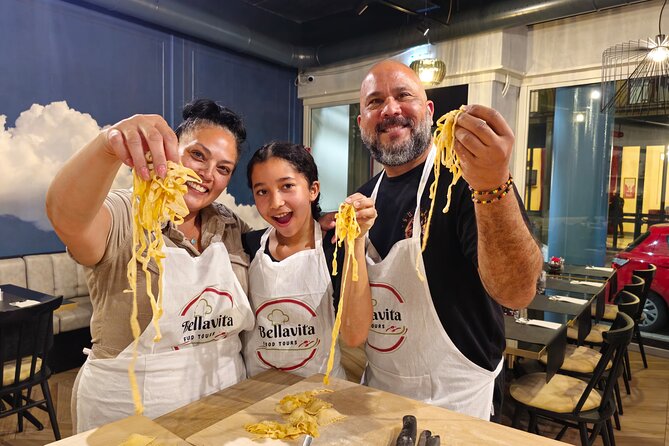
- Three classics, made from scratch: fettuccine, ravioli, and tiramisu, not a watered-down sampler
- Small group cap (max 12): enough help so you’re not lost with dough
- Professional-chef instruction: reviews highlight patient teaching and step-by-step guidance
- A real souvenir: you take home skills you can repeat, not just a full stomach
- Cozy, kitchen-friend energy: reviews describe it like cooking in someone’s home
Entering Via Firenze for a small-group pasta night
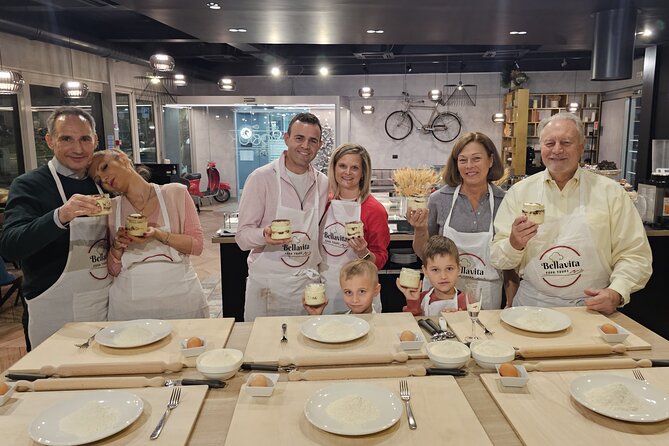
You meet at Via Firenze, 8, 00184 Roma RM, Italy. The big practical win here is simplicity: it ends back at the same meeting point, so you’re not stuck trying to figure out transportation after you’ve cooked and eaten. The location is also noted as near public transportation, which matters in Rome, where getting across town can eat up your night.
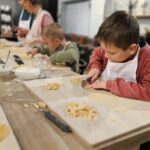
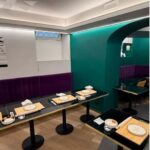
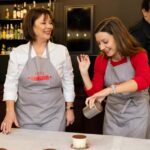
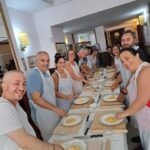
The class runs in English and is designed for a maximum of 12 travelers. That number is important. In a room that small, the chef (and guides) can correct your dough consistency, show you how to shape without tearing, and answer questions before you fall behind. Reviews repeatedly describe the setting as cozy and authentic—more like a kitchen session with real instruction than a performance.
One more practical detail: you get a water bottle. That’s not flashy, but when you’re working with flour and focusing on technique, having water handy helps you stay comfortable and keep your energy up for the dessert part.
You can also read our reviews of more tours and experiences in Rome.
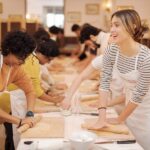
What you’re really learning: fettuccine dough that holds together
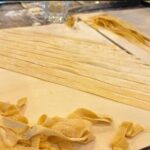
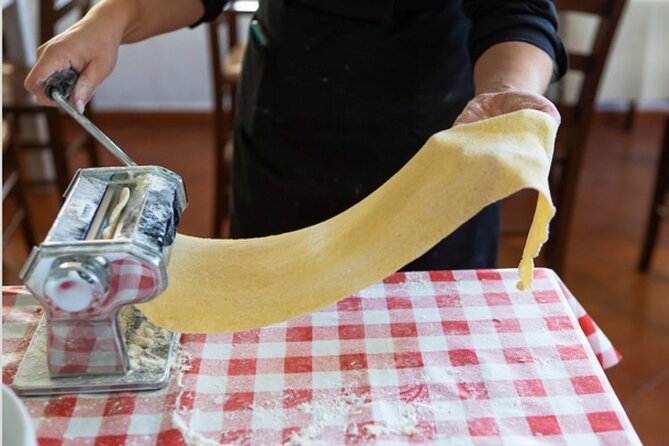
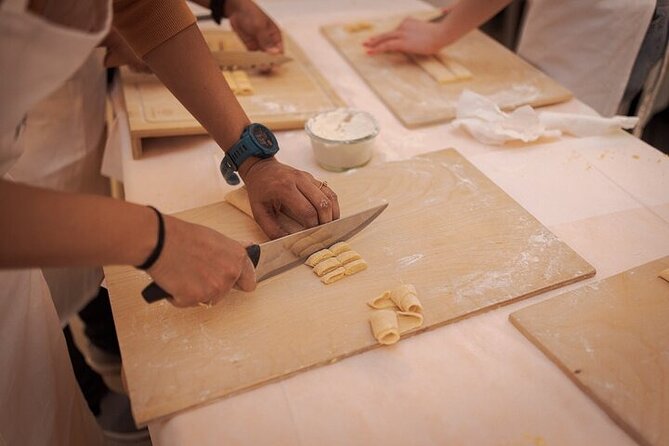
The class is built around three dishes, and the first one—fettuccine—sets your baseline for everything else. You’ll make pasta from scratch, including the kneading and dough shaping steps that decide whether your pasta feels smooth and elastic or stiff and frustrating.
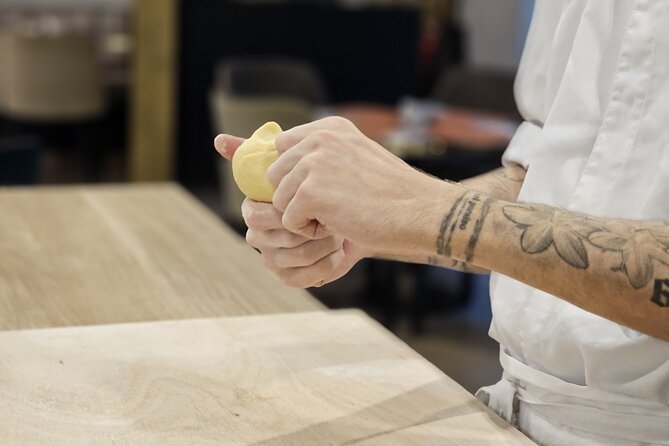
What I like about starting with fettuccine is that it teaches you the most transferable skill in the whole experience: how to read the dough. Several reviews bring up the idea of getting the right consistency, and that’s where a good chef earns their pay. When you learn what the dough should feel like, you stop guessing. You start adjusting.
You’ll also get hands-on time with the tools and process—so even if you’ve never made pasta before, you’re not just memorizing steps. This is the kind of lesson that can actually change how you cook at home later, because the chef’s guidance focuses on technique, not just outcomes.
Turning technique into ravioli: filling, folding, and focus
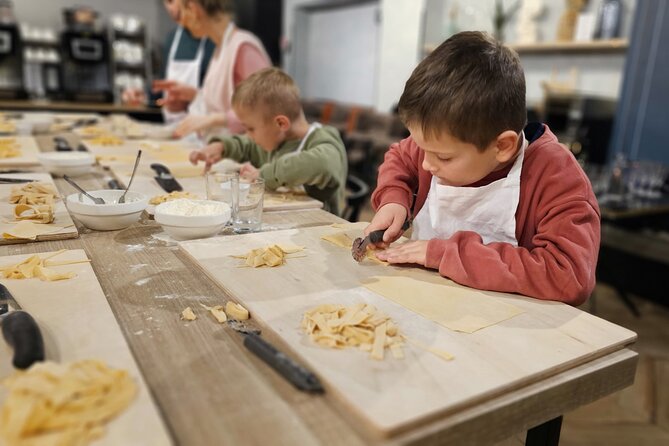
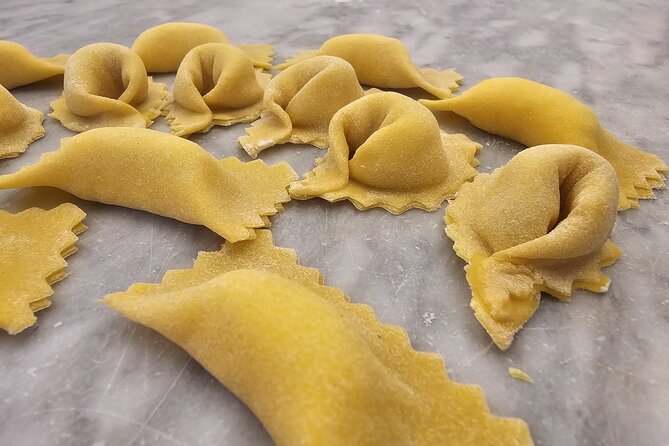
Next up is ravioli, and this is where the class earns its “skill-building” reputation. Ravioli is not hard just because the dough is thin. It’s hard because you have to manage a few moving parts at once: thickness, filling amount, sealing, and shape.
In a small group, that’s exactly what you want. If your dough is sticking or your folds aren’t sealing, you can get help right away instead of waiting for the next round of attention. Reviews mention chefs who were patient and professional—people using encouragement, humor, and clear instruction to make challenging techniques feel approachable.
Also, ravioli is the dish that most strongly connects to Italian home cooking. It’s comforting, it’s practical, and it’s a great way to understand how Italian meals are built around the ingredients—not around store-bought shortcuts. You’ll leave knowing how to portion filling and how to handle pasta without panicking when it wants to misbehave.
Tiramisu skills you can repeat: layering with confidence
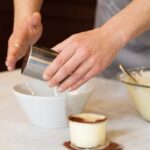
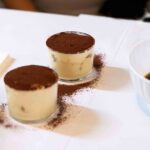
Then comes dessert, and it’s not just a sweet finish. The class teaches tiramisu with an emphasis on doing it correctly—reviews mention layering the perfect tiramisu and describe the dessert as divine. That matters, because tiramisu is one of those foods that can turn from great to disappointing fast if the balance is off.
What you’ll learn here is how to assemble tiramisu so it holds together and tastes right. Even if you’re not a dessert person, you’ll probably feel the payoff because tiramisu is forgiving in a way pasta isn’t. You get to use what you’ve learned from the first part of the class—focus, timing, and following the chef’s cues—and then apply it to something that tastes amazing no matter what.
And yes, the class ends with you eating what you made. That’s not a minor detail. When you finish a meal you made yourself, you remember the steps better. You also notice the small things the chef cared about, like texture and balance, because you’re not just watching—you’re tasting your results.
The flow of the 3-hour class: hands-on, eat-at-the-end
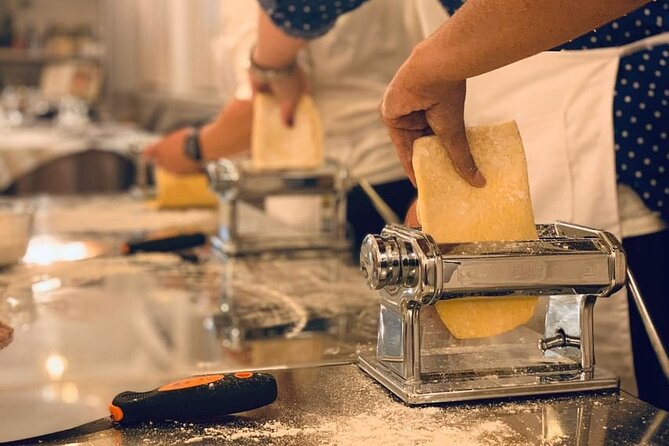
You’re looking at about 3 hours total. That duration is a sweet spot for three reasons:
1) There’s enough time to actually make pasta dough, shape, and assemble the dishes.
2) You’re still within an evening block that doesn’t wreck your Rome plans.
3) You get to sit down and enjoy the meal you prepared, so it doesn’t feel like you worked for nothing.
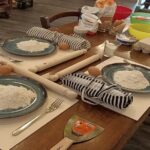
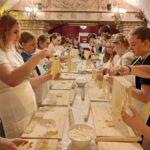
The experience is set up so you’re active the whole time. Expect kneading, rolling or shaping steps, and dessert assembly. The included ingredients, equipment, and utensils keep the class focused. You aren’t paying for the “materials headache.” You just show up, follow instruction, and cook.
One small consideration: since it’s hands-on, the class is best for people who don’t mind getting a little flour on their clothes and learning through doing. If you’re trying to keep your night perfectly clean and polished, plan for a change of shirt or choose something you’re okay with getting messy.



Chefs and guides: why the teaching style shows up in reviews
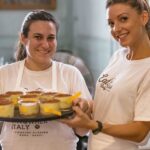
The name of the game is instruction quality, and that’s exactly what reviews spotlight. Chefs named in reviews include Chef Giuseppe, Chef Danilo, and Chef Hassan. The consistent theme is that the chefs brought patience and clarity, sometimes with energy and humor, but always with guidance that made technique feel doable.
Guides also get called out by name. Reviews mention Sam and Illaria, and another set of comments mentions Amr, Sam, Illaria, and Elisa as part of the team. Even without knowing which guide you’ll have, the takeaway is useful: this isn’t a one-person show. There’s enough staffing that you can get help when your dough or filling needs a quick fix.
That matters for beginners. Pasta-making has a learning curve, and the difference between a fun class and a stressful one is whether someone corrects your technique early. Here, reviews describe correction as friendly and practical, not harsh or rushed.
Price and value: $79.47 for real skills, not just dinner
At $79.47 per person, this class isn’t the cheapest activity in Rome. But it also isn’t overpriced for what you’re getting.
You’re paying for:
- ingredients for three dishes (fettuccine, ravioli, tiramisu)
- equipment and utensils
- hands-on coaching from a professional chef
- a sit-down payoff meal made from scratch
- a small-group setting capped at 12
Compare that to the cost of eating out. You could spend a similar amount on dinner, but you’d get food, not skills. And compared to a separate pasta lesson followed by dessert somewhere else, bundling everything into one session is efficient.
What’s not included is also clear: no hotel pickup or drop-off, and gratuities for the chef aren’t included. If you prefer guided experiences where transportation is handled for you, you’ll need to plan your own route to Via Firenze, 8. But if you like independence and you’re comfortable using public transport, that’s not a deal-breaker.
Who this class is best for (and who might want something else)
This experience is a strong fit if you want a hands-on evening and you care about food details. It’s also ideal if you’re traveling with friends and want something that feels social without being loud or chaotic. Several reviews describe it as perfect for bonding, with an intimate feel.
You’ll likely enjoy it most if:
- you like cooking and want to learn technique you can use at home
- you’re a beginner who benefits from step-by-step guidance
- you want an authentic Rome experience that ends with a meal you made
You might skip it if:
- you want a purely sightseeing-based night with minimal effort
- you strongly prefer not to handle dough, flour, or filling
- you’re expecting a long, leisurely walk-through style experience
Should you book this Rome pasta and tiramisu class?
If you want a night that feels distinctly Italian and actually teaches you something, I think this is a good bet. The best part is the combination: you learn fettuccine and ravioli (the real pasta skills) and then you finish with tiramisu (the dessert payoff). Add in the small group size and the teaching focus mentioned by review after review, and you get a class that’s hard to replicate on your own.
My practical advice: book it if you’re excited to cook and you want a memorable souvenir that doesn’t live only on your camera roll. Skip it only if you’re not ready for hands-on work or you’d rather spend the evening doing more sightseeing than cooking.
FAQ
What dishes are included in the Rome cooking class?
The class includes making fettuccine, ravioli, and tiramisu. You’ll also eat the meal you prepare.
How long is the cooking class?
It’s about 3 hours.
What’s the group size limit?
The experience has a maximum of 12 travelers.
Where does the class meet?
It starts at Via Firenze, 8, 00184 Roma RM, Italy.
Is hotel pickup or drop-off included?
No, hotel pickup and drop-off are not included.
What is the cancellation policy?
Cancellation is free. You can cancel up to 24 hours in advance for a full refund. Canceling less than 24 hours before the start time is not refunded.