REVIEW · ROME
Rome: Traditional Pasta and Tiramisu Cooking Class
Book on GetYourGuide →Operated by Estaalia · Bookable on GetYourGuide
Fresh pasta and tiramisu in Rome: a dream. What makes this class interesting is the hands-on small-group setup plus the chef-led focus on fresh dough and classic tiramisu. I like that you cook step by step, not just watch, and I like the way the timing is built around how these dishes actually come together. The only drawback: this is an active workshop, so if you want a mostly passive tour, you may not feel satisfied.
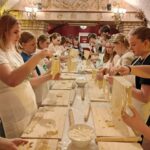
You meet at GOAT Gallery on Via dei Capocci 26 for a relaxed 2.5-hour afternoon. Before hands go into dough, you start with a glass of prosecco and a quick grounding in pasta and tiramisu history, led by the Estaalia team (English and Spanish), with instructors like Estefanie mentioned in past sessions. After that, it is aromas, hands-on cooking, and a tasting where you get to enjoy what you made.
In This Review
- Key points worth your attention
- A Relaxed Afternoon in Rome’s Pasta-Making Workshop
- Meeting at GOAT Gallery (Via dei Capocci 26) and Getting Set Up
- Prosecco, Then the Pasta-and-Tiramisu Story Behind the Plate
- Fresh Pasta Dough: The Technique You’ll Actually Use Again
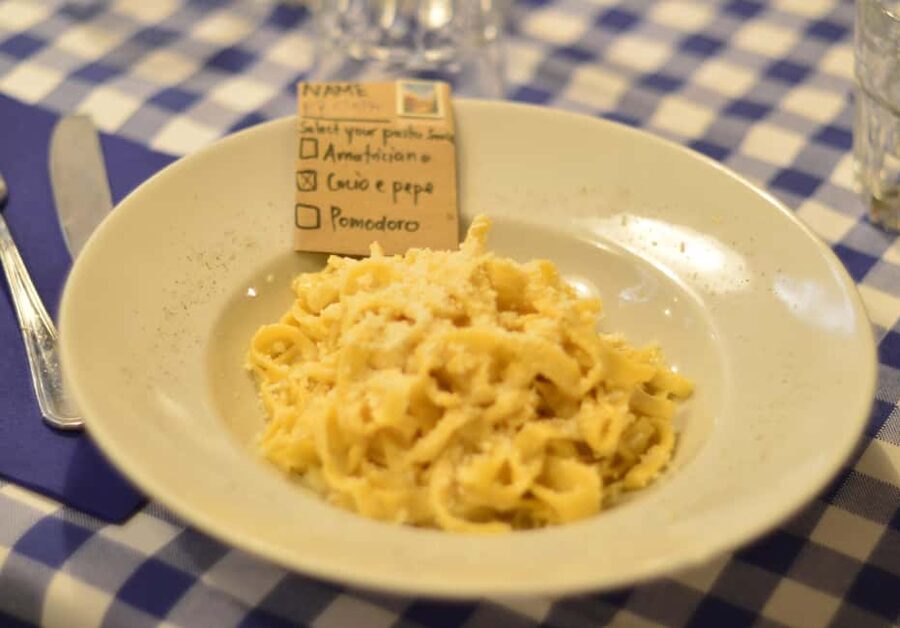
- Choosing the Right Homemade Sauce for Your Noodles
- Tiramisu Step-by-Step: Timing, Texture, and That Set Moment
- Wine, Tastings, and the Point of the Class
- Price and Value: Is $88 a Good Use of Your Time?
- Who This Cooking Class Suits Best
- Practical Tips Before You Go
- Should You Book This Rome Pasta and Tiramisu Class?
- FAQ
- How long is the Rome pasta and tiramisu cooking class?
- Where do I meet the cooking instructor?
- What’s included in the price?
- Are transportation or extra drinks included?
- What languages are offered during the class?
- Is this class suitable for children or wheelchair users?
Key points worth your attention
- Small group (max 10): more time with the chef and less standing around.
- Hands-on pasta and tiramisu: you make both, not just one dish.
- Prosecco plus a proper tasting: you get to drink and then eat what you cooked.
- Timing that makes sense: tiramisu sets while you work on the pasta.
- Beginner-friendly pace: all cooking levels are welcome.
A Relaxed Afternoon in Rome’s Pasta-Making Workshop
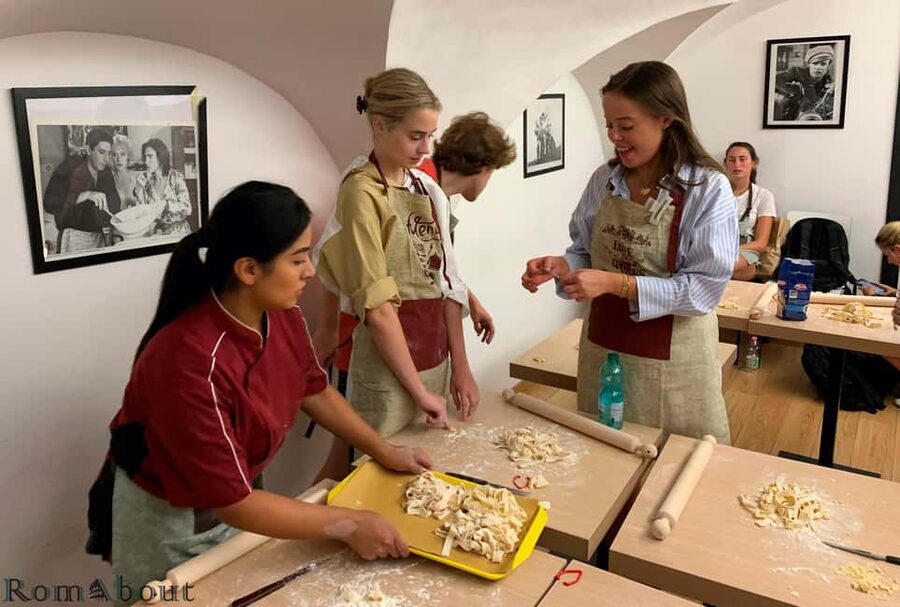
This cooking class is built for people who want real food skills, not just a photo moment. You spend about 2.5 hours in Lazio learning the logic behind Italian comfort cooking: technique first, then ingredients, then the final plate.
I like that it is structured like a working kitchen lesson. You get short context at the start, then you move right into production. The session ends with tasting everything you prepared, which is the part most classes skip or shrink.
If you’re planning a trip where you want at least one day that feels local and practical, this fits nicely. You’ll learn how dough should feel, how sauces are picked, and how tiramisu becomes tiramisu. That’s the kind of takeaway you can repeat at home without chasing a complicated recipe.
You can also read our reviews of more tours and experiences in Rome.
Meeting at GOAT Gallery (Via dei Capocci 26) and Getting Set Up
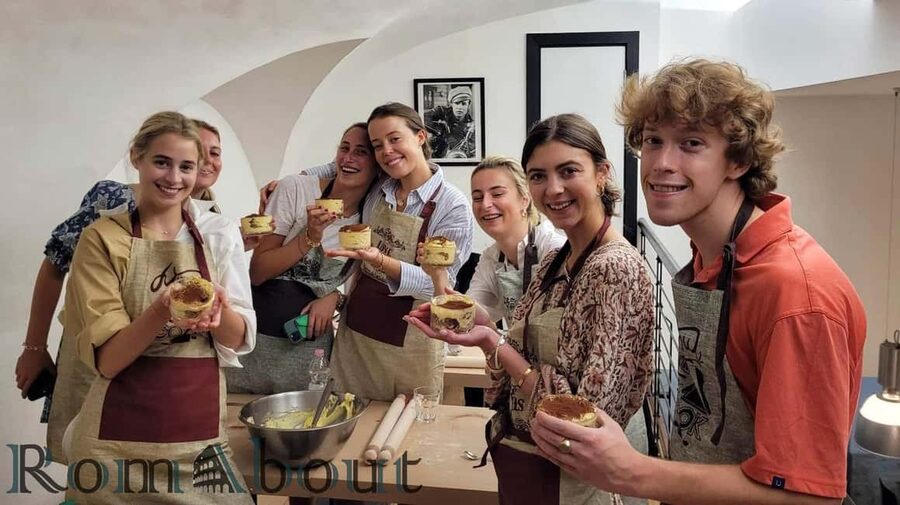
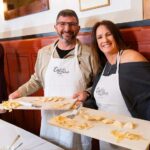
The meeting point is GOAT Gallery, Via dei Capocci 26. It’s the kind of location that makes you feel like you’re starting a curated afternoon, not just being dropped at a random kitchen counter.
Once you arrive, you’re expected to dress for movement and flour. Bring comfortable shoes and clothes. Bare feet are not allowed, and large bags are not a thing here, so pack light for this one.
That might sound minor, but it affects your experience. When you’re not wrestling with luggage or uncomfortable footwear, you can focus on the task: learning how fresh pasta dough behaves and how tiramisu layers should look and set.
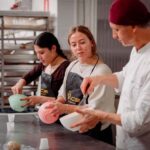
Also note the class is limited to 10 participants. For you, that means the chef can correct details without shouting over a big group, and you are more likely to get answers to your questions in real time.
Prosecco, Then the Pasta-and-Tiramisu Story Behind the Plate
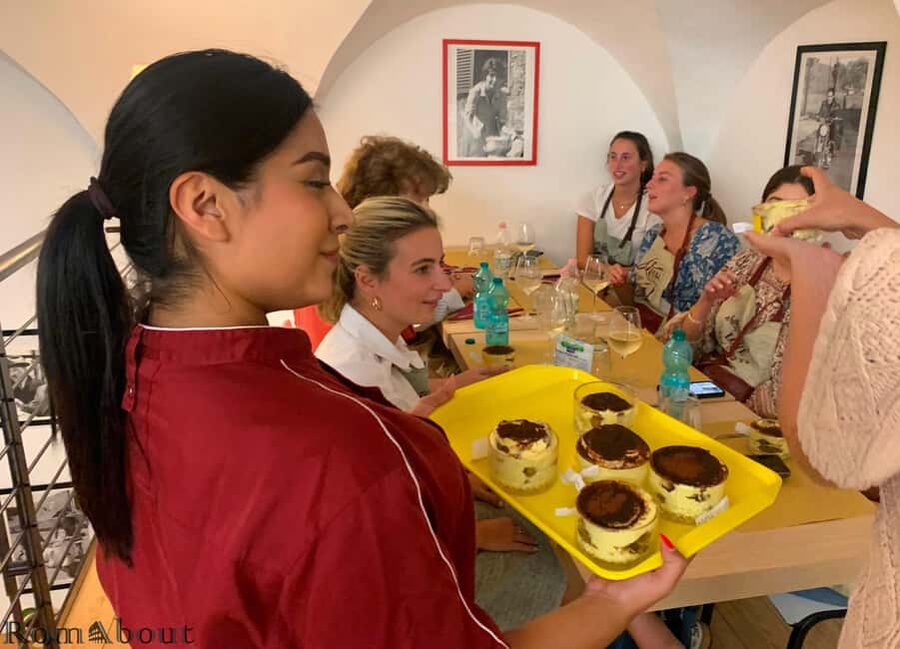
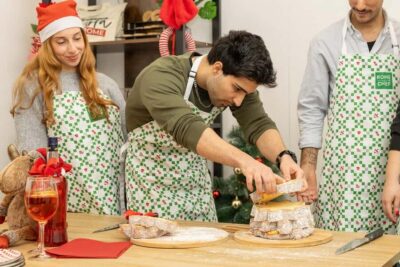
Before cooking starts, you get a brief overview of pasta and tiramisu history. You’ll also have a glass of prosecco. It’s not a long lecture, and that’s good. The point is to give your hands something to connect to.
Here’s what that approach does for you: it helps explain why pasta traditions are so ingredient-sensitive. In Italian cooking, a dish usually has a clear identity, and that identity shows up in textures and method. Pasta is about dough structure. Tiramisu is about cream texture and timing.
The prosecco at the beginning keeps the mood relaxed while you get orientated. Then once you roll up your sleeves, you move from background context to practical technique. It’s a comfortable shift, and it prevents that awkward start where everyone is hungry but still waiting.
Fresh Pasta Dough: The Technique You’ll Actually Use Again
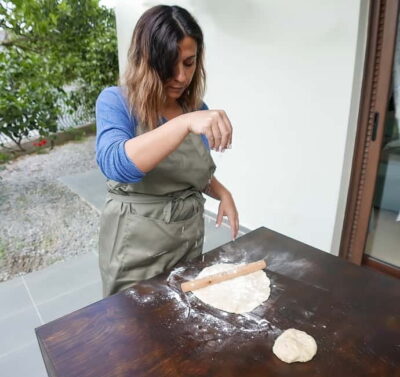
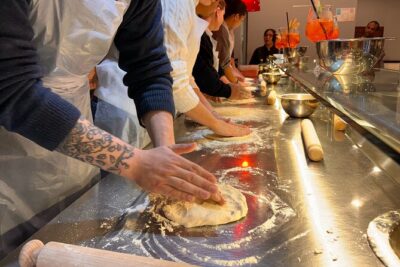
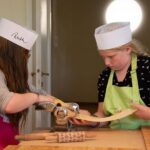
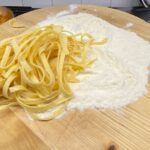
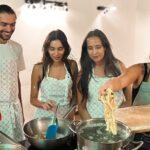
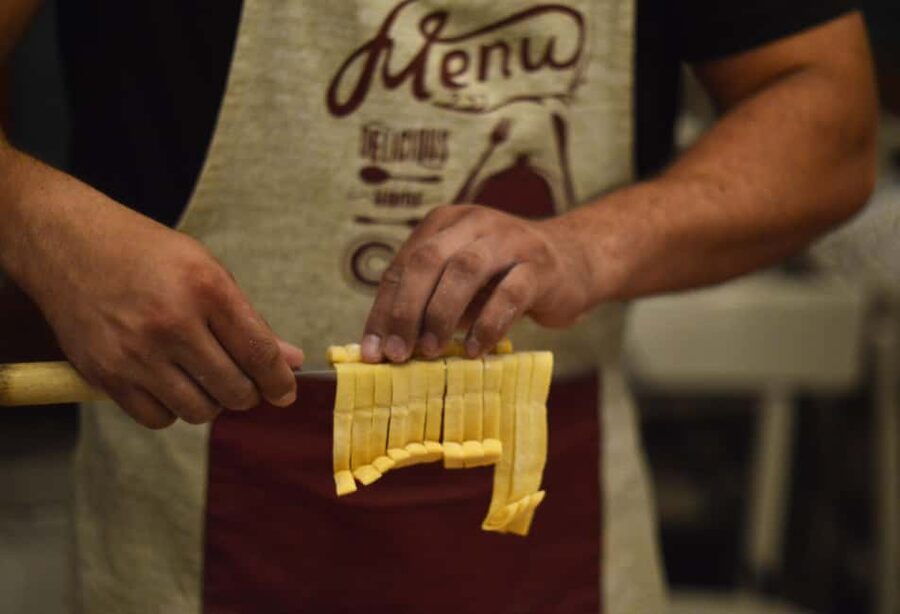
The core of the class is fresh pasta dough. This is where the lesson turns from food talk into skills. You’ll follow a step-by-step process, led by a professional chef, and you’ll learn the secrets of ingredient choices for better results.
What I like about this part is that it emphasizes how to build the dough, not just what ingredients to use. Even without exact measurements in your head, you can learn the feel: how dough comes together, how it stretches, and what happens when you shape it.
You’re also not doing it alone. A chef guides the steps so you can avoid common mistakes. That matters for first-timers, because homemade pasta can feel intimidating until someone shows you the right progression.
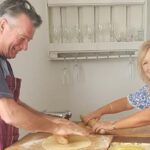
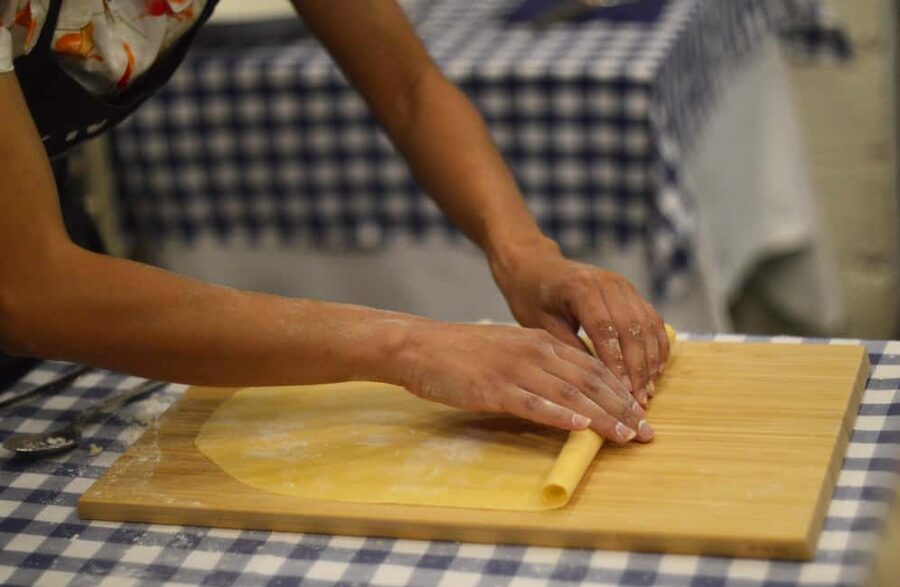
Then comes shaping. The class includes rolling and shaping your pasta after you’ve mixed the dough. That’s the moment where your pasta becomes yours.
Choosing the Right Homemade Sauce for Your Noodles
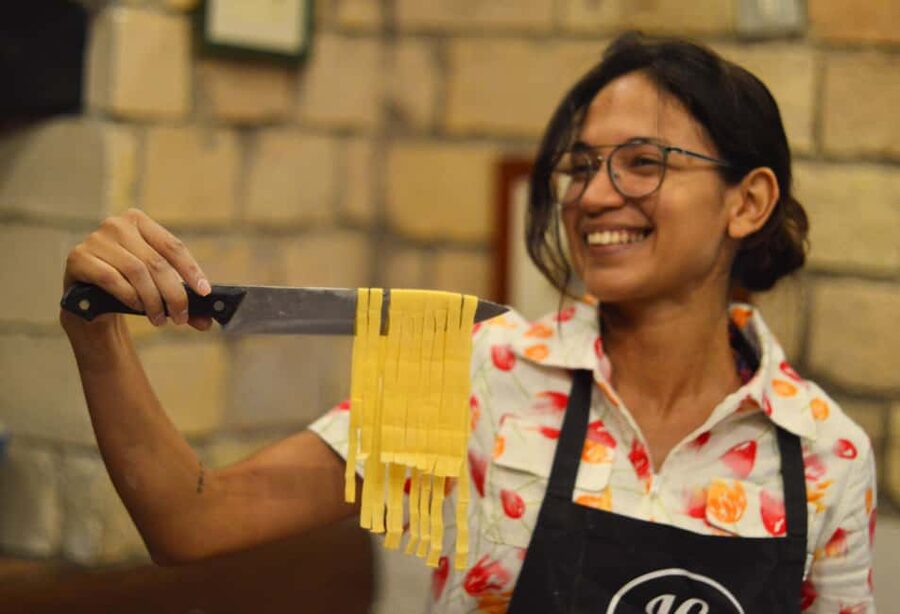
After shaping your pasta, you choose the perfect homemade sauce to pair with it. This is one of the best parts of the format, because sauce is not an afterthought in Italian cooking. Your sauce choice changes the whole eating experience: the bite, the mouthfeel, even how satisfying the dish feels.
You also get to see how pasta and sauce planning connects. It is easy to make dough and forget the rest. This class keeps you moving so you build a full meal.
The sauce component also makes the class more valuable if you love cooking at home. Once you understand pairing logic, you can recreate the idea with what you have—rather than treating every meal like a one-time recipe.


Tiramisu Step-by-Step: Timing, Texture, and That Set Moment
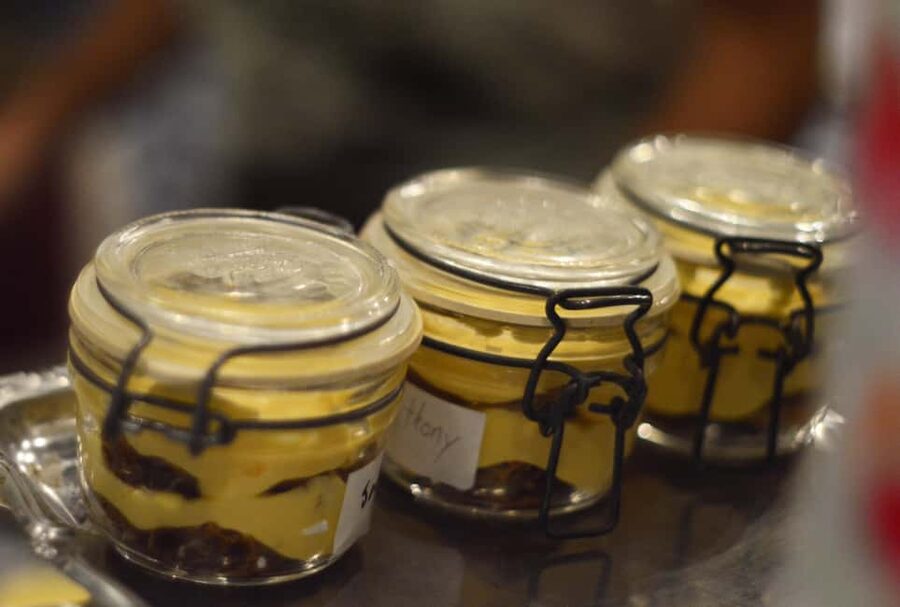
While your tiramisu sets, you work on the pasta. That timing is smart and realistic. Tiramisu is not only about mixing; it’s about what happens after the layers are assembled.
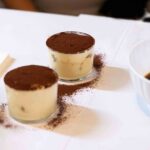
The chef teaches the step-by-step tiramisu method. You’ll prepare it, then allow it to sit so the flavors meld and the texture firms up. This makes a big difference between tiramisu that tastes flat and tiramisu that tastes like you planned ahead.
The class focuses on the traditional method. That’s valuable because tiramisu has strong expectations. Texture matters: how the cream holds, how the layers absorb, and how the final bite feels. When you learn the steps, you’re learning how those textures are created.
And you get to see the practical rhythm of Italian kitchens: production first, resting time built into the schedule, and then final finishing. You won’t be waiting around with nothing to do. You’ll be actively prepping pasta while the tiramisu does its thing.
Wine, Tastings, and the Point of the Class
At the end, you taste all the dishes you just learned to prepare. This includes what you made with your fresh pasta and the traditional tiramisu.
You’ll also have a glass of wine and a bottle of water included. The drinks feel like part of the celebration, not an upsell.
For you, tastings matter because they complete the learning loop. You can connect technique to flavor and texture. It’s one thing to learn how to make dough. It’s another thing to eat it minutes later and understand what good pasta feels like in your mouth.
Also, since the class includes all ingredients and utensils, you’re not left at the end wondering what you still need to buy. You walk away with the method and the confidence to repeat it, rather than a shopping list that grows every time you check your pantry.
Price and Value: Is $88 a Good Use of Your Time?
At $88 per person for a 2.5-hour class, the value comes from three big buckets: instruction, ingredients, and the full meal outcome.
You’re paying for professional chef-led coaching in a small group. You’re also getting all ingredients and utensils, which is a hidden cost most DIY cooking classes forget to mention. On top of that, you don’t just taste one item. You make fresh pasta and traditional tiramisu and then eat both.
Add in the included drinks—a prosecco glass at the start plus wine at the end—and the session starts to look like a full experience, not just a cooking lesson.
Where it can feel less cost-effective is if you already have a household that cooks regularly and you mostly want entertainment. This is a skills class. If you’re expecting a guided history tour with minimal hands-on time, you might feel the money is better spent elsewhere.
But if you enjoy cooking or you want one memorable, practical day in Rome, it’s priced like a premium activity for a reason.
Who This Cooking Class Suits Best
This class works best for people who learn by doing. If you like step-by-step guidance, enjoy working with food textures, and want a repeatable home recipe, you’ll likely have a great time.
It’s also a strong fit for couples or small groups—because max 10 participants keeps things personal. One booking highlighted a session that felt especially special because it was just two participants, which made the instruction feel even more tailored.
Families can fit too, as long as the kids meet the age requirement. The class notes children under 4 aren’t suitable, and one past booking specifically mentioned it went well with a 7-year-old. If you’re traveling with kids, just remember this is an active cooking session, so their attention span and willingness to follow instructions matter.
It is not suitable for wheelchair users, and it is also not suitable for people with food allergies. If allergies are part of your planning, you’ll need to be cautious because you do not have allergy accommodations listed here.
Practical Tips Before You Go
For the best experience, keep your expectations aligned with a working kitchen style lesson.
- Wear comfortable clothes that you don’t mind getting flour on.
- Wear comfortable shoes, since you’ll be standing and moving.
- Bring an appetite. You’ll end up eating what you make.
- Don’t bring pets or luggage/large bags. Plan for a tidy, hands-on setup.
If you come in with a beginner mindset, you’ll benefit most. The class welcomes all cooking levels, and the structure is designed to walk you through the process rather than assume you already know pasta dough and cream layering.
Should You Book This Rome Pasta and Tiramisu Class?
Book it if you want a genuinely useful souvenir: homemade pasta skills and traditional tiramisu technique, taught by a professional chef in a small group, with a full tasting at the end. The $88 price makes sense because you’re paying for instruction plus ingredients plus two complete dishes—not just a demo.
Skip it if you’re mainly after sightseeing, or if you prefer watching instead of cooking. Also skip it if food allergies are a concern or if you need wheelchair accessibility.
If you want one afternoon in Rome that feels both local and practical—and you’d like to bring dinner skills home—this is a strong choice.
FAQ
How long is the Rome pasta and tiramisu cooking class?
The class runs for 2.5 hours.
Where do I meet the cooking instructor?
You meet at GOAT Gallery, Via dei Capocci, 26.
What’s included in the price?
A glass of prosecco, cooking class with a professional chef, all ingredients and utensils, a glass of wine plus bottle of water, and tasting of the prepared dishes.
Are transportation or extra drinks included?
No. Transportation to the venue and additional food and drinks are not included.
What languages are offered during the class?
The instructor teaches in English and Spanish.
Is this class suitable for children or wheelchair users?
Children under 4 years old are not suitable. Wheelchair users are not suitable, and people with food allergies are not suitable either.