REVIEW · RETHYMNO
Rethymno: Traditional Cooking Class in a Cretan Village
Book on GetYourGuide →Operated by Chrysoula's traditional cretan home cooking lessons · Bookable on GetYourGuide
Wood-fired Cretan cooking feels like family. In Rethymno, you get hands-on lessons inside Chrysoula’s home kitchen, with a wood oven doing most of the work, and a real sense of welcome from the people teaching you. I love that the recipes feel practical and true to how Cretans actually cook, and I love that you eat as you go, so the class ends with food you can point to and say, I made that.
Come hungry, because you do not just nibble. The meal includes local wine and ends with raki, so if you prefer a lighter evening, plan accordingly.
In This Review
- Key highlights worth carving out time for
- Why This Rethymno Cooking Class Feels Personal
- The Welcome Spread: Greek Coffee, Homemade Lemonade, and Olive-Oil Rolls
- Starters in a Cretan Rhythm: Dakos, Tzatziki, and Greek Salad
- The Wood Oven Moment: Where Technique Meets Atmosphere
- Mains You Can Picture Immediately: Gemista and Mousaka
- Dessert That Feels Cretan: Tyropitakia, Honey, Cinnamon, and Ice Cream
- Drinks With the Meal: Local Wine and Raki at the End
- Dietary Needs and Adaptations: Vegetarian-Friendly and Allergy-Aware
- Ingredients Matter: Farm and Local Produce, With a Few Store Staples
- Price and Value: What $110 Buys You in 3.5 Hours
- Who Should Book This (and Who Might Think Twice)
- Should You Book Chrysoula’s Traditional Cretan Cooking Class?
- FAQ
- How long is the Rethymno cooking class?
- What dishes will I cook during the class?
- Is there a vegetarian option or can dietary needs be accommodated?
- Is lunch or dinner included?
- Are drinks included?
- What will I be served when I arrive?
- Does the host speak English?
- Is the class wheelchair accessible?
- How much does it cost?
- What is the cancellation policy?
- Can I pay later instead of paying everything now?
Key highlights worth carving out time for
- Wood-oven cooking in a family home setting where the atmosphere is part of the lesson
- Classic Cretan dishes in a full sequence: starter, main, and dessert
- Hands-on instruction from Chrysoula (and her home team), with lots of conversation
- Fresh ingredients coming from her family farm or local farmers when possible
- Drinks that match the meal: local wine and raki included
- Dietary flexibility with vegetarian options and allergy adaptations
Why This Rethymno Cooking Class Feels Personal
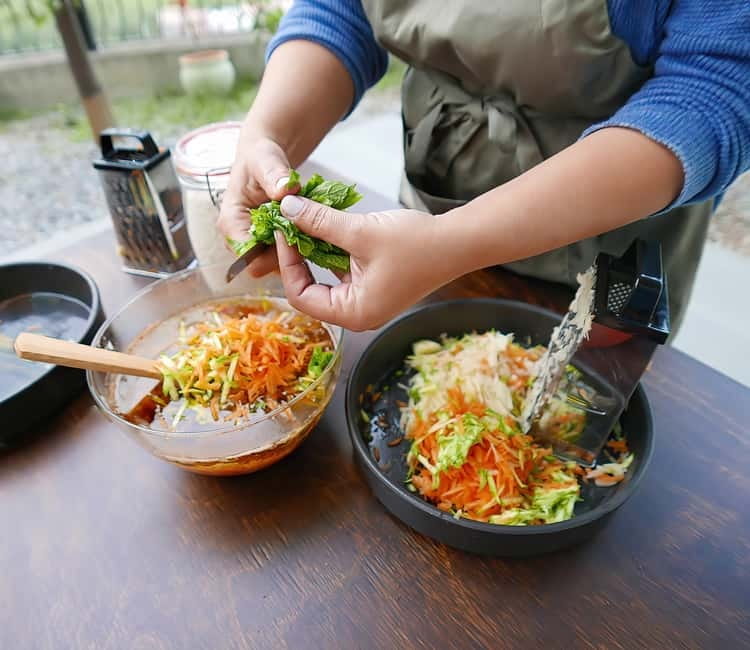
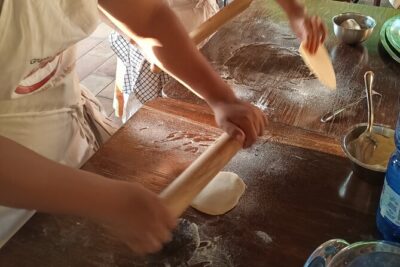
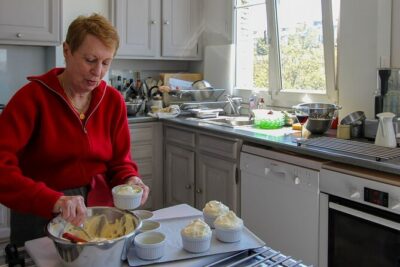
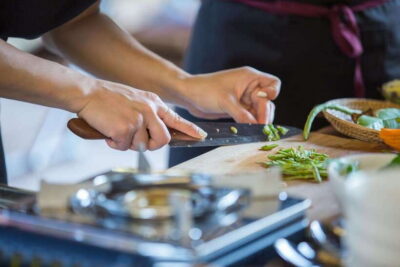
This is the kind of cooking class where you’re not stuck watching someone else work. You’re in the kitchen, learning the steps, tasting along the way, and turning out a full Cretan meal—starter, main, and dessert—together with your hosts.
What really makes it different is the setting. Instead of a studio or a rented room, you’re in a real home, with the cooking tied to the wood oven and the rhythms of Cretan food. Many classes teach recipes. This one also teaches how people think about meals: what to serve, what to pair, and when to slow down and enjoy.
And yes, the hosts bring the energy. Multiple people highlight Chrysoula’s warmth, personality, and humor, and that matters more than you’d think. When the teacher is relaxed and genuinely proud of the food, you pick up techniques faster and you make it through the whole cooking-and-eating marathon feeling like part of the day, not an observer.
One practical note up front: portions can be generous, and drinks are part of the experience. You’ll want to plan nothing heavy later that night.
You can also read our reviews of more tours and experiences in Rethymno.

The Welcome Spread: Greek Coffee, Homemade Lemonade, and Olive-Oil Rolls
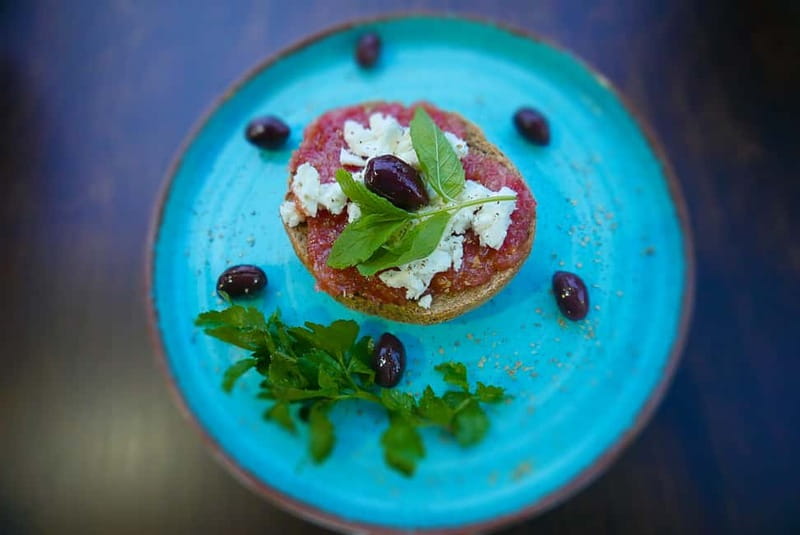
Your class doesn’t start with a whiteboard. It starts with food and drinks that feel like you’ve wandered into a real Cretan afternoon.
Expect a warm welcome with Greek coffee or herbal tea, plus homemade lemonade. You’ll also get local bites like ladokouloura (those olive-oil rolls) and loukoumakia (sweet treats). It’s a simple touch, but it sets the tone: you’re eating local flavors right away, then learning how to build the meal you’re already craving.
For me, this is one of the smartest parts of the experience. You arrive hungry, you settle in, and your taste buds wake up before you start chopping and cooking. You also get a chance to chat with the people hosting you—more on that below—so the class feels like a shared table rather than a one-way lesson.
Starters in a Cretan Rhythm: Dakos, Tzatziki, and Greek Salad
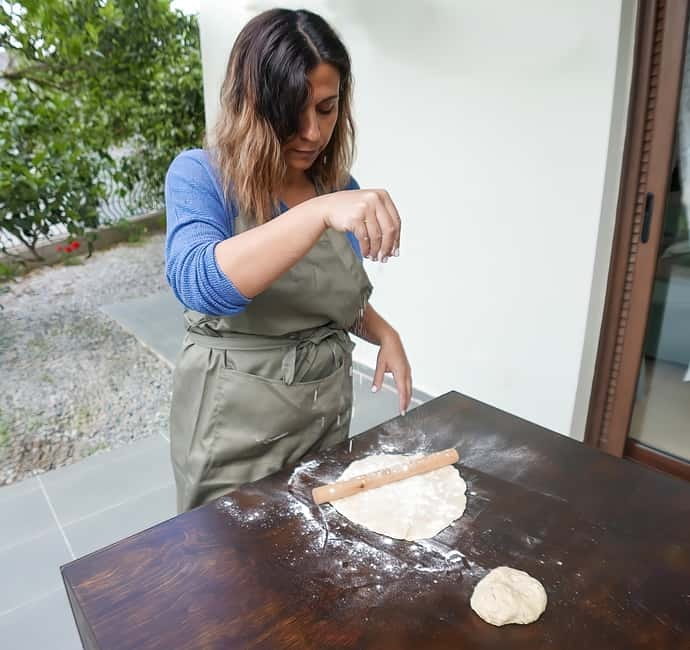
Once you’re settled, you begin with starters. This matters because it teaches you how Cretan meals start: with bright flavors, herbs, olive oil, and textures that make the rest of the menu feel even better.
You might make dishes like:
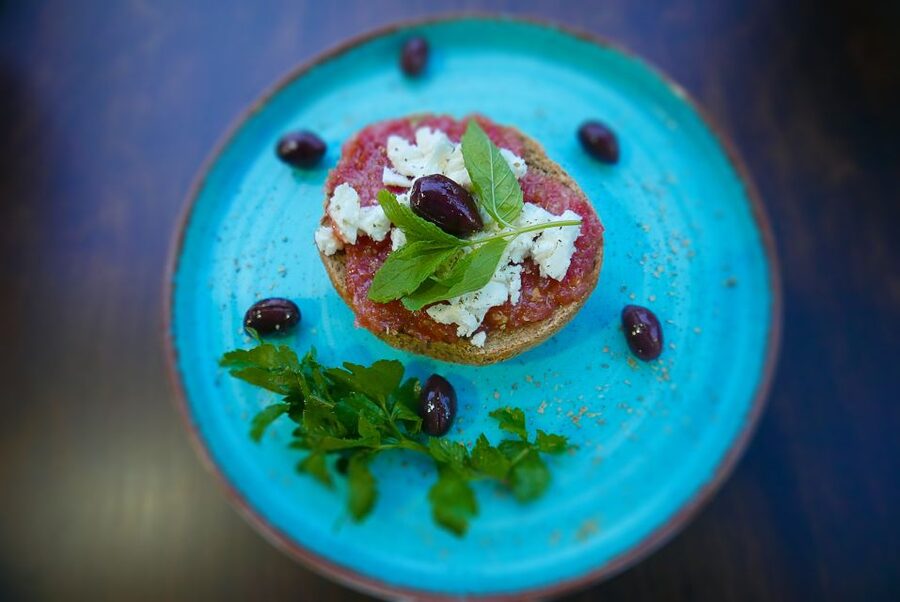
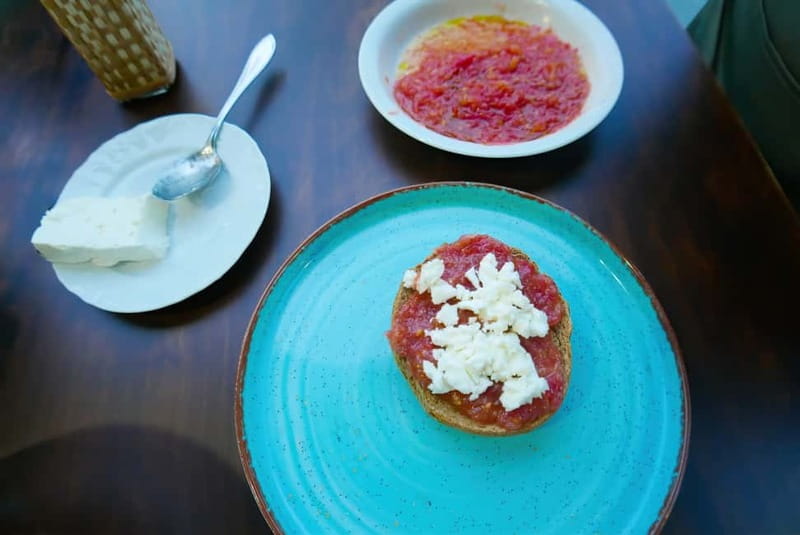
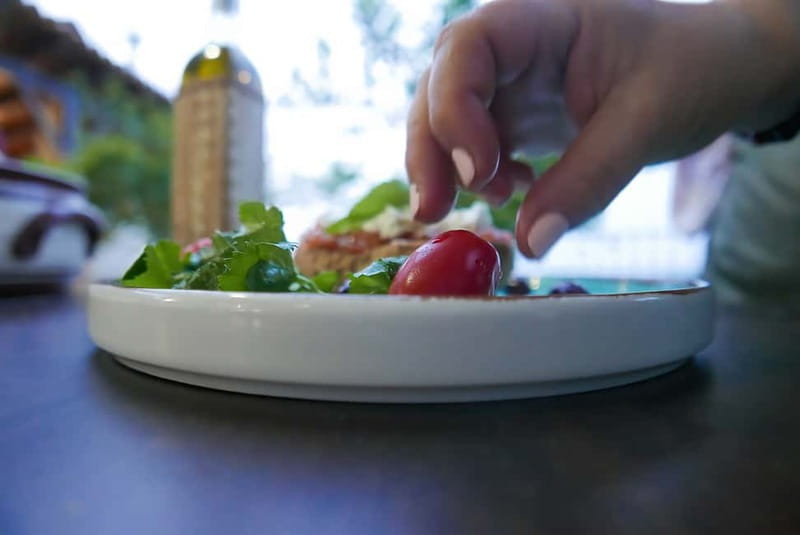
- Dakos (Cretan salad with tomato, cheese, olive oil, herbs)
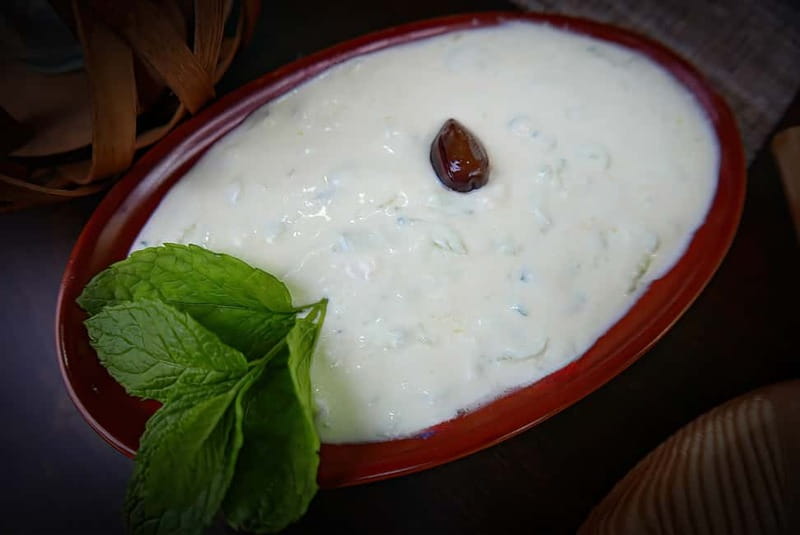
- Tzatziki (the famous creamy Greek dip)
- Greek salad (fresh, straightforward, and packed with flavor)
What I like here is the focus. These aren’t complicated “showy” foods. They’re built on ingredients that make sense in Crete—cheese, tomatoes, herbs, olive oil, and that clean tang that Greek salads are known for. As you work, you also get a feel for seasoning. It’s not just follow-the-recipe; you learn what to taste for while you cook.
Also, these starters aren’t just practice runs. They’re part of the meal you’ll sit down to enjoy, and that’s a key difference from many classes where the hands-on part ends and the eating part comes later. Here, your work turns directly into your first bites at the table.
The Wood Oven Moment: Where Technique Meets Atmosphere
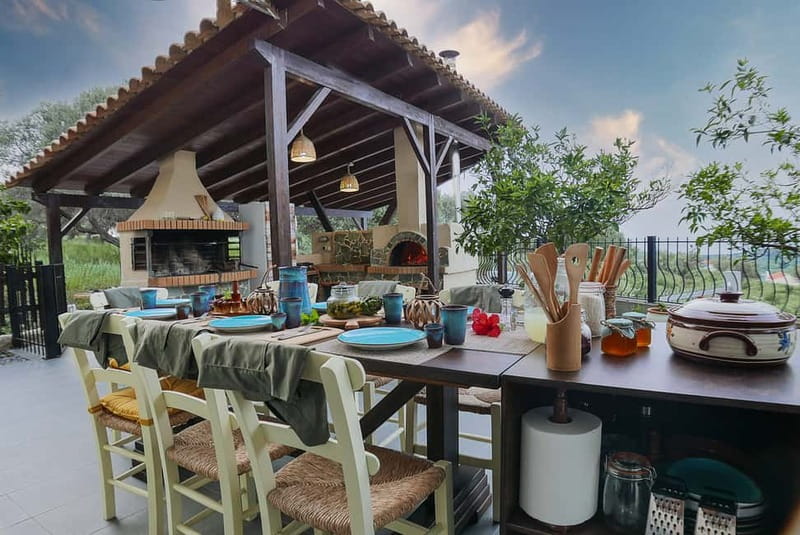
Even if you’re comfortable cooking at home, there’s something different about wood-oven food. Heat behaves differently. Timing feels different. And when you’re cooking in a place like this—connected to the home and the setting—it’s easier to pay attention to the small cues.
In this class, the wood oven is a central feature. The outside cooking area and views around the home show up often in people’s praise, and you can see why. Food tastes better when the whole environment is pleasant and you’re not crowded into a tight space.
This is also where the instruction becomes more than just recipes. You learn how to coordinate steps so things aren’t finished at random times. You learn when to focus, when to relax, and when to taste and adjust. That’s the kind of lesson you can actually take home.
Mains You Can Picture Immediately: Gemista and Mousaka
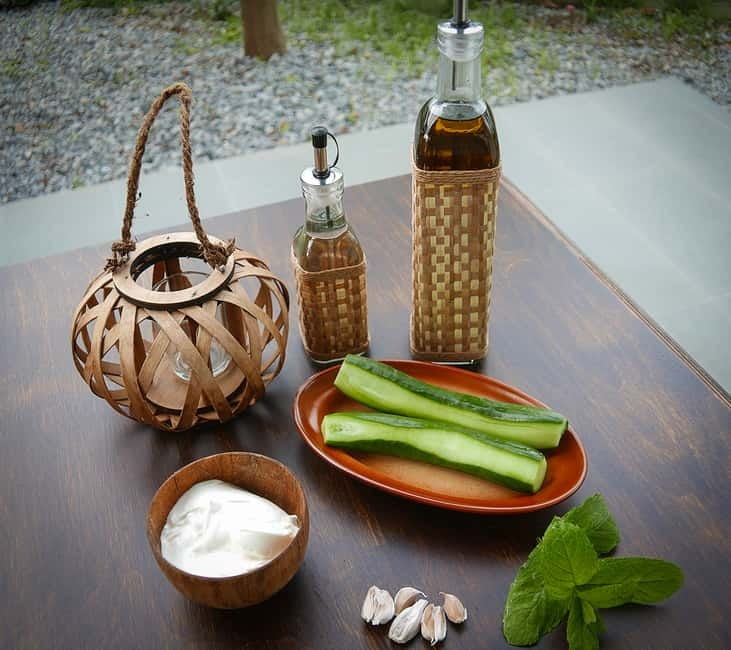
The main course is where Cretan cooking really feels like Cretan cooking. The class leans into dishes that show off both vegetables and hearty comfort food.
You may cook:
- Gemista (stuffed vine leaves, zucchini flowers, tomatoes, zucchini, and pepper)
- Moussaka
These dishes can look intimidating on a menu. In a class like this, they become manageable because you break the work into steps. You also get guidance from the host in the middle of the process, not after.
What’s valuable for you here is learning the logic. Gemista teaches you how to balance stuffing and seasoning inside delicate wraps and vegetables. Moussaka teaches you structure—layers, browning, and the kind of oven confidence that comes from watching heat and timing closely.
And because the class is held in a home setting, you’re not just cooking in a vacuum. You’re cooking in a social setting where conversation happens. People often mention laughs and interactive teaching. That kind of atmosphere makes it easier to stay focused through the longer main-course work.
Dessert That Feels Cretan: Tyropitakia, Honey, Cinnamon, and Ice Cream
Cretan desserts aren’t about being fancy. They’re about being satisfying and comfort-forward, using cheese, honey, cinnamon, and simple sweetness.
You’ll learn and enjoy dessert options like:
- Tyropitakia (traditional cheese pies)
- Pies with homemade cheese, plus local honey and cinnamon
- Homemade ice cream
- Seasonal fruit
I love that the dessert isn’t treated like an afterthought. It’s part of the menu with the same care. When you’re working with something like cheese pies, you get hands-on experience you can remember—folding, shaping, and understanding why certain flavors belong together.
And the honey-and-cinnamon combination is exactly the kind of local flavor pairing that sticks in your head. Even if you don’t cook much at home afterward, you’ll remember the taste.
Drinks With the Meal: Local Wine and Raki at the End
Wine and raki are included. You’ll have local wine with your meal, and raki comes at the end, which many people point out like a friendly warning: expect the raki.
This is one reason the class can feel like more than a cooking session. It becomes a proper Cretan meal experience. You’re tasting what you made, sitting together, and letting the day slow down.
If you’re sensitive to alcohol or you want to keep the evening totally clear, go in knowing that raki is part of the program. You can still enjoy the cooking and food, but plan your transportation and timing accordingly.
Dietary Needs and Adaptations: Vegetarian-Friendly and Allergy-Aware
One of the best practical parts of the experience is that the menu can be adapted for vegetarian friends and for allergies. That’s a big deal in Greece, where menus often assume meat or dairy-heavy choices.
In a class setting, adaptations are usually trickiest when you want to change ingredients midstream. Here, the program is designed to handle it, so you’re not left hoping for the best.
If you have an allergy, I’d treat it like you would at any restaurant: be explicit before you start cooking. Mention it clearly, and confirm what’s safe in your starter, main, and dessert.
Ingredients Matter: Farm and Local Produce, With a Few Store Staples
What makes the food taste real isn’t just technique. It’s ingredient sourcing.
Many people mention that ingredients come from Chrysoula’s family farm or local village farmers, with at least some staples like rice coming from the store. That mix is normal. The important part is that the class tries to keep the flavor core local.
When you use fresh tomatoes, herbs, and regional produce, your food tastes brighter and more direct. Even if you don’t remember every step later, you’ll remember the difference between “cooked” and “Cretan.”
Price and Value: What $110 Buys You in 3.5 Hours
At $110 per person for about 3.5 hours, this class lands in the mid-to-upper range. You should expect a lot for that price.
Here’s what you’re paying for, in plain terms:
- A full starter-main-dessert menu you eat at the end
- Cooking instruction in a real home kitchen, not a demo
- Use of the wood oven and learning the steps tied to that cooking style
- Local wine and raki included
- A host who teaches with personality and conversation, not just facts
So the value isn’t just the food. It’s the combination of instruction + setting + meal. If you’ve done cooking classes before that felt like 30 minutes of prep followed by an underwhelming tasting, this one feels more complete.
For budgeting, also remember the time. 3.5 hours is long enough to feel like a real event, but not so long that it crushes a day of sightseeing. Just plan dinner nearby, because you’ll likely be very full when you finish.
Who Should Book This (and Who Might Think Twice)
This experience is a strong match if you want:
- Hands-on cooking with classic Cretan recipes
- A home-style meal experience, not a quick tourist demo
- Fun, warm hosting and lots of interaction
- Vegetarian-friendly or allergy-aware options (when needed)
You might think twice if:
- You don’t want to drink wine and raki as part of the meal
- You prefer light, low-key activities with minimal food quantity
- You’re expecting a silent, structured culinary workshop with no social element
For most people, though, the balance works well: you cook, you learn, you eat a full menu, and you leave with the taste of Crete on your tongue.
Should You Book Chrysoula’s Traditional Cretan Cooking Class?
Book it if you want a true village home cooking experience in Rethymno—complete with a wood oven, a full menu, and hospitality that feels like someone’s sharing their everyday tradition with you. The biggest payoff is that you don’t just watch cooking. You do it, taste it, and sit down together at the end.
If you hate the idea of raki or you’re trying to keep your evenings very controlled, plan around the drinks and timing. If you’re open to that, this is one of the most satisfying ways to spend a few hours on Crete.
FAQ
How long is the Rethymno cooking class?
The class lasts about 3.5 hours. You should check available starting times when booking.
What dishes will I cook during the class?
You may cook starters such as dakos, tzatziki, and Greek salad, then mains like gemista and mousaka, and a traditional dessert such as tyropitakia, plus options like homemade ice cream and seasonal fruit.
Is there a vegetarian option or can dietary needs be accommodated?
Yes. The menu can be adapted for vegetarian friends and for guests with allergies.
Is lunch or dinner included?
You’ll have an included meal during the class with a starter, a main dish, and dessert.
Are drinks included?
Yes. Local wine and raki are included with the meal.
What will I be served when I arrive?
You’ll be welcomed with Greek coffee or herbal tea, homemade lemonade, ladokouloura, and loukoumakia.
Does the host speak English?
Yes. The host or greeter is listed as English.
Is the class wheelchair accessible?
Yes. It’s listed as wheelchair accessible.
How much does it cost?
The price is $110 per person.
What is the cancellation policy?
Free cancellation is available up to 24 hours in advance for a full refund.
Can I pay later instead of paying everything now?
Yes. You can reserve now and pay later, keeping travel plans flexible by paying nothing today.