REVIEW · KYOTO
Kyoto Ramen Bowl Painting and Michelin Cooking Class
Book on Viator →Operated by 無双心ラーメンアカデミー · Bookable on Viator
Ramen lessons meet Kyoto temples. At Musoshin Ramen Academy, you’re taught to make Michelin-starred ramen with ingredients brought in from Musoshin’s nearby Gion location and prepped the day before. I love that this is a real restaurant operation teaching real technique, not a generic cooking show, and that you can swap to vegetarian or vegan ramen without turning the class into a compromise.
The other thing I really like is the creativity: paint your own ramen bowl upstairs, then choose to bake it in a special oven (and pick it up later) while taking your original bowl home too. The main drawback is timing: if you want the baked bowl option, you’ll need a plan to return the next morning (or later) to collect it, on top of the ~90-minute class slot.
In This Review
- Key Highlights You’ll Care About
- Kyoto Ramen Workshop: Musoshin Ramen Academy’s Real-Deal Setup
- The Michelin Ramen Class: What You’ll Learn by Cooking, Not Watching
- Three Kyoto Temple Stops Before the Ramen Workshop
- Stop 1: Kiyomizu-dera Temple—Iconic Views With a Time-Saver Feel
- Stop 2: Kennin-ji—A Calmer Temple Pause
- Stop 3: Sanjusangendo—Long Hall Energy and Photo-Friendly Moments
- Painting Your Own Ramen Bowl on the Second Floor
- Souvenirs: Bandana, Painted Bowl, and the Baking Option
- Price and Value: Why $78.18 Can Actually Make Sense
- Who This Works Best For (And Who Might Want a Different Plan)
- Practical Planning: Getting the Most Out of Your 90 Minutes
- Should You Book Musoshin Ramen Academy in Kyoto?
- FAQ
- How long is the Kyoto Ramen Bowl Painting and Michelin Cooking Class?
- Is there vegetarian or vegan ramen during the class?
- What’s included in the ramen workshop?
- Can I bake the painted ramen bowl, and when do I pick it up?
- Where do I meet for the experience?
- What’s the group size limit?
Key Highlights You’ll Care About
- Hands-on ramen cooking with a chef instruction style that centers on making your own bowl
- Vegetarian and vegan ramen options handled as part of the workshop, not an afterthought
- Ingredients prepared ahead of time from Musoshin Gion, so your class focuses on cooking and flavor
- Ramen bowl painting on-site, with a souvenir you can actually use later
- Small group size (max 12), which makes questions easier during the class
Kyoto Ramen Workshop: Musoshin Ramen Academy’s Real-Deal Setup

This experience is called a Michelin cooking class, but what makes it feel special in Kyoto is the way it’s packaged. You get the city-side ritual (temple stops in the Higashiyama area), then you step into a ramen-focused workshop run by Musoshin Ramen.
Musoshin Ramen is a proper restaurant group, with multiple stores around the world. In Kyoto, they operate three locations. The class is run by the academy connected to the restaurant, which matters because you’re learning what they actually serve—not a simplified demo version. I like that the ingredients you cook with are brought from the nearby Musoshin Gion store and are ingredients used for ramen that the chef made the day before. That means the flavor logic is built into the class from the start.
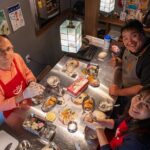
You’ll be there for about 1 hour 30 minutes, and it’s small-group by design (up to 12). That’s important if you want to ask questions and get recipe guidance while your hands are still working, not after the class has moved on.
You can also read our reviews of more tours and experiences in Kyoto.

The Michelin Ramen Class: What You’ll Learn by Cooking, Not Watching
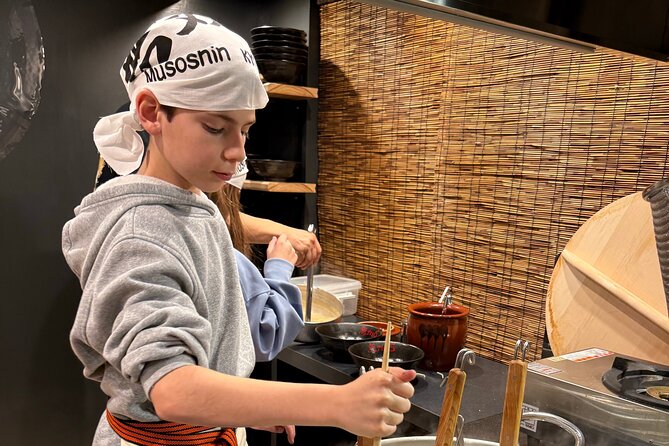
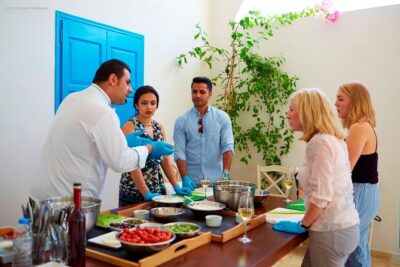
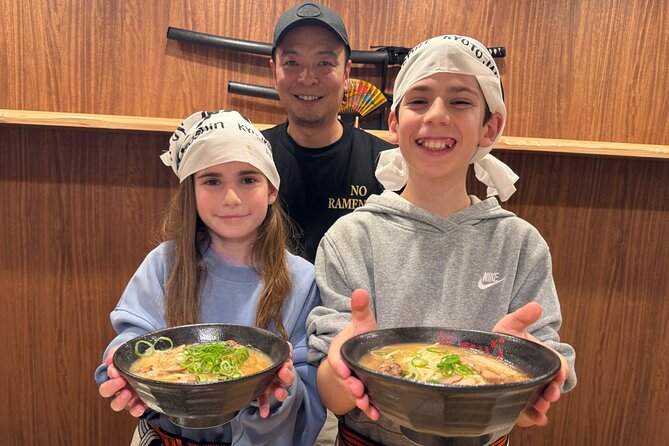
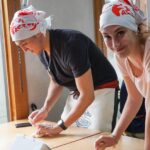
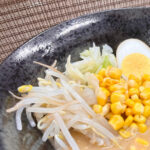
On the first floor, a chef will instruct you while you make your own Michelin-starred ramen. The workshop is designed so you don’t just stand around while someone else handles everything. You’ll actively cook, then you’ll enjoy the ramen you made right there.
Here’s the practical value: learning ramen from a real ramen restaurant changes how you think about the dish. You get to connect the dots between ingredients and outcome—why something tastes the way it does, and how process affects flavor. Even if you already like ramen, you’ll likely come away with better instincts for broth and toppings.
Diet matters in this workshop. The class specifically notes that ramen can be changed to vegetarian or vegan. That’s huge for planning meals in Japan, because it’s not always easy to get a dish that keeps the structure of what ramen is supposed to be. In this case, the workshop is built to handle vegetarian/vegan customers, which is why it’s a good pick if your travel group has different eating styles.
From the experience description and the strong feedback about the host, the tone sounds friendly and question-friendly. One reason the class earns high marks is that the chef explains the process and answers questions while staying fun, which makes it feel like a real conversation rather than a lecture.
Three Kyoto Temple Stops Before the Ramen Workshop
Your day isn’t only ramen. It’s also a quick Kyoto cultural hit, timed around temple stops in the Higashiyama area. The three named stops are Kiyomizu-dera, Kennin-ji, and Sanjusangendo. The key point for you: this part is a walking-and-seeing portion, not a slow, all-day temple crawl. That’s good news if you want temples, but you also want to get to the fun part—cooking and eating.
Stop 1: Kiyomizu-dera Temple—Iconic Views With a Time-Saver Feel
Kiyomizu-dera is one of Kyoto’s headline temples, and it’s easy to feel the scale as you approach. Even if you’re not there for a long stay, it’s the kind of stop that helps you get your bearings in Kyoto fast. You’ll be in the right mindset for the day—wood, stone, and that slightly dramatic temple atmosphere that Kyoto does so well.
The practical consideration: places like this can involve some walking and crowded approach paths. Since your overall experience is only about 90 minutes, you’ll want to keep expectations realistic and focus on highlights rather than trying to see every angle like it’s a full half-day sightseeing tour.
Stop 2: Kennin-ji—A Calmer Temple Pause
After Kiyomizu-dera, Kennin-ji provides a different rhythm. This is the kind of stop that can feel more contemplative, and it works well as a break from the busiest energy you often hit early in the day. It’s also a nice “mental reset” before you switch from Kyoto walking mode into hands-on food mode.
The drawback to watch for here is simple: if you’re trying to do a lot of temple time across a day packed with other plans, you might feel rushed. But if you treat this as a high-quality add-on rather than the main event, it hits the right balance.




Stop 3: Sanjusangendo—Long Hall Energy and Photo-Friendly Moments
Sanjusangendo is known for its striking hall and long, visually intense interior. For this experience, you’re using it as a temple anchor stop—time for photos and atmosphere—then moving on to ramen workshop time.
Again, because your class window is limited, you’ll want to treat Sanjusangendo like a “see what makes it famous” stop. If you want to spend hours inside, this exact experience may not be long enough on its own. But as part of a shorter Kyoto day, it adds real variety.
Painting Your Own Ramen Bowl on the Second Floor
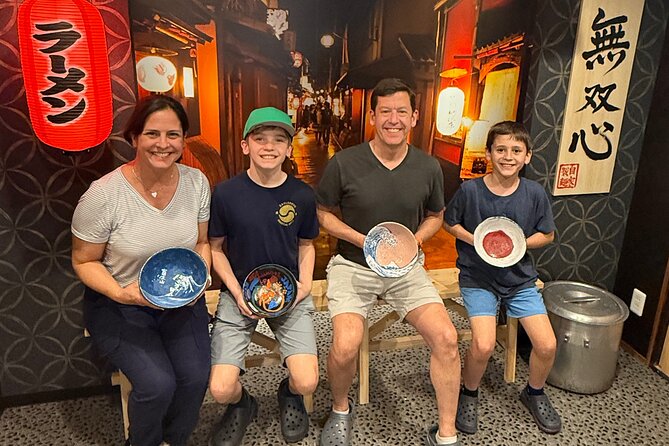
This is the part that turns a food class into a souvenir you’ll actually keep. On the second floor, you paint your ramen bowl. The workshop lets you be creative without needing art training. And the best part is that it’s not just a decorative activity; it’s paired with the food event, so it feels connected to ramen culture rather than a random craft stop.
When you paint, you’re making something you can take home. The description also notes that you can take the painted bowl home as it is.
If you’re the type who likes a finish that looks more “shop quality,” there’s an optional upgrade: you can put your bowl in a special oven to bake it, which helps set the finished piece.
Souvenirs: Bandana, Painted Bowl, and the Baking Option
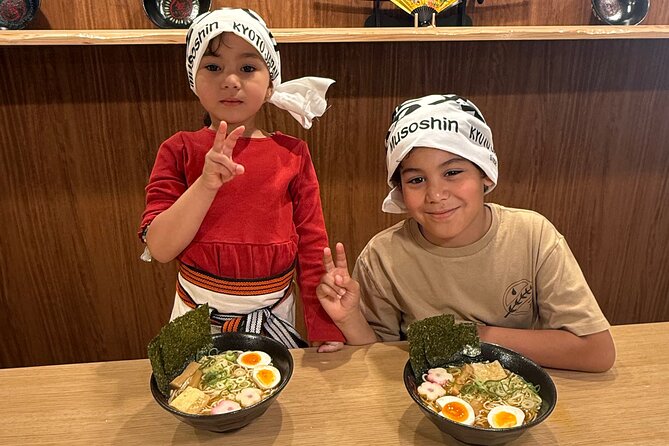
You get multiple take-home items here, which is part of why the value feels strong for the price. First, you receive a bandana as a souvenir.
Second, you take the painted ramen bowl home. There are two versions of that souvenir experience:
- You can take your bowl as-is after painting.
- Or, you can bake it in a special oven for a more finished result, then pick it up the next morning (or later).
This detail matters when you’re planning your trip. If your Kyoto schedule is tight and you’re already moving hotel the next day, you’ll want to decide whether you’re okay with the “pick up later” requirement for the baked option. If you’d rather not coordinate timing, take the bowl as-is and keep it simple.
Also, since you’re painting on-site, your bowl becomes a real memory of the cooking day—not just a photo you’ll forget in your camera roll.
Price and Value: Why $78.18 Can Actually Make Sense
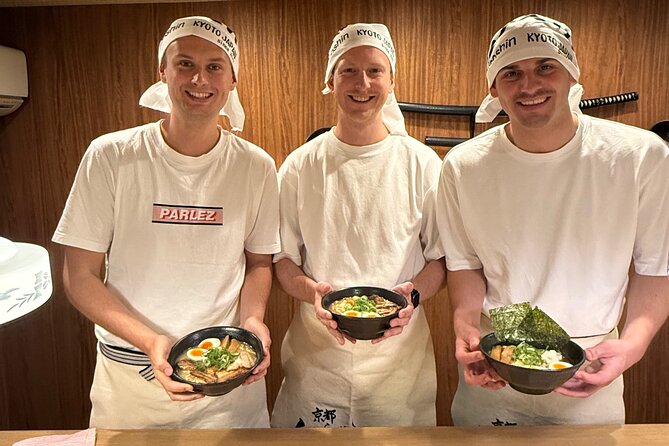
At $78.18 per person, you’re paying for more than a meal. You’re paying for:
- chef instruction to make Michelin-starred ramen
- ingredients brought in from Musoshin’s nearby store and prepped the day before
- your finished ramen to eat
- ramen bowl painting
- a bandana souvenir
- plus an optional baked-bowl upgrade
In other words, you’re getting both the food experience and the craft/souvenir experience under one roof. The ingredient detail (prepared ahead of time from a real restaurant location) is part of the value too, because it reduces the class friction. The workshop can focus on technique and outcome rather than starting from raw ingredients and spending your time on labor.
If you’re already a ramen person, this price starts to look fair fast. Even if you’re not, the teaching angle helps you understand what makes ramen taste like ramen, which is where the long-term value is.
Who This Works Best For (And Who Might Want a Different Plan)
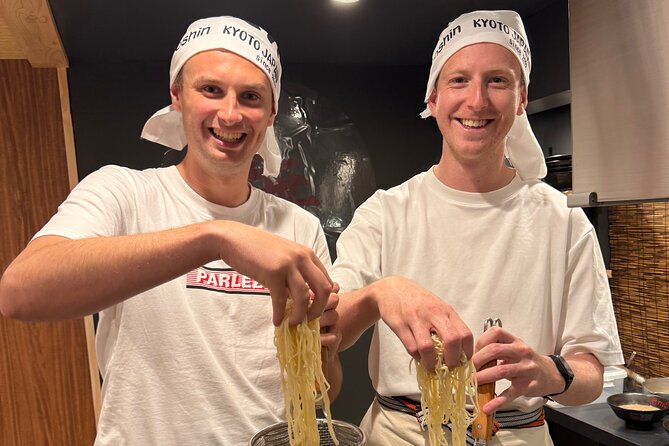
This workshop-style class is a strong match if you:
- love ramen and want hands-on learning, not just tasting
- want a souvenir that feels tied to the meal
- travel with mixed dietary needs (vegetarian/vegan options are part of the program)
- appreciate small groups (up to 12)
It can also work well for families, especially since the feedback includes enjoyment from a 12-year-old on a family trip. Still, since you’re cooking and painting, it’s best for kids who can handle hands-on participation without getting frustrated.
The main mismatch risk is the pickup timing for the baked bowl. If you know you’ll be hard to reach the next morning or you hate making extra plans, you may prefer the take-home-as-is option.
Practical Planning: Getting the Most Out of Your 90 Minutes
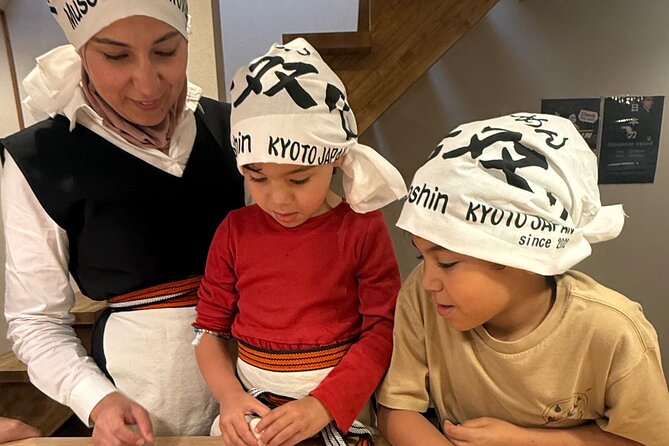
Your experience starts at 440-5 Nishigomonchō, Higashiyama Ward, Kyoto, 605-0816, Japan, and ends back at the meeting point. The listing also notes it’s near public transportation and uses a mobile ticket.
Here’s how I’d plan it if you want a smooth day:
- Give yourself enough walking time for temple-area routes. This is Kyoto, and sidewalks and lanes take longer than you expect.
- If you want the baked bowl, schedule your next day with buffer time for pickup.
- If you’re vegetarian or vegan, choose the ramen swap at booking so the class is set for your meal from the start.
Because the whole experience is around 1.5 hours, you’ll get the feel of the places without losing the day to logistics. That’s the point.
Should You Book Musoshin Ramen Academy in Kyoto?
Book it if you want a Kyoto experience that combines three things people often do separately: ramen education, an actual meal, and a take-home ramen bowl you made. The best part isn’t just tasting good food—it’s learning how it comes together from a real ramen restaurant setup, with options for vegetarian and vegan diners.
Skip it only if the baked-bowl pickup timing will clash with your plans, or if you don’t want a hands-on activity day at all. If you’re the type who likes doing instead of just watching, this is exactly the kind of class that makes travel feel personal.
If you’re unsure, lean toward booking. Even at $78.18, you’re paying for a chef-led cooking experience plus a souvenir craft, in a small group, with ramen you’ll eat immediately.
FAQ
How long is the Kyoto Ramen Bowl Painting and Michelin Cooking Class?
The experience lasts about 1 hour 30 minutes.
Is there vegetarian or vegan ramen during the class?
Yes. Ramen can be changed to vegetarian or vegan.
What’s included in the ramen workshop?
You’ll make Michelin-starred ramen with chef instruction, enjoy the ramen you cook, paint a ramen bowl, and receive a bandana souvenir.
Can I bake the painted ramen bowl, and when do I pick it up?
Yes, there’s a special oven baking option. You’ll need to pick up the baked bowl the next morning or later.
Where do I meet for the experience?
The meeting point is 440-5 Nishigomonchō, Higashiyama Ward, Kyoto, 605-0816, Japan, and the experience ends back at the meeting point.
What’s the group size limit?
The maximum group size is 12 travelers.