REVIEW · KYOTO
Kyoto: Cooking class, learning how to make authentic sushi
Book on GetYourGuide →Operated by 梅守寿司学校 · Bookable on GetYourGuide
Sushi lessons in Kyoto feel like theater. In a 90-minute class near Takeda Station, you’ll learn how sushi is built from vinegar rice up, shape nigiri, and even wear a traditional Happi coat while you do it.
What I like most is that you don’t just watch. You practice the key step—mixing sushi rice the right way—and then you eat what you make as a satisfying, real meal.
One thing to keep in mind: the class can feel basic in scope if you’re expecting lots of advanced fish-cut techniques or many different styles.
In This Review
- Key highlights at a glance
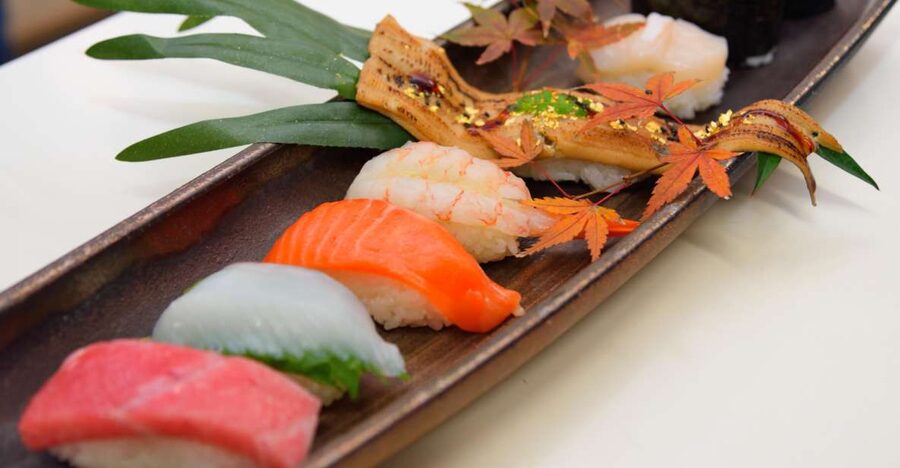
- A 90-Minute Kyoto Sushi Class With Happi, Spirits, and Real Nigiri
- Shari (Sumeshi) First: The Trick Behind Great Vinegar Rice
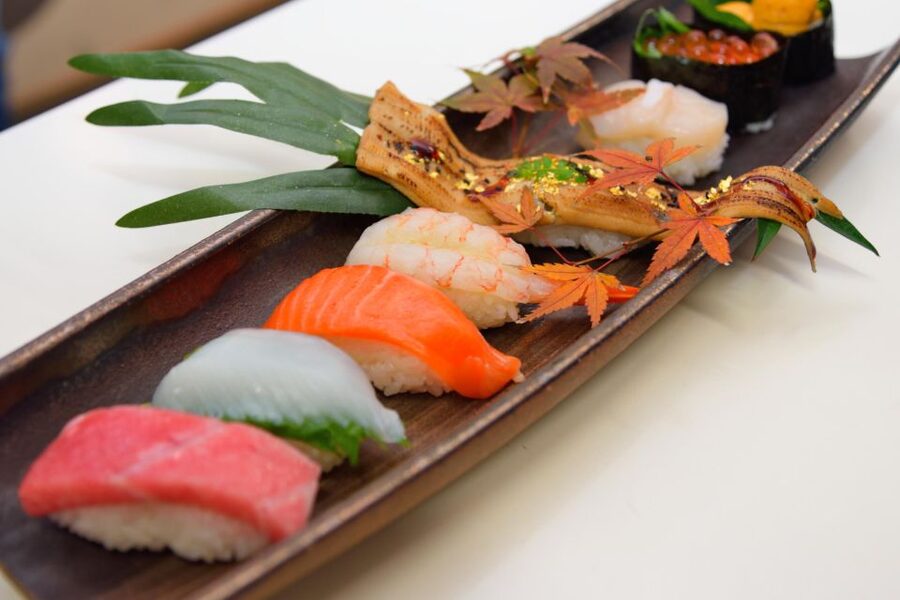
- What You Actually Make: 8 Pieces of Sushi You Shape Yourself
- Happi Coat Photo Moment and the Japanese Spirits Element
- Vegetarian, Vegan, and Muslim-Friendly Options (Plus Allergy Notes)
- Price and Value: Is $113 for 90 Minutes Worth It?
- Location Near Takeda Station: Getting to the Door Without Stress
- What to Expect During the Class Flow
- Who Should Book This Sushi Class (and Who Might Want a Different Style)
- Should You Book This Kyoto Sushi Class?
- FAQ
- How long is the Kyoto sushi cooking class?
- What is the price per person?
- Where is the meeting point?
- What will I learn to make?
- How many pieces of sushi do I make?
- Are there vegetarian, vegan, or Muslim-friendly options?
- What’s included in the class?
- Are drinks included?
- Is the class wheelchair accessible?
- Should I book it?
Key highlights at a glance
- Happi coat + Japanese spirits experience to make the lesson feel distinctly Japanese, not just instructional
- Shari (sumeshi) focus so your nigiri tastes right, not just looks right
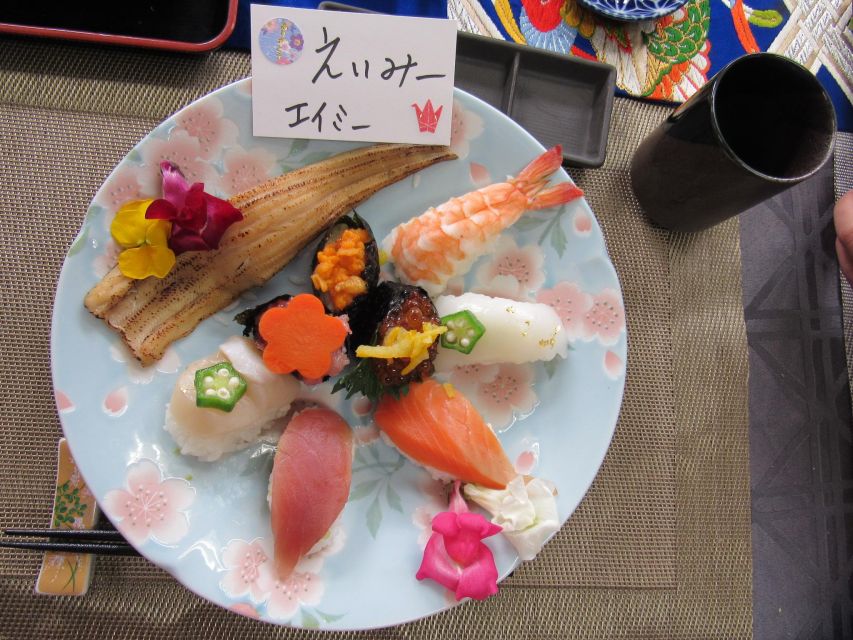
- 8 pieces of sushi included, plus you choose from toppings like green onion and ginger
- Beginner-friendly setup with ingredients already cut and simple steps first
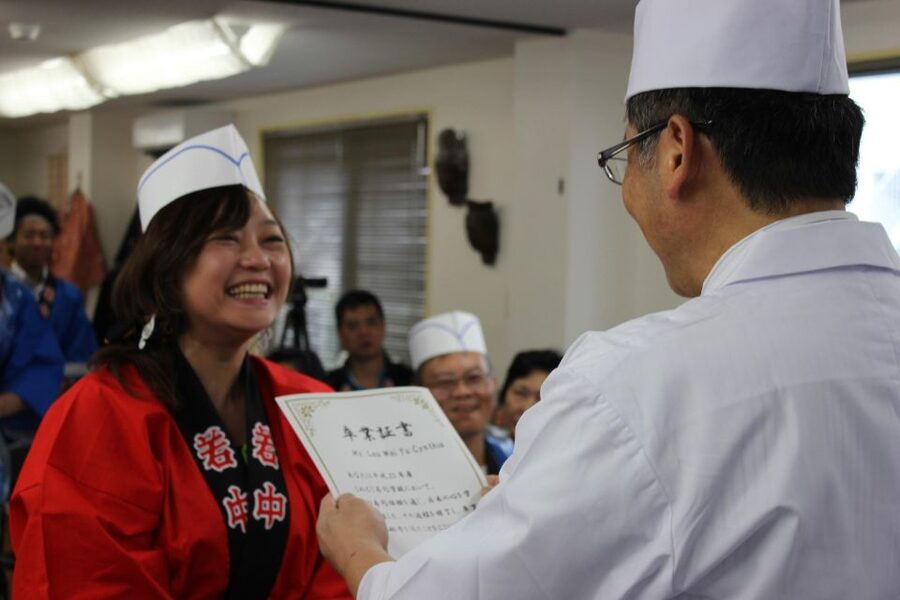
- Certificate of completion and graduation ceremony, plus souvenir photos
A 90-Minute Kyoto Sushi Class With Happi, Spirits, and Real Nigiri
Kyoto has no shortage of food experiences, but this one hits a sweet spot: hands-on sushi making that stays friendly to beginners. The lesson runs 90 minutes, and the structure is clear—learn the fundamentals, build your sushi, then enjoy it right away.
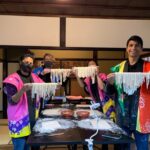
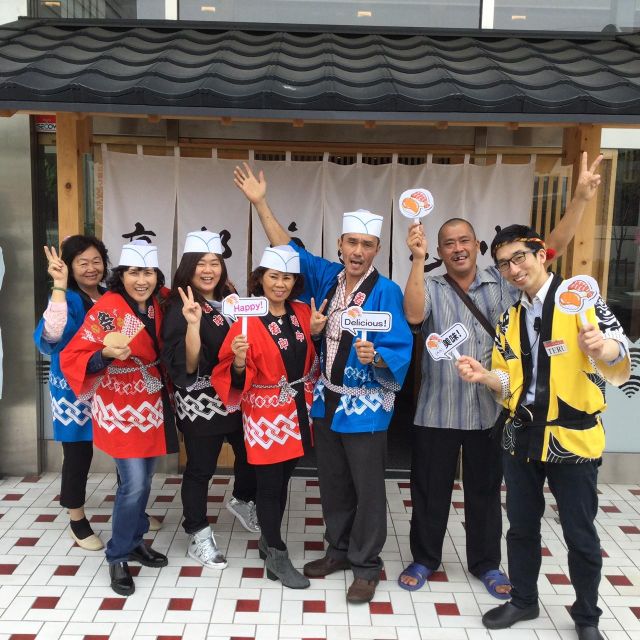
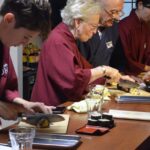
You’ll start with a short lecture on how sushi comes together. Then you’ll move into the practical part: getting your hands on the rice and shaping nigiri. Along the way, you’ll also get to wear a rental Happi (they provide a range of options so you can pick what fits), and there’s an “experience of Japanese spirits” as part of the class tone.
This is a practical choice if you want sushi knowledge you can actually use later, like how to season rice and how nigiri should feel in your hands. It’s also a good fit if you’re traveling solo or with friends who want something active that still feels culturally grounded.
You can also read our reviews of more tours and experiences in Kyoto.
Shari (Sumeshi) First: The Trick Behind Great Vinegar Rice
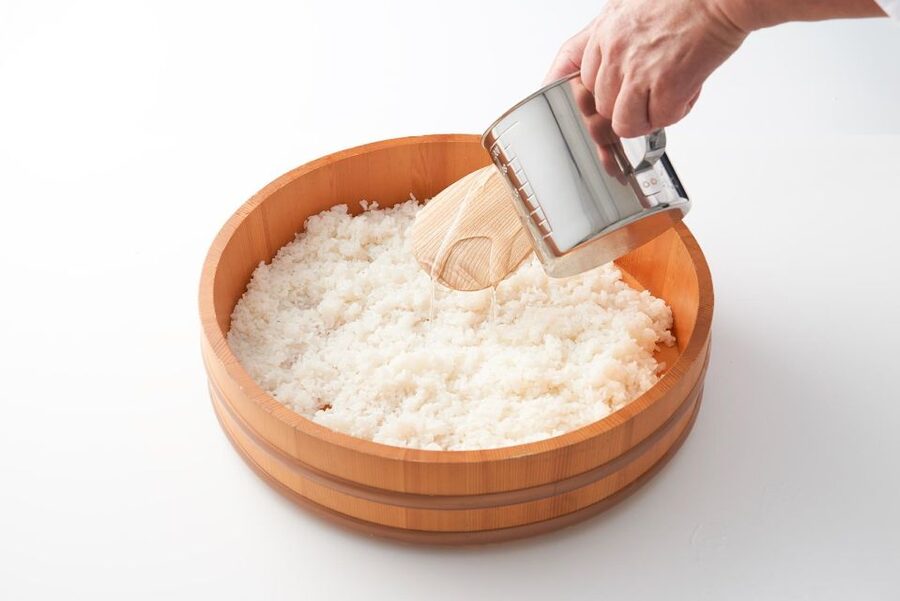
Most sushi classes skip the hard part and jump straight to the fish. Here, the priority is shari, also called sumeshi—vinegar-seasoned sushi rice. That’s the right call, because rice is half the deal, and it’s where sushi can taste flat or amazing.
You’ll learn how to make shari by mixing:
- freshly cooked rice
- sushi vinegar that’s specially blended
The class emphasizes that there’s a trick in mixing it well. That’s exactly what you want from a lesson like this: not a vague “add vinegar,” but guidance on technique—how to combine without ruining the texture, and how to get that proper, seasoned bite.
Then you move from rice to sushi. Once the rice is seasoned correctly, everything else becomes easier. Your toppings can be simple, but the foundation makes the final result feel like sushi instead of just rice with garnish.
What You Actually Make: 8 Pieces of Sushi You Shape Yourself
The experience includes 8 pieces of sushi. The focus is not on memorizing ten different rolls; it’s on mastering the core movements and learning what makes sushi hold together.
Toppings are part of the fun. The class provides a selection of ingredients such as:
- green onion
- ginger
- and other toppings you can choose
You won’t be staring at a tray of mystery ingredients. You get choices, and you can personalize your pieces based on what you like. Also, for beginners, the setup is intentionally low-stress: ingredients are prepared and cut ahead of time, so you’re not starting from a knife-skills exam.
If you want more, there’s room to ask. The class mentions that you can request help learning fish cuts. So if you’re the type who likes to level up, you can push the lesson beyond the basics—at least to the extent the class can accommodate.
Finally, you’ll eat the sushi you make. That matters more than it sounds. A good cooking class ends with you understanding the difference between “sounds right” and “tastes right,” and you only learn that after the bite.
Happi Coat Photo Moment and the Japanese Spirits Element
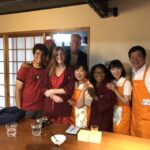
This class adds atmosphere, and it’s not just for photos. Wearing the rental Happi coat helps you shift into the right mindset: you’re not just in a kitchen class; you’re participating in a small ceremony around food.
As part of the experience, there’s also time for an experience of Japanese spirits. The details of what that means in practice aren’t framed like a lecture topic here—it’s more like a guided cultural moment that accompanies the hands-on work. That can be meaningful if you enjoy Japan’s traditions and the “why” behind a craft, not only the mechanics.
Then comes the end-of-class payoff:
- a certificate of completion
- a graduation ceremony
- and souvenir photography
Those touches may sound extra, but they give the class a clear finish line. You leave with something tangible, and the photos give you a reminder of the steps you practiced—especially useful if you want to repeat it later at home.
Vegetarian, Vegan, and Muslim-Friendly Options (Plus Allergy Notes)
If you have dietary restrictions, this class is designed to handle them. The menu is described as friendly to:
- vegetarians
- vegans
- Muslims
They also mention that options are available for allergies and for non-raw and gluten-free needs. That’s a big deal for sushi experiences, because sushi is often raw-by-default in most tourist kitchens.
A practical tip: if you have allergies, don’t just say “allergy”—tell them what you can’t eat and how strict it needs to be. The class explicitly says options exist, so the best outcome comes from clear communication before you start.
One limitation to note: there’s no special infant meal mentioned. If you’re traveling with small children, keep the age guidance in mind—this class is not suitable for children under 3.


Price and Value: Is $113 for 90 Minutes Worth It?
At $113 per person for a 90-minute class, you’re paying for more than ingredients. You’re paying for:
- an English-speaking instructor (they also use Japanese)
- a lecture plus hands-on guidance
- the rice-vinegar know-how (the part many classes don’t teach well)
- 8 pieces of sushi made by you
- rental Happi clothing
- souvenir photography
- a completion certificate and graduation moment
That’s meaningful value if you want a guided experience where you leave fed and with a clear takeaway. The class isn’t positioned as a full-day feast or a multi-course cooking marathon. It’s a focused hit of sushi fundamentals plus enough cultural extras to make it feel like Kyoto, not a generic food workshop.
The main potential drawback shows up in pricing expectations. One participant felt the content was fairly basic: mostly making eight nigiri and a simple roll, with limited variety for the price. If you’re coming for lots of different sushi styles, advanced fish prep, or a long lineup of techniques, you may want a different format.
My advice: treat this as a fundamentals class. If you leave knowing how to nail sushi rice and shape nigiri confidently, the value makes sense. If you’re looking for a broad skills buffet, you’ll want to temper expectations.
Location Near Takeda Station: Getting to the Door Without Stress
The meeting point is practical because it’s near public transportation.
Here’s the route as provided:
- Get off at the west entrance of Takeda Station (Kintetsu or Subway Line).
- Take a city bus and get off at the stop in front of Puls Plaza.
- Walk down the street, turn right at the first corner.
- If you turn left at the first corner after that, you should see them on your right side.
This is the kind of directions that works best if you save them offline and do a quick street check on your phone when you’re near Puls Plaza. The building is described as near public transportation, so you shouldn’t need a private transfer.
One more real-world point: there’s no elevator, but staff can help elderly or disabled visitors go up the stairs. The class is also held no matter the weather.
What to Expect During the Class Flow
This is how the experience comes together from start to finish:
You begin with instruction on sushi-making. The first core lesson is rice seasoning—how to handle the vinegar and mix so it lands right. Then you move to building: rice plus your selected toppings.
Since ingredients are already cut, your focus stays on technique rather than prep. That’s ideal if you’re nervous about starting from scratch. You also get chances to choose toppings like green onion and ginger, which helps keep it from feeling one-size-fits-all.
If you’re curious about fish cutting, ask. The class notes that you can feel free to ask if you want to learn fish cuts. That means the baseline lesson is approachable, but you can potentially get guidance that’s more advanced depending on your interest and the class flow.
Then the eating part: you’ll enjoy the sushi you made. You’ll finish with the certificate, graduation ceremony, and souvenir photography. It’s a complete arc, not just “cook, then leave.”
Who Should Book This Sushi Class (and Who Might Want a Different Style)
This class is best for you if:
- you’re a beginner and want a sushi experience that starts with shari
- you want to eat what you made (not just take it home)
- you enjoy cultural touches like the Happi coat and guided spirit experience
- you have dietary restrictions and want a menu that’s designed to accommodate them
You might reconsider booking if:
- you want lots of different sushi types and advanced fish-cut demonstrations
- you’re expecting a higher “variety per minute” experience for the price
- you prefer longer workshops that cover multiple rolls and side dishes (this one doesn’t list tempura/shabu-shabu style extras)
Also, note what’s not included. Drink isn’t included, and there’s an optional warm udon menu. Other foods like tempura, tofu/soy, or pork shabu-shabu are also listed as not included, so the class is really about sushi—not a broad Japanese buffet.
Should You Book This Kyoto Sushi Class?
If you want authentic sushi fundamentals in a short, structured session, I’d say yes. The rice lesson is the heart of it, and you get to practice it instead of just hearing about it. Add in the Happi coat rental, the Japanese spirits element, and the certificate-and-photos finish, and the experience feels complete rather than rushed.
But if your main goal is advanced fish cutting or lots of different sushi styles, set your expectations accordingly. This feels like a hands-on beginner-friendly class built around 8 pieces of sushi and the basics that make sushi taste right—especially the vinegar rice step.
If you’re the kind of traveler who likes learning one craft well, this is a solid bet for Kyoto.
FAQ
How long is the Kyoto sushi cooking class?
The class lasts 90 minutes.
What is the price per person?
The price is $113 per person.
Where is the meeting point?
You meet at the west entrance of Takeda Station (Kintetsu or Subway Line), then take a city bus to the stop in front of Puls Plaza. From there, walk down the street and follow the turning instructions to find them near the right side.
What will I learn to make?
You’ll learn how to make sushi rice (shari/sumeshi) using specially blended sushi vinegar and freshly cooked rice, then make sushi using the provided ingredients and toppings.
How many pieces of sushi do I make?
The experience includes making 8 pieces of sushi.
Are there vegetarian, vegan, or Muslim-friendly options?
Yes. The menu is described as friendly to vegetarians, vegans, and Muslims. Allergy options and non-raw and gluten-free options are also available.
What’s included in the class?
Included items are: a lecture about how to make sushi, an experience of Japanese spirits, 8 pieces of sushi, rental Happi clothing, toppings such as green onion and ginger, a certificate and graduation ceremony, souvenir photography, and an English-speaking instructor.
Are drinks included?
No, drinks are not included.
Is the class wheelchair accessible?
Wheelchair accessible is listed. However, there is no elevator, and staff can help elderly or disabled visitors up the stairs.
Should I book it?
Book it if you want a focused, beginner-friendly sushi lesson built around the essential step—vinegar rice—and you’d enjoy doing it in a more ceremonial setting with Happi, photos, and a completion certificate. If you want lots of advanced variety, you may feel the scope is limited for the cost.