REVIEW · FLORENCE
Florence: Florentine Steak Cooking Class with 3-Course Meal
Book on GetYourGuide →Operated by ArtViva The Original and Best Tours · Bookable on GetYourGuide
Steak night, but you cook it. This Florentine Steak cooking class is built around a real Tuscan trattoria kitchen in central Florence, where you learn what makes bistecca alla fiorentina special before you eat it family-style. You start with Chianti, get the origin story of the dish, and then jump into prep work that’s actually hands-on.
What I like most is the mix of local technique + real atmosphere. You’ll learn what to do with a very thick, Chianina-style steak (about 2.5 pounds) and you also make a Tuscan antipasto fettunta plus classic sides. The one thing to think about is doneness: the steak is traditionally served rare, and the restaurant won’t automatically switch to well-done.
In This Review
- Key Points You’ll Care About
- Entering the Real Florence Trattoria Kitchen
- Chianti + Bistecca Fiorentina Basics Before You Touch the Grill
- Choosing Your Steak (and How Sharing Works)
- Cooking Tuscan Antipasto Fettunta and the Sides
- Chef Enrico’s Approach: Technique That Matches the Tradition
- The 2-Hour Flow: From Prep to Dinner to Dessert
- What You’ll Eat: Plenty of Steak, a Real 3-Course Meal
- Price and Value: Is $225.44 Worth It?
- Who This Class Suits Best (and Who Should Skip It)
- Should You Book This Florentine Steak Class?
- FAQ
- Where do I meet for the Florence Florentine Steak cooking class?
- How long is the class?
- What’s the group size?
- What’s included in the meal?
- Is Chianti wine included?
- What language is instruction offered in?
- Is the class suitable for vegans?
- Is the Florentine steak served rare?
- Can I request my own steak instead of sharing?
- Is cancellation allowed?
Key Points You’ll Care About
- Small group capped at 5 means more time with the chef and less waiting around
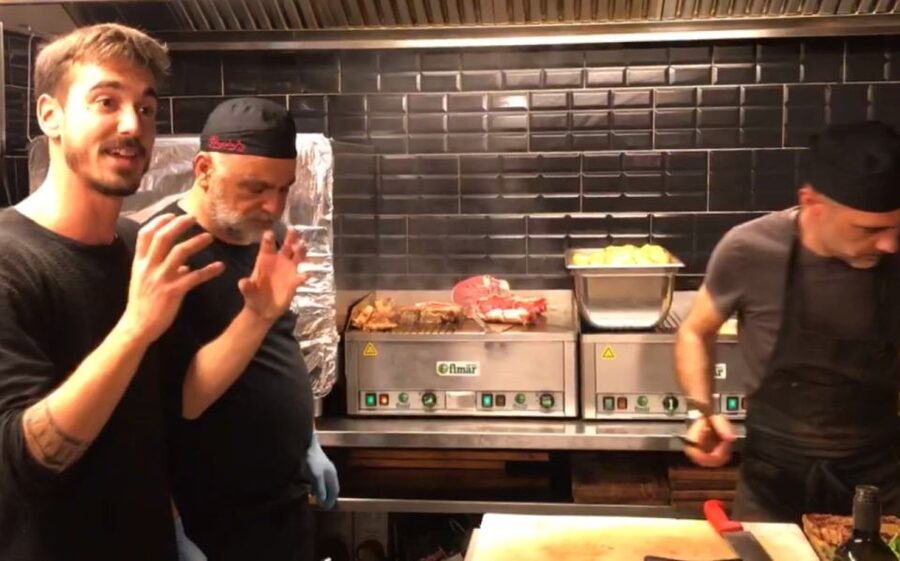
- You cook in the kitchen of a traditional Florence trattoria, not a generic demo space
- Wine isn’t a side detail: Chianti is included as you learn and then you toast at dinner
- You’ll prepare a real 2.5-pound Florentine steak meant for sharing on the table
- The menu is a true 3-course flow: starter, steak with sides, and dessert at the end
- Chef guidance includes the rare-style approach, including what to do if you want it grilled a bit more
Entering the Real Florence Trattoria Kitchen
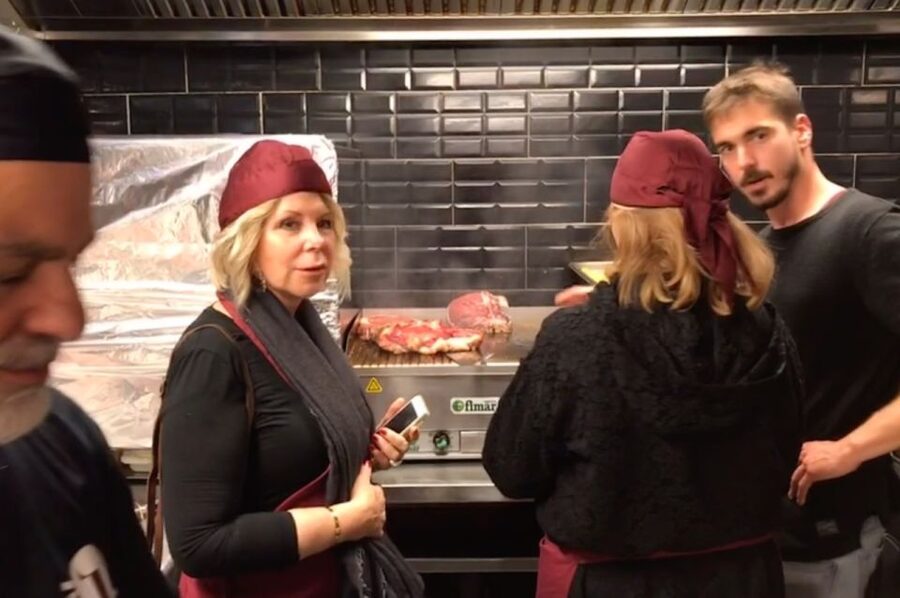
If you want Florence food that feels like it belongs to the place—not a performance built for tourists—this is the right format. Your tour begins at I’ Tuscani 2 in central Florence, where a host meets you inside and brings you behind the scenes. The goal is simple: you’re not just watching someone cook. You’re stepping into the workspace where the dish is made every day.
Once you’re in, you meet the head chef, and that matters more than it sounds. A chef on-site brings a practical attitude: ingredient choices, how to handle a thick steak, and how to keep the pacing moving so you actually finish eating during the 2-hour window. You also get the sense that this is an everyday local operation, with a dining room nearby and a kitchen that smells like real food prep.
Another plus: you’re in the heart of Florence, so this class fits well into a food-focused day. Even if you’re already seeing museums and viewpoints, this gives you something hands-on that you can’t replicate at home in the same way.
You can also read our reviews of more tours and experiences in Florence.
Chianti + Bistecca Fiorentina Basics Before You Touch the Grill
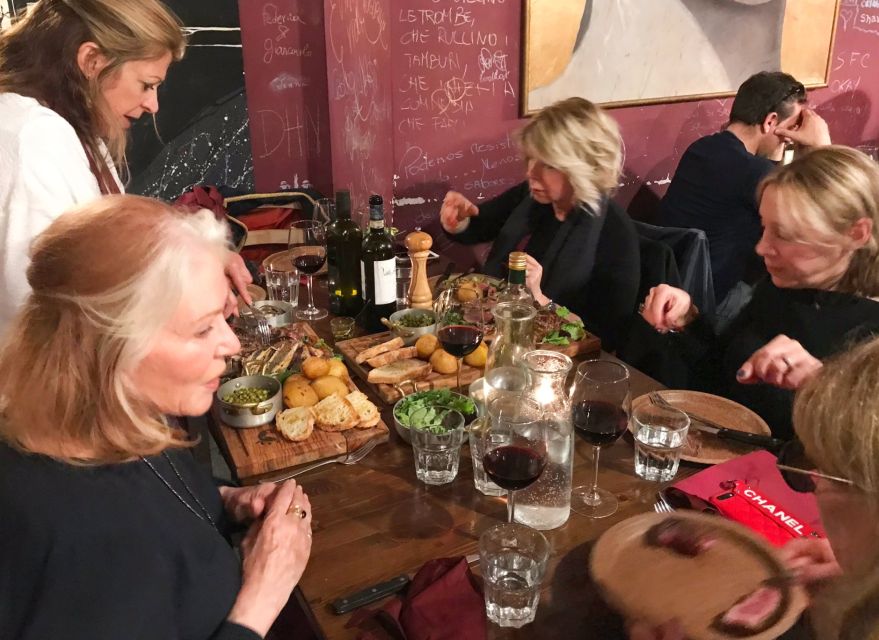
Before you cook, you sip Chianti wine while you get the story behind the steak. This isn’t vague culinary mythology. You’ll hear about the origins of Bistecca Fiorentina, the Chianina cow, and what makes the Florentine steak a specific kind of meat and preparation.
Why this part is valuable: it gives you context for what you’re about to do. When you know the steak is famously thick and traditionally served rare, it changes how you think about the steps that come next. You’re not trying to rush it like a thin cut, and you’re not treating it like a standard “cook until done” piece of meat. Instead, you’re preparing for a style of cooking that respects the tradition.
You’ll also get guidance on how to source the best ingredients. Even if you’re not planning to buy Chianina yourself right after the tour, understanding ingredient logic helps you choose better food later—at markets, butcher shops, and even during casual dinners.
Choosing Your Steak (and How Sharing Works)
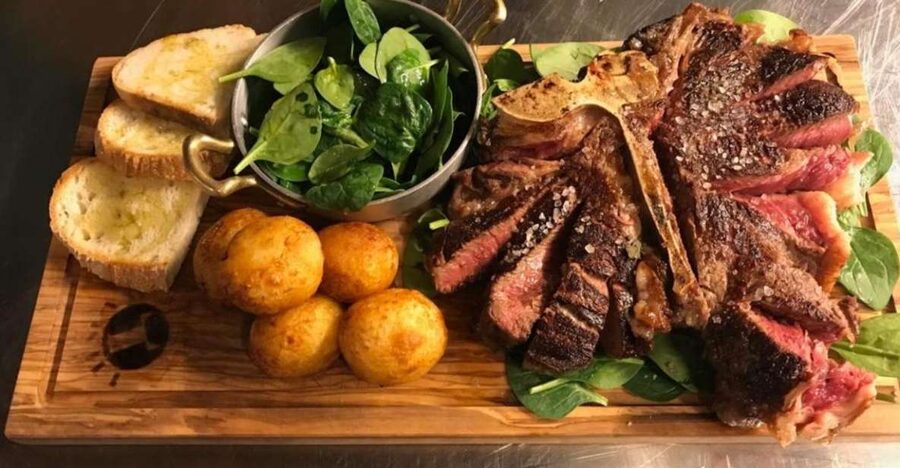
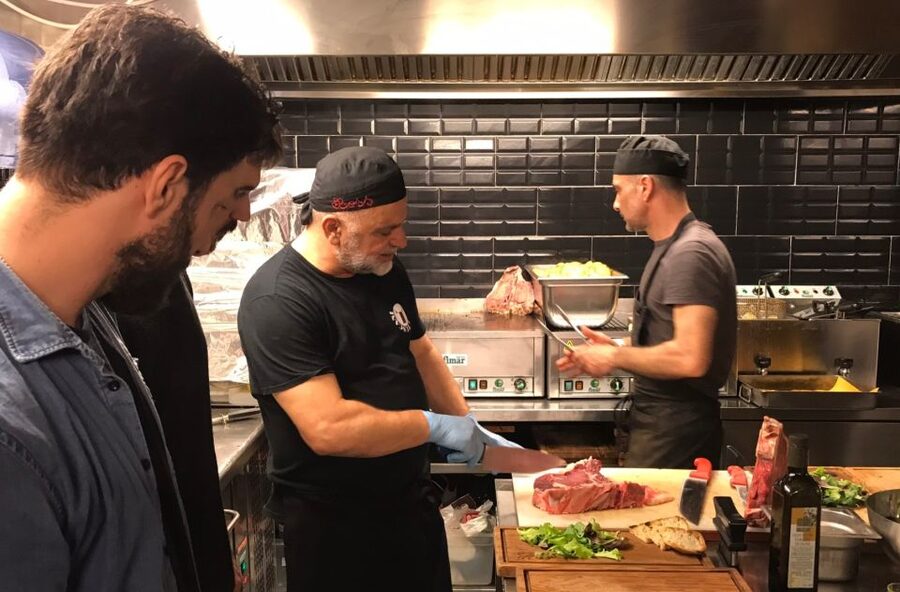
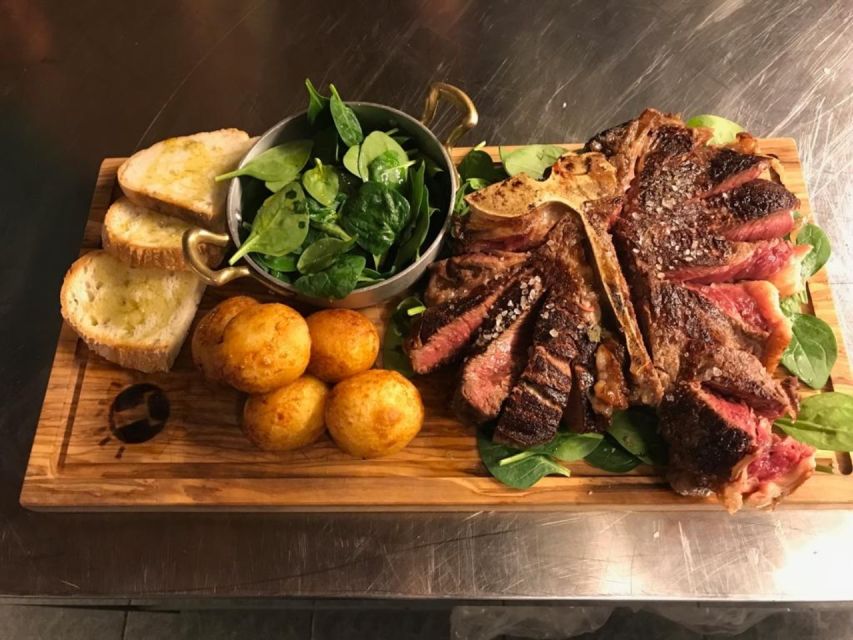
After the background, it’s time for the part you came for: you’ll choose your steak and prepare it for the grill. This class is built around the reality that Florentine steak is huge. The standard serving is typically about 2.5 pounds, and it’s designed to be shared between 2 or 3 people depending on the size.
That family-style setup affects the whole meal experience. The steak isn’t a personal plate where you can compare portions one-to-one. Instead, it’s centerpiece cooking, served in the middle of the table with sides for sharing. If you like communal dining, you’ll probably enjoy this format a lot. It naturally turns the meal into a shared event.
One important consideration: if you want your own steak, you can request it from the chef, and there may be a supplement. That’s worth keeping in mind when comparing this class to smaller “personal portion” cooking experiences.
Also note the doneness expectations. The Florentine steak is typically served rare, and authentic trattorias won’t turn it into well-done just because you ask. If you’re used to well-done steak, it’s encouraged that you try it the traditional way first. If you still prefer more cooking, the steak can be grilled further for you.
Cooking Tuscan Antipasto Fettunta and the Sides
While the steak is getting its turn, you won’t spend the entire class waiting. You’re shown how to make Tuscan antipasto fettunta and prepare the classic Italian sides that go along with it.
This is where the class becomes more than steak trivia. You’re learning how Tuscan dishes work as part of a meal. The sides and starter aren’t afterthoughts; they’re built to balance the richness of a thick, top-quality steak.
The fettunta component is especially helpful if you want something you can picture later in your own kitchen or when you’re shopping for ingredients on your trip. Even if you don’t recreate the exact same version at home, you’ll come away understanding the Tuscan pattern: simple components, strong flavors, and a menu rhythm that doesn’t try to do too many things at once.
And timing-wise, you’ll be taught while you cook. Because the group is small, you’re more likely to get hands-on help instead of just being told what to do and then left to figure it out.
Chef Enrico’s Approach: Technique That Matches the Tradition
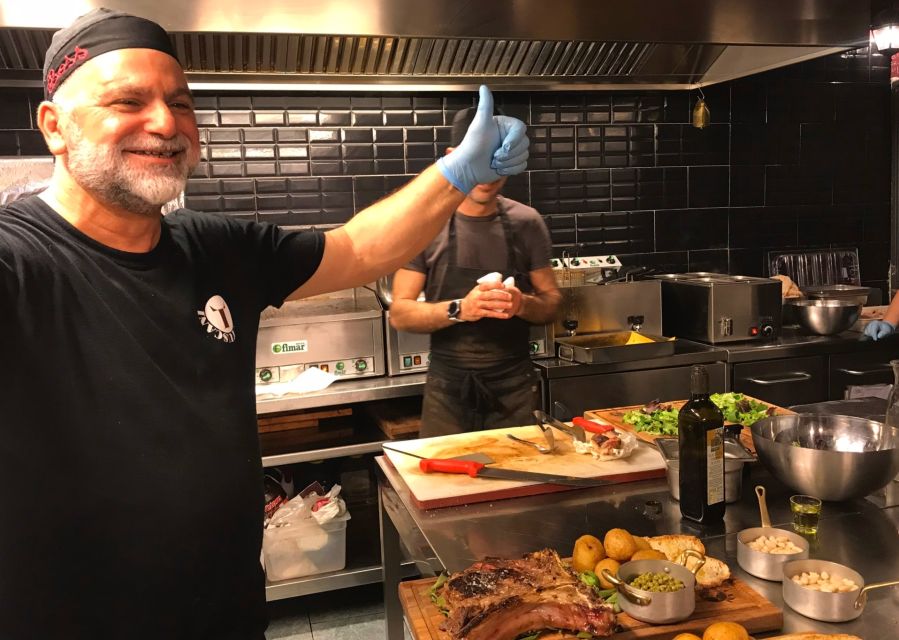
The cooking part is guided by the chef and host team, and one name stands out in the reviews: chef Enrico. People highlight that he’s warm and genuinely helpful, with clear hints for preparing bistecca alla fiorentina al sangue in the rare style people come for.
That matters because the rare-tradition approach can feel intimidating if you’ve never ordered or eaten steak that way in Italy. Having a chef explain how to handle the meat with confidence helps you feel less like you’re gambling and more like you’re following a proven method.
If you love learning cooking technique that you can translate into travel dinners, this is a strong pick. You’re not just tasting. You’re being taught how the dish actually works.
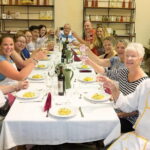
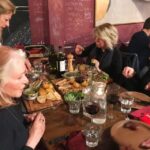
And yes, the experience feels social. The class has that good trattoria energy: practical instruction, people chatting, and the sense that dinner will be plentiful.
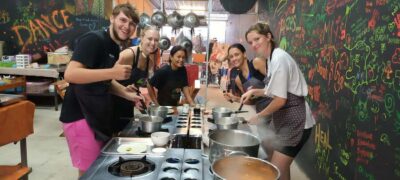
- Cooking Class and Lunch at a Tuscan Farmhouse with Local Market Tour from Florence
★ 5.0 · 4,831 reviews

The 2-Hour Flow: From Prep to Dinner to Dessert
The class is designed to move quickly, so you’re not stuck in a long workshop. Here’s the typical rhythm you should expect:
First, you arrive at I’ Tuscani 2, meet the host, and head to the kitchen area. Then you sip wine and learn the steak background—how it’s tied to the Chianina cow, why the method matters, and what ingredient quality looks like in this context.
Next, you cook. You prepare the steak for the grill and work on fettunta and the sides. Once everything is ready, you transition to dining with the other guests in the cozy trattoria space.
Then comes the best part: you sit down, raise a glass, and eat a full dinner in a classic sequence—starter, steak with sides, and dessert to close.
Why this pacing is a smart value: for the price, you’re getting a complete meal experience plus instruction within a short time. It’s not a half-day event, and it doesn’t drag. You’ll likely leave with both full stomach and actual skills, not just a memory of eating.
What You’ll Eat: Plenty of Steak, a Real 3-Course Meal
This is not a light snack class. You’re eating a 3-course meal made from what you help prepare: starter, the steak with sides, and dessert.
And because the steak is meant to feed the table, you’ll usually end up feeling like you got your money’s worth in food quantity. Reviews strongly point toward that: go hungry, because the portions are real.
You also get Chianti wine with the meal. It’s included and it becomes part of the evening tone. You’re not paying extra in small, annoying increments for every component. You show up, you cook, you drink, you eat, you finish with dessert.
The only major “watch-out” is again the rare style. If you’re very picky about doneness, you should plan for the fact that the tradition is rare first, and adjustments happen through further grilling only if needed.
Price and Value: Is $225.44 Worth It?
At $225.44 per person, you’re paying for a specific mix: a small-group class, a real trattoria kitchen, chef-led instruction, and a full 3-course dinner with Chianti.
Here’s how I’d judge the value. Compared with big group cooking events, this format is more personal because it’s capped at 5 participants. That usually means you’re doing more, asking more, and getting clearer feedback on what you’re doing right (or correcting in real time).
Compared with simple tasting dinners, you’re also paying for actual technique learning and the experience of preparing and cooking a centerpiece like Florentine steak. The steak’s size and centerpiece-style serving are part of the value, not just a marketing line. You’re eating what you helped cook, and it’s designed to be shared at the table in a proper Italian way.
So who should consider it? If you want a memorable food evening in Florence with more than just tasting—and you’re excited by the idea of learning a famous local steak method—this price feels more reasonable than it looks.
If you’re on a tight budget, you might find cheaper options. But if your priority is hands-on cooking plus an actual meal, this is one of the more coherent packages in Florence.
Who This Class Suits Best (and Who Should Skip It)
This is a strong match for:
- Meat lovers who want to understand what makes Florentine steak different
- People who learn better by doing, not just watching
- Food travelers who want a real trattoria atmosphere in central Florence
- Couples and small groups who enjoy shared dining
It may be less ideal if:
- You don’t eat rare steak and want guaranteed well-done from the start (the tradition is rare)
- You’re vegan (the class is not suitable for vegans)
- You want a vegetarian-heavy menu that replaces steak entirely (not stated as an option)
Also, it’s in English and Italian, so it works well if you want instruction in a language you’re comfortable with.
Should You Book This Florentine Steak Class?
I’d book it if you want one Florence evening that combines authentic setting, chef-led teaching, and a real dinner you can taste fully. The standout strengths are the practical guidance (including hints like how chefs handle the rare style) and the lively, local-feeling atmosphere where the wine is part of the meal, not a separate add-on.
If you’re squeamish about rare meat, don’t write it off blindly—just go in knowing the tradition first. You can request further grilling if needed, but the starting point is the traditional Florentine approach.
My final advice: if steak is on your must-do list in Florence, this class is one of the best ways to turn that desire into something you actually learn and share at the table.
FAQ
Where do I meet for the Florence Florentine Steak cooking class?
You meet inside the restaurant called I’ Tuscani 2.
How long is the class?
The duration is 2 hours (starting times depend on availability).
What’s the group size?
It’s a small group limited to 5 participants.
What’s included in the meal?
You’ll enjoy a 3-course meal: starter, sides, steak, and dessert.
Is Chianti wine included?
Yes. Chianti wine is included.
What language is instruction offered in?
The instructor teaches in English and Italian.
Is the class suitable for vegans?
No. It is not suitable for vegans.
Is the Florentine steak served rare?
Traditionally, it’s served rare, and authentic trattorias won’t offer a well-done steak by default. If you prefer, it can be grilled further for you.
Can I request my own steak instead of sharing?
You can request this from the chef, and there may be a supplement.
Is cancellation allowed?
Free cancellation is available up to 24 hours in advance for a full refund.
You Might Also Enjoy
More Tour Reviews in Florence
- Cooking Class and Lunch at a Tuscan Farmhouse with Local Market Tour from Florence
★ 5.0 · 4,831 reviews