REVIEW · MALLORCA
Mallorca: Market Visit and Traditional Cooking Workshop
Book on GetYourGuide →Operated by Forn de sa Llotgeta · Bookable on GetYourGuide
A proper Mallorca dinner starts at a market.
I like the way this experience pairs a Mercat de l’Olivar stroll with a hands-on cooking lesson in Forn de sa Llotgeta, and I also like that the menu follows what’s in season on the island. The possible downside: the market tasting can feel light if you’re expecting multiple generous samples—one review even noted a single ham slice.
You’ll cook and eat in a historic setting with a guide named Deborah, and the group stays small (max 8). The food is built around local products, with organic wine pairing and a sustainable, farm-to-table ethos—just know it’s not a kids class (not suitable under 12), and pick-up isn’t included, so you’ll want to get there under your own steam.
In This Review
- Key Points You’ll Appreciate
- Starting at Mercat de l’Olivar: Where Mallorca’s Flavors Have Names
- Cooking at Forn de sa Llotgeta: Historic Bakery Energy, Not a Demo Kitchen
- The 4-Course Mallorca Menu You’ll Actually Cook (and Eat)
- Seasonal Produce and Sustainable Sourcing: Why It’s More Than a Buzzword
- Small Groups, Meaningful Attention, and the Right Pace
- Price, Inclusions, and Whether $171 Is a Good Deal
- How to Plan Your Day in Palma Around This Class
- Timing, Dietary Needs, and Allergy Considerations
- Should You Book This Mallorca Market and Cooking Workshop?
- FAQ
- How long is the Mallorca market visit and cooking workshop?
- Where do I meet the group in Palma?
- What’s included in the price?
- Is the group size small?
- Can the menu be made vegetarian or vegan?
- Is it suitable for children?
Key Points You’ll Appreciate
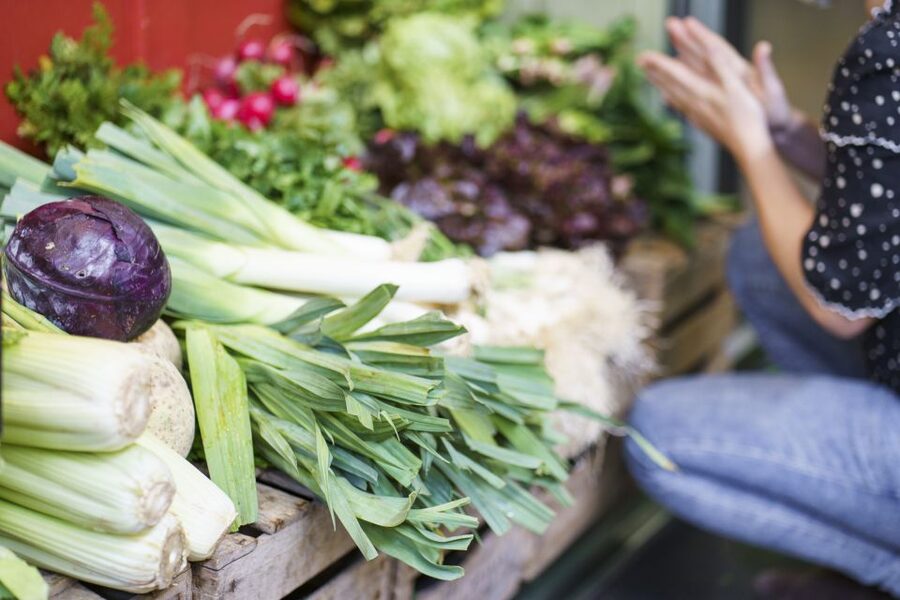
Mercat de l’Olivar is the ingredient classroom: you meet vendors and taste local specialties as you shop for your meal.
Forn de sa Llotgeta brings the historical bakery vibe: you’re cooking in a place tied to the 18th century.
A full 4-course Mallorca menu is cooked, then eaten: aperitif, starter, main, dessert.
Seasonal changes are part of the deal: the recipes and produce shift with the island’s food calendar.
Small groups make it practical: max 8 participants means more attention while you cook.
Deborah’s approach blends cooking with food culture: history, techniques, and island context come with the meal.
Starting at Mercat de l’Olivar: Where Mallorca’s Flavors Have Names
Palma’s Mercat de l’Olivar is one of the places that makes Mallorca feel real fast. Instead of being handed a script, you’re shown how ingredients move from vendor to kitchen—fruit, fish, cured meats, cheese, herbs, and the kind of pantry basics that turn into everyday magic.
This part matters because you’re not just watching. You’re sourcing. The workshop uses what you pick up (and what you learn about) to build the recipes you’ll cook later. That’s why the market walk is more than a quick photo stop. You’ll get practical context for why certain products show up at certain times, and how island cooking favors what’s local and seasonal rather than what’s flown in year-round.
If you enjoy food with a backstory, you’ll also like the tone of the experience. Reviews mention the guide sharing history and food culture along the way, so you’re not only learning what to buy. You’re learning why people cook this way on Mallorca—plain, seasonal, and shaped by what the island can grow and produce.
One note to keep your expectations straight: the included tastings are real, but they aren’t a full buffet. If you show up starving, plan to be satisfied by the later cooking and the full lunch. The market is for orientation and ingredient education, not a meal replacement.
You can also read our reviews of more tours and experiences in Mallorca.
Cooking at Forn de sa Llotgeta: Historic Bakery Energy, Not a Demo Kitchen
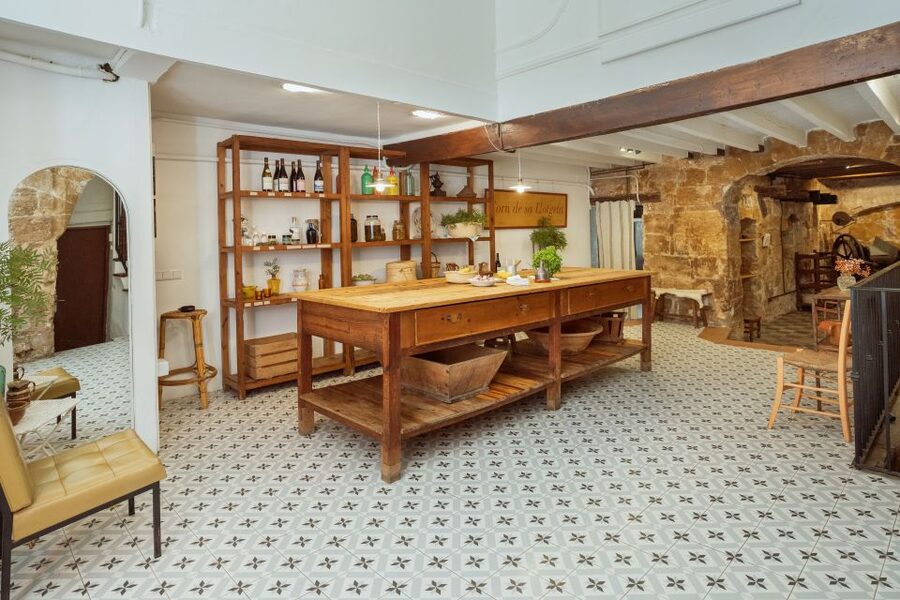
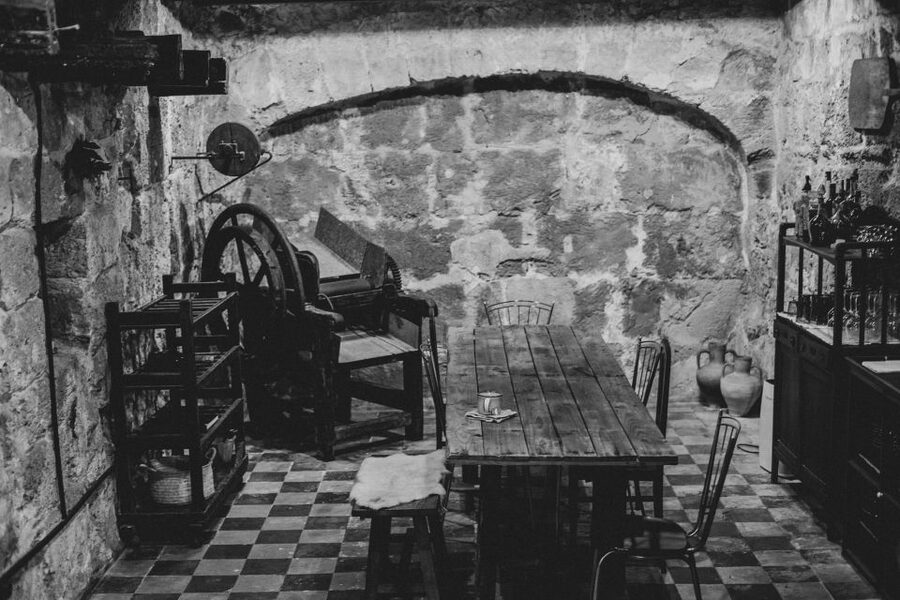
After the market walk, you shift from shopping mode to cooking mode in Forn de sa Llotgeta, an emblematic bakery dating from the 18th century. That setting changes the feel of the class. It’s not just an instruction space with spotless counters. You’re in a working-feeling environment where traditional food has a home.
This is where Deborah’s teaching style really lands. Multiple reviews highlight how welcoming the atmosphere is—relaxed, helpful, and focused on making sure you understand what you’re doing. You’ll also get insight into the culture behind the dishes, not just a list of steps to follow.
The workshop is designed around a cultural approach to cooking: seasonal ingredients, local products, and the values behind island food—often connected to sustainability and gratitude for what the land provides. The organizers also say they work with small producers and farmers, so the emphasis stays on genuine artisanal production rather than generic supermarket sourcing.
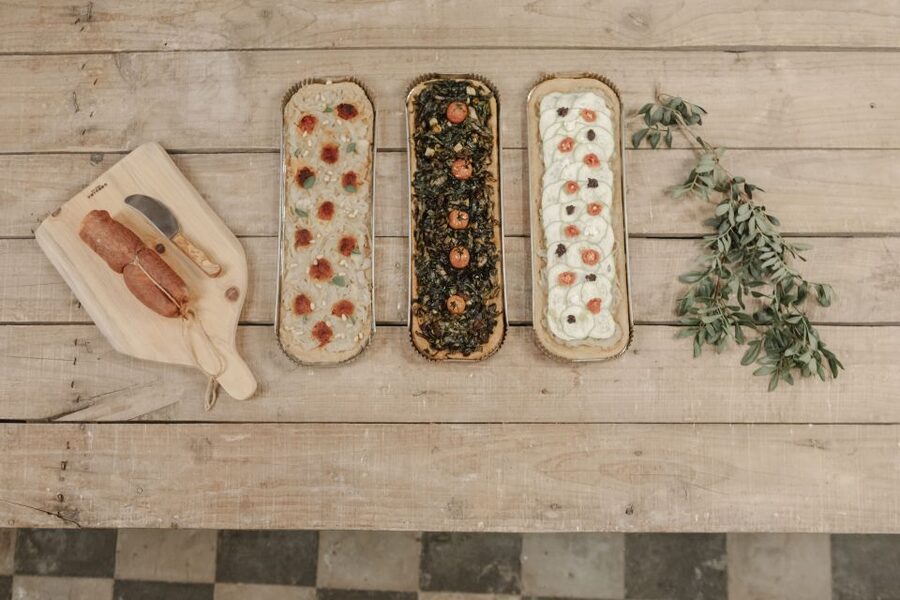
And yes, you’ll learn a Mallorca cooking rhythm. The dishes aren’t “big fancy” for the sake of drama. They’re structured, traditional, and built to taste good together: cured meats and cheeses, flatbreads, a clay-pot rice, then a classic almond cake finish.
The 4-Course Mallorca Menu You’ll Actually Cook (and Eat)
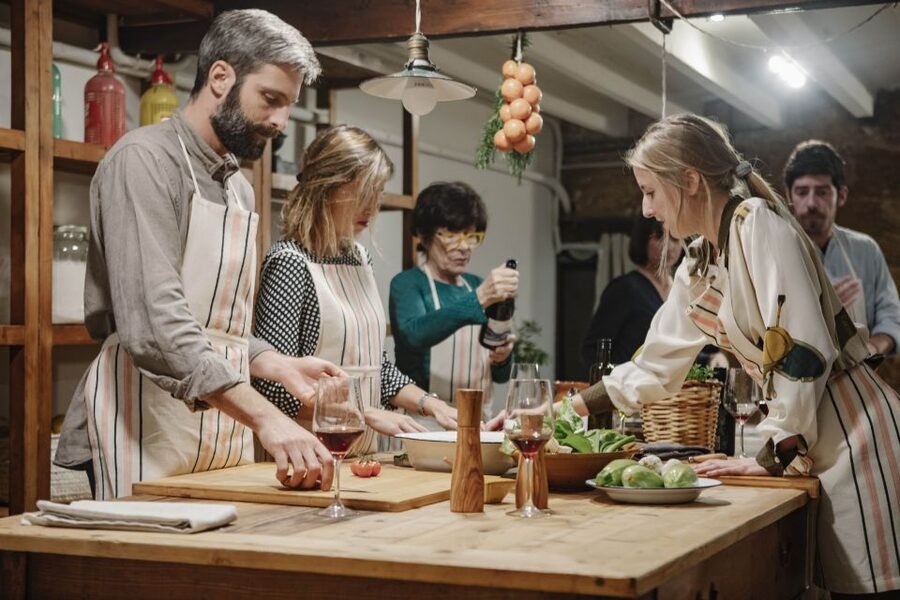
This class is hands-on with a complete menu: an aperitif, starter, main, and dessert. You get to prepare the dishes alongside the instructor and then eat what you make. That matters for value. You’re paying for both instruction and a proper meal, not just a tasting.
Here’s the sample menu offered during the experience:
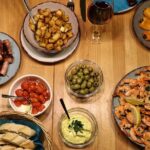
Local cold meats and artisan cheeses with grapes and almonds
This is a smart opening course because it teaches you how Mallorca balances salty and sweet notes. Grapes and almonds show up again and again in island flavors. You also get an early sense of how much animal protein plays a role in understanding traditional Mallorcan food culture.
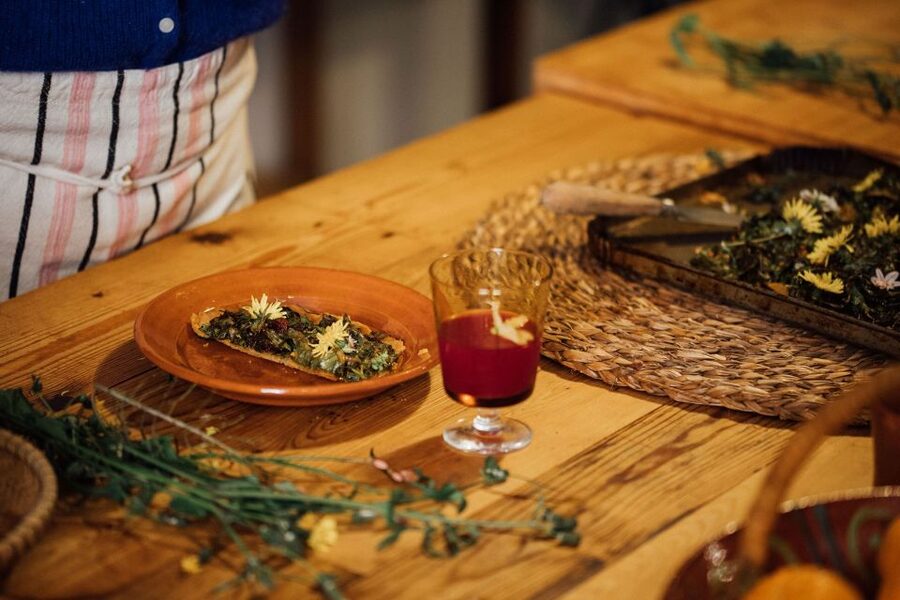
Mallorcan flatbread with greens and raisins
This is the kind of recipe that feels simple until you start cooking. Greens bring freshness and bite, and raisins add sweetness that makes the dish feel like it belongs in a Mediterranean pantry, not a dessert aisle.
Artichokes & sobrasada meloso rice cooked in clay pot (greixonera)
The greixonera is the headline for many people for a reason: clay-pot cooking changes texture and flavor. The “meloso” style is about comfort and slow depth rather than dryness. And the sobrasada—spiced, pork-based sausage—adds that unmistakable Mallorca identity.
Gató with almond ice cream
You finish with gató, a classic almond cake, and the pairing with almond ice cream leans into the island’s love for almond-forward desserts. It’s a satisfying closure after the savory courses.
A quick practical note: the workshop includes organic wine pairing, and you’ll receive two wine glasses per person. There’s also an aperitif included—on evenings, it’s vermut and a banderilla. If you’re a non-drinker, you may still enjoy the tasting and cooking, but the class description specifically mentions wine glasses as part of the included program.
Seasonal Produce and Sustainable Sourcing: Why It’s More Than a Buzzword
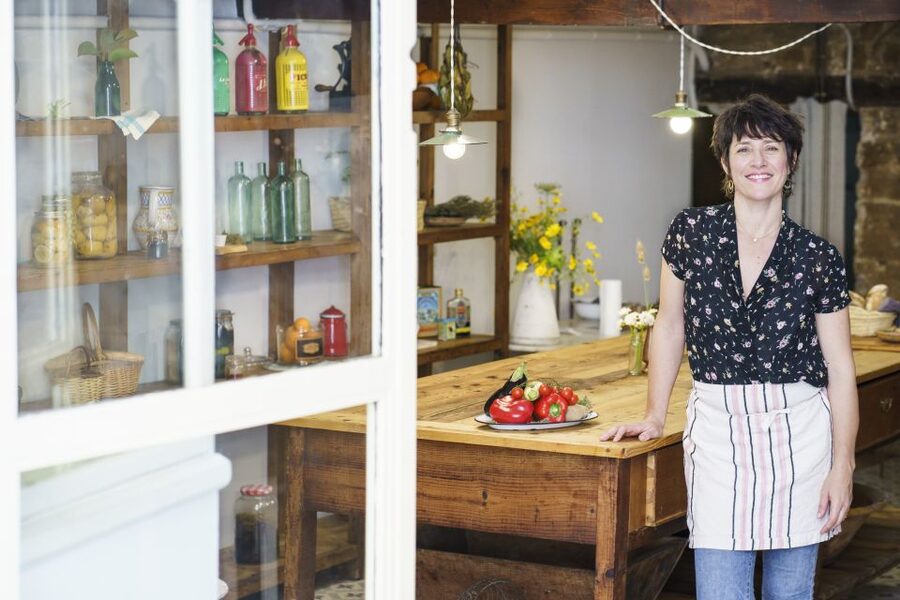
The experience is built around seasonal and local products, and the sustainable ethos is part of how the class explains itself. You’ll hear the values behind the food—an approach that connects what people cook to how the island lives with nature rather than fighting it.
What you’ll feel as a cook is this: recipes make more sense when you understand what the ingredient is and when it’s at its best. Artichokes. Greens. Almonds. Clay-pot rice. Cured meats. These aren’t random choices. They’re anchored in Mallorca’s food calendar.
The organizers also say they collaborate with small producers and farmers, and that you’ll have an opportunity to take home the ingredients and materials used during the workshop. That’s a big deal if you want to reproduce the flavors later. Cooking it once while someone guides you is fun. Cooking it again back home is where the value turns into a souvenir you can taste for months.
One more thoughtful angle: animal protein matters in the traditional understanding of the cuisine, but the workshop can be adapted. For private groups, it can be made vegetarian or vegan if you share dietary needs in advance.
Small Groups, Meaningful Attention, and the Right Pace
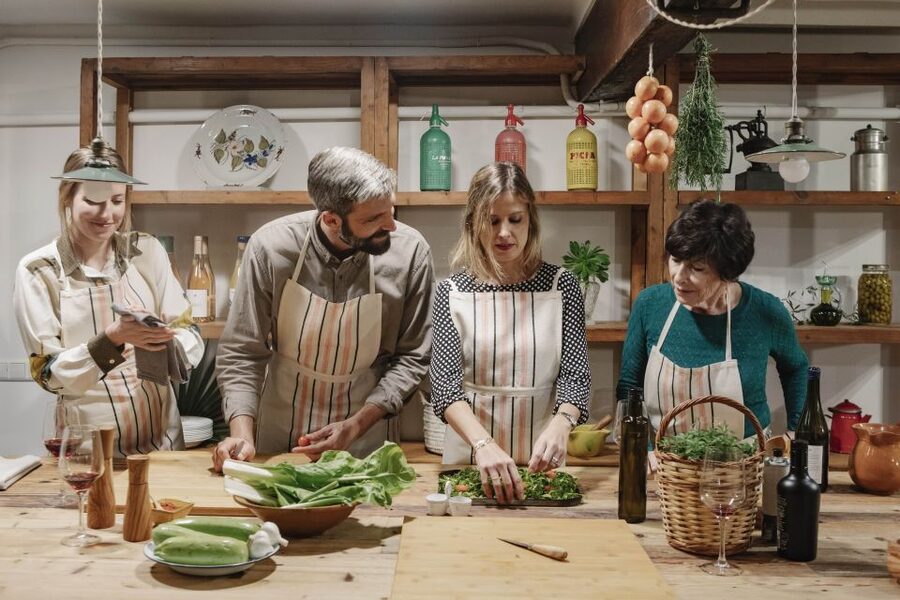
The class runs about four hours total: 1 hour for the market tour, then about 3 hours for the workshop and meal. It’s scheduled as an open group with a maximum of 8 participants. Some reviews mention very small counts like seven, which makes a difference.
In a small group, you’re not stuck waiting for someone else to finish chopping while the instructor repeats the same thing. You get more hands-on attention, and it’s easier to ask the questions you actually care about—like how to handle an ingredient, why a certain step matters, or what makes sobrasada work in a rice dish.
This also helps the social side. Cooking with strangers can turn awkward fast. Here, the group size keeps it friendly instead of chaotic.
Who this suits best:
- Couples or solo travelers who want more than a checklist meal
- Food lovers who like learning how recipes fit into local life
- People who enjoy practical instruction in a real kitchen setting
Who might want to skip it: kids under 12. The experience isn’t positioned for younger kids, and the class pace and environment are better for adults and older teens.
Price, Inclusions, and Whether $171 Is a Good Deal
At $171 per person for a 4-hour small-group experience, the price looks steep at first glance. But it’s not just a cooking demo.
Here’s what’s included:
- 1 hour market tour with tasting of local delicacies (example given: ham)
- Ingredients, materials, and recipes so you can cook again later
- Guided hands-on workshop
- A 4-course lunch based on what you cook
- Two wine glasses per person
- Aperitif is included (example listed: vermut and banderilla on evenings)
So you’re paying for: market guidance, instruction, multiple dishes, lunch, and wine. If you’d otherwise spend the money on a nice sit-down meal plus a cooking class add-on, this becomes easier to justify. The small group limit also adds value—more time with the instructor, less waiting, and a calmer cooking flow.
The main value risk is simple: if you’re only interested in eating and don’t want to cook, you might feel the price better spent elsewhere. This workshop is for people who want to participate.
How to Plan Your Day in Palma Around This Class
Because there’s no pick-up or drop-off at the hotel, plan to arrive on your own to the meeting point. You’ll meet in front of the statue El darrer vestit a l’ampla, in front of Mercat de l’Olivar, on the side of the BBVA bank.
From there, the market walk starts you in Palma’s center. If you’re building the rest of your day, you’ll want some light pacing. After cooking and eating a full 4-course lunch with wine, you won’t feel like sprinting across town.
A nice bonus: Deborah also offers guidance on out-of-the-way places to visit, including restaurants and museums. That’s useful if you want to go beyond the obvious sights without turning your day into a Google Maps marathon.
Timing, Dietary Needs, and Allergy Considerations
The experience runs for 4 hours, with seasonal menus changing based on what’s available. That means you should expect the exact dishes to align with Mallorca’s ingredient calendar rather than a fixed menu year-round.
If you have dietary requirements, private groups can be vegetarian or vegan. For specific needs or severe food allergies, you should contact before booking. The class notes that severe allergies require extra care, and it’s on you (and the provider) to confirm fit.
Also plan ahead for coffee cravings. One review suggested adding an espresso or coffee to round out the event. Since it’s not listed in the inclusions, assume coffee isn’t part of the program unless you arrange it separately nearby.
Should You Book This Mallorca Market and Cooking Workshop?
Book this if you want a Mallorca meal that teaches you something. You’re combining a market education at Mercat de l’Olivar with a hands-on cooking session in a historic bakery at Forn de sa Llotgeta. You’ll leave with a full plate in front of you during the session, and potentially ingredients/materials you can use later.
Don’t book if you’re expecting a big, ongoing buffet-style tasting at the market, or if your schedule requires hotel pick-up. Also skip it for younger kids due to the class setup.
If you want my practical take: this is one of those experiences where the food feels tied to place. You’ll taste Mallorca, but you’ll also understand how it gets made—one seasonal ingredient at a time.
FAQ
How long is the Mallorca market visit and cooking workshop?
It lasts about 4 hours total: 1 hour for the market tour and about 3 hours for the hands-on cooking workshop and lunch.
Where do I meet the group in Palma?
Meet in front of the statue El darrer vestit a l’ampla, in front of Mercat de l’Olivar, on the side of BBVA bank.
What’s included in the price?
The price includes the market tour (including tastings such as ham), ingredients/materials and recipes, the guided hands-on workshop, a 4-course lunch based on the dishes you make, and two wine glasses per person.
Is the group size small?
Yes. The open groups are limited to a maximum of 8 participants. Private courses can be arranged from 2 to 15 participants, subject to availability.
Can the menu be made vegetarian or vegan?
Vegetarian or vegan versions are possible for private groups. You should advise of dietary requirements when booking. For severe food allergies, contact before you book.
Is it suitable for children?
The workshop is not recommended for kids under 10, and it is listed as not suitable for children under 12.