REVIEW · HO CHI MINH CITY
Experience half-day cooking class with market visit
Book on Viator →Operated by "Mai" Home - The Saigon Culinary Art Centre · Bookable on Viator
Saigon tastes better with a chef guiding you. This half-day Vietnamese cooking class in Ho Chi Minh City pairs real ingredient shopping at Ben Thanh (for select times) with hands-on lessons on flavors from Vietnam’s north, south, and central regions, plus fruit carving skills.
I especially like how the class is built for beginners, not culinary geniuses. You’ll practice the basic methods step by step and then cook a meal you can actually understand and repeat at home. I also love the recipe booklet and take-home kit, including a certificate and a small souvenir gift.
One thing to plan around: the market visit is only in the morning. Afternoon and evening sessions skip it because many food stalls close at 12:00pm, so choose your time slot based on whether Ben Thanh is your priority.
In This Review
- Key highlights worth your time
- Half-day cooking with a real market start
- Ben Thanh Market: how ingredients actually show up in cooking
- Morning-only is the big decision
- Chef-led technique learning, plus the Kitchen God touch
- The three-region dishes you’ll actually understand
- What you’ll cook: salads, chicken, and fruit carving
- Beef salad with fruit + star fruit style flavors
- Braised chicken (ginger) and comforting mains
- Fruit carving: the fun skill with a wow factor
- The sit-down feast and your take-home kit
- Price and value at $42: what you’re really buying
- Morning vs afternoon vs evening: pick based on your goals
- Morning course: if you want Ben Thanh on your trip
- Afternoon course: if you want cooking focus
- Evening course: for shorter, pure cooking time
- Who should book this class (and who might not love it)
- Practical tips before you go
- Book it or skip it?
- FAQ
- FAQ
- Is the market visit included in every time slot?
- What meeting point do I use?
- How long is the class?
- What does the class cost and what’s included?
- Do I need cooking experience?
- How big are the groups?
- What kinds of dishes might I cook?
- Will I get to eat what I cook?
- Is pickup provided?
- What should I bring?
- Can I cancel if plans change?
Key highlights worth your time
- Ben Thanh Market (morning only): Walk with the chef to spot produce, spices, and everyday ingredients you’ll use in class.
- Three-region cooking: You learn how north, south, and central styles differ in ingredients and flavor balance.
- Hands-on technique practice: You cook through the steps, not just watch from the sidelines.
- Fruit carving included: Learn a fun, visual skill that works as a souvenir of your skills.
- Eat what you make: Lunch or dinner is served in a friendly group setting after the cooking.
- Small groups: Up to 30 people, with an organized kitchen flow that keeps things moving.
Half-day cooking with a real market start
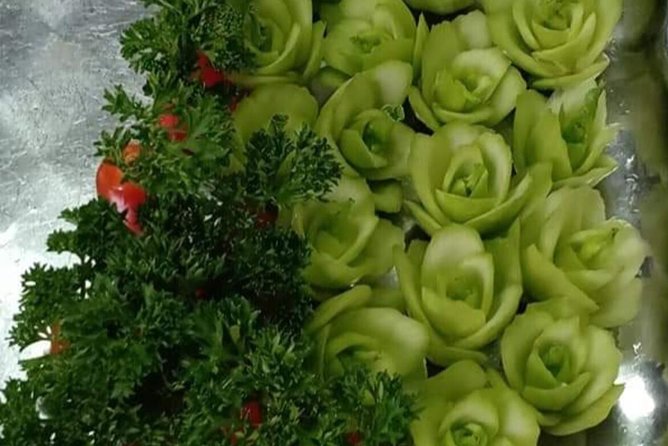
If you only have a short window in Ho Chi Minh City, this is one of the smarter ways to use it. You get a guided food experience that starts with ingredients and ends with a full meal—so you’re not just collecting stories. You’re learning practical cooking moves you can recreate later.
This class is designed to be beginner-friendly, which matters in Vietnam where cooking courses can sometimes feel like fast-moving food boot camps. Here, the pace is structured: you meet, get oriented, shop (in the morning slot), then cook using basic methods. You also get a souvenir gift and a certificate at the end, which turns a simple lunch into a proper experience.
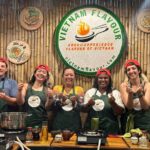
The vibe is social but not chaotic. You’re cooking with a group, learning techniques, and then sitting down together to eat what you made—classic “share food, learn faster” energy.
You can also read our reviews of more tours and experiences in Ho Chi Minh City.



Ben Thanh Market: how ingredients actually show up in cooking
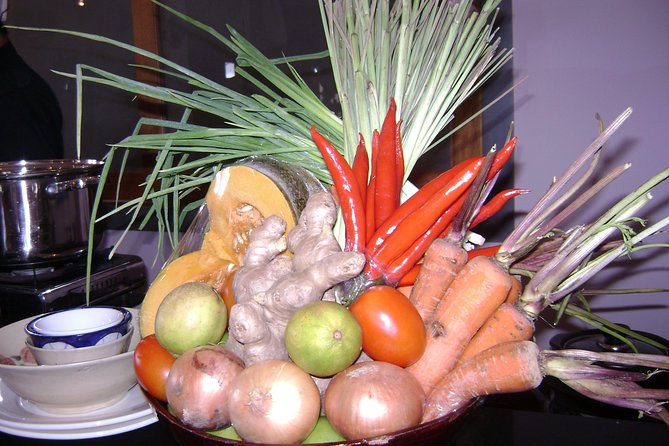
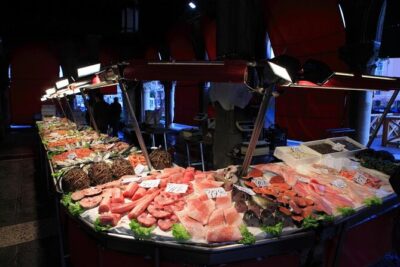
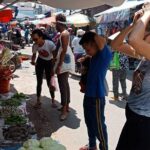
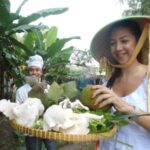
In the morning version, you meet at Ben Thanh Market and head in with the chef to see what locals buy and how ingredients look when they’re fresh. This isn’t a vague “market tour.” The chef explains what to look for and how certain ingredients affect the dishes you’ll cook later.
What I’d take away from the market visit is the “why,” not just the “what.” When you see vegetables, herbs, and spices in context—how they’re grouped, how they’re sold, and what’s commonly used—you start to understand substitution. At home, you won’t have every exact market ingredient. But you’ll recognize the flavor role (fresh herb bite, tangy fruit note, savory spice backbone) and you can shop with that in mind.
Morning-only is the big decision
If Ben Thanh is on your must-do list, book a morning slot. The afternoon and evening classes don’t include the market walk because many stalls close at 12:00pm after the pandemic period. That also means the class transitions faster into cooking.
So the tradeoff is simple:
- Morning: Market walk + ingredients you just saw become the dishes you cook.
- Afternoon/Evening: More time focused purely on the cooking process, with no market tour.
Chef-led technique learning, plus the Kitchen God touch
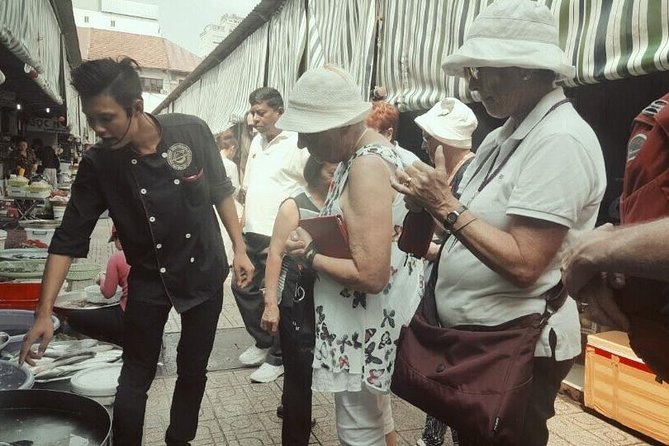
Your meeting point is at Phan Chu Trinh, Bến Thành, District 1, and you’ll connect with the chef first, then move through the day with guidance. After the market portion (for morning), there’s a welcome drink and a story about the Kitchen God. That part may sound ceremonial, but it helps set the theme: Vietnamese cooking isn’t just food. It’s tradition, timing, and respect for ingredients.
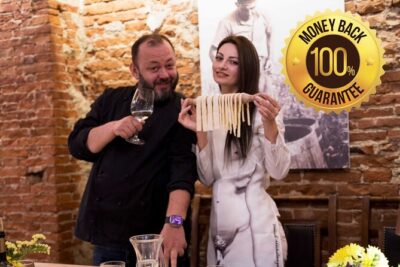
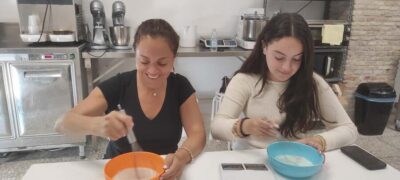
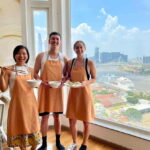
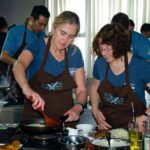
Once you’re in the kitchen, the structure becomes the main attraction. You don’t just stand there. You participate in each step so you can reproduce the process later. They cover basic cooking methods, which is exactly what beginners need: fewer mysteries, more repeatable skills.
One practical benefit here: the class feels organized in how they assign tasks and keep everyone moving. You’re not stuck waiting for someone to finish a step while your hands stay empty. That keeps the class fun and also makes the techniques stick.
The three-region dishes you’ll actually understand
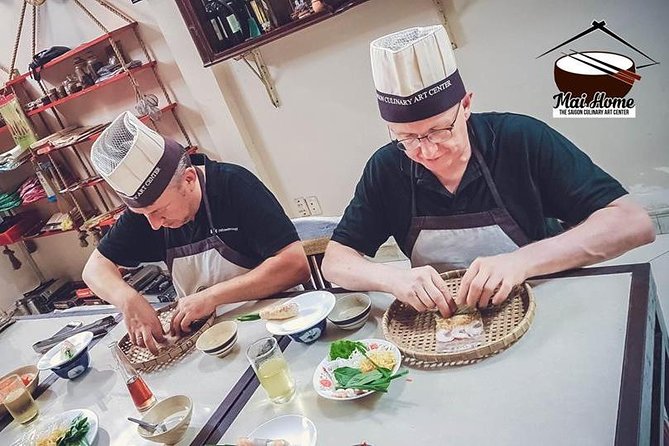
A lot of cooking classes claim they cover Vietnam. This one takes the three-region idea seriously and teaches you how dishes relate to north, south, and central styles. That’s useful because Vietnam’s cuisine varies a lot by region—ingredients, spice levels, and how sweet/sour/salty flavors are balanced.
You’ll notice that the class menus rotate, but the structure stays consistent. Expect a mix of:
- salads and tangy fruit-forward dishes (with ingredients like young banana and star fruit),
- savory meat dishes (often chicken-based, sometimes with ginger),
- and cooked staples served with steamed rice or rice-friendly sides.
This approach is good value because you’re learning a framework. Even if you don’t cook the exact menu at home, you’ll understand the flavor logic behind it.
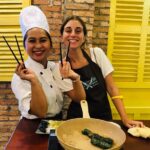


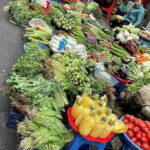
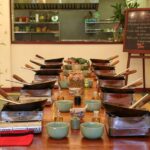
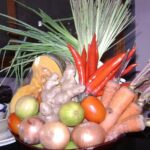
What you’ll cook: salads, chicken, and fruit carving
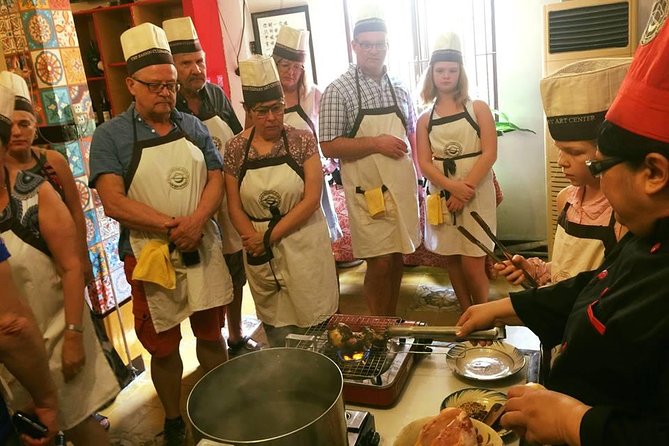
Menus vary by day, but here are examples of what you might make:
Beef salad with fruit + star fruit style flavors
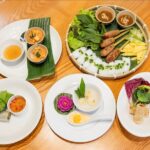
One sample menu includes a beef salad with young banana and star fruit. Another option is typical rolls served with a special dipping sauce. Either way, this kind of dish teaches balance: freshness from fruit and herbs, savory depth from meat, and brightness from the dipping sauce.
Braised chicken (ginger) and comforting mains
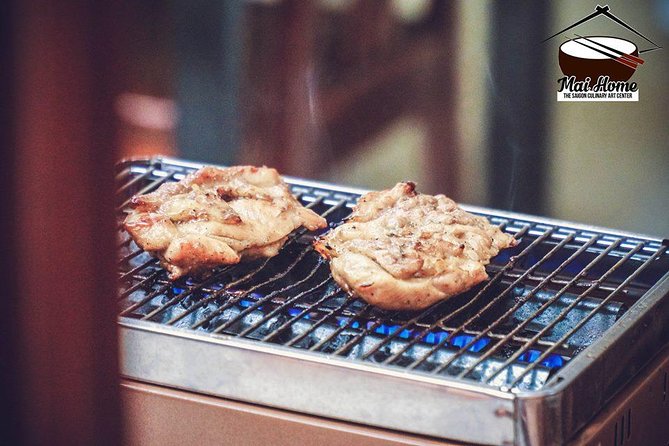
Another sample dish is braised chicken with ginger, served with options like a sizzling pancake style preparation or a chicken noodle soup. You’ll also see happy steamed rice as part of the meal.
If you’re new to Vietnamese cooking, chicken dishes are a smart training ground. They teach you how to build flavor during cooking and how to pair it with rice so it becomes a full, satisfying meal—not just a “cooking demonstration.”
Fruit carving: the fun skill with a wow factor
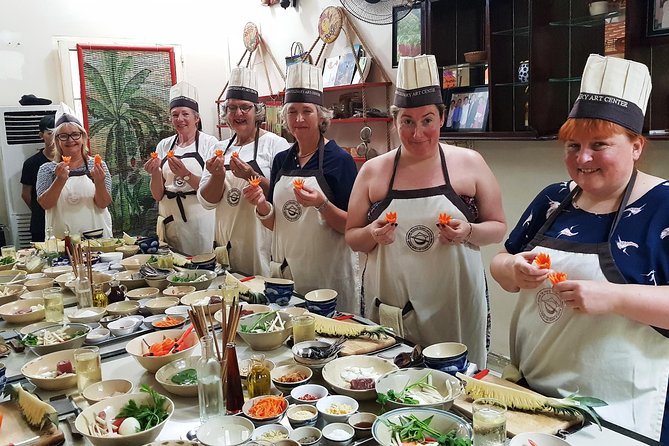
Then there’s carving fruit. This is one of those class additions that makes the experience feel memorable. It also gives you something you can practice without fancy equipment. You’re building a visual skill that transfers well to home entertaining and gives you a souvenir-level outcome.
The sit-down feast and your take-home kit
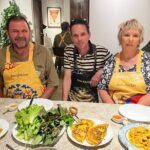
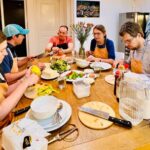
After cooking, you get to FEAST on the food you made. This part matters more than people expect. When you eat the dishes right after learning how they’re built, you register the flavors more clearly. You remember what changed when you adjusted seasoning, texture, or timing.
You’ll typically get lunch or dinner depending on your slot, plus a welcome beverage like iced tea. The meal is served in a convivial setting with the group, so it doesn’t feel like a cafeteria-style end.
And you leave with more than memories:
- a recipe book (manual-style recipes),
- a certificate,
- and a souvenir gift from Mai Home.
For me, that take-home package is a big part of the value. You’re not stuck guessing how the dish should taste. You get a roadmap for recreating the meal when you’re back at home and your market access is… less convenient.
Price and value at $42: what you’re really buying
At $42 per person for a half-day, you’re paying for three things:
1) guided ingredient shopping (in the morning slot),
2) hands-on cooking instruction across basic methods,
3) a full meal plus take-home materials.
A short cooking class can be pricey if it’s mostly watching. This one is better because you participate in the steps. And because the class covers techniques plus regional flavor thinking, you’re not just eating. You’re learning how to shop and cook with confidence.
Also, with a maximum of 30 travelers, you’re less likely to feel like a number. Smaller groups usually help instruction stay practical. It’s also booked about 32 days in advance on average, which usually signals decent demand—so plan ahead if you want a specific time of day.
Morning vs afternoon vs evening: pick based on your goals
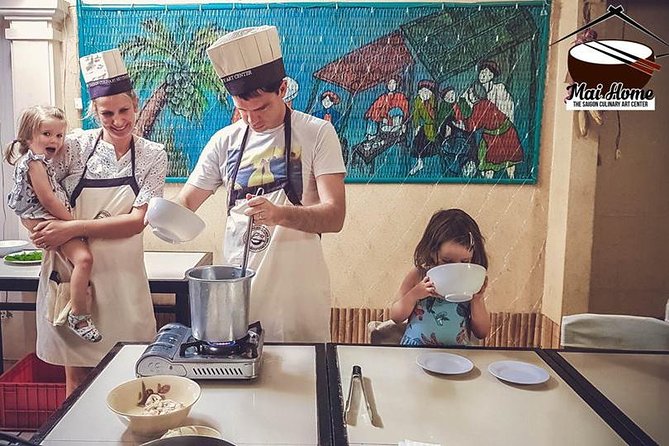
Here’s the simplest way to choose your slot:
Morning course: if you want Ben Thanh on your trip
You’ll get the Ben Thanh Market visit, the ingredient walk, then come back to cook and eat. If you love markets—textures, herbs, spices, street-level food culture—this is the most complete option.
Afternoon course: if you want cooking focus
No market visit here. That can actually be a plus if you’ve already done Ben Thanh earlier or you’d rather spend your energy inside the kitchen. You still cook, still eat what you make, and still take home recipes and a certificate.
Evening course: for shorter, pure cooking time
Evenings are shorter and omit the market tour. This option makes sense when you’re balancing other plans in District 1. You’ll get the core cooking experience without the added market time.
One logistics note: the class ends back at the meeting point. And pickup isn’t presented as a full door-to-door service; the practical assumption is that you’ll either meet at the market area or coordinate based on the time slot and where they stage pickup.
Who should book this class (and who might not love it)
I’d steer you toward this cooking class if you fit any of these:
- you’re a beginner and want real technique guidance,
- you want a Vietnam-flavor lesson across north/south/central styles,
- you like food experiences that end with a meal, not just tasting bites,
- you want a take-home recipe booklet so cooking at home is possible.
It might feel less ideal if:
- you’re only interested in market wandering and want a long, independent browse,
- you hate structured group activities (the class is step-by-step and social),
- fruit carving isn’t your thing (it’s part of the experience, though you can enjoy it without being a “craft” person).
For families, it can also work well because it’s hands-on and ends in a shared meal—though the class is still guided, so it won’t feel like an open-play cooking demo.
Practical tips before you go
- Choose your time slot intentionally. If you want Ben Thanh included, go morning.
- Come hungry. You’ll cook and then eat a full lunch or dinner.
- Ask questions during the market walk (morning) if something looks unfamiliar—this is where substitution skills are born.
- Treat the recipe booklet as your home plan. Don’t just file it away. Pick one dish you want to cook within a week so the flavors stay fresh in your head.
Book it or skip it?
If you’re trying to get more than one “great meal” out of your Vietnam trip, I’d book it. The combination of a chef-led class, hands-on cooking, and a take-home recipe booklet gives you real value, and the fruit carving adds a fun memory you can show.
Skip it only if you already know you don’t want guided cooking steps, or if your schedule doesn’t match the morning market-included option and you were mainly after Ben Thanh itself.
FAQ
FAQ
Is the market visit included in every time slot?
No. The market visit is included only in the morning session. Afternoon and evening courses do not include the market visit because food stalls are closed after 12:00pm.
What meeting point do I use?
The experience meets at Phan Chu Trinh, Bến Thành, District 1, Ho Chi Minh City, Vietnam, and it ends back at the same meeting point.
How long is the class?
This is a half-day cooking class. Evening courses are described as shorter, and morning/afternoon include the market visit (morning only includes the market walk).
What does the class cost and what’s included?
The price is $42.00 per person and it includes the cooking ingredients, lunch or dinner, a welcome drink (iced tea is mentioned), a recipe book, a certificate, and a souvenir gift. Extra drinks are not included.
Do I need cooking experience?
No. The class is tailored for beginners and focuses on basic cooking methods, with step-by-step participation.
How big are the groups?
The group size is capped at a maximum of 30 travelers.
What kinds of dishes might I cook?
Menus vary by day, but examples include a beef salad with young banana and star fruit, typical rolls with dipping sauce, braised chicken with ginger, sizzling pancake or chicken noodle soup, plus carving fruit.
Will I get to eat what I cook?
Yes. After cooking, you’ll sit down to eat a lunch or dinner featuring the dishes you prepared.
Is pickup provided?
Drop-off is not included. Pickup is not described as a full service, but pickup can be from the market or from your hotel depending on the time slot, since afternoon and evening do not include the market tour.
What should I bring?
The tour provides a mobile ticket, so just have your ticket ready. The rest of what you need for cooking is handled by the class, including ingredients and instruction.
Can I cancel if plans change?
Free cancellation is offered up to 24 hours before the experience starts for a full refund.