REVIEW · HO CHI MINH CITY
Ho Chi Minh City Cooking Class in Local’s Home
Book on Viator →Operated by DN Tour · Bookable on Viator
Pho meets hands-on lessons. I like the local home setup and the way the chef-guide breaks down each step so you can actually cook, not just watch; one watch-out is that hotel pickup is not included, so you’ll need to get yourself to the start point in District 1.
The class runs about 3 hours, usually for a small group (max 10), and the menu includes 4 traditional dishes that can change daily. You’ll finish by sitting down to eat a meal built from what you made, using fresh ingredients provided for you, with everything kept simple through a mobile ticket.
In This Review
- Key things I’d bet on before you book
- Cooking Vietnamese classics in a home kitchen, not a demo room
- Price and timing: what $55 covers (and why it’s fair)
- Getting to the meeting point on Nguyễn Thị Minh Khai (and why it matters)
- How the 3-hour lesson actually flows in a Vietnamese home
- The menu: pho, banh xèo, fresh rolls, and shaking beef
- Learning from an English-speaking chef-guide (Alice’s teaching style, for example)
- Lunch or dinner at the table: eating what you cooked (with 3 included dishes)
- Cultural context: Vietnamese family cooking, not just a recipe list
- Who should book this Ho Chi Minh City cooking class?
- Should you book this cooking class in Ho Chi Minh City?
- FAQ
- How long is the cooking class?
- How much does it cost?
- Where do I meet for the Ho Chi Minh City cooking class?
- Is hotel pickup included?
- What dishes will I learn to cook?
- Is the guide available in English?
- How many people are in the group?
- What is the cancellation policy?
Key things I’d bet on before you book
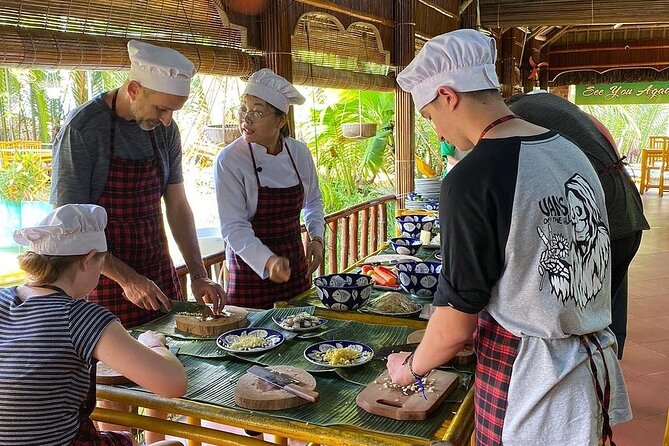
- Up to 10 people means more attention, more hands-on time, and less standing around.
- A 4-dish menu that changes daily keeps the experience feeling less repetitive.
- English-speaking chef-guide leads the cooking and keeps the instructions clear.
- You eat the results: lunch or dinner with 3 dishes is included.
- All ingredients and equipment provided so you can focus on learning, not shopping.
Cooking Vietnamese classics in a home kitchen, not a demo room
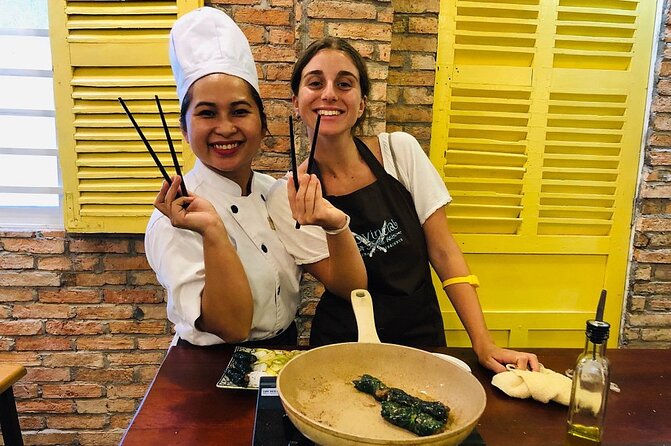
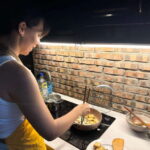
This Ho Chi Minh City cooking class is built around a straightforward idea: you learn Vietnamese food by cooking it in a real household kitchen. That matters because family-style cooking is about flow, timing, and texture, not just memorizing recipes.
You’ll be guided through the cooking process by an English-speaking chef-guide who’s also the main instructor. The goal isn’t to turn you into a cookbook author. It’s to help you build practical skills you can use later—like how to balance flavor, what to watch for while it cooks, and how to put dishes together so they taste like the real thing.
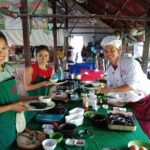
The vibe tends to feel relaxed and social. One reason the class gets strong marks is how quickly a group of strangers turns into a working team—hands on, laughing at mistakes, trading tips, then digging into the meal together.
You can also read our reviews of more tours and experiences in Ho Chi Minh City.



Price and timing: what $55 covers (and why it’s fair)
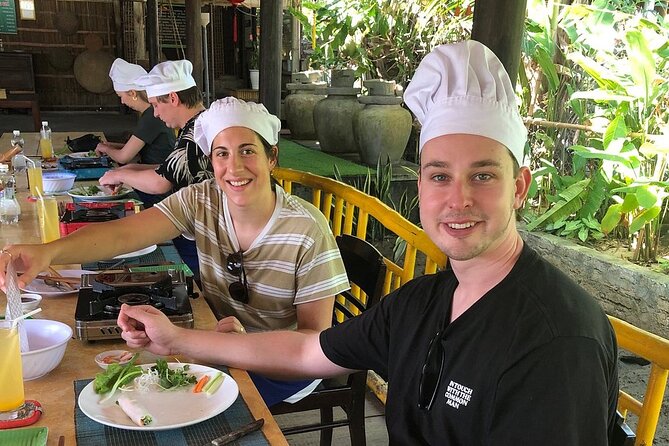
At $55 per person for about 3 hours, this can be good value if you compare it to the true cost of a guided meal plus cooking instruction. You’re not just paying for someone to talk at you. The price includes:
- cooking equipment
- ingredients
- a lunch or dinner made up of 3 dishes
- an English speaking tour guide as main chef
That’s a lot folded into a short time window. And because it’s capped at 10 travelers, you’re more likely to get coaching when you’re doing the tricky parts (like getting the right doneness or shaping fresh items).
The one thing to watch is what’s not included: hotel pickup and drop-off. If you’re staying somewhere far from District 1, factor in time and local transport costs so the total feels like what you planned.
Getting to the meeting point on Nguyễn Thị Minh Khai (and why it matters)
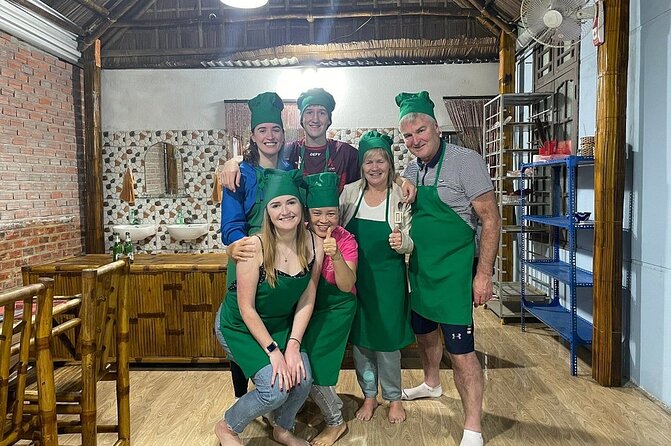
The meeting point is at 131/3 Đ. Nguyễn Thị Minh Khai, Phường Phạm Ngũ Lão, Quận 1, Hồ Chí Minh 711106, Vietnam. The activity also ends back at the same meeting point.
That sounds basic, but it helps you stay in control. No waiting around for a pickup that runs late. You can show up, get oriented quickly, and start cooking.
Since it’s listed as near public transportation, you’ll likely find it easy to reach by common local routes. Still, give yourself a buffer—Vietnamese city streets can be busy, and you’ll want a calm start before your first chopping session.
Bring comfortable shoes. Even though it’s only a few hours, cooking classes involve standing, moving, and cleaning up as you go.
How the 3-hour lesson actually flows in a Vietnamese home
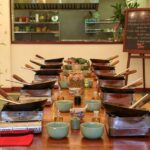
The structure is simple and learnable. Your chef-guide meets you at the start point and welcomes you. From there, you’ll work through the cooking process with guidance throughout.
Here’s what you can count on, step by step:
- You get instruction and support as you cook.
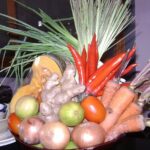
- Fresh local ingredients are provided, along with the equipment you need.
- The class uses a full course approach, not just one dish.
- You finish by eating together—so you taste what you made, while it’s fresh and at the right temperature.
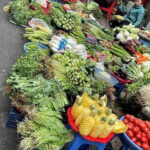
The hands-on part is the big win. Cooking in a home setup changes how you learn. You’re paying attention to smells, sizzling sounds, and texture shifts, because that’s how the dishes come together.
And because the class aims to teach more than mechanics, you’ll get context along the way—how Vietnamese families think about dinner, how ingredients are used day to day, and why certain techniques show up again and again.
The menu: pho, banh xèo, fresh rolls, and shaking beef
The menu includes 4 traditional dishes, and it can change from day to day. That keeps things interesting if you’re in the city more than a couple of days.
Even with that daily swap, the class covers popular Vietnamese staples. The experience is designed so you practice dishes you’ll recognize on sight, including:
- pho (often as a chicken pho style in some sessions)
- bánh xèo (the crispy savory pancake)
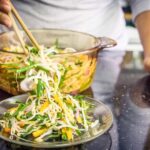
- fresh rolls (the hand-rolled kind)
- shaking beef (often called bo luc lac)
In at least some sessions, you might make combinations like Chicken Pho, Shaking Beef, and fresh rolls—and then enjoy a meal that includes 3 dishes. The exact pairing isn’t guaranteed every day, but the through-line is consistent: you’ll learn how these dishes are built, not just how they’re plated.
Why this menu choice works for first-timers:
- Pho teaches you broth and seasoning judgment.
- Bánh xèo teaches you heat control and texture.
- Fresh rolls teach assembly and timing (so the wrapper doesn’t turn soggy).
- Shaking beef teaches quick cooking and how to serve it so it stays tender.
Also, because the class focuses on everyday favorites, you come away with flavors that feel practical, not just special-occasion. That’s the kind of cooking knowledge you can actually use.

Learning from an English-speaking chef-guide (Alice’s teaching style, for example)
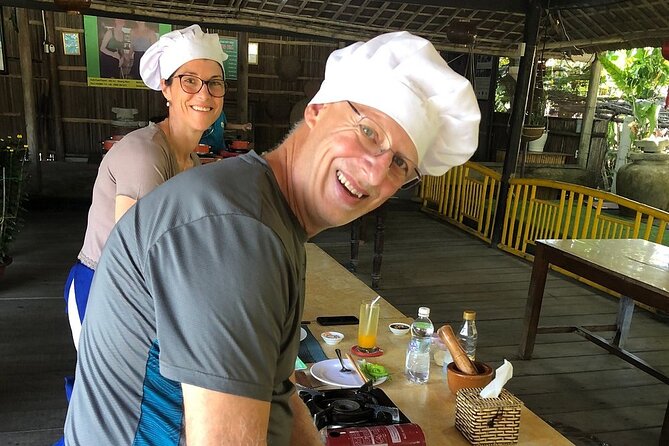
One of the most praised parts of this experience is the instructor quality. You’ll get an English speaking tour guide as the main chef, and that makes a real difference when you’re learning techniques by feel.
In some classes, the guide is named Alice, and she’s specifically noted as a great teacher—sweet, attentive, and clear in how she guides each person through what to do next. That kind of responsiveness matters when you’re working in a group of up to 10, because everyone has a different pace.
The class also tends to build confidence. You’re not handed a finished dish and told to guess what’s inside. You’re shown the steps, supported while you cook, then rewarded with a meal you can enjoy immediately.
The welcome can be more than just logistical. Some sessions include a refreshing greeting like ice-cold limeade, which is a small thing that makes a warm start in a big-city day feel extra human.
Lunch or dinner at the table: eating what you cooked (with 3 included dishes)
The class ends with a shared meal where you sit down and enjoy your cooking. What’s included is lunch/ dinner with 3 dishes.
This part is more than a payoff. It’s where learning locks in. When you taste your own pho or rolls right after cooking, you start noticing the cause-and-effect:
- what happens when the broth is seasoned a little differently
- how heat level changes crunch or softness
- how rolling technique affects texture and bite
It’s also social. A lot of the fun comes from eating with a group that worked together. If you like classes where you talk while you cook and then linger at the table, this fits.
You’ll leave with full stomach confidence, too—this isn’t a light snack class. It’s designed as a meal.
Cultural context: Vietnamese family cooking, not just a recipe list
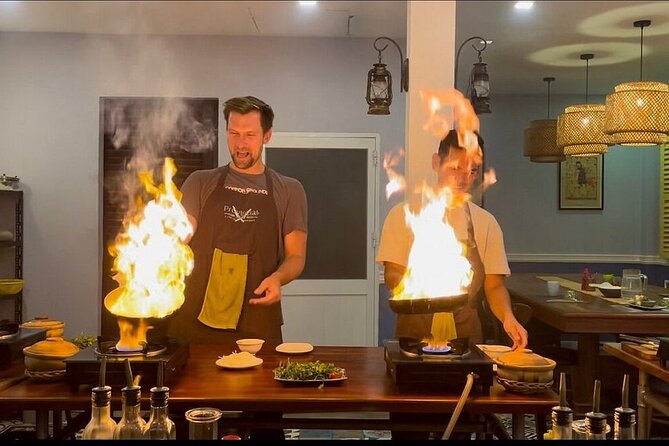
The experience aims to give more than steps and measurements. The chef-guide isn’t just teaching recipes; the class is meant to show how Vietnamese families across the country live and eat.
You can feel that in the way dishes are handled—practical ingredients, flexible course flow, and the expectation that cooking is a shared activity. In Vietnam, food often acts as a kind of language: you gather, you talk, you eat, and the meal becomes the center of the day.
That cultural angle makes the cooking lessons more memorable. You’re not only learning how to make pho or bánh xèo. You’re learning why those dishes make sense as part of everyday life.
Who should book this Ho Chi Minh City cooking class?
This is a great fit if you want an authentic Vietnam food experience with real instruction and a meal built in. It’s especially ideal for:
- first-timers who want a guided introduction to Vietnamese flavors
- people who learn best by hands-on doing
- anyone traveling solo or as a couple who likes meeting others in a structured setting
- food lovers who want home-style cooking, not a stage performance
It may be less ideal if you dislike walking to meeting points or you strongly prefer door-to-door convenience—because hotel pickup is not included.
Should you book this cooking class in Ho Chi Minh City?
Yes, I’d book it if your priority is learning Vietnamese cooking in a real home kitchen with an English-speaking chef-guide, plus a meal that lets you taste what you made. The small group size (max 10), the hands-on structure, and the included ingredients/equipment make the $55 feel more like a complete experience than a short demo.
Book it especially if you want classic dishes like pho, bánh xèo, fresh rolls, and shaking beef with practical coaching, not just a list of recipes to follow later.
If you want maximum convenience with no self-navigation, consider choosing a tour with pickup instead. Otherwise, this class is a very solid way to spend a few hours in Ho Chi Minh City doing something you’ll remember long after you’re back in your hotel.
FAQ
How long is the cooking class?
The class lasts about 3 hours.
How much does it cost?
It costs $55.00 per person.
Where do I meet for the Ho Chi Minh City cooking class?
You meet at 131/3 Đ. Nguyễn Thị Minh Khai, Phường Phạm Ngũ Lão, Quận 1, Hồ Chí Minh 711106, Vietnam. The experience ends back at the meeting point.
Is hotel pickup included?
No. Hotel pickup and drop-off are not included.
What dishes will I learn to cook?
The menu includes 4 traditional dishes that can change daily. The experience covers popular Vietnamese dishes such as pho and bánh xèo, and it can include dishes like Chicken Pho, Shaking Beef, and fresh rolls. The meal portion includes 3 dishes.
Is the guide available in English?
Yes. The class includes an English speaking tour guide as the main chef.
How many people are in the group?
The class has a maximum of 10 travelers.
What is the cancellation policy?
You can cancel for a full refund up to 24 hours before the experience starts. If you cancel less than 24 hours in advance, the amount paid is not refunded.