REVIEW · OSAKA
Osaka: Cooking Class & Sake Tasting with Local Market Visit
Book on GetYourGuide →Operated by MagicalTrip · Bookable on GetYourGuide
Food lessons start at a local supermarket. You shop for what you will cook at a local supermarket, then turn it into niku-sui, okonomiyaki, and gyoza with an English-speaking local guide like Chie or Eri. The class feels friendly and practical, but if you need gluten-free meals, this tour can’t offer them.
At $90 per person for four hours with a small group limited to 7, it is priced like an experience, not just a meal. You’ll get lunch, tea, three canned drinks, and photos emailed after the session—nice extras when you want to remember what you actually made.
In This Review
- Key things I’d circle before you book
- Why this four-hour Osaka cooking class fits real travel days
- Price and what $90 really buys you
- Finding the meeting point near Minami Morimachi Station
- The supermarket stop: learning Osaka shopping habits, not just buying food
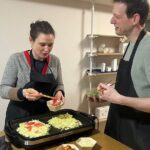
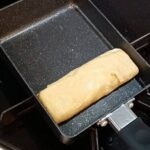
- Cooking niku-sui, okonomiyaki, and gyoza like you mean it
- Niku-sui: a beef soup that feels like Osaka comfort food
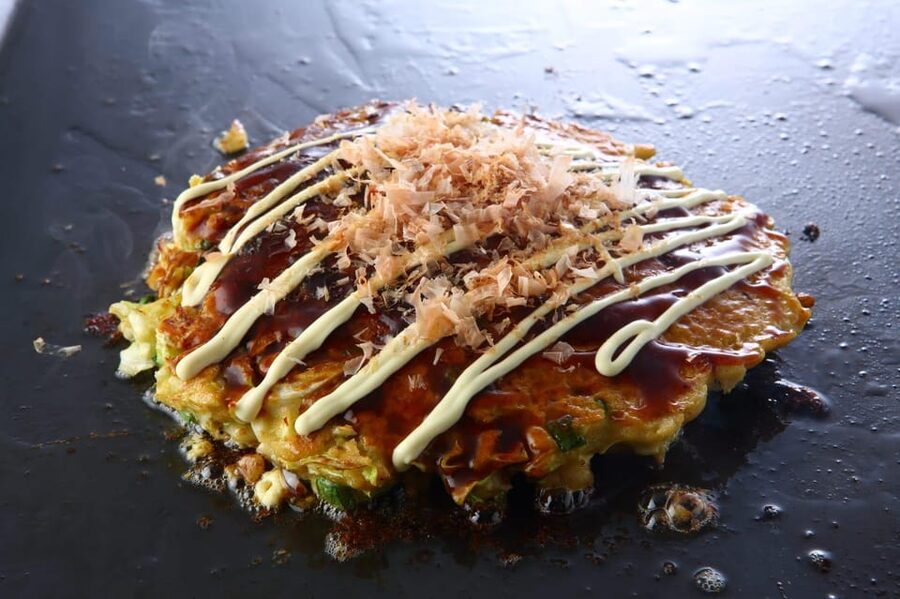
- Okonomiyaki: Osaka’s savory pancake with personal variations
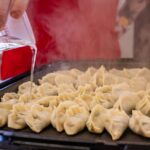
- Gyoza: the fun part—folding, cooking, and getting feedback fast
- Drinks during cooking: sake, beer, and easy conversation
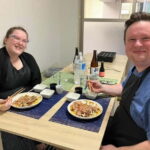
- Lunch you actually earned
- How the take-home recipes and photos help (a lot)
- Practical tips so your class day stays stress-free
- Who this Osaka cooking class is best for
- When the guide makes the difference
- Should you book this Osaka cooking class with market visit and sake tasting?
Key things I’d circle before you book
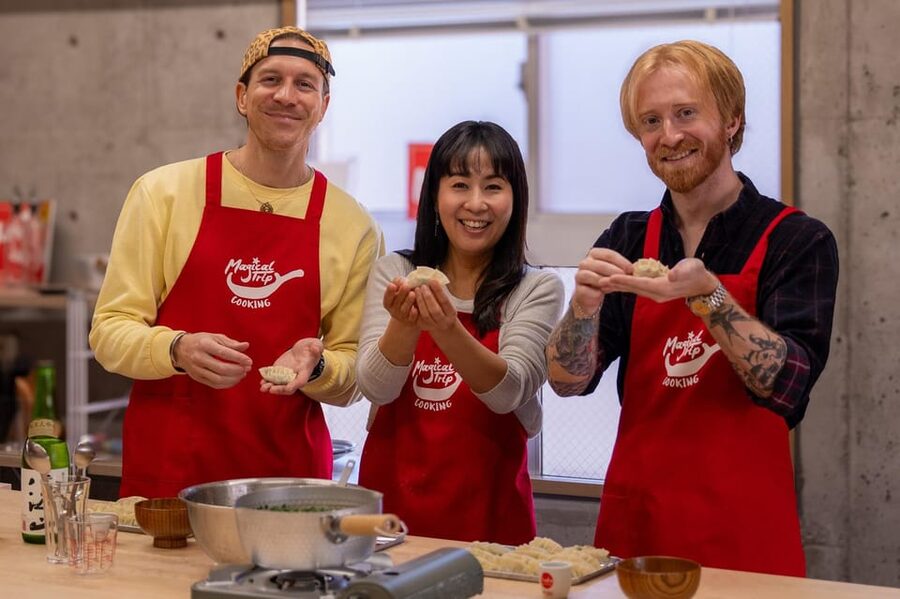
- Small group (max 7) means more attention while you fold gyoza and cook on the spot.
- Local supermarket first: you pick up fresh ingredients before you ever hit the stove.
- Three Osaka dishes taught step-by-step: niku-sui, okonomiyaki, and gyoza.
- Drinks included during cooking: 3 canned options plus tea, with sake or beer often on the menu.
- Take-home support: downloadable recipes and guide photos so you can recreate the meal later.
Why this four-hour Osaka cooking class fits real travel days
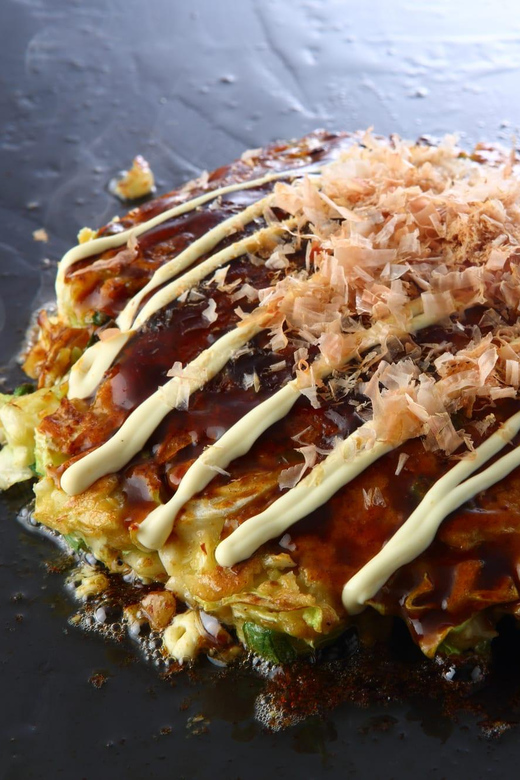
Osaka food is one of those things you can chase all trip long, but it helps to have a hands-on plan. This class is built around a simple idea: you learn how to make three everyday favorites, then you eat what you cooked. In four hours, you get enough structure to feel confident after the last bite, not just “that was fun.”
I also like the pacing. The visit starts with shopping, then you cook in a welcoming studio with an English-speaking local guide. That flow matters because it connects the ingredients you chose with the flavors you’re building—especially for dishes like okonomiyaki, where small decisions change the final result.
One more thing: this is a small group. That usually means less waiting around, more hands-on time, and quicker help when you’re folding gyoza or trying to get the right pancake thickness. If you’ve ever taken a cooking class where you basically watch, this format is built to keep you moving.
You can also read our reviews of more tours and experiences in Osaka.

Price and what $90 really buys you
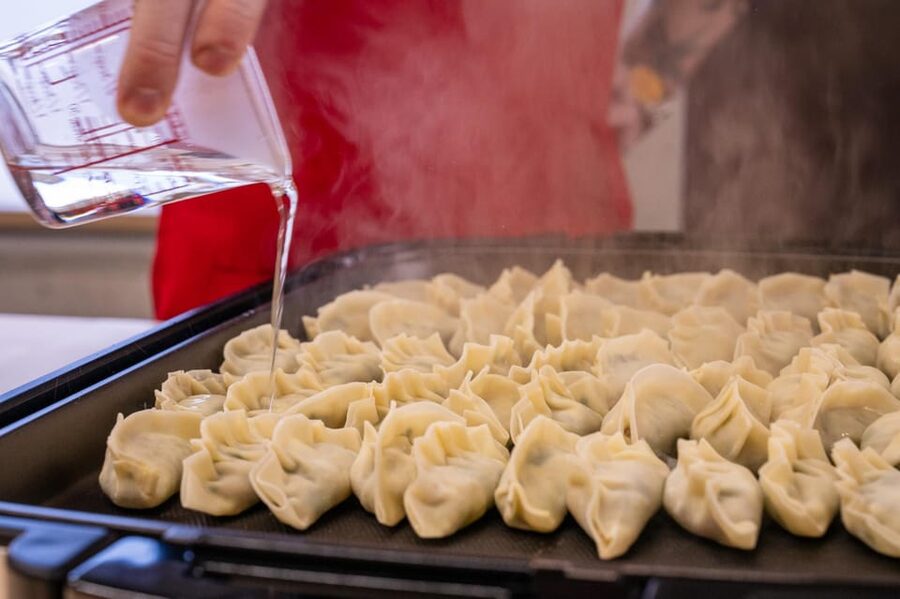
$90 per person can sound steep—until you price it like a day out. Here’s what you’re actually getting for that money: the full cooking experience and lunch, all ingredients, tea, three canned drinks (alcoholic or non-alcoholic), and an English-speaking local guide for the full four hours. On top of that, you get photos taken during the tour and sent by email, plus downloadable recipes after.
You’re not just paying for a meal. You’re paying for:
- Ingredient sourcing guidance at a local supermarket
- Step-by-step instruction you can repeat at home
- A controlled cooking setup where you’ll make three dishes, not one
- Photos and recipes so you leave with something concrete
If your goal is to taste Osaka and take home the methods, this tends to feel like good value. If your goal is purely to eat without cooking, you might feel the time commitment—because you will be doing real prep and cooking.
Finding the meeting point near Minami Morimachi Station
Meet up is straightforward: in front of FamilyMart, about a one-minute walk from the 4B Exit of Minami Morimachi Station. That clarity is helpful because Osaka stations can be busy and signage can vary by entrance.
Go a little early. The tour starts on time, and late arrivals can’t join, reschedule, or get refunds. If you’re the type who likes to wander first, set a firm “no wandering past this point” rule for the hour before your start.
The supermarket stop: learning Osaka shopping habits, not just buying food
The tour begins with a trip to a local supermarket to pick up fresh ingredients. This part is more than a quick photo moment. It’s where you learn how Japanese home cooks think about food—what they choose, how they package it, and how ingredient forms can shape the final dish.
You’ll see how the market ties into everyday meals. That matters for niku-sui, which relies on comforting, flavorful components. It also matters for okonomiyaki, where the ingredients you buy (and the way they’re prepped) affect texture and taste. And for gyoza, the store run helps you understand how simple items become something that tastes like a full meal.
A big practical benefit: you’re not stuck guessing at home what to look for. Even if you can’t match every product exactly outside Japan, you’ll know the categories—what should be savory, what should provide chew, and what helps make the filling juicy and cohesive.
Cooking niku-sui, okonomiyaki, and gyoza like you mean it
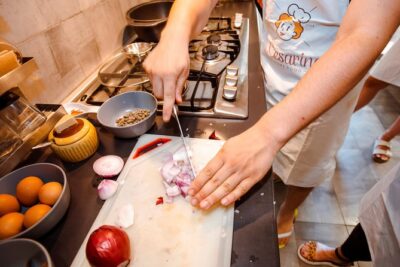
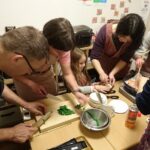
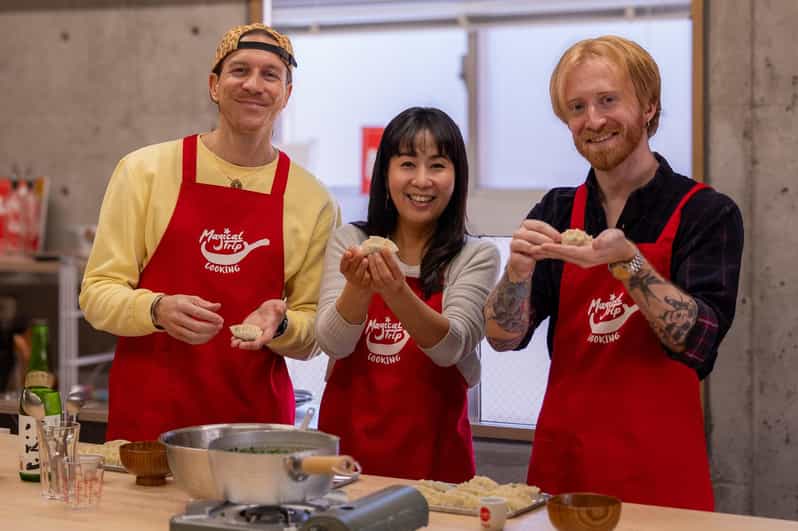
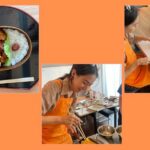
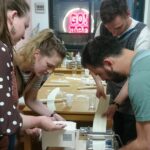
Back at the MagicalTrip Original Cooking Studio, the guide walks you through everything step-by-step in a relaxed setup. No cooking experience is required; the instructions are designed to be clear and doable.
Niku-sui: a beef soup that feels like Osaka comfort food
Niku-sui is described as a local beef soup you’ll see people love. In a class like this, it’s a smart first dish because it trains your palate and timing before you move into hotter, more active cooking. You’ll learn how to build a savory base with simple ingredients, which is useful at home because soup is forgiving and easy to scale.
If you want a dish that tastes impressive without complicated technique, niku-sui is a good anchor.
Okonomiyaki: Osaka’s savory pancake with personal variations
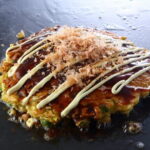
Okonomiyaki is famous for a reason: people put their own stamp on it. This class treats it like a hands-on skill. You’ll work through the method and learn what makes the pancake satisfying rather than soggy or bland.
What I like here is the emphasis on authenticity that stays simple. Even if you don’t read Japanese, you can follow the process and still understand how the dish comes together. Once you make it once, you can adjust toppings and thickness later, which is exactly how locals treat it.
Gyoza: the fun part—folding, cooking, and getting feedback fast
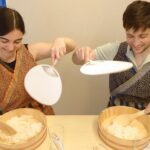
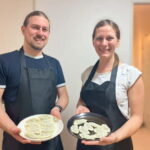
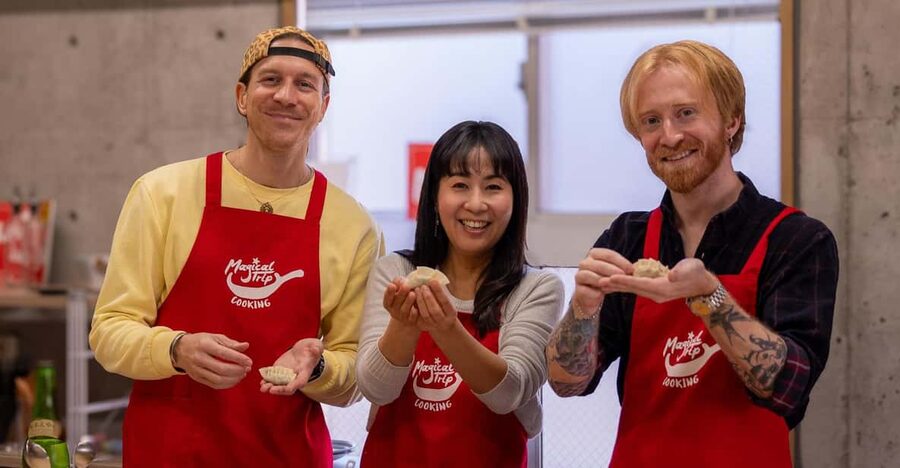
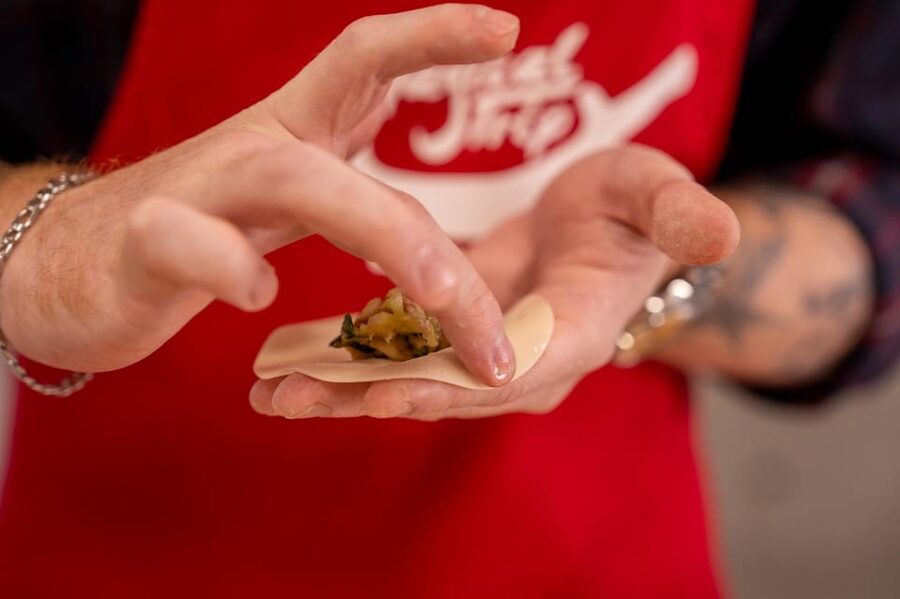
Gyoza is where most people end up laughing a little. Folding dumplings takes focus, and it’s hard to mess up in a way that ruins the whole class. The group format helps because you can learn from each other’s attempts, and the guide can correct details quickly.
Crispy edges plus juicy filling is the goal. Even if your first batch isn’t restaurant-perfect, you’ll learn what to watch for so your next try gets closer.
Drinks during cooking: sake, beer, and easy conversation
This experience includes tea and three canned drinks during the class, alcoholic or non-alcoholic. Depending on what’s available, you may be able to enjoy local sake or beer while you cook and chat.
I like the way this is handled: the drinks are part of the social rhythm, not the centerpiece. You’re still learning the dishes, still working with your hands, and still getting guidance. That keeps the class from feeling like a party where nobody pays attention to what they’re making.
In practice, the conversation also adds value. Guides often share cultural context while they cook. One example from the guides: Chie is praised not only for making the cooking easy and fun, but also for knowledge about Japanese history and products, which adds texture to the food without turning it into a lecture.
And yes, there’s genuine personality in the room. Linda has even been noted for decorating the studio with Christmas touches and staying attentive throughout—small details that make the experience feel warm and human.
Lunch you actually earned
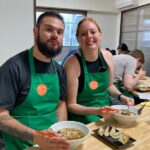
You’ll have lunch as part of the cooking experience. This isn’t a separate “sidelined meal.” It’s the payoff for the work you did: you make the dishes, you eat them, and you can connect taste with technique.
That matters for travelers who get tired of eating out and want something more meaningful. When you build the meal yourself, you taste more closely. You notice what changes when you adjust thickness on okonomiyaki or how the soup develops with timing.
How the take-home recipes and photos help (a lot)
One of the best practical perks is that you can download recipes after the tour. That’s huge for turning a fun evening into a real home-cooking skill.
You also get tour photos taken by your guide and emailed afterwards. I’ve found that photos from cooking classes are often better than phone selfies because they capture the process and the final plates. You don’t have to remember every step perfectly in order to recreate it—you can use the recipe download and your own photos as a guide.
A guide like Eri has been praised for helpfulness and for making the class feel calm and fun, including choosing background music and walking people through each step. That kind of atmosphere usually makes it easier to absorb the instructions, which is what you want if you plan to cook again after you return home.
Practical tips so your class day stays stress-free
Osaka weather can be intense. Summer highs can reach around 40°C (110°F) and winter lows can drop to about -5°C (20°F). Dress for temperature swings so you can focus on cooking without feeling miserable.
Also plan to eat before you arrive—then come hungry anyway. You’re going to be eating lunch you helped prepare, so you don’t want to show up so full you can’t enjoy it. The tour is designed to be friendly for people with different experience levels, but it’s still hands-on and involves cutting and heating.
If you have dietary needs, communicate them early. Vegans and vegetarians are welcome, but gluten-free options are unavailable. Allergies can’t be guaranteed as allergy-free, since food may be prepared in external kitchens, and same-day changes can’t be accommodated. If you need adjustments, send details at least one day in advance.
Mobility is another consideration. Some tour locations may be inaccessible by wheelchair or stroller, so this isn’t recommended if you have mobility issues. If that’s your situation, a private tour may be a better fit.
Who this Osaka cooking class is best for
This class is a strong match if you want:
- Hands-on cooking instruction for three Osaka staples
- A market ingredient run tied directly to what you’ll eat
- An English-speaking guide who keeps the experience comfortable and clear
- Something you can recreate at home with recipe downloads
It’s also a great choice for couples, friend groups, or solo travelers who want a social setting without big crowds. The small group size helps keep it interactive.
Where it might not fit:
- If you require gluten-free cooking
- If you need wheelchair or stroller-friendly locations
- If you hate cutting/heating tasks and want a purely observational experience
When the guide makes the difference
In cooking classes, your guide can turn it from “I made food” into “I learned how to make food.” Here, guides are repeatedly praised for being fun, attentive, and supportive. Chie and Emi are both noted for making the class easy and enjoyable, with Emi guiding participants through the three dishes after buying ingredients together at the supermarket.
Akko and Ayu are mentioned for friendliness and help with cooking, plus plenty of room for questions about Osaka culture. Even small touches show up across different guides, like Linda decorating the studio for Christmas.
That’s a real reason to pick this style of tour. You’re not just following a recipe card—you’re learning from someone who knows how to explain Japanese cooking in a way that sticks.
Should you book this Osaka cooking class with market visit and sake tasting?
Yes, I’d book it if you want a practical Osaka experience that goes beyond eating out. The combination of a local supermarket start, hands-on cooking of niku-sui, okonomiyaki, and gyoza, included drinks, and recipe downloads makes it feel like an actual skill-building day—not just a tasting.
I’d be cautious if gluten-free is essential for you, or if mobility access is a key need. In those cases, it may be worth looking for a different class style that can match your requirements more reliably.
If your priority is learning how Osaka food works (and taking that home), this is the kind of tour that gives you something useful on day one and again when you’re cooking months later.