REVIEW · OSAKA
Osaka: Okonomiyaki Cooking Class with Beer or Soft Drink
Book on GetYourGuide →Operated by Do co., Ltd · Bookable on GetYourGuide
This Osaka cooking class turns dinner into a mini workshop. I like that it is built around hands-on okonomiyaki cooking and real customization, not just watching. I also love the way the instructor shares history of okonomiyaki while making sure everyone feels comfortable at the griddle. One thing to consider: it is not suitable for gluten intolerance.
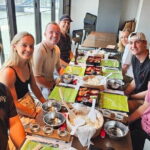
You get a fun mix of technique, choice, and conversation, all within an hour. The group stays small (up to 4), so you get personal guidance while you build your own pancake version. If you want a quick, social food activity that still teaches you how to cook at home, this fits well. If you need wheelchair access, you will want to look for a different option.
In This Review
- Key Things You’ll Remember About This Osaka Okonomiyaki Class
- Why This Osaka Okonomiyaki Class Works in Just One Hour
- Finding the Meeting Point at Nakatsu Station Exit 3
- The Instructor Makes It: History, Clear Teaching, and Comfort
- Pick Your Own Okonomiyaki: 10 Variations and Ingredient Freedom
- From Hot Plate to First Bite: What You Eat With Beer or Soda
- Price and Value: What $51 Includes (and Why It Adds Up)
- Who This Class Is Best For (and Who Should Skip It)
- A Simple Game Plan for Getting the Most Out of Your Hour
- Should You Book This Osaka Okonomiyaki Class?
- FAQ
- How long is the Osaka okonomiyaki cooking class?
- Where do I meet the guide for this class?
- What is the maximum group size?
- What languages are used during the class?
- What’s included in the price?
- Can I customize my okonomiyaki?
- Is the class suitable for children?
- Is this class suitable for gluten intolerance?
- Is wheelchair access available?
- Can I cancel and get a refund?
Key Things You’ll Remember About This Osaka Okonomiyaki Class

- Small group (max 4) for real back-and-forth with the instructor
- 10 variation options so you can steer your flavor and toppings
- History of okonomiyaki explained as part of the lesson, not an afterthought
- Hot, homemade okonomiyaki served right after cooking
- Japanese beer or soft drink included with your meal
Why This Osaka Okonomiyaki Class Works in Just One Hour
One hour can sound short. But for a cooking class, it is exactly the right length. You get enough time to learn the basics, make decisions about your ingredients, cook your own okonomiyaki, and still sit down to eat while it is hot.
The big win here is focus. Instead of a long talk followed by a rushed cooking demo, you get a guided flow from start to finish. The instructor carefully teaches you how to make it, so you do not need any prior kitchen skills. And because the group is limited to 4 participants, you are less likely to disappear into the background.
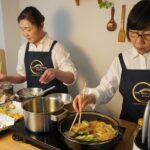
I also like that this is not a stiff, classroom-style experience. It is described as interactive and fun for both children and adults. That matters in Osaka, where food experiences can range from quiet tastings to big, theatrical markets. This one lands in the practical middle: you learn by doing.
You can also read our reviews of more tours and experiences in Osaka.

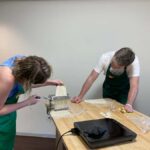
Finding the Meeting Point at Nakatsu Station Exit 3
You meet your English-speaking guide on the ground floor of Nakatsu Station, on the Midosuji Subway Line, at Exit No. 3. That is convenient because it is a major subway line stop, and it helps you avoid the stress of guessing side streets after you get off the train.
My advice: plan to arrive a few minutes early and use the station to get your bearings fast. If you are carrying bags from a hotel or shopping, being early gives you time to settle before the class starts.
A practical note: this activity is described as not allowing electric wheelchairs and not being suitable for wheelchair users. So if mobility is a concern, you will want to check alternatives in advance rather than assuming the space can be adjusted.
The Instructor Makes It: History, Clear Teaching, and Comfort

The instructor is doing two jobs at once, and you feel it. First, they guide you through making okonomiyaki step by step. Second, they teach you the history of okonomiyaki, which gives your food more meaning than just flavor.
That combination is what turns a cooking lesson into a story you can repeat. You learn what makes okonomiyaki part of Osaka food culture, and you also learn the method well enough that you can try again later. People come away feeling confident, not just fed.
Language support is also built in: the class offers English and Japanese instruction. That matters if you want to ask questions without pulling out an app every time you forget a word. Even when the class is fast-paced, you should still be able to understand what you are doing and why.
One more thing I appreciate: small-group instruction usually means more patience. With a max of 4 participants, it is easier for the instructor to slow down when someone needs a clearer explanation, instead of pushing everyone through the same rhythm.
Pick Your Own Okonomiyaki: 10 Variations and Ingredient Freedom
Here is where the class becomes personal. You get to choose ingredients and make your own original okonomiyaki. The experience highlights a total of 10 variations, which basically means you are not stuck with one template.
That is a big value point for you, because customization changes the whole experience. If you like something heavier, you can steer your choices that way. If you prefer a lighter profile, you can pick ingredients that match your taste. It is a cooking class where you end up with a dish that feels like yours.
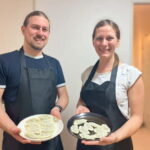
You also get one okonomiyaki per participant, which is important in classes that can feel like group food with a single finished plate. Here, you are the cook, and your portion is the result of your own ingredient decisions.
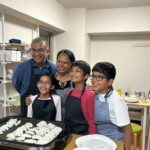
If you are cooking with kids, ingredient choice is a built-in attention strategy. Kids get to feel ownership over the outcome. For adults, it is a chance to go beyond ordering from a menu and understand how small choices change the final taste.
From Hot Plate to First Bite: What You Eat With Beer or Soda
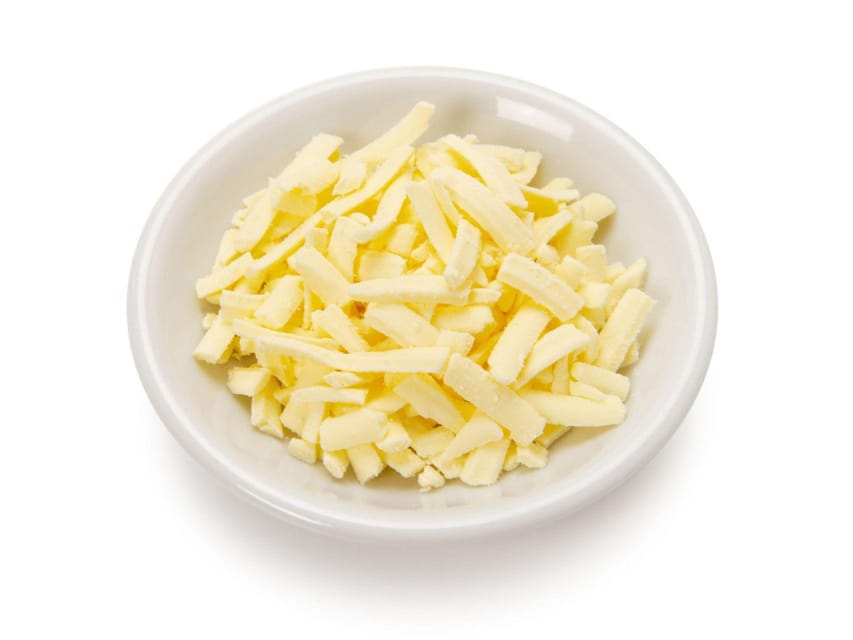
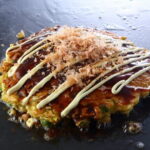
Once you have cooked your okonomiyaki, it is served hot. That is not just a detail. Hot food is where okonomiyaki tastes its best, and it also makes the whole experience feel satisfying right away.
Then comes the pairing: you can enjoy your meal with Japanese beer or soft drinks. That is a thoughtful inclusion because okonomiyaki is savory and rich, and a cold drink helps balance it. If you do not want alcohol, the soft drink option lets you keep the experience the same.
Also, the class environment is described as clean and tidy. That may sound boring, but it matters when you are handling food and cooking on a plate or griddle. A well-run setup helps you relax and focus on learning.
This is also one of those experiences where sitting down to eat is part of the lesson. You get to taste what you built while the flavor is fresh and the cooking lessons are still fresh in your brain.

Price and Value: What $51 Includes (and Why It Adds Up)

At $51 per person, this class is not a budget snack. But for what you get, it is fairly priced for a guided, hands-on meal experience.
Here is what is included:
- The okonomiyaki cooking class
- All necessary ingredients
- Choice among 10 variations
- Personal guidance from an experienced instructor
- One okonomiyaki per participant
- Japanese beer or soft drinks
When you compare it to the cost of ingredients plus a full guided experience, the value becomes clear. You are paying for instruction, equipment access, ingredient prep, and the fact that you end up eating what you cook.
And that is the key: this is not just entertainment. It is a practical food skill transfer. If you want to recreate the dish later at home, you are getting more than a meal—you are getting a process you can repeat.
Who This Class Is Best For (and Who Should Skip It)
This is a strong fit if you want:
- A fun, interactive food activity in Osaka
- To learn a Japanese comfort food you can try again at home
- A small-group experience where you can actually ask questions
- A class that works for both children and adults
- A social activity for a couple or a family
It also makes sense if you like cultural context along with cooking. The instructor is not only teaching technique; they are also explaining the history of okonomiyaki and chatting about Osaka and Japan through the experience.
Who should be careful:
- Wheelchair users: the experience is not suitable for wheelchair users, and electric wheelchairs are not allowed.
- People with gluten intolerance: it is not suitable for gluten intolerance.
- Anyone expecting a long, multi-course meal: this is one okonomiyaki per person in one hour. You leave full, but it is still a single-dish class.
If you check those boxes, you should have a smooth time.
A Simple Game Plan for Getting the Most Out of Your Hour
You do not need special cooking knowledge. Still, a few small moves can improve your results:
- Arrive early at Nakatsu Station Exit 3 so you can start relaxed.
- Come hungry but not stressed. You want energy for cooking and eating right away.
- When you choose among the 10 variations, pick what you truly like. The class is built for ingredient decisions.
- Ask about the history of okonomiyaki while you cook. The story makes the method stick.
- If you are sharing the experience with kids, let them help with ingredient choices when appropriate.
Also, keep your expectations realistic. This is a compact class. The goal is clear: learn the basics, make your version, and enjoy it hot with a drink.
Should You Book This Osaka Okonomiyaki Class?

If you want an Osaka food experience that is practical, social, and short enough to fit anywhere in your day, I think you should book this. The small group size and personal guidance are the reason it works, and the ingredient customization gives you a dish that feels original rather than cookie-cutter.
Skip it if gluten intolerance is a factor, or if wheelchair access is required. But for everyone else—especially if you love okonomiyaki—you are likely to come away with both a full stomach and a skill you can repeat.
FAQ
How long is the Osaka okonomiyaki cooking class?
The class lasts 1 hour.
Where do I meet the guide for this class?
Meet your English-speaking guide on the ground floor of Nakatsu Station (Midosuji Subway Line), at Exit No. 3.
What is the maximum group size?
It is a small group limited to 4 participants.
What languages are used during the class?
The instruction is available in English and Japanese.
What’s included in the price?
The price includes the okonomiyaki cooking class, all ingredients, guidance from the instructor, one okonomiyaki per participant, and a choice of Japanese beer or soft drink.
Can I customize my okonomiyaki?
Yes. You can choose your ingredients and pick from 10 variations to create your own version.
Is the class suitable for children?
Yes, it is designed to be enjoyable for both children and adults together.
Is this class suitable for gluten intolerance?
No, it is not suitable for people with gluten intolerance.
Is wheelchair access available?
No. Electric wheelchairs are not allowed, and it is not suitable for wheelchair users.
Can I cancel and get a refund?
Yes. Free cancellation is available up to 24 hours in advance for a full refund.