REVIEW · OSAKA
Sushi Making Osaka Omakase Cooking Class in Japan
Book on Viator →Operated by Sushi Making Osaka | Cooking class in Japan · Bookable on Viator
Sushi skills in just two hours. This Osaka omakase-style sushi making class is a friendly, hands-on way to learn nigiri and roll sushi with English-speaking staff, plus ingredients and your meal are included. One catch: there’s no hotel pick-up, so you’ll want to plan how you’ll get to the meeting point smoothly.
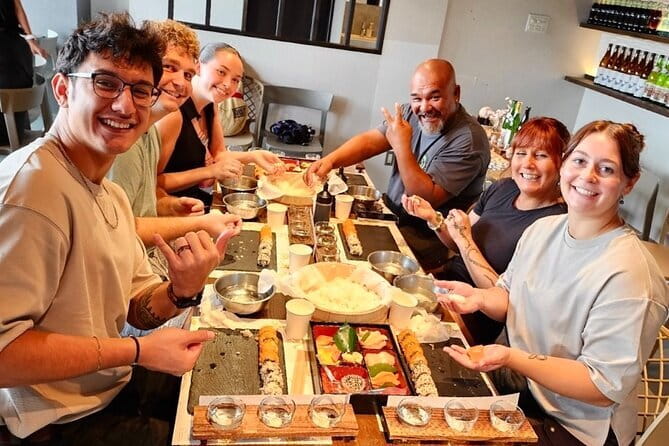
I especially like the two-part flow. You start with the why behind sushi (history and basics) and then you get time to actually make your own pieces, eat, and settle into the experience. I also like the small group size, capped at 10, which usually means you get more attention as you work.
A small consideration is timing and place-name confusion in the description. The class is in Osaka, but some parts reference Asakusa landmarks and an Asakusa Station walking time. Before you go, double-check your confirmation details and use the provided Osaka meeting address.
In This Review
- Key highlights you can plan around
- The 2-hour format that keeps things fun (and not too stressful)
- What you’ll actually make: nigiri and roll sushi
- Learning in English: why the vibe matters here
- Where you meet in Osaka (and how to avoid the common confusion)
- Price and value: what $92.30 buys you in real terms
- Dietary options that are actually workable (with one important limitation)
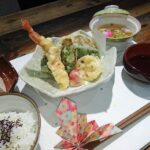
- The meal part: eating what you make (and why that matters)
- Who this class is best for (and who might not love it)
- Should you book this Osaka sushi making class?
- FAQ
- How long is the sushi making class?
- What types of sushi do you learn to make?
- Is the class taught in English?
- Are dietary options available?
- Can I request a menu change on the day of the class?
- Is hotel pick-up included?
- Where does the class start and end?
- How big is the group?
- What’s the cancellation policy?
Key highlights you can plan around
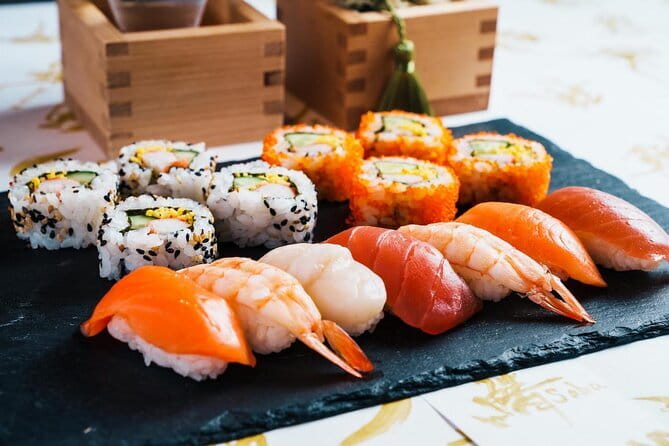
- Nigiri and roll focus: you’ll learn both the classic hand-formed style and rolled sushi techniques
- English instruction all the way through: clear guidance, no language barrier
- Small group, max 10: you’re not shouting over a big crowd to get help
- Two-stage schedule: sushi history and technique first, then free cooking and eating
- Dietary options with advance notice: vegan, vegetarian, gluten-free, halal, and allergies can be requested ahead of time
The 2-hour format that keeps things fun (and not too stressful)
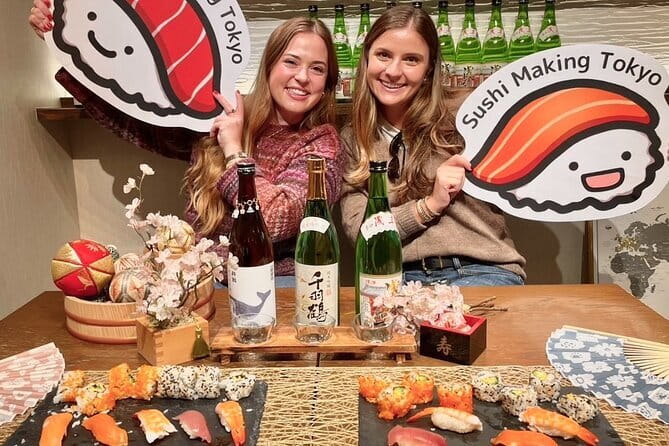
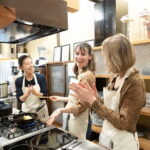
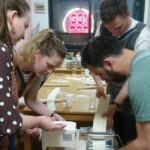
This is the kind of class that fits real travel days. You’re looking at about two hours, so you can slot it in without blowing up your whole itinerary. It’s structured so you don’t spend the entire time watching. You learn, practice, eat what you make, and you’re done.
The pacing matters. The first hour is about the foundations: you’ll get the history of sushi and guidance on how sushi is assembled. That matters because sushi is not just rice and fish. It’s technique, texture, and proportion. When you understand the goal, your hands do better work without overthinking it.
Then you hit the practical block. The second half of the class is set aside for you to cook sushi freely and enjoy a meal. This is where the class shifts from instruction to doing. Even if you’re new, you get the chance to see what the method feels like and how different pieces come together.
And yes, the class runs like a compact workshop. You’re not expected to become a long-term sushi chef in a day. You’re expected to leave with real technique you can remember, and the confidence to order sushi in Japan with more context.
You can also read our reviews of more tours and experiences in Osaka.

What you’ll actually make: nigiri and roll sushi
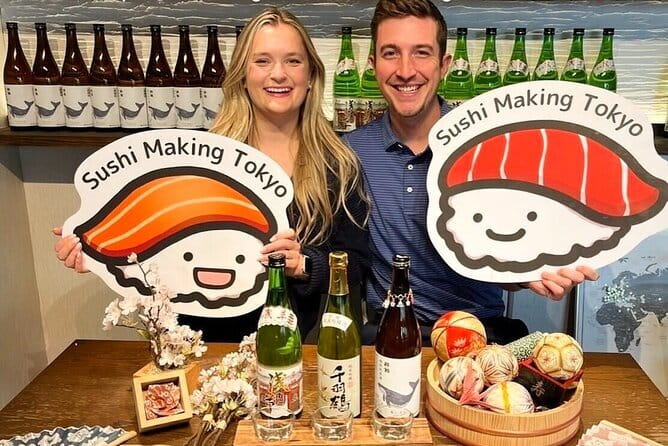
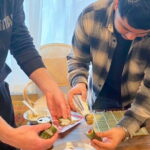
The menu is simple on paper, but it teaches the core skills. You’ll learn two types:
- Nigiri sushi, the standard and popular style in Japan
- Roll sushi, rice wrapped around ingredients, cut into bite-size pieces
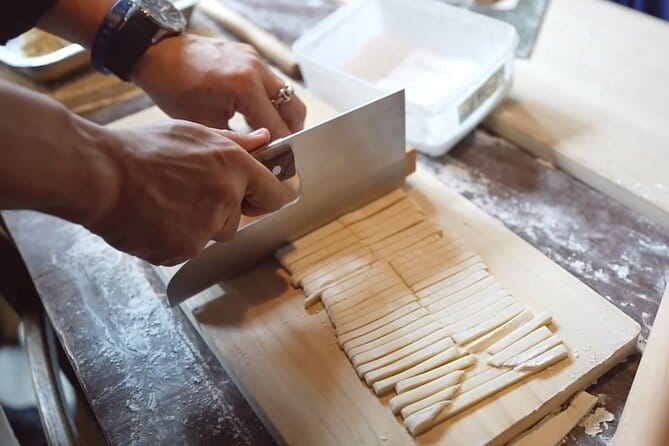
Nigiri is the one that often looks effortless on plates but is actually about control. Rice texture and temperature matter. Pressure matters. Even the angle of what you place matters. In a good class format, you’ll learn these details through repetition, not lectures.
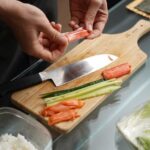
Roll sushi is the opposite vibe. It’s more about assembly and consistency. Rolling teaches you how ingredients layer, how tight (or not) the roll should be, and how slicing affects the final look. The roll style also gives you a nice visual result quickly, which is motivating when you’re standing there with your hands full of rice and seaweed.
Either way, you’ll go home with a much clearer idea of how sushi is built. That’s a real travel win. It turns a restaurant meal into something you can read, not just something you eat.
Learning in English: why the vibe matters here
This class is run in English, and that’s a big deal because sushi technique has plenty of small steps. You don’t want to guess on hand pressure, rice handling, or how to assemble a roll when you’re tired from sightseeing.
The teaching team is described as experienced local staff, and past classes have included instructors such as Dai, Ken, and Momo. That matters less for trivia and more for what you feel in the room: friendly guidance, a comfortable pace, and a “you can do this” tone.
I also like that the experience is framed as sharing Japanese food culture, not just following a recipe. When an instructor talks through what sushi represents, you tend to pay attention to details you’d normally skip. Then your final plate tastes better because your technique improves.
Where you meet in Osaka (and how to avoid the common confusion)
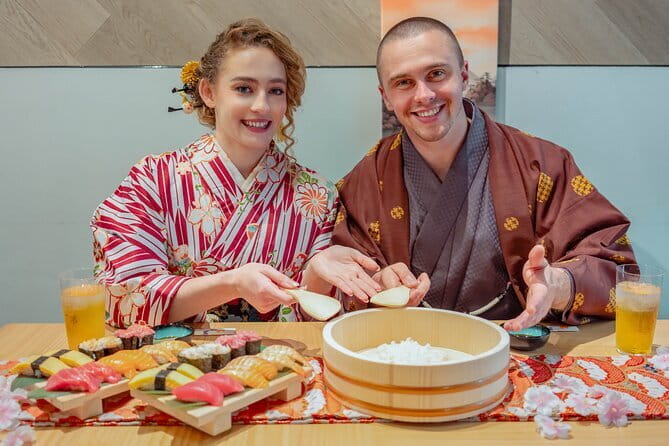
Your meeting point is listed at NIPPOJapan in Kita Ward, Sonezakishinchi, with the address shown in the tour details. The tour notes that it’s near public transportation, but it doesn’t call out a specific station in Osaka.
Here’s the practical advice: before you leave your hotel, confirm the exact address and walk a few minutes around it in your map app. Because the description text references Asakusa location details and an Asakusa Station walking time, it’s easy for someone to head in the wrong direction if they rely on the wrong paragraph.
Once you’re there, the class ends back at the meeting point. So you can plan the rest of your evening without worrying about a weird drop-off.
Also, book with the expectation that this activity fills up. The listing notes an average booking window of 87 days in advance, which is a sign this class is popular enough to sell out earlier than you might think.
Price and value: what $92.30 buys you in real terms
At $92.30 per person, this isn’t the cheapest thing you can do in Osaka. But it also isn’t a “just watch and snack” activity.
Here’s what you’re paying for, based on what’s included:
- English instructor
- Ingredients and meals
That combination is the value core. You get the ingredient cost covered, and you get a full meal out of the class. If you’ve ever paid for cooking instruction elsewhere and then realized you still had to pay for dinner separately, you’ll appreciate this format.
Two hours is short, but the class uses that time well. The history-and-technique setup plus the free cooking and eating time is more than a demo. It’s training plus payoff.
Not included is hotel pick-up. That’s normal for city-based classes, but it affects your real cost in the form of transit time and possibly a train or taxi ride. If you’re staying far from Kita Ward, it may feel more expensive once you add transit.
Dietary options that are actually workable (with one important limitation)
This class offers menu changes in several categories:
- vegan
- vegetarian
- gluten-free
- halal
- allergy
The key detail is the timing. You need to answer in advance if you need to change the menu. The information is clear that they cannot handle menu changes on the day, and they also can’t respond to likes and dislikes of specific food items or change to a desired foodstuff.
So if you’re traveling with dietary needs, do this now:
- check what option you need
- submit it in advance when you book
- double-check the confirmation so you know your request is actually recorded
If you just show up hoping for a swap, your plan can fail. That’s not dramatic, it’s just how these classes keep the prep consistent for everyone.
The meal part: eating what you make (and why that matters)
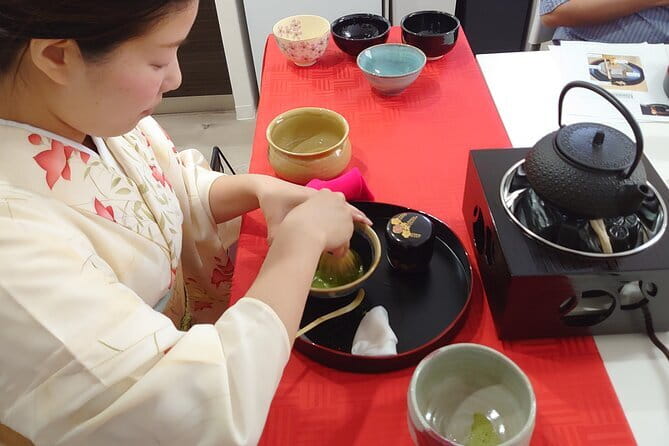
Most cooking classes are awkward at the end. You either eat quickly and leave, or you get stuffed and wonder what you learned besides how good food smells.
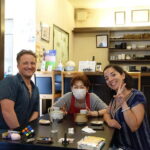
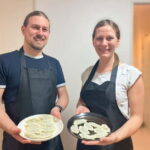
Here, the meal is built into the schedule as part of the second half. You cook freely and then you eat. That means the experience finishes with immediate feedback. You try what you made while the techniques are still fresh in your mind.
It also helps you learn what sushi is supposed to taste like when it’s assembled correctly. Rice texture, seasoning balance, and the way roll cuts hold together are hard to understand from watching. Eating makes it real.
And yes, you may have time for memorable photos after your meal, with Asakusa landmarks mentioned in the description text. Since the class is in Osaka, treat that as a “watch what happens in the actual plan” moment. Still, it’s a nice perk if your camera roll needs something beyond train station selfies.
Who this class is best for (and who might not love it)
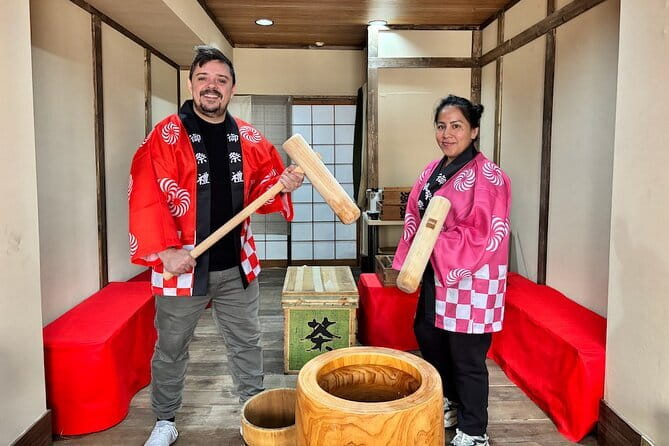
I’d point you toward this if you:
- want a practical sushi experience without spending half a day
- like food classes that teach technique, not just culture talk
- need an English-friendly activity in Osaka
- enjoy small-group interactions where you can ask questions
- want included ingredients and a meal, so your budget feels predictable
It’s also ideal as an easy evening plan after you do a chunk of Osaka sightseeing. Two hours goes fast, and the meal keeps you from hunting for dinner when you’re tired.
You might skip it if:
- you want a fully private class (this one has a maximum of 10)
- you’re hoping for heavy hand-holding with no instruction at all (you will learn, then practice)
- you’re relying on a last-minute dietary change (advance notice is required)
Should you book this Osaka sushi making class?
I think you should book if you want a real, do-it-yourself sushi experience at a time-friendly length. The biggest selling points are the English instruction, the hands-on nigiri and roll format, and the fact that ingredients and your meal are included.
Before you click confirm, do two quick checks:
1) verify the Osaka meeting address matches your navigation app
2) if you have dietary needs, submit them in advance since day-of menu changes aren’t supported
If you’re the type who likes learning how food is built, this class will pay off fast. You’ll leave with technique you can remember the next time you order sushi in Japan, and you’ll have a satisfying meal that feels earned, not purchased.
FAQ
How long is the sushi making class?
It runs about 2 hours.
What types of sushi do you learn to make?
You learn nigiri sushi and roll sushi.
Is the class taught in English?
Yes, all cooking classes are held in English.
Are dietary options available?
Yes. Vegan, vegetarian, gluten-free, halal, and allergy requests are available if you notify in advance.
Can I request a menu change on the day of the class?
No. Menu changes are not handled on the day, so you’ll need to arrange requests ahead of time.
Is hotel pick-up included?
No. Hotel pick-up is not included.
Where does the class start and end?
It starts at the provided meeting point (NIPPOJapan in Osaka) and ends back at the same meeting point.
How big is the group?
The experience has a maximum of 10 travelers.
What’s the cancellation policy?
Free cancellation is available up to 24 hours before the experience’s start time for a full refund. Cancellation changes within 24 hours of the start time aren’t refunded.