REVIEW · OSAKA
Osaka: Japanese Cooking Class with Matcha Experience
Book on GetYourGuide →Operated by Wa Cafe Kitajima Cooking&Matcha Experience in Osaka · Bookable on GetYourGuide
Matcha and dinner in two hours. This Osaka class is interesting because you do real cooking with a chef and then make matcha on site as part of the same experience. I like the hands-on pace and I especially like the Osaka mom support if you are not confident in the kitchen.
The only real catch: it is not suitable for people with food allergies.
In This Review
- Key things I’d circle before booking
- Why this Osaka matcha class feels different from a demo
- Choosing your dish: home-cooked options, okonomiyaki, or bento
- What the chef-led 2-hour flow typically feels like
- Matcha making: the skill you can use long after Osaka
- Location strategy: how Morinomiya makes this easy
- Price and what you actually get for $64
- Who this Osaka cooking-and-matcha class suits best
- The human touch: the kind of teaching that makes it click
- Should you book this Osaka cooking and matcha experience?
- FAQ
- How long is the Osaka cooking class?
- Where is the meeting point?
- What dishes can I choose to make?
- Is the matcha making experience included?
- What language support is available?
- Is this class good for beginners?
- Is it suitable for people with food allergies or mobility needs?
Key things I’d circle before booking
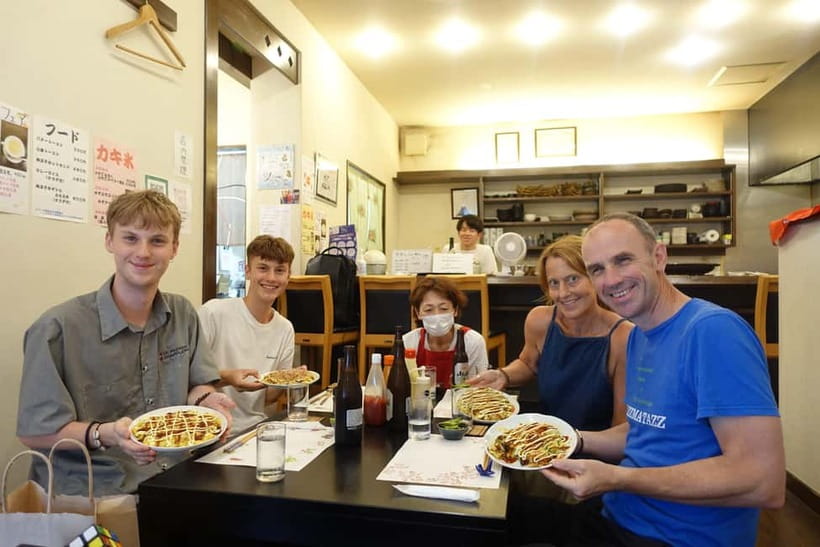
- Chef-led cooking, small group size (up to 10) for real attention while you cook
- Pick your dish: home-cooked options, okonomiyaki, or bento
- Matcha making included so you take home a repeatable skill
- Beginner-friendly help from an Osaka mom if you need guidance
- Easy access in Osaka with a 7-minute walk from Morinomiya Station and quick reach from major areas
Why this Osaka matcha class feels different from a demo
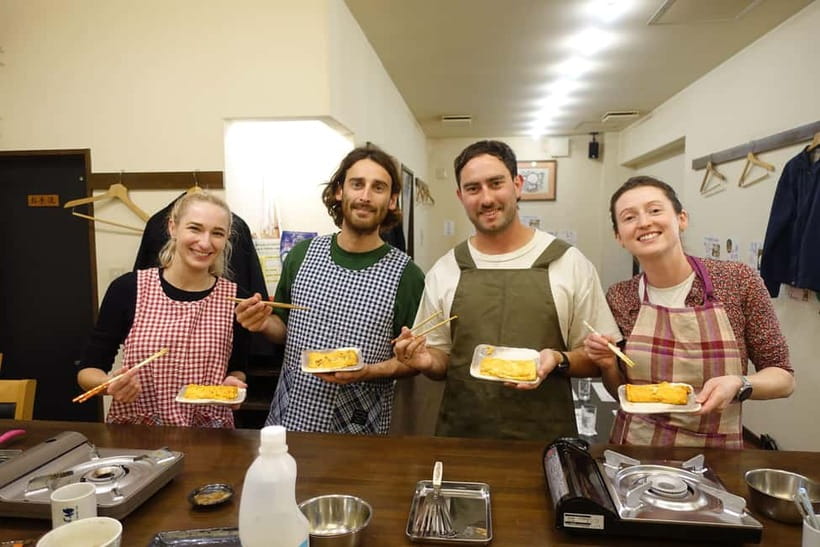
Most food classes are either a show or a generic activity. This one works because it’s built around you making something tangible—Japanese dishes you can actually picture eating in Osaka—then capping it with a matcha experience.
You’re not just watching someone else work. You’re working at the pace of a real kitchen, with ingredients on hand and a chef who can explain what matters as you go. For people traveling in pairs, friends groups, or families, that shared effort turns into a simple kind of memory-making.
And the matcha part isn’t an afterthought. When you make it yourself, you start understanding why the taste hits differently depending on preparation and attention.
You can also read our reviews of more tours and experiences in Osaka.

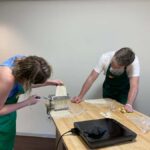
Choosing your dish: home-cooked options, okonomiyaki, or bento
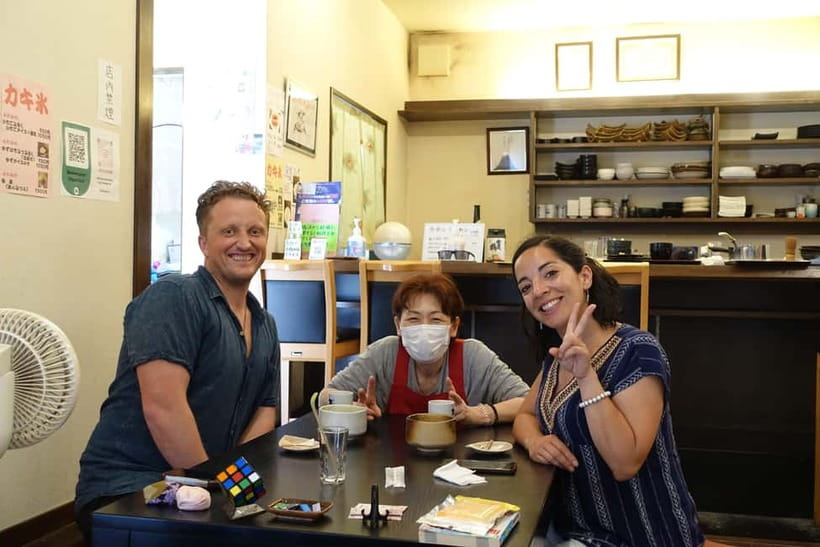
You get to choose one dish path from three options: home-cooked dishes, okonomiyaki, or a bento style option. That choice matters more than it sounds, because it lets you match the class to your interests and energy level.
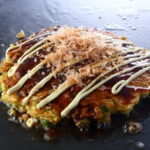
Home-cooked dishes tend to appeal if you want classic Japanese flavors you can recreate at home without needing a specialized setup. Okonomiyaki is great if you like hands-on assembly and want a dish people instantly recognize as Osaka comfort food. Bento is a smart pick if you’re thinking practically—portioning, arranging, and learning how to put together a meal that travels well.
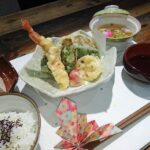
No matter which option you pick, you’ll be cooking using the ingredients provided for your selected dish. The goal is that you leave with a clearer sense of how Japanese meals come together, not just a one-off souvenir photo.
What the chef-led 2-hour flow typically feels like

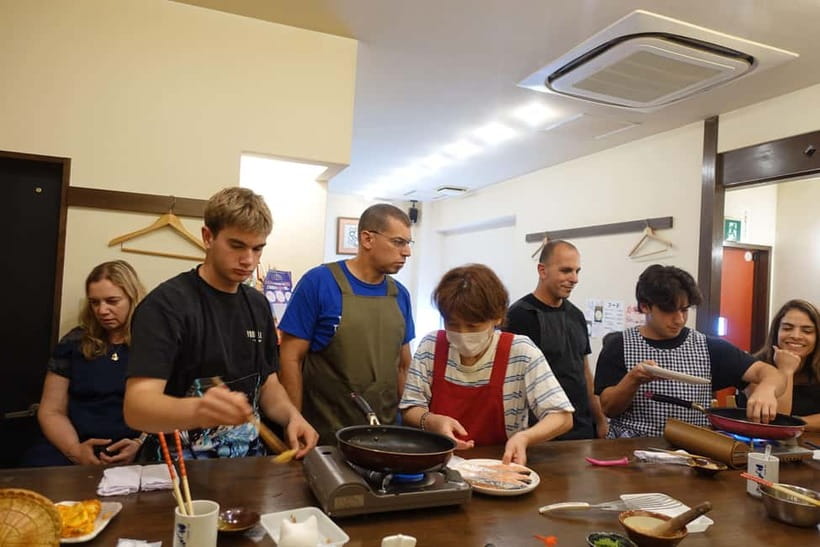
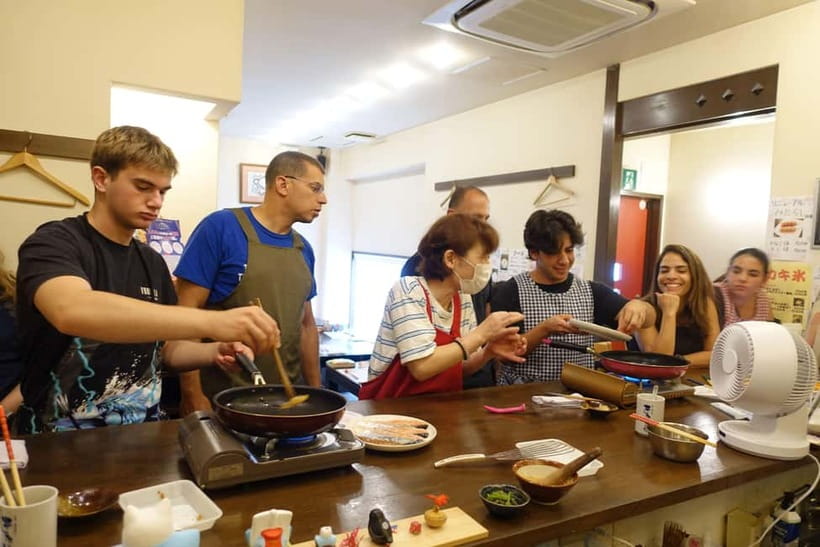
The class runs for 2 hours, which is long enough to learn, cook, and finish without feeling rushed. A small group (limited to 10 participants) also helps, because you’re not stuck waiting for someone to notice you in the middle of chopping and mixing.
Here’s what you can expect in the rhythm of the session:
First, you’ll gather at the meeting point marked by a sign, then get oriented by the host/greeter (English or Japanese support). You’ll then choose and confirm your dish option, and the chef will guide you through what you’re making and what ingredients are involved.
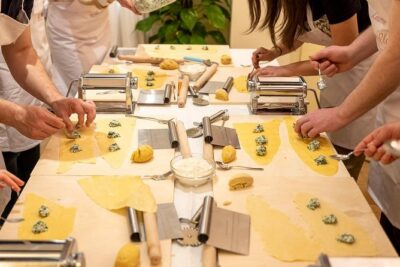
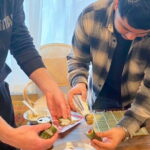
Next comes the main work period: you cook together. Since the ingredients are included, you can focus on technique and taste rather than wondering whether you missed an essential item. If you’re new to cooking, this is where the Osaka mom support really matters—she’s there to help you keep things moving and avoid that awkward moment of feeling lost.
Finally, the session includes the matcha making experience. This is your hands-on payoff, where you get to translate what you’ve been doing into a drink that you can prepare again later.
At the end, you’ll typically have the satisfaction of producing something you can eat and share. The class is built for that moment.
Matcha making: the skill you can use long after Osaka
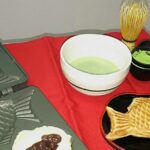
Matcha is one of those things people think they understand until they try making it correctly. In this class, you learn the matcha experience as part of the same two-hour window, not as a separate add-on.
I like that this experience treats matcha as a craft, not just a tasting station. You’re not just sipping and moving on. You’re actively making it, which makes the flavor more meaningful later when you’re back home and comparing brands or preparation methods.
Also, matcha is culturally tied to Japanese daily life. Even if you are mostly sightseeing, taking an hour to learn how it’s made helps you connect with Japan beyond the usual temples-and-postcards route.
Location strategy: how Morinomiya makes this easy
Logistics can make or break a food experience. This one is convenient: it’s a 7-minute walk from Morinomiya Station, and you can reach it by JR from Osaka Castle Station in just one stop.
It’s also a good fit before or after sightseeing because you’re accessible from major areas like Shinsaibashi and Namba. If you’re already spending time in those neighborhoods, this class doesn’t force you into a long transit slog.
The meeting point is simple too: there’s a sign, so you can find the starting area without a complicated treasure hunt. Still, you’ll want to arrive a few minutes early so you can get settled and start on time.
If you’re thinking about timing, consider scheduling this on a day when you want a break from walking. Two hours cooking in good company can feel like a reset button.
Price and what you actually get for $64
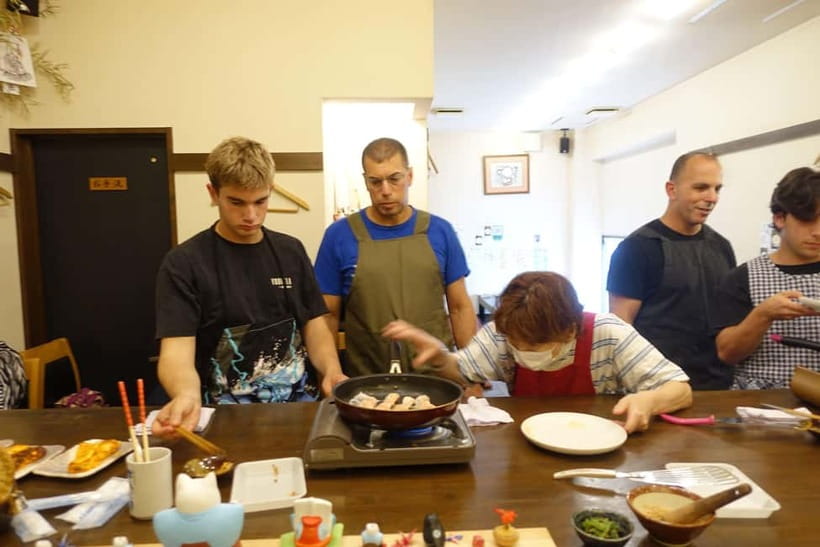
At $64 per person for a 2-hour session, the value comes from what’s included. You’re paying for a chef-led class, all ingredients for your selected dish, and the matcha making experience.
That matters because Japanese ingredients and guided instruction aren’t cheap, especially when the class is small and hands-on. This isn’t a buffet-style “pay and eat.” It’s structured around learning and participation.
You should also plan for what’s not included: transportation to and from the activity and personal expenses. Those costs are typical, but they’re worth budgeting so the class stays a clear, manageable line item.
In practice, the $64 price tends to feel more justified when you’re with others and you’ll actually cook the dish rather than watch. If you’re traveling solo, it’s still a good deal, but you’ll feel the value most if you lean into the hands-on part.
Who this Osaka cooking-and-matcha class suits best
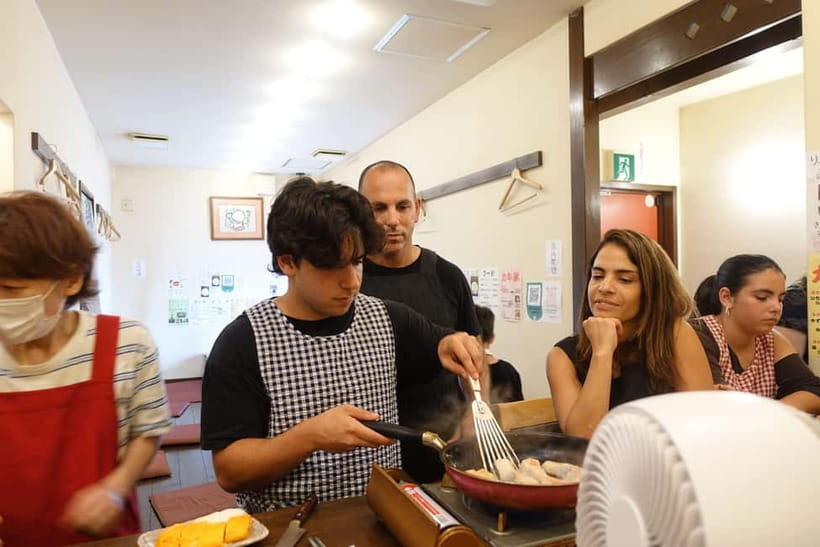
This experience is a strong fit if you want something more personal than a restaurant meal. It’s especially ideal for people who like structure: you want to learn a dish step-by-step, then take the idea home and try again.
It’s also a good choice for:
- Families or groups who want a shared activity
- Couples who want a different kind of evening than bars or just sightseeing
- First-timers to Japanese cooking who benefit from English or Japanese support
- People who care about matcha and want to go beyond taste
On the other hand, it’s not suitable for wheelchair users, and it’s not suitable for people with food allergies. If you have dietary restrictions, inform the team in advance so they can guide you appropriately, but if allergies apply, this likely won’t work.
The human touch: the kind of teaching that makes it click
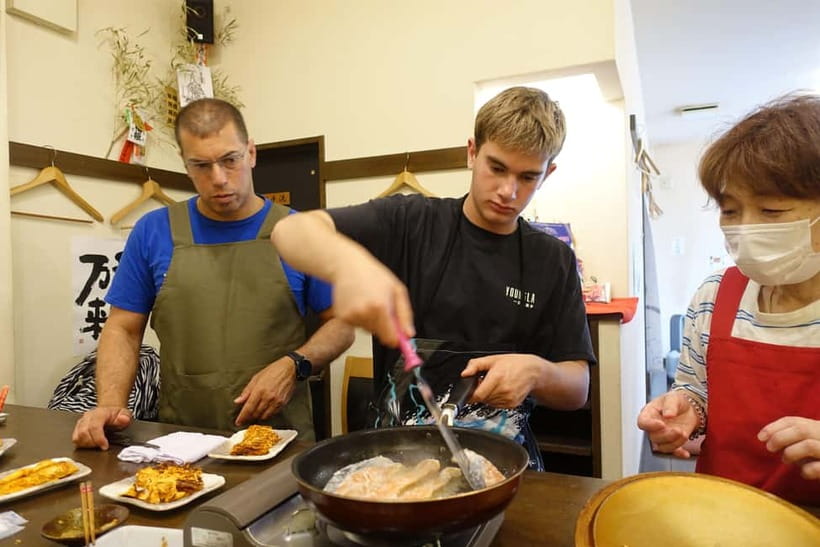
One of the most praised elements is the warmth of the teaching. The chef/teacher experience described here includes enthusiasm and a clear focus on technique, not just giving you a recipe and letting you figure it out.
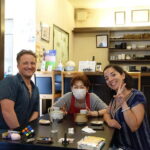
In particular, Ikuko is highlighted for being lovely and making people feel at home. That matters because cooking can be intimidating in a foreign language and a foreign kitchen. When the teacher’s energy is supportive, you learn faster and you enjoy the process more.
Another detail worth noting: the class is designed to work for kids too. If you’re traveling with children, you’re more likely to get a session that feels fun and interesting rather than overly formal.
Should you book this Osaka cooking and matcha experience?
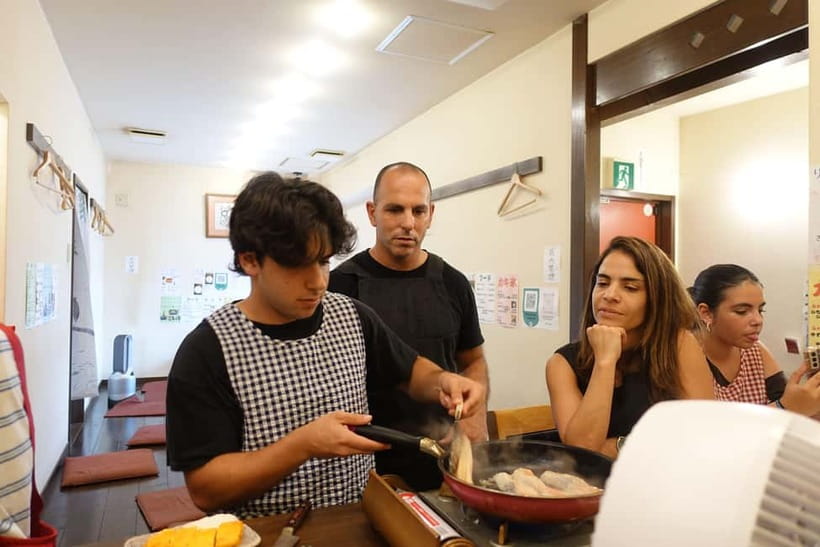
If you want an authentic Osaka taste with real participation, I’d say this is worth booking. The combo of a chef-guided cooking class, a dish choice (home cooking, okonomiyaki, or bento), and the included matcha making gives you more than one souvenir skill.
Book it if:
- You want a hands-on evening that doesn’t require advanced cooking skills
- You’re okay with a small group setting and want attention while you cook
- You care about leaving with something you can recreate at home
Skip it if:
- You have food allergies that make shared prep risky
- Wheelchair access is required
If you’re deciding between “another meal out” and “learn something,” this leans toward learning. And in my book, that’s the kind of travel moment that sticks.
FAQ
How long is the Osaka cooking class?
The class lasts 2 hours.
Where is the meeting point?
The meeting point is at a location marked by a sign.
What dishes can I choose to make?
You can choose from home-cooked dishes, okonomiyaki, or bento.
Is the matcha making experience included?
Yes. Matcha making is included as part of the experience.
What language support is available?
The host/greeter provides support in English and Japanese.
Is this class good for beginners?
Yes. If you are unfamiliar with cooking, an Osaka mom is there to support you.
Is it suitable for people with food allergies or mobility needs?
It is not suitable for wheelchair users and it is not suitable for people with food allergies. If you have dietary restrictions, you should inform the team in advance.