Sushi, but plant-first. In Osaka, this hands-on class teaches modern vegetarian sushi in a calm, Japanese-style home, guided by Chef Yuki.
What I really liked was how practical it feels fast—nigiri building and rolling skills you can use again at home. The standout dish is also the most comforting: red miso soup with handmade tofu meatballs.
One possible drawback: since it’s vegetarian (tamago and tofu included), meat-focused sushi fans may feel like something familiar is missing.
In This Review
- Key points that matter before you go
- A Calm Osaka Home, Not a Loud Demo
- Hosomaki Rolling: Nori, Fillings, and That Dengaku Miso Top
- Futomaki Rolls: Thick, Colorful Layers That Hold Together
- Nigiri by Hand: Tamago, Crispy Avocado, and Ponzu Jelly
- Red Miso Soup With Handmade Tofu Meatballs
- Optional Sake Pairing: Chilled Junmai, Junmai Ginjo, and Warm Sake
- Price and Value for 3 Hours in a Small Group
- Getting There: Nukata Station to 4-19 Nukata-cho
- Who This Class Fits Best (and Who Might Skip It)
- FAQ
- How long is the Osaka vegetarian sushi cooking class?
- How big is the group, and is the class taught in English?
- Do I need any prior cooking experience?
- What will I make during the class?
- Is the class vegetarian, and can I request allergy-friendly options?
- Do I get recipes to take home?
- What does the optional sake pairing include?
- Is there a refund if I cancel?
- Should You Book This Osaka Modern Vegetarian Sushi Class?
Key points that matter before you go
- Small group of up to 4 means you’re not stuck watching from the sidelines
- Chef Yuki leads in English, step by step, even if you’ve never rolled sushi before
- You’ll make hosomaki, futomaki, and nigiri, not just one roll style
- The miso soup includes handmade tofu meatballs, so dinner feels like a whole meal
- Optional sake pairing includes two chilled sakes plus one warm sake (if you want it)
A Calm Osaka Home, Not a Loud Demo
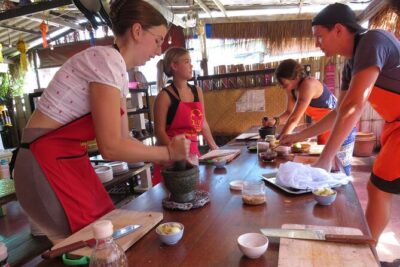
This class takes place in a modern Japanese-style home. That matters more than you’d think. You cook without the usual classroom chaos, and the pace feels relaxed enough to actually learn technique instead of rushing through it.
Chef Yuki is a former professional chef, so the guidance has that steady, practiced feel. You’re not just assembling ingredients. You’re learning how flavors and textures work together—especially with vegetarian choices where the “wow” has to come from seasoning, structure, and bite.
The vibe also comes through in small ways. In the information I was given, English instruction and a “you can ask questions” feel are built in, and the small-group setup keeps things personal.
Hosomaki Rolling: Nori, Fillings, and That Dengaku Miso Top
You start with hosomaki, the thinner rolled sushi style. Expect a focus on the basics: handling nori, building the roll, and controlling how much filling goes in. That sounds simple, but it’s where many people get stuck when they try sushi at home later.
The class uses fresh vegetarian fillings with Japanese technique behind them. You’ll work with options like soy-mirin glazed sweet potato and roasted eggplant, and you’ll top some components with dengaku miso. If you’ve only had eggplant as a side dish, this is your reminder that it can be a main texture—slightly sweet, savory, and warm.
Futomaki Rolls: Thick, Colorful Layers That Hold Together
Next comes futomaki, the thicker, more stuffed roll style. This is where you get to see how Japanese sushi can look playful without turning sloppy. Rolling thicker sushi demands control, and that’s exactly what you’ll practice.
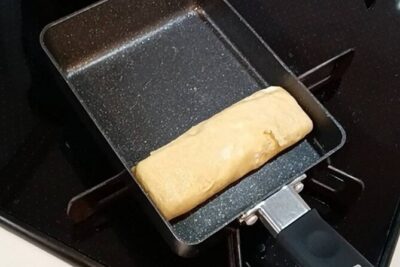
You’ll build futomaki with a mix of cucumber, avocado, roasted bell peppers, and tamago. There are also mushroom notes, including simmered shiitake mushrooms, which add an earthy, cozy depth that helps the whole roll taste “complete,” not just assembled.
One reason this part is valuable: it teaches balance. If one ingredient dominates, the roll tastes one-note. Here, the class aims for harmony—crisp from cucumber, creamy from avocado, sweet-savory from tamago, and roasted character from the vegetables.
Nigiri by Hand: Tamago, Crispy Avocado, and Ponzu Jelly
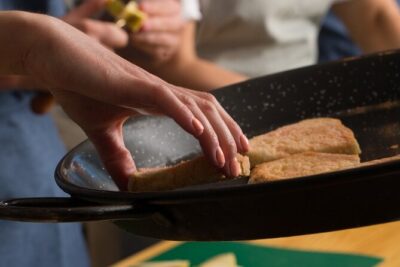
You finish with nigiri, shaping rice by hand and adding toppings. This is the segment that feels most like real sushi counter work. The rice shape matters, and the toppings need to fit the bite.
You’ll make nigiri with tamago, crispy avocado, and roasted bell peppers, and one topping includes tangy ponzu jelly. Ponzu jelly is a smart trick in vegetarian sushi. It brings acidity and brightness without needing meat-based richness.
This is also where the class shows you the “how,” not only the “what.” You’ll learn how to assemble so the nigiri holds together, tastes balanced, and doesn’t turn mushy. Even if you don’t master it perfectly on your first try, you’ll leave with clear muscle memory.
Red Miso Soup With Handmade Tofu Meatballs
You’re not just making sushi rolls. You’re also preparing a hearty red miso soup with handmade tofu meatballs. This is one of the most comforting vegetarian fixes in the whole meal, because tofu meatballs add chew and substance—something many vegetarian meals lack when they depend only on vegetables.
Red miso brings deeper, more assertive flavor than lighter miso types. Pair that with tender tofu meatballs, and you get a bowl that feels like a proper dinner course, not an extra side.
If you tend to think vegetarian food is always light, this segment corrects that. It’s a strong example of how Japanese cooking builds satisfaction through texture and seasoning.
Optional Sake Pairing: Chilled Junmai, Junmai Ginjo, and Warm Sake
If you choose the alcohol add-on, you’ll get a guided tasting of three sakes: two chilled options (a Junmai and a Junmai Ginjo from the same brand) plus a warm sake. Each is 45 ml per person.
Why this works with your dishes is pretty logical. Sushi leans on acidity, umami, and clean flavors; miso soup brings richness; and vegetarian toppings can be sweeter or more earthy. The idea here is matching intensity and temperature so the flavors don’t fight each other.
You don’t need to be a sake nerd to enjoy this. If you like trying small pours, you’ll probably have a good time.
Price and Value for 3 Hours in a Small Group
At $103 per person for a 3-hour class, you’re paying for more than a meal. You’re getting hands-on instruction by Chef Yuki, plus all ingredients, an apron, complimentary Japanese tea, and take-home recipes. If you add the sake pairing, you also get alcohol included as part of the optional set.
The value angle here is the small group size—up to 4 participants. In practice, that means more time for questions and more feedback on your rolling and shaping.
Also, you’re leaving with techniques. Sushi is one of those cuisines where learning the method beats memorizing a recipe. If you’re even slightly interested in cooking again later, this class can pay you back.
Getting There: Nukata Station to 4-19 Nukata-cho
The meeting point is 4-19 Nukata-cho. From Nukata Station, you’ll:
1) Exit the station and head south
2) Walk straight along Nukata-cho Street for about 5 minutes
3) Reach 4-19 Nukata-cho on your right
It’s about a 400-meter walk. Still, I’d aim to arrive a few minutes early, because “I’m late” is a stress that can wreck your cooking focus.
Who This Class Fits Best (and Who Might Skip It)
This class is a great fit if you:
- Want to learn sushi-making skills that work even with vegetarian ingredients
- Prefer smaller, calmer settings instead of crowded classes
- Like Japanese flavors like miso and ponzu and want to see how they show up in rolls
It may be less ideal if you’re chasing classic fish-based nigiri. This is vegetarian, with tamago, tofu, and vegetables doing the heavy lifting.
It’s also not suitable for people over 95 years, and it asks you to wear comfortable clothes and avoid smoking.
FAQ
How long is the Osaka vegetarian sushi cooking class?
It’s a 3-hour experience.
How big is the group, and is the class taught in English?
The group is limited to 4 participants, and the instructor teaches in English.
Do I need any prior cooking experience?
No prior cooking experience is required.
What will I make during the class?
You’ll learn to make hosomaki, futomaki, and nigiri, plus red miso soup with handmade tofu meatballs.
Is the class vegetarian, and can I request allergy-friendly options?
Yes, it’s suitable for vegetarians and plant-based cuisine. Allergy-friendly options are available upon request.
Do I get recipes to take home?
Yes. You receive recipes to take home, along with complimentary Japanese tea and an apron.
What does the optional sake pairing include?
The optional add-on includes three types of sake, 45 ml each per person: two chilled sakes (Junmai and Junmai Ginjo from the same brand) and one warm sake.
Is there a refund if I cancel?
Free cancellation is available up to 24 hours in advance for a full refund.
Should You Book This Osaka Modern Vegetarian Sushi Class?
If you want real skills—rolling, shaping, and balancing flavors—this is an easy yes. The vegetarian focus is the hook, but the better reason to book is the structure: hosomaki, futomaki, nigiri, and a red miso soup finish that makes the meal feel complete.
I’d especially recommend it to anyone who enjoys Japanese seasoning like miso and ponzu, and to cooks who like learning technique they can repeat. If you only want a fish-heavy sushi experience, you’ll probably feel held back by the vegetarian menu. For everyone else, this is thoughtful, hands-on cooking with Chef Yuki and a small-group pace that actually lets you learn.