REVIEW · TBILISI
Enjoy a Traditional Georgian Cooking Class and Meal with a Local in Tbilisi
Book on Viator →Bookable on Viator
You get real Georgia, not just a plated story, in Teo’s family kitchen in Tbilisi. I like the hands-on format where you cook alongside host Tina, and I like how you sit down right after to eat your work at the family table. One thing to keep in mind: it is a home experience, so the menu can shift by season and your pace may depend on what Tina’s family is making that day.
This is built for comfort and conversation. Tina lives with her parents and six siblings, and the whole vibe is warm, relaxed, and cozy. You’ll learn 2–3 typical Georgian dishes, often with ingredients and techniques tied to the Lechkhumi and Samegrelo region where Tina’s parents grew up.
The class runs about 3 hours, and it is private for your group. That makes it a better fit if you want a more personal evening than a big group class.
In This Review
- Key highlights you’ll care about
- Why Teo’s Family Kitchen Beats a Restaurant Dinner
- First Stop: Greeting, Market Checks (If It Fits), and Getting Oriented
- The Hands-On Cooking Part: Two to Three Georgian Dishes
- What You’ll Cook: Chakhokhbili, Khachapuri, Khinkali, Plus Salad
- Eating at the Family Table: Lechkhumi and Samegrelo Comfort Food
- Churchkhela and Local Drinks: A Sweet Finish That Explains Itself
- Price and Value in Tbilisi: What $152 Actually Buys
- Logistics in Tbilisi: Where to Meet and How to Plan Your Evening
- Who This Cooking Class Fits Best (and Who Should Reconsider)
- Should You Book This Georgian Cooking Class in Tbilisi?
- FAQ
- How long is the cooking class and meal?
- Is this a private experience?
- What dishes will I learn to cook?
- Do they offer lunch or dinner?
- What’s included in the price?
- Is hotel pickup included?
- What if I have dietary restrictions or allergies?
Key highlights you’ll care about
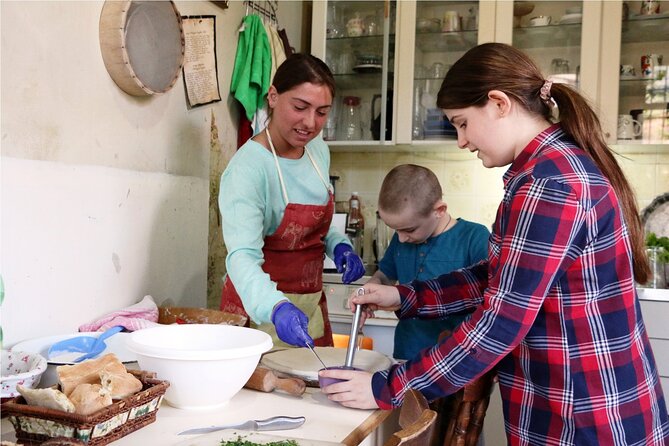
- A private home cooking class with Tina and her family, not a studio show
- Learn and cook 2–3 dishes together, then eat them right away
- Lunch or dinner options, with a menu that can vary by season
- Lechkhumi and Samegrelo flavors served from the family’s home region
- Local alcohol included (1–2 glasses) plus non-alcoholic drinks
- A market stop may happen in some sessions, where cheeses, herbs, and sweets get compared
Why Teo’s Family Kitchen Beats a Restaurant Dinner
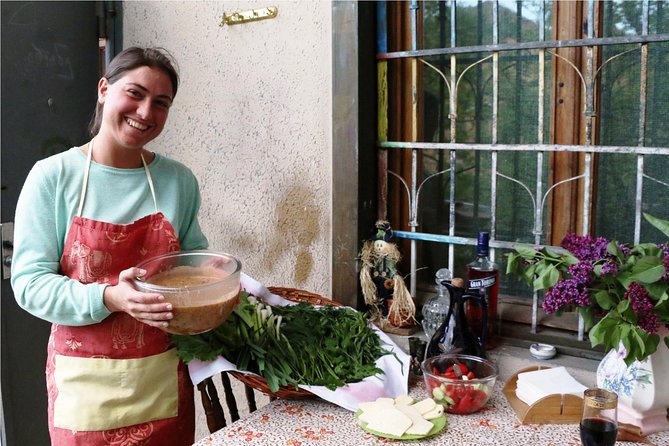
In Tbilisi, it’s easy to fall into the repeatable pattern: menu, order, eat, walk out. This flips the script. You’re in a family home with Tina as the host, and the evening is built around doing the cooking, not just watching it.
That matters because Georgian food is not just about taste. It’s about texture and timing—bread that needs the right moment, dumplings that need the right fold, stews that depend on fresh herbs and a steady simmer. When you learn these moves in the real kitchen, you start understanding what makes the food work.
I also like the family setup. Tina lives with her parents and a big mix of siblings, and that usually means more conversation, more questions, and a less formal atmosphere. You can be curious without feeling like you’re invading someone’s home.
You can also read our reviews of more tours and experiences in Tbilisi.

First Stop: Greeting, Market Checks (If It Fits), and Getting Oriented
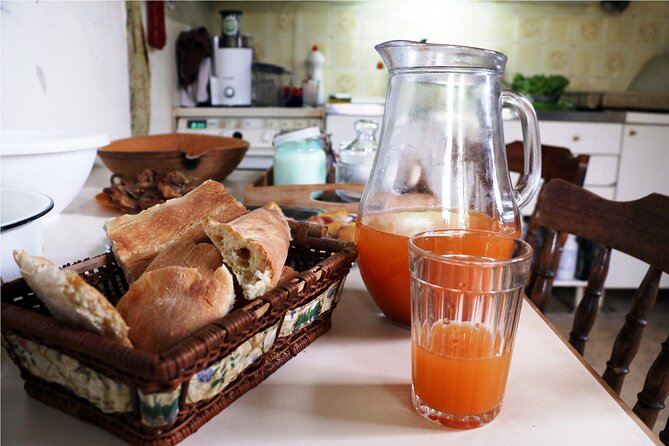
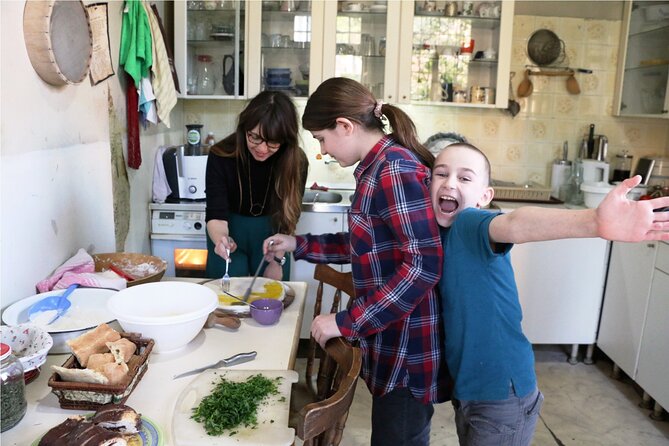
You’ll start with a warm welcome from Tina, plus her daughter Teo or other children if they’re around. It’s one of those small details that instantly changes the mood. Instead of arriving to a waiting host, you’re welcomed like a person, not a booking number.
Some sessions include a stop at a local market. In at least one described experience, Teo explained the differences between local cheeses, fresh herbs, and sweets. That kind of context is genuinely useful. You don’t just hear what an ingredient is—you learn how to tell similar options apart and why certain ones show up together in Georgian cooking.
Even if there’s no market stop on your day, expect a quick orientation before you start cooking. Tina is hands-on: she’ll show you what you’re doing and then get you involved.
The Hands-On Cooking Part: Two to Three Georgian Dishes
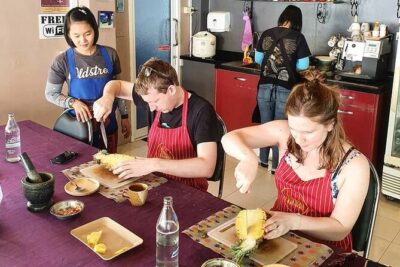
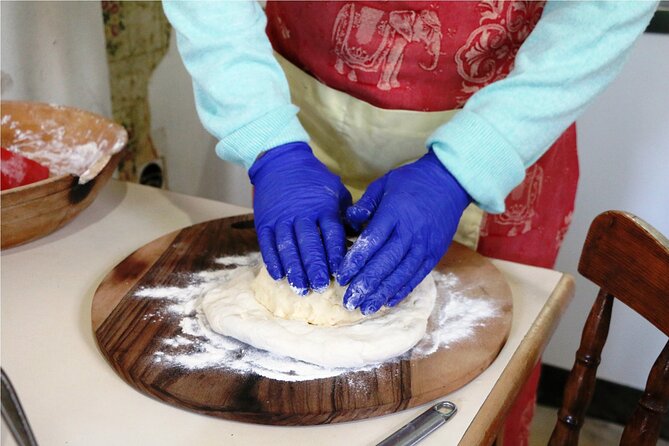
The core of the experience is simple: you cook along with Tina in her kitchen. You’ll learn to make 2–3 typical Georgian dishes, and the goal is not to turn you into a Georgian chef by the end. The goal is to leave with real muscle memory: what dough feels like, how herbs are added, when to stop, and what “done” looks like.
This format tends to work especially well because it breaks the class into manageable chunks. You focus on one dish at a time, and you’re always moving—mixing, shaping, filling, tasting, adjusting. It’s less like a lecture and more like working with a friendly pro.
Also, you’ll want to go in with a flexible mindset. The menu can vary by season, and family kitchens don’t always move on a strict timetable. In practice, that usually makes the experience feel more human, not less organized.
What You’ll Cook: Chakhokhbili, Khachapuri, Khinkali, Plus Salad
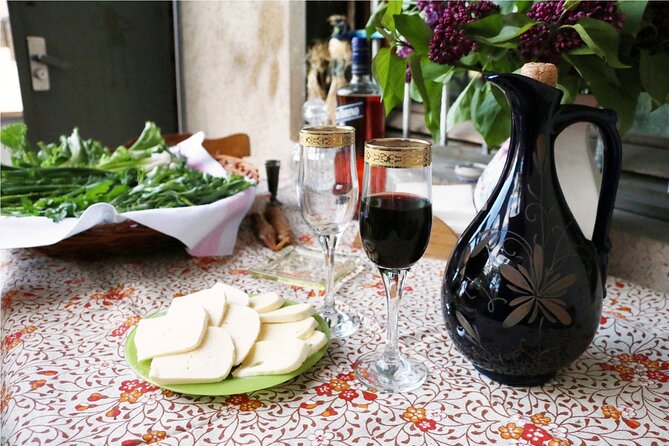
You might end up making different dishes depending on the day, but the common lineup includes flavors many visitors associate with Georgia.
Tomato and cucumber salad
This is the kind of start that sets the tone. Fresh, crisp, and easy to eat while you’re still getting your hands going. It’s also a good reminder that Georgian meals often balance hot and savory dishes with something bright and cooling.
Chakhokhbili (stewed chicken with fresh herbs)
Chakhokhbili is where you learn about patience. Stews like this aren’t about speed. It’s about building flavor and letting the herbs and other ingredients find their moment.
Khachapuri (cheese-filled bread)
This is the comfort-food star. The value here is that you don’t just taste it—you learn the process of working with the bread and the cheese. If you’ve ever had khachapuri and wondered how it stays so soft while still tasting rich, this is the dish that helps you understand.
Khinkali (Georgian dumplings)
Khinkali are all about technique and feel. You’ll likely spend time shaping or filling, and once you’ve done it, you’ll see why dumplings have such strong cultural pride in Georgia. Even if your folds aren’t perfect, you’ll understand the logic behind them.
Not every dish is guaranteed every day, but if the menu is similar to the examples shared, you’ll likely taste a mix of salad, a savory main, bread, and dumplings. That’s a full meal, not a sampler platter.
Eating at the Family Table: Lechkhumi and Samegrelo Comfort Food
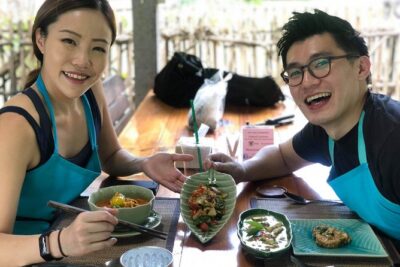
After cooking, you sit down with Tina’s family to share the meal you helped prepare. This is one of the biggest advantages of the experience: you don’t have the awkward moment of eating alone while a class ends behind you. You get to eat as part of the same flow.
The meal is served from the home traditions of the Lechkhumi and Samegrelo regions—where Tina’s parents grew up. That regional note matters because Georgian food is not one single style. Different areas lean into different herb blends, dishes, and everyday staples. When you’re eating from a family’s actual roots, it feels more grounded than generalized Georgian cuisine.
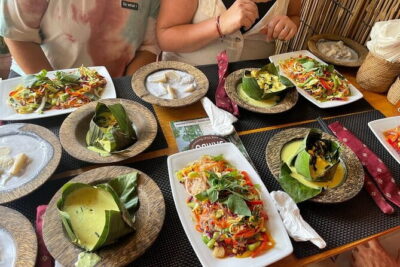
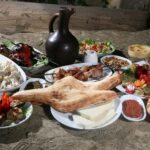
A typical dining-table spread described for this experience can include:
- fresh tomato and cucumber salad
- chakhokhbili
- khachapuri
- khinkali
And yes, you’ll get a chance to ask questions as you eat. In a home setting, that’s where the real payoff comes in. People explain what they’re doing and why. You’ll pick up little cues, like how herbs are treated and how bread fits into the meal rhythm.

Churchkhela and Local Drinks: A Sweet Finish That Explains Itself
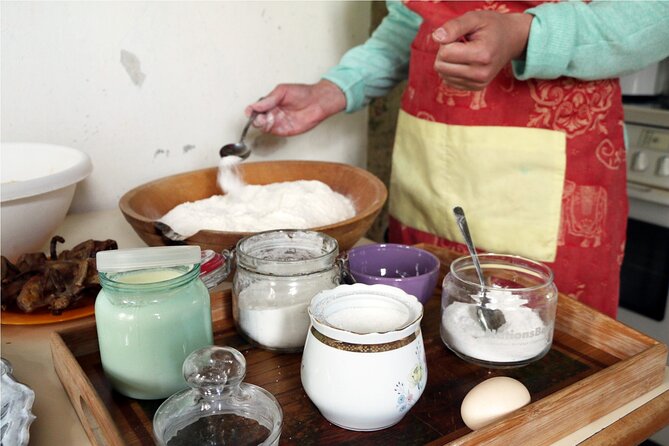
Georgia doesn’t end with a cookie. Your meal usually concludes with churchkhela, a traditional sweet candy made by repeatedly dipping a long string of nuts in tatara—a mixture of flour, sugar, and badagi (concentrated grape juice), or sometimes dry fruits.
What I like about churchkhela is that it’s not mysterious. You get the basic idea of how it’s made from the description alone, and then you can taste the chew, sweetness, and nut profile with that process in mind.
You’ll also have local alcohol included—typically 1–2 glasses—plus non-alcoholic beverages. One practical point: alcohol inclusion is a small win for value, but it also means you should plan to keep the rest of your evening easy. Since hotel pickup and drop-off are not included, you’ll want to be ready to handle your own way back (more on that below).
Price and Value in Tbilisi: What $152 Actually Buys
At $152 per person, this is not a budget cooking workshop. It’s more in the category of a carefully priced local experience—mainly because it is private and home-based.
Here’s what the price includes:
- a private cooking class with Tina
- local alcohol (1–2 glasses)
- non-alcoholic beverages
- all taxes, fees, and handling charges
- gratuities
And what it doesn’t include:
- hotel pickup and drop-off
So you’re paying for the full host experience: a real home kitchen, dedicated time (about 3 hours), teaching 2–3 dishes, plus a seated meal. If you’ve ever done group classes where you barely get your hands on dough, this private setup is the big reason the value can feel strong. Your host can adjust pacing, show techniques directly, and spend real time with your questions.
Also, the class comes with a mobile ticket and there can be group discounts. That matters if you’re traveling with friends and want a more affordable per-person rate.
Logistics in Tbilisi: Where to Meet and How to Plan Your Evening
Your start and end point is back at the meeting point in Tbilisi. Hotel pickup and drop-off are not included, so you’ll need to plan your own route to the home location.
The good news: it’s noted to be near public transportation. That usually means you’re not stuck arranging special taxis just to get there and back, which is a real quality-of-life issue in cities where addresses can be a maze.
Timing-wise, plan for about 3 hours. Because lunch or dinner is available, pick the meal time that fits your energy. If you’re doing dinner, you might want to skip a big heavy meal beforehand. If it’s lunch, you can treat it like your main food event and then keep the rest of the day light.
Who This Cooking Class Fits Best (and Who Should Reconsider)
This experience is a strong match if you:
- want hands-on cooking rather than watching
- like family-style meals and conversation
- enjoy Georgian dishes like khachapuri, chakhokhbili, and khinkali
- prefer a smaller, private class over a big group event
- enjoy learning where flavors come from, including regional roots like Lechkhumi and Samegrelo
It might be less ideal if you:
- want a highly scripted, museum-style itinerary with zero variation
- need strict dietary accommodation but haven’t provided it in advance
- expect hotel pickup, since you’ll handle your own transport to the meeting point
If you have allergies or dietary restrictions, make sure you advise the host at booking. The experience notes that restrictions can be shared ahead of time, which is the best way to avoid surprises.
Should You Book This Georgian Cooking Class in Tbilisi?
I’d book it if you’re the type of traveler who wants to leave with both a full stomach and a practical understanding of how Georgian cooking works. The private home setting, the hands-on teaching, and the fact that you eat your own food right away are a winning combination.
Skip it only if you’re looking for a broad sightseeing-based day, or if you strongly prefer hotel pickup and highly fixed timing. This is about a kitchen and a family table, not a checklist tour.
If you want an authentic Georgia night in Tbilisi—one that feels warm, personal, and genuinely food-centered—this is the kind of booking that pays off long after the meal is gone.
FAQ
How long is the cooking class and meal?
It lasts about 3 hours (approx.), including cooking and then sharing the meal.
Is this a private experience?
Yes. It’s private and only your group participates.
What dishes will I learn to cook?
You’ll learn to cook 2–3 Georgian dishes. The menu can vary by season, but examples include tomato and cucumber salad, chakhokhbili, khachapuri, and khinkali.
Do they offer lunch or dinner?
Yes. Lunch or dinner classes are available.
What’s included in the price?
The experience includes a private cooking class with your host, local alcohol (typically 1–2 glasses), non-alcoholic beverages, taxes and fees, and gratuities.
Is hotel pickup included?
No. Hotel pickup and drop-off are not included.
What if I have dietary restrictions or allergies?
You should advise the host at the time of booking so they can account for your restrictions or preferences.