REVIEW · TBILISI
Tbilisi: Georgian Feast with Wine and Cooking Class
Book on GetYourGuide →Operated by DianaTravel · Bookable on GetYourGuide
Tbilisi dinner turns into a whole night ritual. In this Georgian supra style experience, you start with wine and chacha tasting and end with a proper festive meal, all guided by a real tamada. The hands-on part is the big win for me: you learn khinkali and khachapuri step by step, not just watch. One possible drawback to plan around: English support may feel limited in the room, since the host/greeter languages listed are Russian and English.
You’ll also love how the night runs like a community table, with songs, dances, and toasts that don’t feel like a quick performance slot. I’d go in expecting a warm, chatty atmosphere where you’ll be encouraged to join in, not silently observe. If you prefer super structured, quiet, English-only programming, you might find the pacing a little more lively than your average dinner.
In This Review
- Key Things I’d Not Miss
- A Georgian Supra Starts with Wine and Chacha
- Learning Khinkali and Khachapuri Like a Local Cook
- Khinkali practice: technique you can feel
- Khachapuri practice: the bread-and-cheese centerpiece
- Why the cooking class is such good value
- Tamada Toasts, Songs, and Dances You Can Actually Follow
- The Festive Dinner: More Than a Meal
- Price and What You Really Get for 150 GEL
- Is it worth it if you’re not a big drinker?
- The Place, the Musicians, and the Overall Atmosphere
- Who Should Book This Tbilisi Evening
- Who might want to skip it
- Practical Tips for a Smooth Night
- Should You Book the Tbilisi Georgian Feast with Cooking Class?
- FAQ
- How long is the Tbilisi Georgian feast with cooking class?
- What’s included in the price?
- Do I get pickup and drop-off?
- What will I learn to cook?
- Who leads the songs, dances, and toasts?
- What languages are used during the experience?
- Is it suitable for babies?
Key Things I’d Not Miss
- Wine and chacha tasting right up front, so you’re in the mood before the cooking starts
- Hands-on khinkali and khachapuri masterclass, with real practice and guidance
- Tamada-led songs, dances, and toasts, the traditional engine of the supra
- Festive dinner built around Georgian comfort food instead of a generic buffet
- Pickup and drop-off included, which makes the whole evening easier
A Georgian Supra Starts with Wine and Chacha
The first hour has a simple purpose: get you into Georgian feast mode. You begin with a wine and chacha tasting, where you’ll raise a glass as part of the ritual. In Georgia, this isn’t just about drinking; it’s about celebrating together and using food and alcohol as the social glue.
I like this order because it lowers the stress. Before you’re asked to cook, sing, or toast, you’re already warmed up and comfortable with the flow. And if you’re new to Georgian wine culture, it’s a nice, practical entry point: you taste first, then learn what you’re actually eating and celebrating later.
You can also read our reviews of more tours and experiences in Tbilisi.

Learning Khinkali and Khachapuri Like a Local Cook
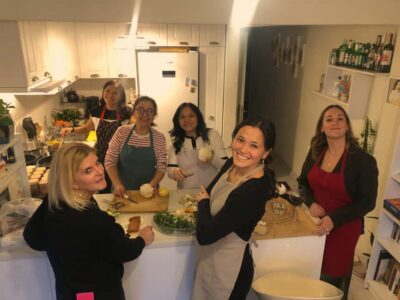
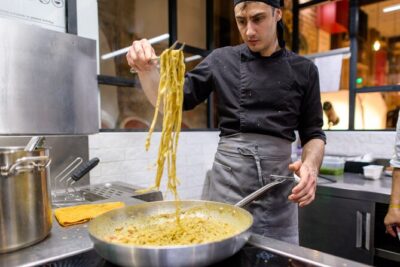
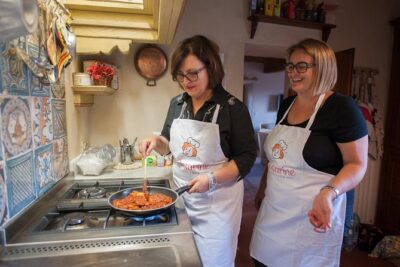
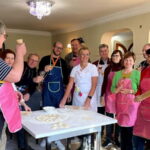
Next comes the part most people sign up for: hands-on cooking. You’ll roll up your sleeves for a khinkali and khachapuri masterclass, guided by expert chefs. This is where the experience becomes more than entertainment—you’re making iconic Georgian food with your own hands.
Khinkali practice: technique you can feel
Khinkali are a Georgian dumpling, and the key skill is forming them well. Even if you don’t leave with Michelin-level dumplings, you’ll likely come away understanding what makes the method different from other dumplings you might know. Expect a learning curve that’s part of the fun: you’re not being graded, you’re being taught.
Khachapuri practice: the bread-and-cheese centerpiece
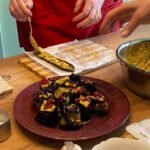
Then you tackle khachapuri, another Georgian classic. What matters here is how it looks and smells while it cooks, because you’ll connect the dough and cheese choices to the final comfort-food result. If you’ve had khachapuri before, this class helps you understand what you actually liked—texture, timing, and how the cheese behaves in the heat.
Why the cooking class is such good value
For me, the value isn’t just the food. It’s that you get a repeatable skill. After a night like this, you can recreate a version of the meal at home and impress people who think Georgian cuisine is just random dumplings and cheese. Also, cooking together naturally supports the communal vibe of a supra.

Tamada Toasts, Songs, and Dances You Can Actually Follow
After cooking, the evening shifts from kitchen energy to celebration mode. You’ll enjoy traditional Georgian songs and dances, and you’ll also take part in toasts led by a real tamada. A tamada is basically the evening’s host-of-the-moment—someone who guides the structure, sets the tone, and keeps the table moving.
This portion is often where cultural experiences either feel staged or feel like the real thing. Here, the framing is clearly traditional: songs, dances, and toasts happen as a guided group experience, not as a quick show you walk away from. You don’t just watch the culture—you get pulled into it through the social rhythm of the meal.
If you read the room and go with it, this becomes the highlight. The best moments are usually small: the way people respond when toasting starts, or how the group atmosphere changes when the tamada shifts the tone.
The Festive Dinner: More Than a Meal
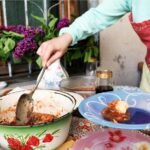
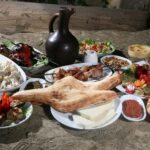
Once the formalities (tasting, cooking, and entertainment) are done, you sit down for the festive dinner. The dinner is described as hearty and soulful, and that matches what a supra meal is supposed to feel like: warming, generous, and meant to stretch into conversation.
This matters because you’re not just eating after a show. You’ve already tasted Georgian wine and chacha, you’ve made two of the most famous dishes, and you’ve joined in with the cultural program. So the final meal lands differently. It’s not a random end-of-night plate—it’s the payoff for everything you did earlier.
One practical note: you’ll likely be hungry when dinner arrives. You’ve got food in progress from the masterclass and tasting early on, so timing tends to work well. The full duration is about 270 minutes, so the evening is long enough to feel like an actual event, not a rushed one.
Price and What You Really Get for 150 GEL
The all-in price is listed as 150 GEL per person, and that lines up with the $70 figure you may see shown. Either way, the key question is value: what are you paying for?
You’re paying for a full package that includes:
- Wine and chacha tasting
- Khinkali and khachapuri masterclass
- Georgian songs, dances, and toasts
- Festive dinner
- Pick up and drop off
When you compare it to doing these things separately in Tbilisi, this kind of bundled evening is often a smarter deal—especially because pickup reduces the time math and hassle. You’re buying convenience plus a structured cultural night, where the timing is already planned for you.
Is it worth it if you’re not a big drinker?
If you don’t drink much, the experience can still be good for the food and cultural parts. Just know that wine and chacha are explicitly included, so the first segment centers on tasting. You can still participate socially, but you’ll want to pace yourself.
The Place, the Musicians, and the Overall Atmosphere
The strongest praise tied to this experience is the combination of food quality and talented musicians, plus the overall venue feel. In plain terms: this isn’t just an assembly of activities. The room and the music help make it feel like a real Georgian night at a real table.
That’s also where the cultural pieces connect. When musicians are strong and the tamada is guiding the toasts, the evening flows. If you’ve ever done an activity where the music felt like a background afterthought, you’ll appreciate the difference here.
One caution comes from the same set of notes: English can be limited. The host/greeter languages are listed as Russian and English, but even with English available, you may find that the room energy leans toward one language more than the other. If you’re sensitive to that, go in with a flexible mindset.
Who Should Book This Tbilisi Evening
This is ideal if you want more than a meal. You’ll enjoy it most if you:
- Want a hands-on cooking experience for khinkali and khachapuri
- Like structured cultural evenings with songs, dances, and toasts
- Appreciate the supra style of dining where the host leads the table
- Prefer having pickup and drop-off handled
It’s also a good choice for visitors who want a memorable first introduction to Georgian food culture. If you’ve got only a short time in Tbilisi and you want one evening that touches cooking, dining, and celebration, this hits those boxes.
Who might want to skip it
If you want a quiet, self-guided, no-interaction dinner, this isn’t that. This is social by design. Also, it’s not suitable for babies under 1 year.
Practical Tips for a Smooth Night
Here’s how I’d make your evening go smoothly, based on what’s included and how these meals typically work.
- Wear comfortable clothes. You’ll cook and then sit down to eat, likely with minimal break time in between.
- Pace the tastings. Wine and chacha are part of the program, so drink slowly and water-smart if you want to enjoy everything.
- Plan to join in. The tamada-led toasts and the music/dance segment work best when you’re willing to participate.
- If English matters, ask what to expect. Since the languages listed are Russian and English, and because some parts are strongly cultural and rhythmic, you might find understanding easier if you’re comfortable following along even when not every word is clear.
- Go hungry. Even with tasting and cooking, the dinner is the finish line.
Should You Book the Tbilisi Georgian Feast with Cooking Class?
Yes, I’d book it if you want an authentic Georgian night with real food skills, not just a sit-down meal. The biggest reason is the combination: wine and chacha tasting, a hands-on khinkali + khachapuri class, and a tamada-led supra with songs and toasts. That mix is hard to beat for one price and one evening.
I’d also say yes if you value atmosphere. The praised strengths point to strong musicians, a great-feeling place, and a feast that feels genuinely Georgian rather than cookie-cutter.
Skip it only if your top priority is quiet dining or if you strongly need English-only instruction throughout every moment. In that case, the cultural pacing might feel a bit too fast or too social for your comfort.
If you’re open to a lively, communal dinner night in Tbilisi, this is the kind of experience that turns into a story you’ll remember long after the last plate is cleared.
FAQ
How long is the Tbilisi Georgian feast with cooking class?
The experience lasts 270 minutes, about four and a half hours. Starting times depend on availability.
What’s included in the price?
The package includes wine and chacha tasting, a khinkali and khachapuri masterclass, Georgian songs, dances, and toasts, and a festive dinner. Pickup and drop-off are also included.
Do I get pickup and drop-off?
Yes. You’ll be picked up at your location and dropped off after the experience.
What will I learn to cook?
You’ll take part in a hands-on masterclass to learn how to make khinkali and khachapuri.
Who leads the songs, dances, and toasts?
A real tamada leads the toasts as part of the traditional supra-style celebration.
What languages are used during the experience?
The host or greeter speaks Russian and English.
Is it suitable for babies?
No. It isn’t suitable for babies under 1 year old.