REVIEW · TBILISI
Tbilisi: Cooking Class with a Local Family
Book on GetYourGuide →Operated by Gamarjoba Georgia Tours · Bookable on GetYourGuide
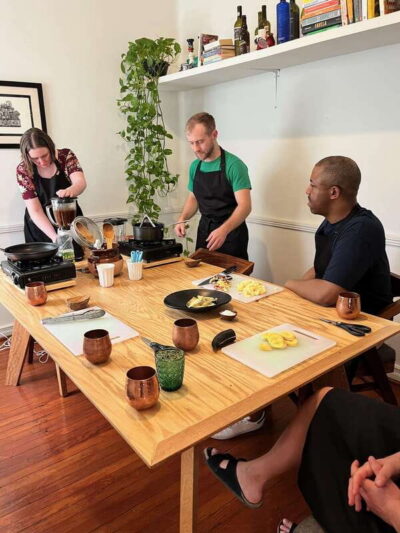
Dinner starts with dumplings in a Georgian home. This 3-hour class with Shorena’s Magic Kitchen is one of the most satisfying ways to understand Tbilisi food: you cook iconic dishes like Khinkali and cheese-filled Khachapuri in a real family setting, then you eat what you made with homemade drinks. I love that the session is truly hands-on, not a sit-and-watch demo, and I also love the human side of it, with English support from guides such as Maria, Ana, Nicolas, or Nini when the host speaks mostly Georgian.
The one thing to plan around is that the homemade wine and chacha are part of the experience, but quality and taste can be hit or miss for some people, and return logistics after the meal may feel less structured than you’d expect.
In This Review
- Key highlights you should care about
- From Avlabari Metro to Shorena’s Kitchen: how the night kicks off
- What you actually cook: six Georgian dishes in one go
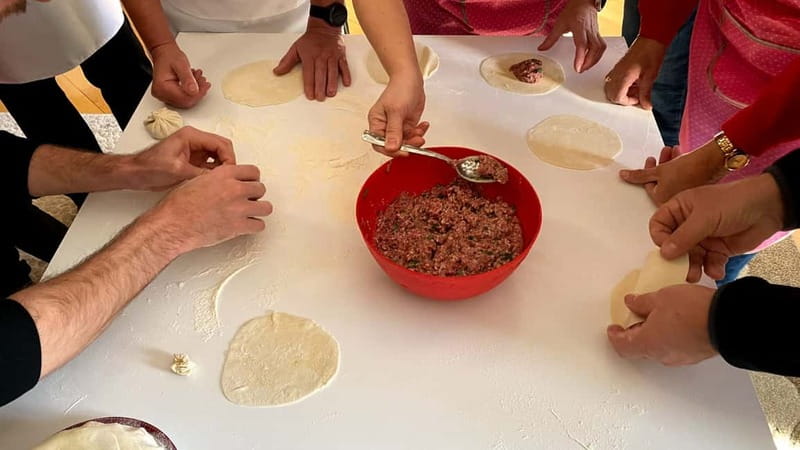
- Khinkali dumplings: the skill you’ll remember long after
- Khachapuri with Sulguni: cheese bread, Georgian style
- Eggplant with walnuts and Georgian salad: why the table tastes balanced
- Mchadi cornbread: the crisp side of Georgia
- Drinks, toasts, and the real rhythm of the meal
- Translation and teaching style: how English support works
- Price and value: is $55 a good deal for 3 hours?
- Transportation back and what to watch out for
- Who this tour suits best
- Rainy-day reality and what to pack
- Should you book Shorena’s Magic Kitchen?
- FAQ
- Where do I meet for the Tbilisi cooking class?
- What dishes will I learn to cook?
- Does the class include drinks?
- Is there an English-speaking guide?
- Is a vegetarian option available?
- Do I need to bring anything with me?
- Is transportation included?
Key highlights you should care about
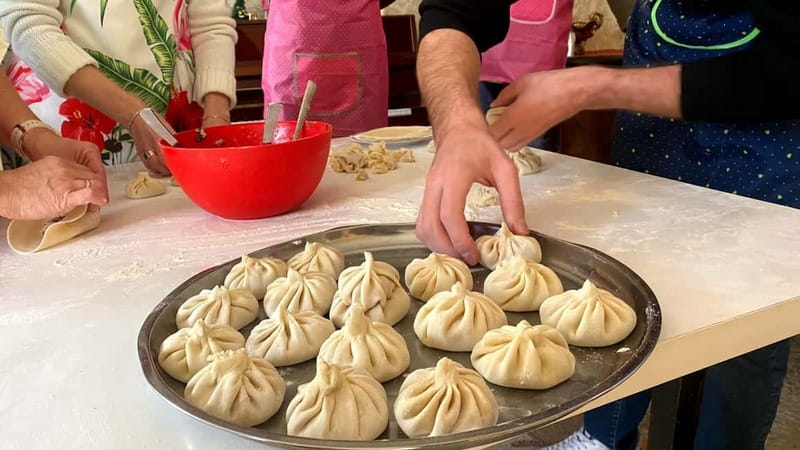
- Real home, real cooking: You join a Georgian family’s kitchen routine, not a staged classroom.
- Hands-on Georgian classics: You make multiple dishes yourself, then you sit down to a shared feast.
- Homemade drinks included: Homemade dry white wine and chacha are part of the table.
- English support on demand: Live guides translate when the host speaks mainly Georgian.
- A recipe to take home: You leave with instructions for traditional Georgian food.
- Everything is timed for 3 hours: You get a full meal experience without eating up your whole evening.
From Avlabari Metro to Shorena’s Kitchen: how the night kicks off
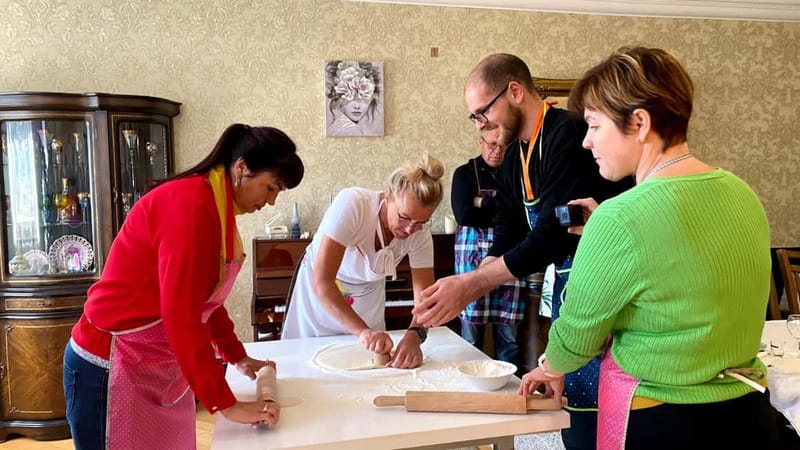
The evening starts at Avlabari Metro Station at 17:30. A partner representative meets you outside with a branded orange flag, which makes it easier to find your group fast. From there, you’re transported from the meeting point to the home, and the total experience runs about 3 hours.
This matters because Georgian cooking works best with momentum. You want to arrive hungry, settle in quickly, and get your hands busy. If you’re the type who likes to ask questions while you cook, this format gives you that space without dragging the night into a long event.
Bring your passport or ID card. And dress for the weather: the tour operates rain or shine, so plan for Georgia’s mood swings and wear shoes that handle uneven paths if you’re brought in through a yard or garden.
You can also read our reviews of more tours and experiences in Tbilisi.

What you actually cook: six Georgian dishes in one go
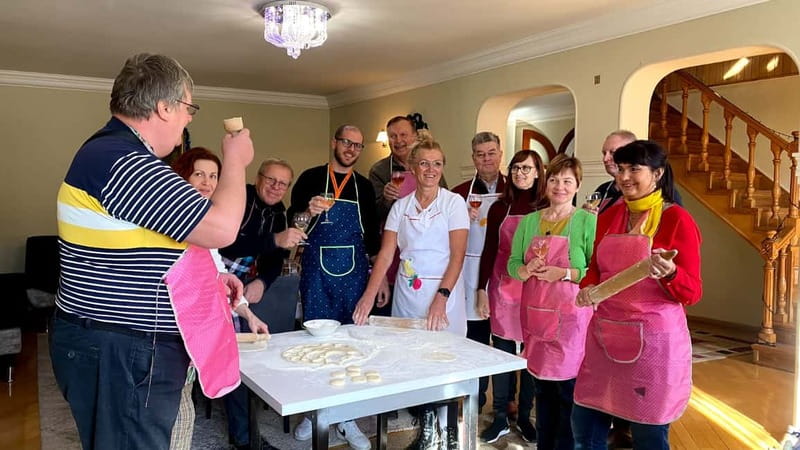
The menu centers on Georgian comfort food and regional pride, taught by Shorena, who is from the west of Georgia and brings more than 30 years of cooking experience. The core dishes are: Khinkali (dumplings), Khachapuri (cheese bread), Eggplant with Walnuts, Georgian Salad, and Mchadi (cornbread). On top of that, you’ll also have a sixth food component as part of the included meal plan, since the class covers six foods in total.
In plain terms, you’re covering the Georgian “menu stack” in one session:
- something stuffed and folded (khinkali)
- something baked and cheesy (khachapuri)
- something nutty and savory (eggplant with walnuts)
- something fresh and cooling (Georgian salad)
- something crisp and corn-based (mchadi)
- plus an extra dish or component that rounds out the table
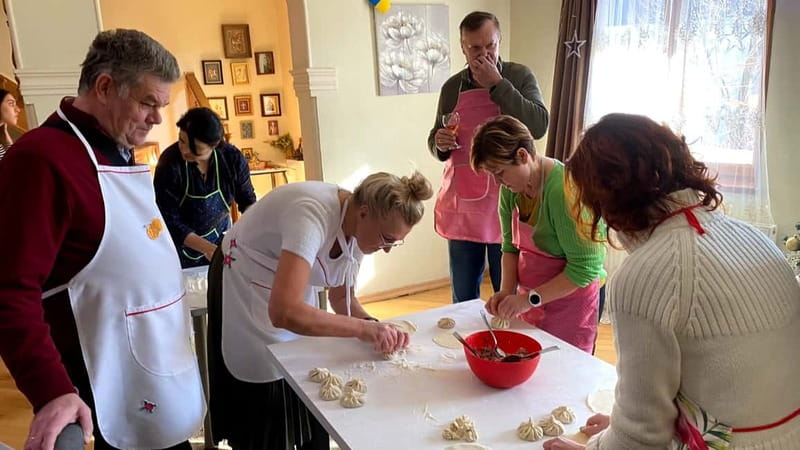
And you don’t just taste these. The point is making them with your own hands. Some parts may be simplified depending on the flow of the class—for example, one participant noted that dough prep wasn’t something they had to do from scratch—so you still get the satisfying part: shaping, stuffing, assembling, and learning the logic behind the flavors.
Khinkali dumplings: the skill you’ll remember long after
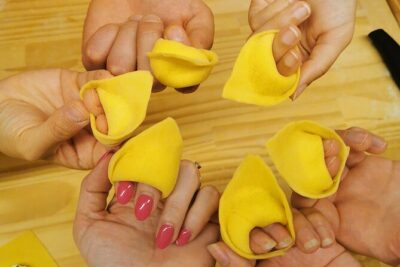
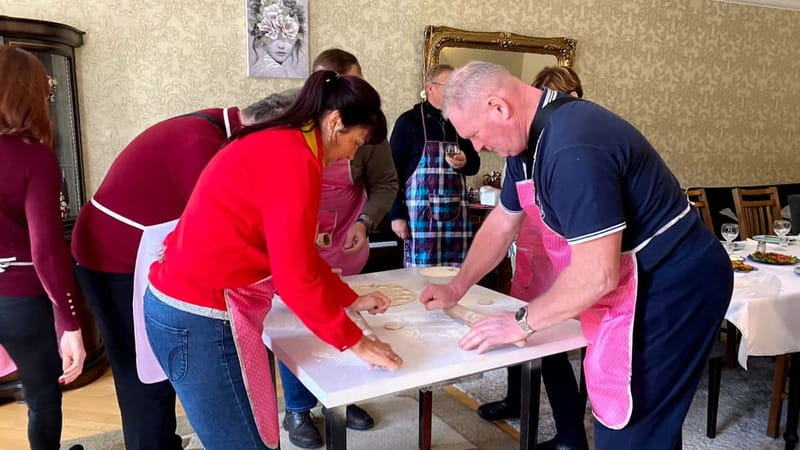
Khinkali is the signature dish people travel for in Georgia, and here it’s not treated like a magic trick. You learn the dumpling-making process and get to handle the mixture and shape the results as part of the class. The big win is that you can see and repeat the steps, instead of only hearing the story of what makes Georgian khinkali special.
In home-style teaching, timing is everything. If you want the best chance to learn well, slow down during the first round and watch how the guide and host correct technique. You’ll likely get a clear, hands-on workflow: prepare your portion, shape, and then cook the dumplings with the rest of the class.
One small reality check: dumpling-making is not a “10-minute craft.” Even in a 3-hour experience, it’s the kind of dish that takes focus. If you tend to rush, you might still have a blast, but you’ll get more out of it if you treat khinkali as the main event.
Khachapuri with Sulguni: cheese bread, Georgian style
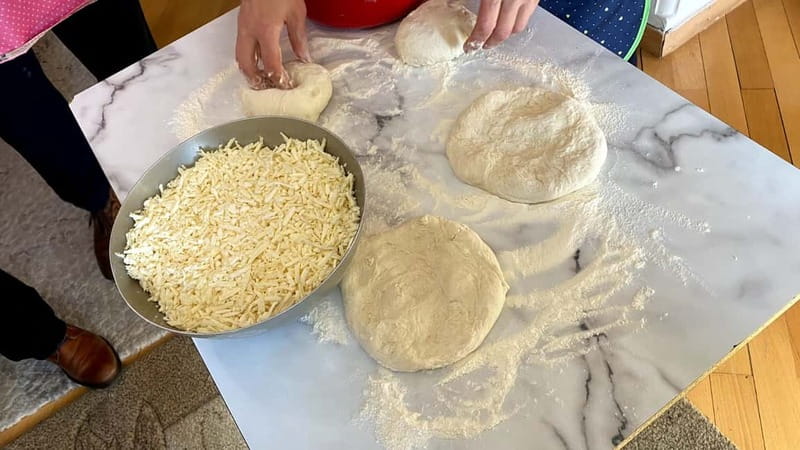
Khachapuri is the dish you’ll understand immediately: warm bread plus salty cheese, built for sharing. You’ll use popular Georgian cheese Sulguni, and the class teaches you how to assemble and bake your version as part of the included foods.
Cheese bread sounds simple until you’re actually working it. The class format is useful here because you get guidance on texture and form while you do the work. A couple of participants noted they didn’t do every prep step from raw basics, but they still got hands-on with the key assembly stages. That strikes a good balance: you don’t get bogged down in long prep, and you still leave with the confidence to make something similar at home.
If you’re thinking about what to buy at a market later, Sulguni is the clue. Look for a cheese that behaves similarly when heated and stretches a bit, since that’s the experience you want to recreate.
Eggplant with walnuts and Georgian salad: why the table tastes balanced
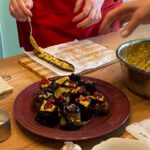
Eggplant with walnuts (often described as a Georgian favorite for eggplant lovers) is where Georgian cooking shows its knack for contrast. You’re not just eating something heavy. You’re building a savory-sweet, nutty profile that plays well with bread and dumplings.
Then comes Georgian Salad, which is the reset button. It’s the fresh, crunchy counterweight to richer dishes. Even if you’re not a big salad person, this pairing is smart: you get variety in one meal cycle, so you don’t feel like you’re eating the same flavor in different shapes.
The walnut sauce is where you can taste the craft. Pay attention to proportions and mixing. The better you mix and spread, the better your eggplant ends up tasting in the final bite.
Mchadi cornbread: the crisp side of Georgia
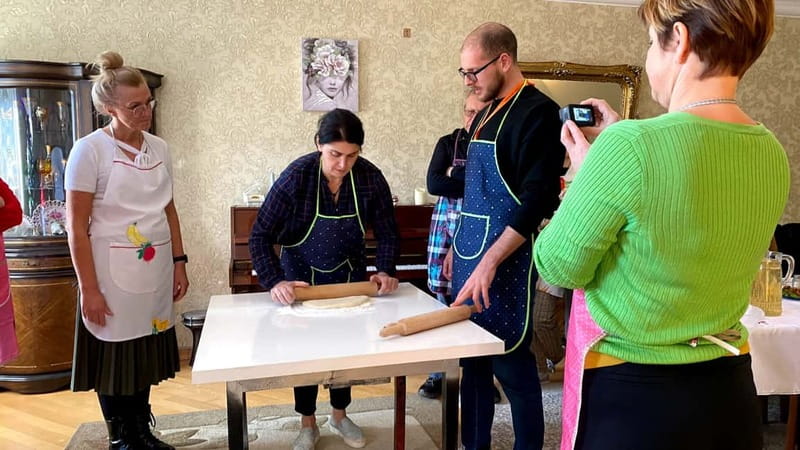
Mchadi is Georgian cornbread, and it’s included for a reason. It’s the dish that adds warmth and crunch to the plate. Corn-based breads can go either way in home cooking, but in a class led by an experienced cook, you’re learning how to get the right texture rather than just hoping.
Expect this portion to feel straightforward compared with dumplings, which is good if you’re cooking one dish at a time in your head. Use mchadi as your comfort dish and take note of thickness, heat, and timing cues from the host or guide. The best part is that it complements everything else: dumplings, cheese bread, and the nutty eggplant sauce all work together.
Drinks, toasts, and the real rhythm of the meal
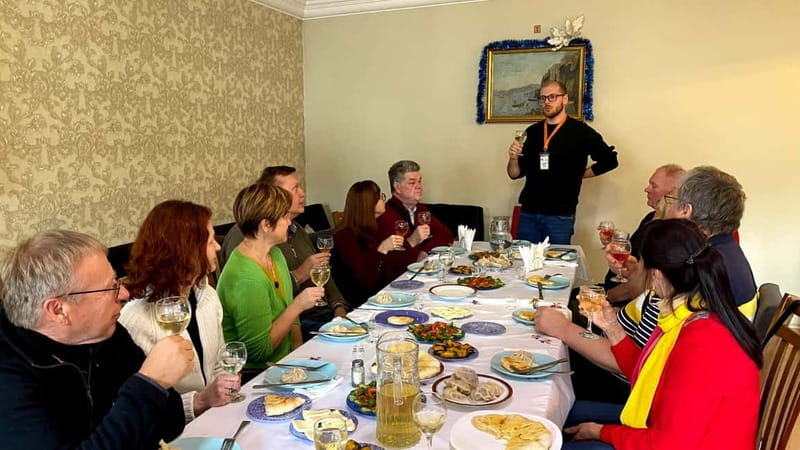
Homemade dry white wine and Georgian vodka called Chacha are included, plus water. This is not a random drink add-on. In a Georgian family-style meal, drinks sit next to stories and toasts, and the class turns into a dinner you actually feel part of.
Some guides lean into Georgian culture through the table. Participants have described hosts and guides such as Beka sharing stories, doing toast-style moments, and pairing the food and drink flow in a lively way. The English guide often helps connect the dots, especially if the host speaks mostly Georgian.
Practical advice: start with small pours, taste between bites, and don’t rush the first glass. If you’re driving later, plan your transportation. Also, since one review flagged that wine and chacha quality can vary, keep your expectations flexible: the broader value is the meal and hands-on cooking, with drinks as an included bonus.
Translation and teaching style: how English support works
The class is listed with an English live tour guide. That matters because the host is likely to speak mostly Georgian while your guide translates instructions and adds context. People have specifically noted guides like Maria, Ana, Nicolas, or Nini translating steps when the host didn’t use much English.
This is important for your learning. When you can understand what you’re doing and why, you cook better. It also makes the cultural talk feel less like background noise and more like part of the food lesson.
If you want the most from it, ask at least one question early: what’s the texture goal, what’s the flavor logic, or what’s the regional twist. Your guide can help you phrase it, even if the host’s answers come mostly in Georgian.
Price and value: is $55 a good deal for 3 hours?
At $55 per person, this class is priced in the sweet spot for what you get: a 3-hour live guide in English, transportation from the meeting point, six foods, water, homemade dry white wine, and homemade Chacha. You also leave with a recipe for traditional Georgian cooking.
Here’s why it feels like value rather than just a meal ticket. Many paid cooking experiences charge a similar amount but give you limited hands-on time. This one centers on making multiple dishes, then eating the results. For solo travelers, it’s also a social win because you eat with your group at the family table, not off to the side.
That said, $55 assumes you’re there for the full experience: cooking, tasting, and sitting down. If your goal is only a quick snack, you’ll likely feel the time crunch.
Transportation back and what to watch out for
Transportation is included from the meeting point, but transport from the local family is not included. Also, at least one participant described the ride-back as less organized. So go in with a simple mindset: confirm the plan with your guide before the meal ends.
Bring your own plan for the end of the evening. If you’re relying on public transit, keep a buffer. If you’re ordering a taxi, have the pickup point clear in your mind. This isn’t about fear; it’s about not letting a logistical hiccup ruin a good dinner.
Who this tour suits best
This is a strong fit if you:
- want a practical way to learn Georgian dishes with steps you can repeat
- like eating what you make, with plenty of food on the table
- enjoy culture through real people, not museum facts
- travel solo and want a friendly, guided social meal
It also works for couples and groups, since cooking together creates natural conversation. One participant even mentioned it can be kid-friendly, mainly because the format is hands-on and the meal is structured for everyone to eat.
If you’re vegetarian, ask in advance. A vegetarian option is available upon request, so you can tailor the menu to your needs rather than sit out most of the meal.
Rainy-day reality and what to pack
Because it runs rain or shine, wear layers and shoes you can trust. If you’re the kind of person who catches a breeze easily, bring a light jacket. If it’s wet, slow down around any garden paths, yards, or uneven walkways.
Also, bring your ID. It’s listed as required, and it’s an easy item to forget when you’re juggling bags.
Should you book Shorena’s Magic Kitchen?
I’d book this if your goal is authentic Georgian comfort food you can cook, plus a dinner that feels like a real family moment. The best version of the experience is exactly what the setup supports: hands-on work, a shared feast, and English help from guides such as Maria, Ana, Nicolas, or Nini when needed.
Skip it or think twice if your main interest is drinking. While homemade wine and Chacha are included, one participant noted the taste wasn’t what they expected, and another mentioned transport back wasn’t tightly managed. In other words, the cooking and the meal are the core value; treat the drinks as part of the table, not the main reason to go.
If you want a practical Georgian souvenir that isn’t just photos, this class checks the boxes: you leave with recipes, and you carry the memory of making Khinkali and Khachapuri with your own hands.
FAQ
Where do I meet for the Tbilisi cooking class?
You meet at Avlabari Metro Station at 17:30. A local partner representative will be there in front of the station holding a branded orange flag.
What dishes will I learn to cook?
You cook traditional Georgian dishes including Khinkali, Khachapuri, Eggplant with Walnuts, Georgian Salad, and Mchadi, plus a sixth included food as part of the meal plan.
Does the class include drinks?
Yes. Homemade dry white wine, homemade Vodka called Chacha, and water are included.
Is there an English-speaking guide?
Yes. The tour includes a live tour guide in English.
Is a vegetarian option available?
Vegetarian option is available upon request.
Do I need to bring anything with me?
Bring your passport or ID card.
Is transportation included?
Transportation from the meeting point is included, but transportation from the local family is not included.