REVIEW · CORDOBA
Feed the Fire Private Cooking Class & Market Tour
Book on Viator →Operated by JUGO Experiences Cordoba · Bookable on Viator
Córdoba tastes different when you shop first. I love the market tour at Mercado de la Corredera, and I love how the class centers on Gaby’s natural Spanish wines plus a full meal you actually learn to make. It’s a private, English-friendly cooking outing in the historic center that lasts about 3.5 hours.
One thing to consider: the experience is hands-on, but the amount you personally cook can shift with the group and what looks freshest at the market. If you want maximum knife time, go in with a can-do attitude and tell Gaby early that you’re ready to chop, stir, and plate.
You also get a very social structure. You’ll start with tasting and picking ingredients, walk to the Jugo wine shop, then cook and eat together with plenty of food on the table. It’s also wheelchair and stroller accessible, and it’s offered as a private activity, meaning it’s only your group.
In This Review
- Key highlights to know before you go
- Entering the Mercado: why Cordoba starts with food
- The shopping stops that turn you into a better cook
- Walking to Jugo: the cooking space feels like a friend’s hangout
- What you’ll make: the menu is structured, but it’s built from real choices
- Starters (Spanish favorites, with market-driven twists)
- Mains (where the main lesson lives)
- Dessert and something sweet to anchor the day
- Drinks: wine is part of the cooking lesson
- Learning style: how a private class should feel
- Price and value: what you’re really paying for
- Accessibility, pacing, and comfort details that matter
- Is this the right fit for your Córdoba trip?
- FAQ
- How long is the Feed the Fire Private Cooking Class & Market Tour?
- Where does the tour start?
- Is this class private?
- What language is the class offered in?
- What’s included with the class meal?
- Is it wheelchair and stroller accessible, and is there free cancellation?
Key highlights to know before you go
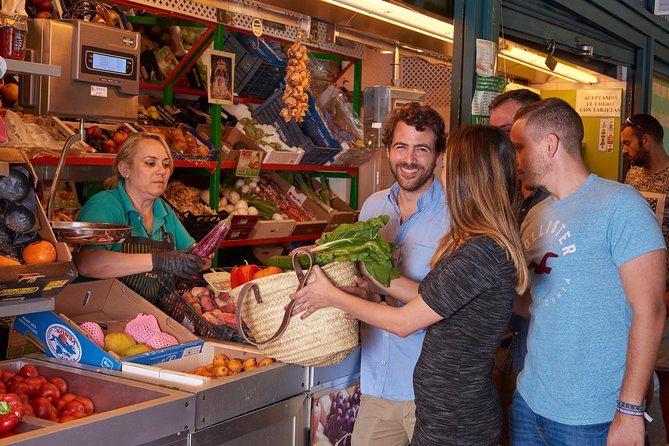
- Mercado start: You begin at Mercado de la Corredera with tasting and ingredient decisions.
- Natural wine pairing: Natural Spanish wines flow through the entire meal.
- A real meal menu: You’ll learn multiple dishes, not just one recipe.
- Private class feel: Only your group participates, so conversation and pacing are flexible.
- Your menu can flex: The menu is designed based on what looks freshest and most interesting.
- Host-led shop setup: Cooking happens in Gaby’s wine shop at the end, with everyone joining in.
Entering the Mercado: why Cordoba starts with food
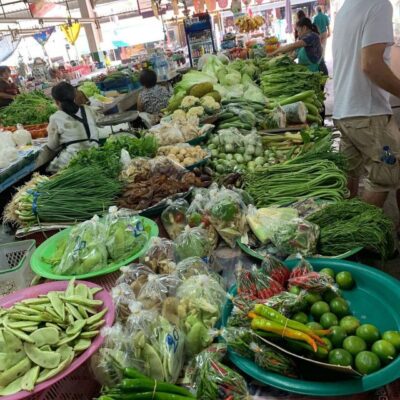
This class kicks off where Córdoba food lovers really pay attention: the Mercado de la Corredera. Instead of arriving at a kitchen and being handed ingredients, you start by learning what to look for. That changes how you cook later, because you understand why certain items matter—texture, ripeness, and what the market has that day.
The best part is the walking-and-tasting rhythm. You stop, you smell, you sample, and you make small choices that become part of the meal. It’s not just shopping. It’s practice for buying better food once you’re back home.
And because it’s based around improvising with market finds, you’re not stuck in a rigid script. You might find yourself chasing a new ingredient that sounds fun, then suddenly it ends up on your menu because it grabbed everyone’s attention.
You can also read our reviews of more tours and experiences in Cordoba.
The shopping stops that turn you into a better cook
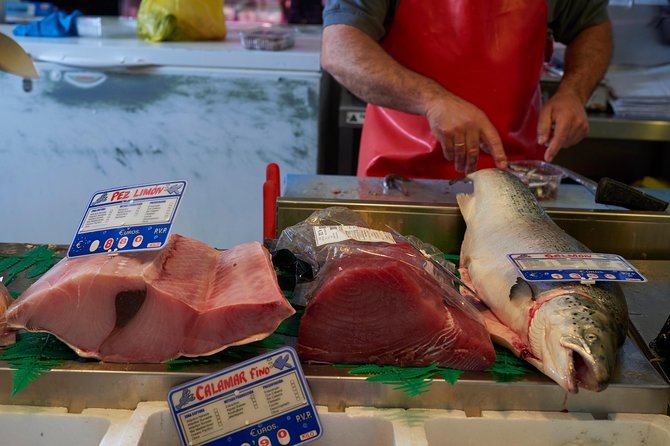
As you move through the market, the goal is simple: gather everything you’ll need for the meal, then decide what deserves space on the fire. Expect multiple stops, with tastes along the way. This is the part I think most people underestimate.
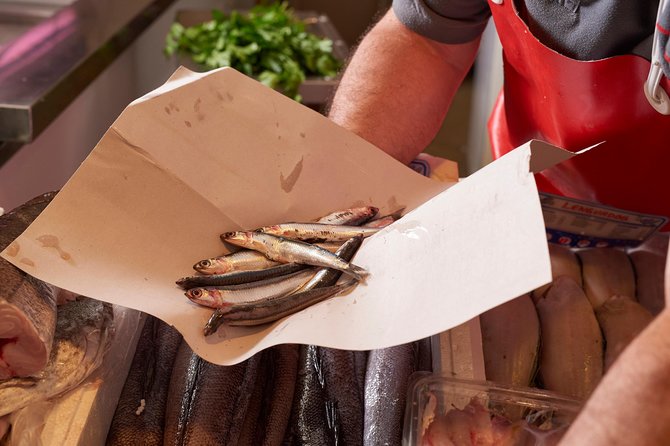
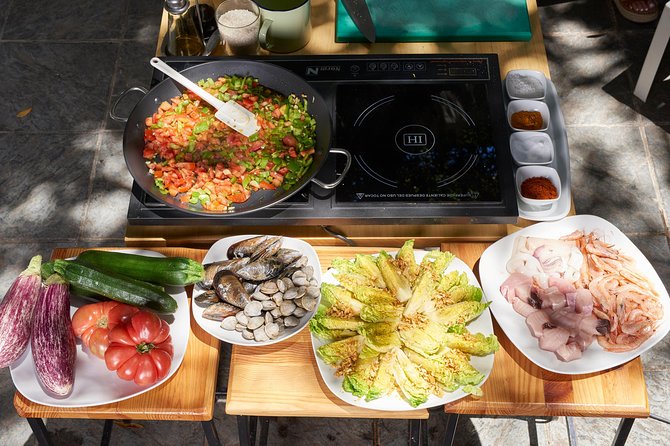
If you’ve cooked before, you know ingredients drive outcomes. Salmorejo isn’t just a recipe—it’s the right tomatoes and the right balance. Paella isn’t just a “traybake for cooks”—it depends on what seafood or meat looks best when you’re buying it. When you shop with intention, you cook with more confidence.
You also get a nice reality check about Spanish flavors. Even basic items can taste different in Córdoba depending on season. That matters because the class menu uses seasonal and freshest ingredients as its starting point, so the meal is built around what’s truly available.
Practical tip: wear shoes that handle cobblestones and plan to arrive with a little room in your stomach. You’ll snack and taste as you go, and then lunch becomes the main event.
Walking to Jugo: the cooking space feels like a friend’s hangout
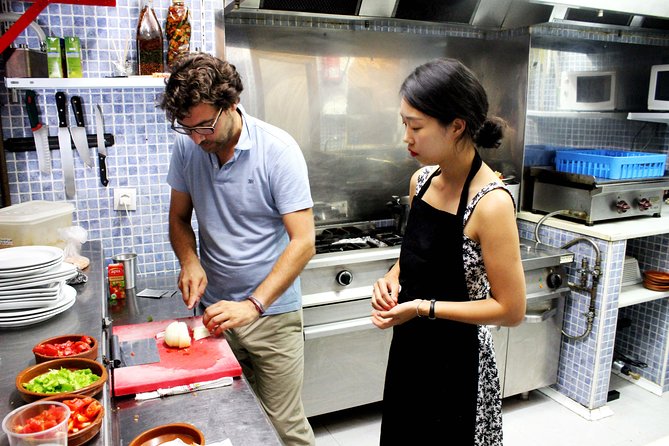
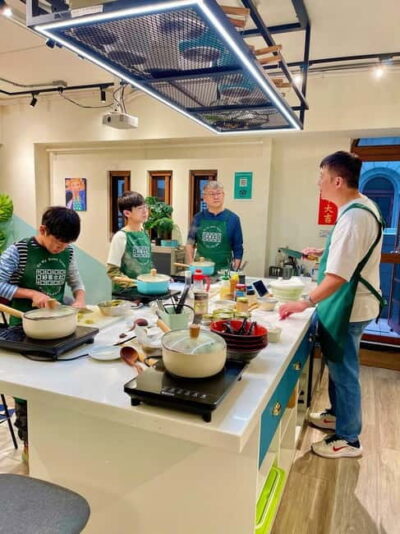
After the market, you head to the natural wine shop portion of the experience, where the cooking gets hands-on. Several classes are held in this setting, and the tone tends to feel more like a shared afternoon than a formal lesson.
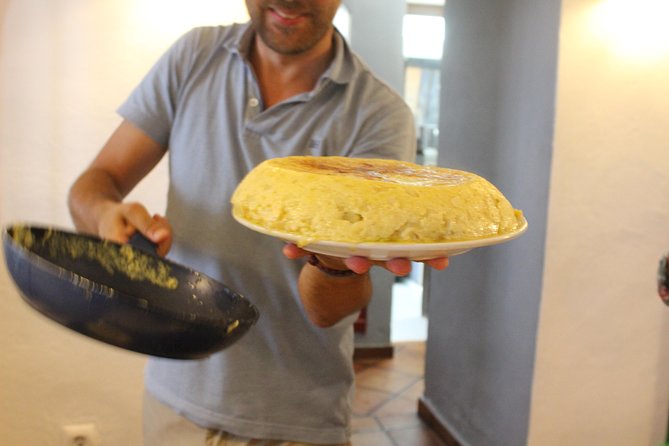
You’ll lay out your ingredients, chop and prep, then cook as a group. The setup makes it easy to participate at whatever level you’re comfortable with. In other words: some people prefer active chopping; others are happier getting things ready, tasting sauces, and learning by watching. The experience can flex that way.
I also like the small sign of professionalism behind the scenes: even when something goes wrong (like an electrical blackout), the cooking continues using portable gas stoves. That tells you the host’s priority is keeping the flow going, not cancelling at the first hiccup.
What you’ll make: the menu is structured, but it’s built from real choices
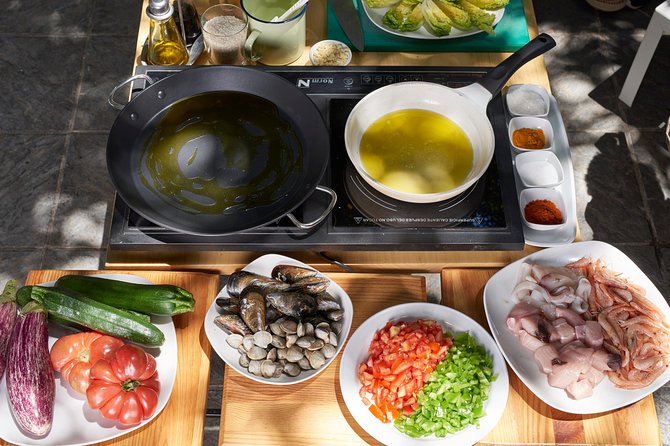
The meal is a full Córdoba-style spread with classics and some playful twists. The course list typically looks like this:
Starters (Spanish favorites, with market-driven twists)
You may work on dishes such as:
- Salmorejo, a thick, creamy tomato soup-style starter that’s usually served chilled
- Mazamorra
- Revueltos
- Cogollos con ojitos
- Ensalada de Col
The reason these starters are smart for a cooking class is that they teach core Spanish technique: working with olive oil, building balance, and understanding how fresh ingredients create the flavor.
Mains (where the main lesson lives)
The main course selection may include:
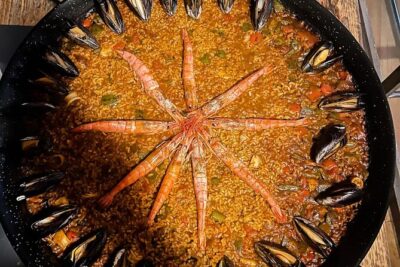
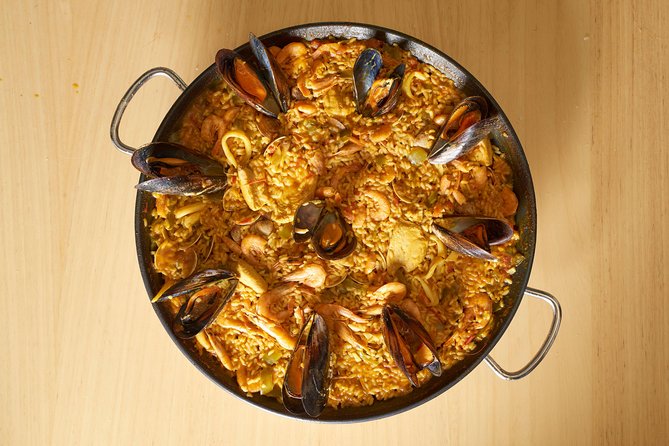
- Paella
- Grilled fish
- Chorizo a la Riojana
- Papas con choco
- Gambas al ajillo
Here’s what makes this more than a “nice lunch”: the menu isn’t one-lane. Paella, seafood, and stews each teach different timing and heat control. Even if you only handle part of the process, you learn the logic behind it—how you build flavor before you ever plate.
Also, because what goes on the fire is tied to what looks freshest, you’re more likely to get a menu that feels alive and local rather than generic.
Dessert and something sweet to anchor the day
Dessert options include:
- Chocolate and fruit
- Naranjas aceite y azúcar (orange with oil and sugar)
- Strawberries with fresh cream
Orange with oil and sugar is the kind of combination that sounds unusual until you taste it. That’s exactly the point of doing this class in Córdoba: you get used to the real flavor habits of the region, not just international “Spanish-themed” food.
Drinks: wine is part of the cooking lesson
You’ll pair the meal with natural Spanish wines, and the pours are described as bottomless for the duration of the meal. In addition, craft beer and table olives show up during the class and at the end.
If you’re worried about the wine making it feel like a party, don’t be. The cooking still has structure. But you will taste wine as you learn, which helps you understand how Spanish meals are designed: food and drink move together, and the pace is social.
Learning style: how a private class should feel
Because this is private—only your group participates—you can usually expect more attention from the host than you would in a larger multi-language class.
The best moments in this kind of setup come from the small choices: how you season, which ingredient gets tossed in, how you adjust heat, and what you taste along the way. In a good private class, those moments don’t get lost under a crowd.
That said, one review-style caution that you should take seriously: hands-on participation can vary. Some people end up chopping and cooking a lot; others might do more prep and tasting. If you’re the type who wants to be at the fire the whole time, speak up early. Tell Gaby you want to be actively involved and you’re happy to help with the messiest tasks—chopping, stirring, and plating.
Language-wise, the class is offered in English, and the host runs it in a way meant to be easy to follow. You don’t need a culinary background; you just need curiosity and willingness to taste.
Price and value: what you’re really paying for
At $156.03 per person for about 3 hours 30 minutes, this class costs more than a basic cooking demo. But the value stack is strong.
You’re paying for:
- A market tour experience with tastings and ingredient decisions
- A full menu (multiple starters, mains, dessert)
- All ingredients and materials provided
- Lunch, snacks, and alcoholic beverages
- The wine pairing portion, with natural wines described as bottomless through the meal
- A private format for your group, not a shared crowd
When a class includes shopping plus a drink-heavy dining format, the cost starts to make sense. You’re not just buying cooking instruction; you’re buying an entire food-centered afternoon that would cost you more if you did it separately—market snacks, lunch, and wine all add up fast in Córdoba.
Timing matters too. This is commonly booked about 28 days in advance, so if your travel dates are fixed, grab a slot sooner rather than later.
Accessibility, pacing, and comfort details that matter
The class is wheelchair and stroller accessible, and it’s also described as near public transportation. For a walking+market start, that accessibility detail is more important than it sounds.
The route is mostly about short stops and a walk between the market and the shop. Still, you’ll likely want comfortable shoes and a lightweight layer. Markets can shift from bright and breezy to crowded and warm depending on the time of day.
Also note the basic vibe: people expect fun and learning. This isn’t a silent, white-apron lab. It’s social, and it’s built for conversation while you cook.
If you have dietary restrictions, you should ask directly. One group reported that the menu was tailored to accommodate a celiac guest, which suggests the host can adjust when told ahead of time. Don’t wait until you’re already at the market.
Is this the right fit for your Córdoba trip?
I think you’ll love Feed the Fire if you fall into any of these categories:
- You want a Córdoba food experience that starts at the market, not at a kitchen table
- You enjoy cooking with context—why ingredients matter and how flavors connect
- You want a private class with English support and a relaxed pace
- You like natural wine as part of a meal, not as an afterthought
You might rethink it if you’re looking for a strictly academic class where every person cooks every minute. The experience can be hands-on and social, but the exact level of cooking involvement may depend on the group and on what the market leads you to choose.
Should You Book Feed the Fire?
Book it if you want an afternoon that feels like Córdoba itself: market energy, shared prep, and a proper meal with wine. The value comes from the full package—shopping, cooking, lunch, snacks, and drinks—plus a private format that keeps the experience human.
I’d especially recommend it to food-first travelers who enjoy tasting and then learning how to reproduce those flavors. If you go in expecting a friendly, interactive cooking day and you communicate that you want active participation, you’re very likely to leave with real technique and a menu you’ll talk about for a while.
FAQ
How long is the Feed the Fire Private Cooking Class & Market Tour?
It runs about 3 hours 30 minutes.
Where does the tour start?
It starts at Mercado de la Corredera, Plaza de las Cañas (Pl. de las Cañas, 1, Centro, 14002 Córdoba, Spain).
Is this class private?
Yes. It’s a private activity, and only your group participates.
What language is the class offered in?
It’s offered in English.
What’s included with the class meal?
You’ll receive the menu to cook, all ingredients and materials, lunch, snacks, and alcoholic beverages. Craft beer and table olives are also served during the class and at the end.
Is it wheelchair and stroller accessible, and is there free cancellation?
The class is wheelchair and stroller accessible. There is free cancellation up to 24 hours in advance for a full refund.