REVIEW · SIEM REAP
Siem Reap: Half-Day Cambodian Cooking Class
Book on GetYourGuide →Operated by Beyond. Unique Escapes · Bookable on GetYourGuide
If cooking class vacations are your thing, this one is smart. In Siem Reap, you get a market stroll with Sofia (so you know what to buy and why) and then a hands-on session where you learn three dishes you can actually re-create later. I love that the whole experience is designed around sharing food with friends, not just watching someone else cook. I also like the practical setup: fresh ingredients in the right amounts, clear step-by-step guidance, and tastings you can enjoy right away. One possible drawback: it is only 3 hours, so you won’t have time to master everything from scratch at a slow, leisurely pace.
You’ll start with convenient hotel pickup and a tuk-tuk ride to a local market, then walk and learn how Cambodian ingredients show up in everyday cooking. After that, you move to a purpose-built garden pavilion for the cooking part, where an English-speaking instructor guides you through spring rolls, curry, and bananas in palm sugar. For me, the best value is not that you leave with recipes, but that you leave understanding the ingredients and the sequence of steps.
In This Review
- Key highlights worth your attention
- Tuk-tuk to the market: the 3-hour rhythm
- Market shopping with Sofia: learn ingredients, not just recipes
- The garden pavilion kitchen: where hands-on teaching actually works
- Rice paper spring rolls: the skill that makes the meal
- Cambodian-style curry: technique, balance, and timing
- Palm sugar bananas: dessert that’s actually Cambodian
- What you take with you: cookbook + real understanding
- Price and value: is $32 worth it?
- Who this cooking class suits best
- Should you book the Siem Reap Cambodian Cooking Class?
- FAQ
- What dishes will I learn to cook?
- How long is the cooking class?
- Does the tour include hotel pickup and drop-off?
- Is the instruction available in English?
- Is this cooking class wheelchair accessible?
- What’s included in the price?
Key highlights worth your attention
- Market shopping with Sofia so you learn what to look for and how ingredients fit together
- Hotel pickup and drop-off that keeps the day stress-free
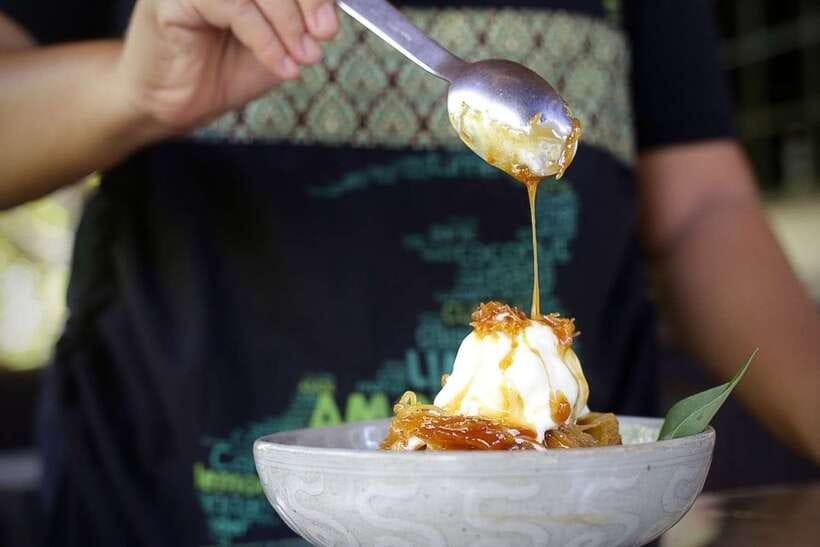
- Three dishes taught hands-on: rice paper spring rolls, Cambodian-style curry, and palm sugar bananas
- Garden pavilion cooking space built for this kind of class, not a cramped kitchen setup
- English instruction with Q&A help, plus tastings as you go
- A cookbook to take home, making it easier to cook the same dishes later
Tuk-tuk to the market: the 3-hour rhythm
This is a half-day class, set up to feel like a real local meal arc: shop first, then cook, then sit down and eat what you made. From the moment you’re picked up in Siem Reap, the schedule stays tight enough to fit into most travel days, but not so rushed that you feel herded through.
You’ll start with pickup from your hotel lobby and then ride in a tuk-tuk to the market area. The drive matters more than you might think. It gives you a quick sense of the city’s movement and keeps the day from turning into an awkward logistics puzzle. Once you arrive, you’re not just there to take photos. You’re there to learn how people buy ingredients and what matters in Cambodian cooking.
In practice, the 3-hour timing means you should come hungry and stay mentally ready to focus. You’ll do a market walk, then cooking, then tastings—so it helps to keep other plans light around the class start time.
You can also read our reviews of more tours and experiences in Siem Reap.
Market shopping with Sofia: learn ingredients, not just recipes
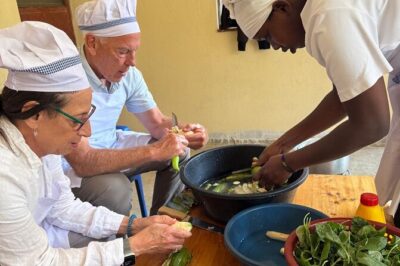
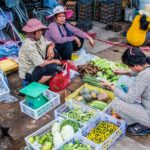
The market segment is one of the strongest parts of this experience. With Sofia as your guide, you get a guided walking tour that explains colorful produce and typical Cambodian ingredients in a way that actually connects to what you’ll cook later.
Here’s why this matters for you: most cooking classes fail at one simple thing. They teach recipes, but you still don’t know what you’re looking at. Market context fixes that. When you can identify key ingredients and understand their roles, you’re not stuck googling substitutions later.
On this market walk, you’ll learn what to choose and what makes ingredients suitable for the dishes you’re about to make—especially for dishes where texture and timing count. And because it’s guided, you don’t have to worry about missing the important stalls. You get a route and the story behind it.
One more practical note: market walks tend to be a bit more walk-and-look than sit-and-listen. Wear comfortable shoes. It’s Siem Reap, so expect heat and dust to play a role. A hat and light layers are a good idea.
The garden pavilion kitchen: where hands-on teaching actually works
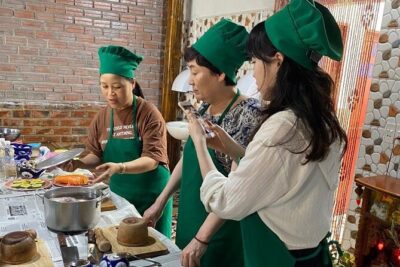
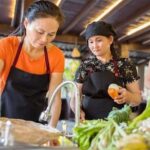
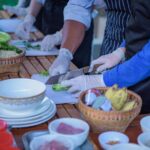
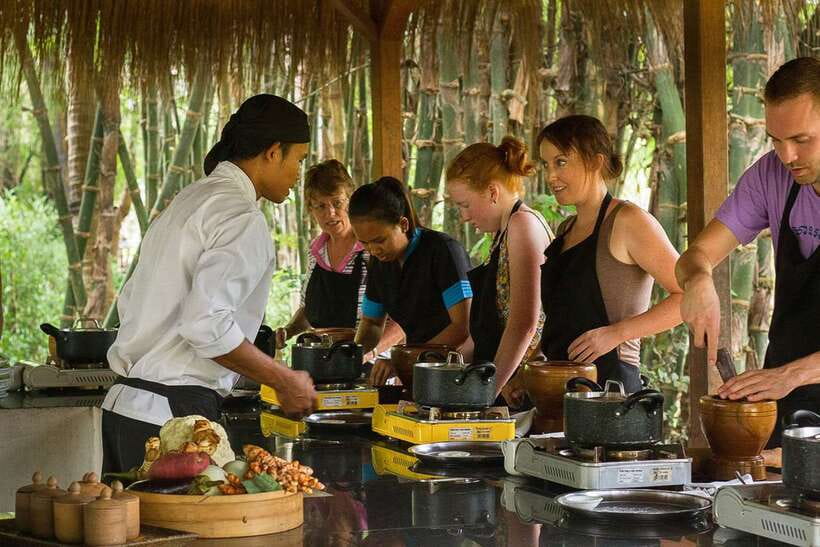
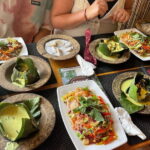
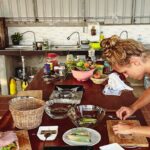
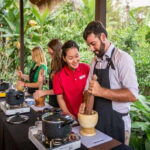
After the market, you head to a purpose-built garden pavilion for the cooking class. That detail sounds small, but it changes the whole vibe. You’re not squeezed into someone’s home kitchen. The space is set up for learning: enough room to work, enough structure to keep the group moving, and a layout that supports step-by-step instruction.
The instructor speaks English, and the pacing is designed so you can follow along without feeling lost. You’ll watch techniques, then do them. That’s the difference between a fun demo and a skill you can repeat later.
This is also where the ingredient prep really helps. The class provides ingredients so you’re not scrambling to measure or hunting down missing items. One review highlighted that ingredients were fresh and provided in the right amounts. That’s exactly what you want in a short class: fewer interruptions, fewer mistakes, and more time spent actually learning the method.
And yes, you’ll get water during the experience, which is a small comfort that matters when you’re cooking and tasting under the local heat.
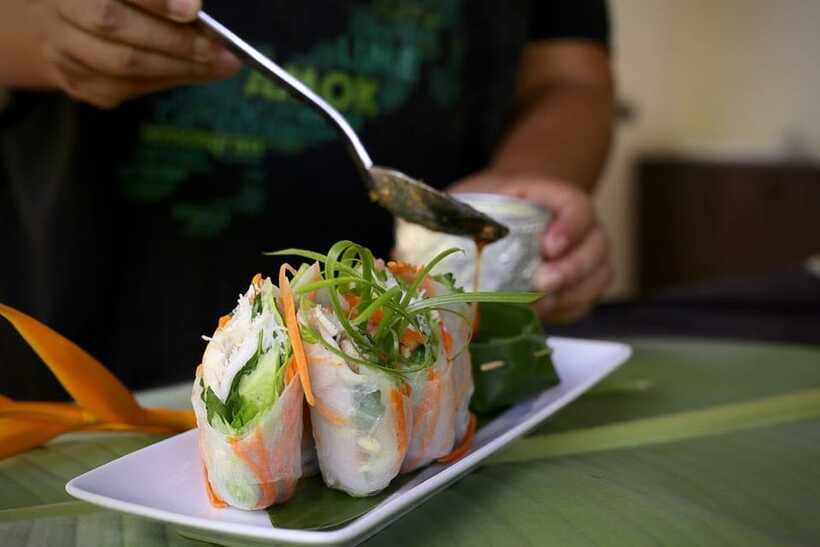
Rice paper spring rolls: the skill that makes the meal
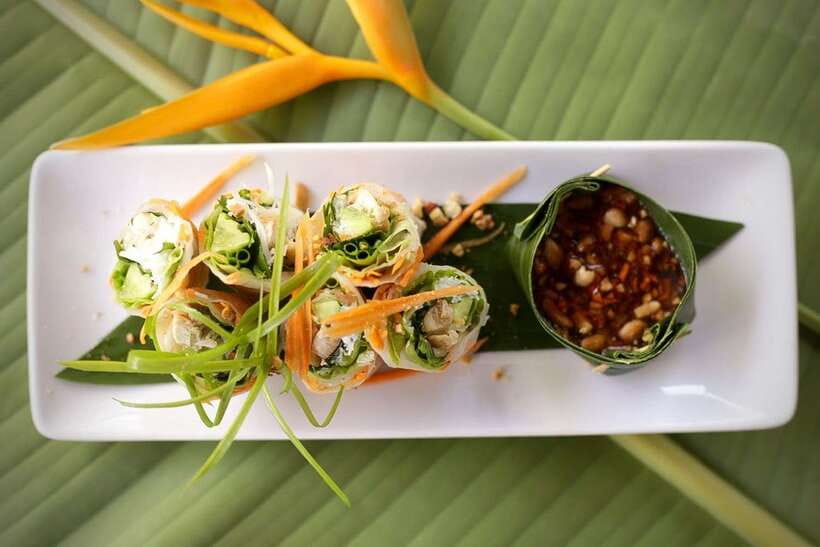
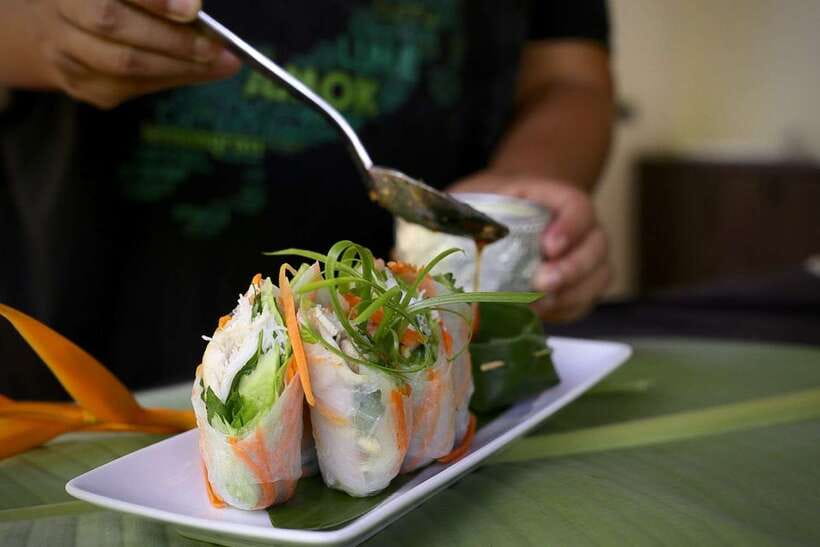
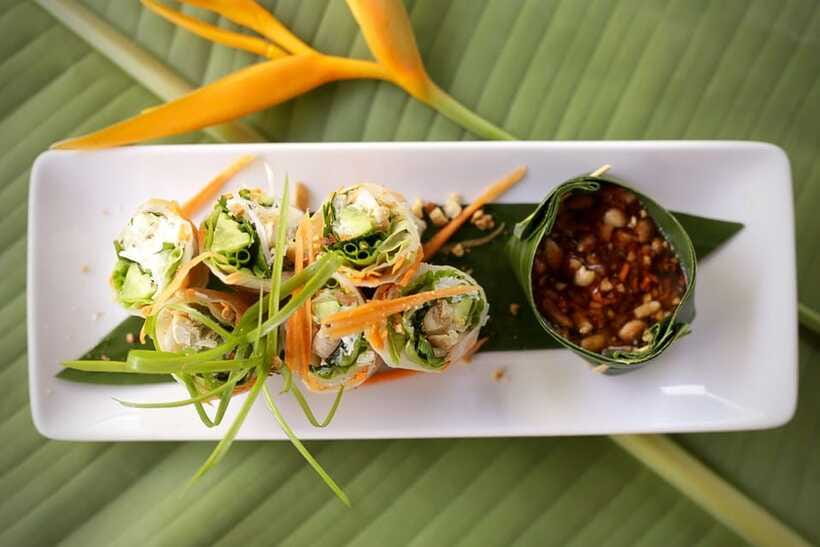
Your first main dish is rice paper spring rolls. This is a great choice for learning because rice paper can feel tricky at first—too dry and it cracks, too wet and it sticks and tears. In a good class, you don’t just get instructions. You get reps, so your hands start to understand what the right consistency feels like.
What you’re aiming for is control: dipping or handling the rice paper in a way that keeps it flexible, not fragile. The class structure helps because you’re guided through the steps as you cook, rather than being left with a vague outline.
Spring rolls also teach you something useful for Cambodian food generally: texture is part of the flavor. You’re learning how to create a filling that works inside something delicate, and how the rolling process affects the final bite.
When the spring rolls are ready, you taste what you made. That matters because it closes the loop quickly. You can immediately connect technique to result, which makes the next dish easier.
Cambodian-style curry: technique, balance, and timing
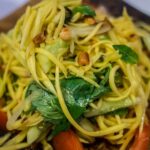
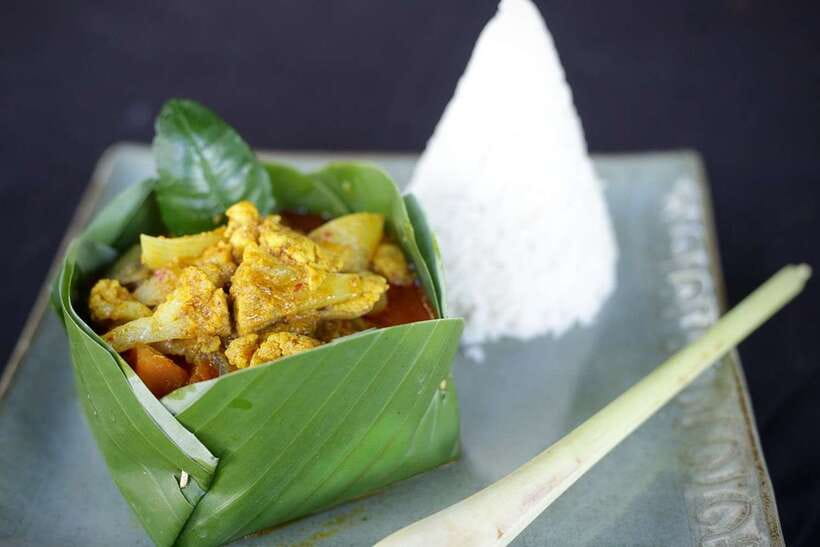
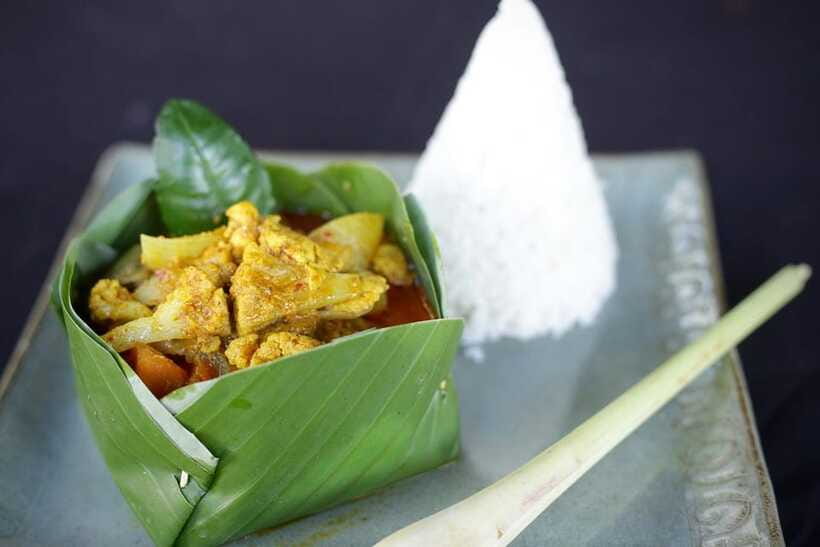
Next up is Cambodian-style curry. Curry is often treated like a single magic sauce, but in real kitchens it’s about timing and balance—especially when you’re cooking in stages.
In the class, you learn the method step-by-step and how to build the dish so it comes out flavorful, not just spicy. Curry is where you start to see the pattern in Cambodian cooking: layers of flavor built through the order you add ingredients, plus the way ingredients work together.
One reason I like teaching-style cooking classes like this is that curry forces you to pay attention. Even if you’re not a cooking nerd, you can feel when the pot is going the right direction. If you’ve ever tried to cook a curry from a recipe and wondered why it didn’t taste the same, the answer is often the process, not the ingredient list. This class focuses on process.
You’ll taste the curry you cook, which gives you a reference point for what success should feel like. That alone is worth a lot if you plan to cook again at home.
Palm sugar bananas: dessert that’s actually Cambodian
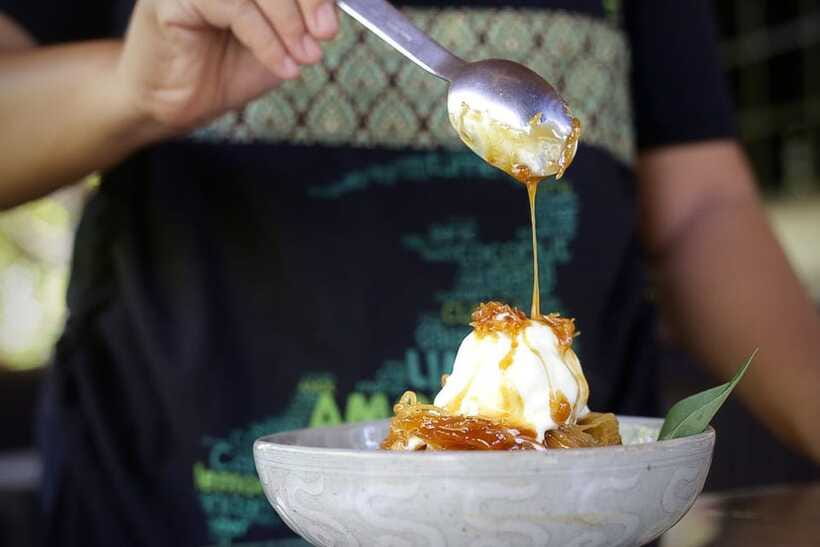
The third dish is sweet bananas in palm sugar. This is a smart add-on because it teaches you that Cambodian desserts aren’t always complicated. This one is about flavor and simplicity: sweet, aromatic palm sugar with bananas.
In a short class, it’s also a nice mental shift. You move from savory cooking energy to a sweeter finish. That change keeps you engaged and helps you end the experience with something comforting rather than another bowl of spicy food.
Palm sugar desserts also tend to feel more unique than generic sugar-and-banana combos you might find elsewhere. Even if you’re not a dessert person, the class version gives you a local reference for how sweet should taste in Cambodian cooking—warm, caramel-like, and fragrant.
What you take with you: cookbook + real understanding
At the end, you return to your accommodation in Siem Reap with the whole meal experience wrapped up. But the real takeaway is not only that you can eat. It’s that you can reproduce.
Some classes give you a few loose notes. Here, you get a cookbook that makes it easier to cook the same dishes later. That matters because a cookbook turns a one-time class into an ongoing skill. If you’ve got a kitchen at home, this is what turns your $32 into more than a memory.
Also, the instruction style is practical. If something isn’t clicking, you can ask questions and get help. That support is a big reason the class lands so high in satisfaction ratings.
Price and value: is $32 worth it?
At $32 per person for about 3 hours, the value is mostly in three places: transportation convenience, instruction quality, and learning output.
- Hotel pickup and drop-off removes a chunk of planning time and hassle.
- Hands-on instruction for three dishes is more than most short food experiences.
- Market context + a cookbook gives you usable knowledge that lasts past the meal.
The class also includes tastings and water, which keeps you from feeling like you paid mainly to snack. Instead, you cook and then eat what you made.
If you’re the type of traveler who likes to do one “local skill” activity instead of stacking museums, this is a strong choice. If you only want a quick food tasting, you might find it more than you expected, because you’re actually cooking.
Who this cooking class suits best
You’ll probably love this class if:
- You want a hands-on food experience in Siem Reap that doesn’t require you to buy ingredients on arrival
- You like the idea of learning how to shop for ingredients, not just how to follow a recipe
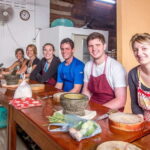
- You’re traveling with friends or family who enjoy sharing food
- You prefer a structured half-day activity with clear steps
You might skip it if:
- You’re short on time and want only tasting with minimal work
- You hate cooking actively, even when it’s guided
- You’re expecting long, slow instruction like a full-day workshop
Should you book the Siem Reap Cambodian Cooking Class?
Book it if you want a short, high-impact way to understand Cambodian flavors and come away with skills you’ll actually use. The market walk with Sofia adds depth, and the garden pavilion setup plus English instruction keeps the experience friendly and manageable. For $32, you’re paying for more than food—you’re paying to leave with a method, dishes you can repeat, and a cookbook that helps you get back in the kitchen.
If you’re still deciding, here’s my practical rule: if you can handle three dishes worth of active cooking in a single morning or afternoon, this is a great fit. If not, look for a pure tasting tour instead.
FAQ
What dishes will I learn to cook?
You’ll make rice paper spring rolls, Cambodian-style curry, and sweet bananas in palm sugar.
How long is the cooking class?
The experience runs for about 3 hours.
Does the tour include hotel pickup and drop-off?
Yes. You’ll be picked up from your accommodation and dropped off back there after the class.
Is the instruction available in English?
Yes. The instructor teaches in English.
Is this cooking class wheelchair accessible?
Yes, it is wheelchair accessible.
What’s included in the price?
The class includes cooking instruction, tastings, hotel pickup and drop-off, and water.
If you tell me your travel dates and roughly when you’ll be in Siem Reap (morning vs afternoon), I can help you figure out how to slot this into your day so it doesn’t collide with your other plans.