REVIEW · SIEM REAP
Morning Cooking Class and Market Tour in Siem Reap
Book on Viator →Operated by Village Cooking Class. · Bookable on Viator
A morning market tour plus a cooking class is a great combo. You get a calm, hands-on Khmer food lesson in a village setting, starting with a tuk-tuk ride through local stalls and ending with a meal you actually made yourself.
I especially like the way the chef connects the food to the ingredients. You’re not just copying a recipe; you’re learning what local products taste like and why people cook this way. I also love that the group stays small (up to 8), so you get real attention while you cook.
The main consideration is timing and pace: it’s a 9:30 start and about 4 hours total, and you’ll be doing some walking at the market. If heat and early mornings are a challenge, plan your day with that in mind.
In This Review
- Key Points at a Glance
- Why This Morning Cooking Class Feels More Local Than Typical Food Tours
- The 9:30 Pickup and Tuk-Tuk Ride: Simple, Early, and Efficient
- Shopping the Local Siem Reap Market With Your Chef
- Market Tip That Makes the Class Easier
- Back at the Village Cooking School: Calm Atmosphere, Hands-On Learning
- Choosing Dishes: What You’ll Cook and Why It Matters
- Cooking Skills You’ll Actually Use Later
- The Food Experience: Tasting Your Work Without the Pressure
- The People Factor: When Guides Like Ron and Tinan Help You Understand More
- Price and Value: Is $35 a Fair Deal for a Half-Day?
- Practical Stuff to Know Before You Go
- A quick checklist
- Who This Tour Suits Best
- Should You Book This Morning Cooking Class in Siem Reap?
- FAQ
- What time does the morning cooking class start?
- How long is the cooking class and market tour?
- How much does the tour cost?
- Is pickup from my hotel included?
- Do I need to bring anything for the class?
- Is the group size large?
- Do I choose what dishes to cook?
- Are bottled water and transportation included?
- What dishes are available to cook?
- What’s the cancellation policy and what if the weather is bad?
Key Points at a Glance
- Market tour with your chef: enough time to look closely, ask questions, and take photos at local vendor stalls
- Pick your dishes ahead: you receive a menu after booking, then cook those choices during the class
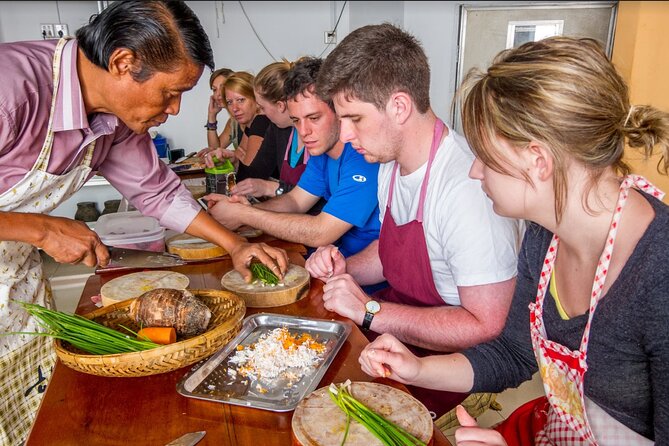
- Village-school cooking setup: hands-on work in pleasant Khmer surroundings, not a cramped classroom
- Small groups (max 8): easier for the guide and chef to help when your hands get sticky
- You leave with the recipes: a brochure with the day’s dishes (for one serving unless stated otherwise)
- Transport included: private ride pickup and drop-off, plus bottled water for the morning
Why This Morning Cooking Class Feels More Local Than Typical Food Tours
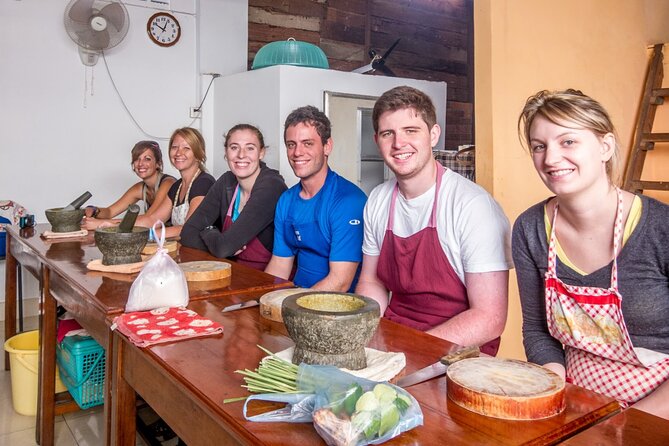
If you’re in Siem Reap and you want food that goes beyond what you can order off a menu, this kind of morning experience makes sense. You start with real ingredients at a market, then you cook the same foods back at the village cooking school. It’s an easy way to understand Khmer flavors without turning the day into a marathon.
One reason this works so well is the match between theory and practice. Your chef explains what you’re seeing in the market, then guides you as you actually prep, mix, and cook. By the time you’re tasting, the food has context, not just instructions.
Another practical win: it’s built around a small group. With a maximum of 8 travelers, you’re less likely to get shuffled to the side while everyone else cooks. You’ll probably have time to ask questions like why certain herbs are used, or what a key sauce is doing in the final dish.
You can also read our reviews of more tours and experiences in Siem Reap.
The 9:30 Pickup and Tuk-Tuk Ride: Simple, Early, and Efficient
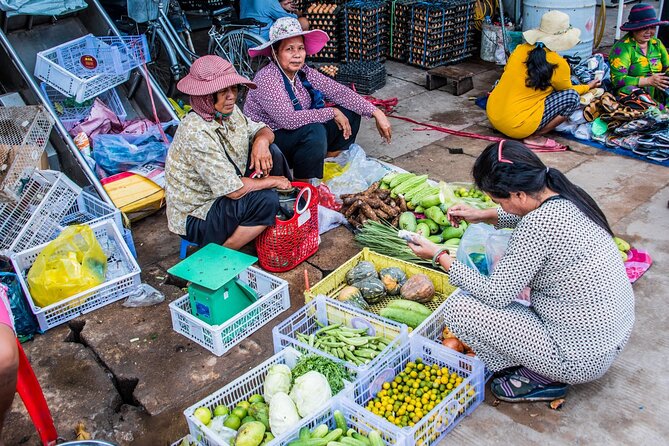
The day starts at 9:30am with pickup from your hotel. You’re in a private car with a driver, then you switch to a tuk-tuk for the market part. It’s not complicated, but it’s smart: it gets you moving early while the market is active and you’re not fighting the busiest hours.
Expect the ride to feel part of the experience. Siem Reap traffic can be chaotic, but the tuk-tuk segment is usually smoother and more fun for short distances. It also helps you shift from hotel mode to local mode fast.
You’ll also have bottled water included, which matters more than people think in the morning humidity. Bring a light layer too. Even in the morning, Khmer cooking class days can feel warm once you’re standing and walking.
Shopping the Local Siem Reap Market With Your Chef
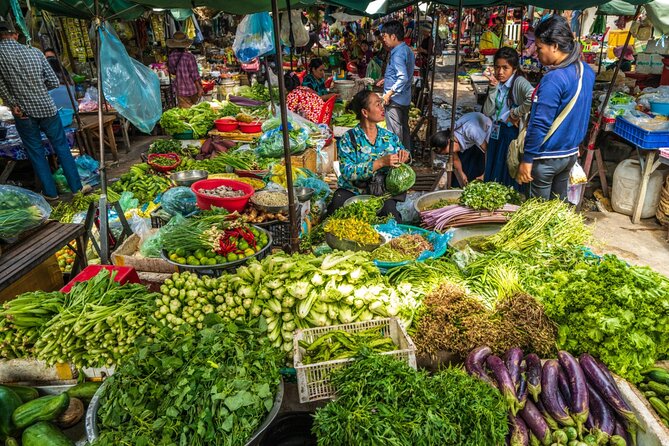
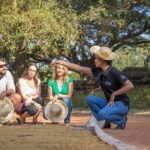
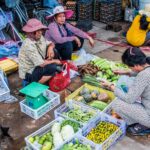
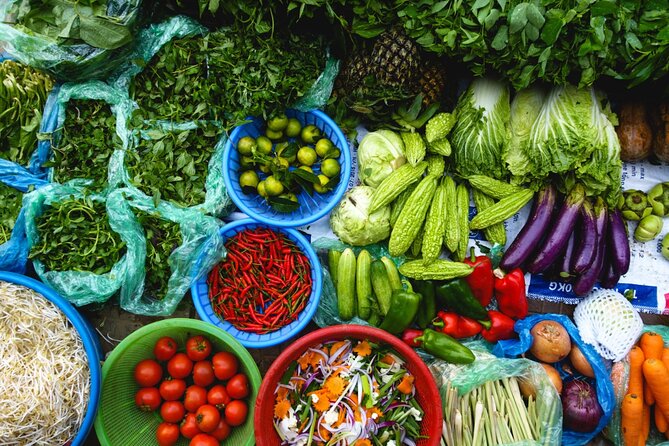
This is the heart of the morning. After pickup, you head out and begin with a local market tour guided by your chef. The chef explains local products, what’s used where, and how ingredients show up in Khmer cooking.
You’ll get time to walk and take photos. That pause matters. Market tours can become quick photo sprints, but here you have breathing room to look at spice bins, fresh produce, and the way vendors display their food.
What you’re really learning in the market is the logic of Cambodian flavors:
- how herbs and aromatics get chosen for specific dishes
- how staple ingredients like rice-based items show up again and again
- how fresh produce and dried goods exist side-by-side in the same food system
A few groups also describe seeing more rural life beyond just stalls. You might catch glimpses of countryside food production on the way through the day, such as mushroom cultivation processes or other small farm-style stops, depending on what’s planned that morning.
Even if your route stays strictly market-focused, the market still gives you the best kind of cultural information: the real everyday stuff. Food in Cambodia isn’t sealed off behind tourist walls, and that’s what makes your cooking choices feel grounded.
Market Tip That Makes the Class Easier
Before you cook, take a moment to mentally connect what you saw to what you’ll likely make. If you spot a herb or spice you recognize, you’ll feel more confident when it shows up in your recipe step-by-step later.
Back at the Village Cooking School: Calm Atmosphere, Hands-On Learning
After the market, you return to the village cooking school. This is where the experience shifts from looking to doing.
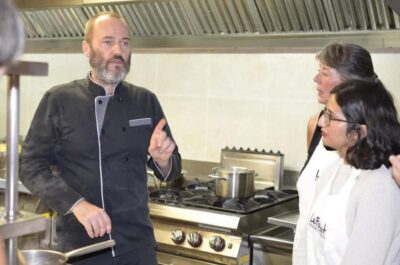
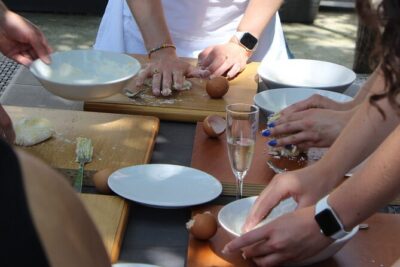
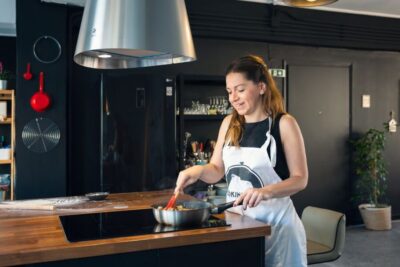
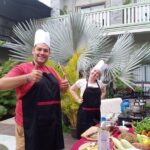
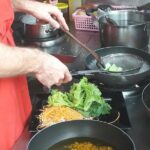
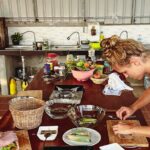
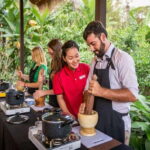
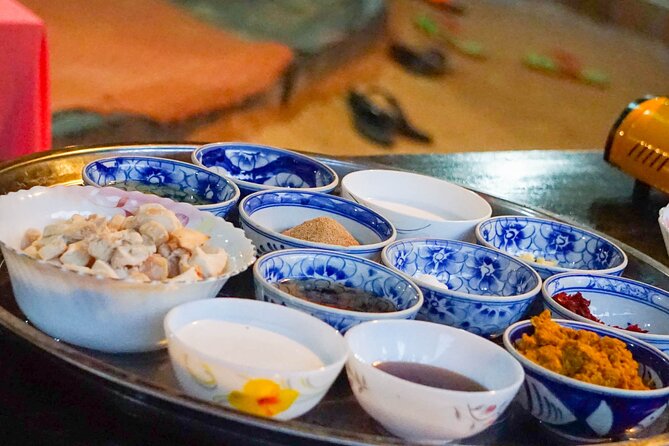
Your chef runs a cooking demonstration of the dishes you’ve chosen. You then get your own time at the station to prepare the recipes. You’re not just watching someone else work; you’re getting your hands in the dish.
One thing I like about this setup is the tone. The class is described as relaxed and casual, which is a big deal if you’re worried you’ll be slow or messy. Khmer home-style cooking is often about using good ingredients and learning the process, not about being perfect.
The school setting also helps you feel like you’re part of something communal rather than a staged show. In the end, you’re tasting what you made in pleasant Khmer surroundings, which is exactly what your money is buying.
Choosing Dishes: What You’ll Cook and Why It Matters
A cooking class is only as good as the choices you make. Here, you typically receive a menu after booking, so you can select the dishes you want to learn. This is a real value point because it lets you steer toward your tastes instead of being stuck with whatever everyone else ordered.
From the experiences described, some dishes you might cook include things like:
- amok fish (a classic Khmer-style dish)
- curry (you may learn a Khmer curry approach with fresh aromatics)
- banana dessert
The exact menu can vary, but the pattern is consistent: you’ll likely cook a mix of savory dishes and a sweet course. That balance is why the morning class feels complete, even though it’s only about 4 hours.
Even if you don’t recognize the dish names, the market tour helps. When you see ingredients in the market, you’ll start to understand what each dish is built to taste like. When the chef later demonstrates the steps, you’ll connect it to what you held and smelled earlier.
Cooking Skills You’ll Actually Use Later
Most cooking classes teach you the idea of cooking. This one tends to teach you practical habits you can reuse.
Here are the skills that tend to stick after a class like this:
- tasting as you go, not just at the end
- balancing aromatic ingredients so the flavor isn’t flat
- working with fresh herbs and spices so the dish smells right before it even hits the final texture
- understanding what a sauce or paste should do in the dish
And because you receive a brochure with the day’s recipes, you won’t rely only on memory. The recipes are for one serving unless otherwise stated, which is helpful if you cook at home and don’t want to scale everything from scratch.
If you want to recreate the meal later, having exact steps and ingredient notes is what turns a fun morning into a skill you carry home.
The Food Experience: Tasting Your Work Without the Pressure
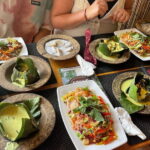
After you prepare your dishes, you sit down and taste what you cooked. That’s a simple detail, but it’s a huge part of why this format works.
You’re tasting your own output right away, while the process is still fresh in your head. That timing helps you learn what worked. If something tasted too strong, too mild, or needed more herbs, you remember that feedback during the cooking steps.
Also, cooking on-site usually means the ingredients feel fresh. Khmer cuisine relies a lot on aromatics and herbs, and freshness shows up quickly in aroma and balance.
For many people, this meal is the best part of the entire morning because it’s not just delicious. It’s satisfying in a personal way. You didn’t just order it. You made it.
The People Factor: When Guides Like Ron and Tinan Help You Understand More
A cooking class is always about the food, but in Cambodia it’s also about the stories. Several guides are named in the experiences tied to this activity, and that’s a good sign for how they teach.
Ron is mentioned as a friendly, helpful guide who explained processes patiently, including mushroom cultivation steps. Tinan is also described as taking guests through local farms and providing context before the cooking part.
Even if you don’t get the exact same guide name, you should expect a teaching style that mixes explanation with hands-on action. The goal isn’t to talk at you. It’s to make sure you know what you’re doing and why.
Price and Value: Is $35 a Fair Deal for a Half-Day?
For $35, you’re paying for more than just a recipe. You’re getting a coordinated half-day experience with:
- pickup and drop-off by private transportation
- bottled water
- market walk with a chef who explains ingredients
- hands-on cooking time in a village school setting
- a recipe brochure for the dishes you cook
- small group size (up to 8)
In plain terms, this price can feel fair if you compare it to paying for a market tour plus a separate cooking class. You’re bundling both, and you’re doing it in a way that actually teaches you something.
It’s also a good value choice if you’d rather spend $35 on a skill and a meal than on a third or fourth restaurant stop that tastes good but doesn’t teach you anything new.
If you’re hoping for a full-day experience, this may feel short. But if you’re in Siem Reap for a few days and want a memorable morning that adds depth to your food knowledge, it hits a sweet spot.
Practical Stuff to Know Before You Go
This is a morning activity and it starts at 9:30am, so plan your day so you’re not rushing from an early temple climb with no breakfast. The market walking is part of the fun, so wear comfortable shoes you don’t mind getting a little dusty.
Because the class is weather-sensitive, you should be ready for the possibility of a reschedule if conditions are poor. In many cases, the organizer will offer a different date or a refund if weather cancels the experience.
Also, this is set up for a small group, so don’t expect a big-tour machine with constant changing activities. Think of it as a focused half-day.
A quick checklist
- Comfortable walking shoes
- Light clothing for warm mornings
- A camera for the market photos
- Any allergy notes you want the chef to accommodate (if that applies to you)
Who This Tour Suits Best
This class is ideal if:
- you want Khmer home-style cooking instead of just restaurant tasting
- you like learning by doing, not by watching
- you want a smaller group experience with personal help
- you’re in Siem Reap and want one morning that adds real flavor context
It can also be a good choice for couples and solo travelers because the group stays small and the class format keeps everyone involved.
If you hate early mornings or you don’t like any walking at all, you might find the market segment a little tiring. But if you can handle a short walk with photos, you’ll likely enjoy it.
Should You Book This Morning Cooking Class in Siem Reap?
I’d book it if you want more than a generic food tour. This experience gives you the ingredients first, then the cooking, then the meal. That order makes the flavors make sense, and the recipe brochure helps you keep the lesson after you go home.
It’s also a smart value at $35 because your transportation, water, chef-led market time, and hands-on cooking are all wrapped into one half-day. Add the small group size and you get a better chance of real interaction instead of being passed along.
One last check: if you’re sensitive to heat or prefer a later start, plan your morning with care. Otherwise, this is the kind of Siem Reap day that feels practical, local, and genuinely fun.
FAQ
What time does the morning cooking class start?
The experience starts at 9:30am.
How long is the cooking class and market tour?
It lasts about 4 hours.
How much does the tour cost?
The price is $35.
Is pickup from my hotel included?
Yes. Pickup from your hotel is included, and you’ll also be dropped off afterward.
Do I need to bring anything for the class?
The tour includes bottled water, and you’ll receive a recipe brochure. You may want comfortable shoes since there’s some walking during the market tour.
Is the group size large?
No. The experience has a maximum of 8 travelers.
Do I choose what dishes to cook?
After booking, you receive a menu so you can choose the dishes you want to cook.
Are bottled water and transportation included?
Yes. Private transportation and bottled water are included, and drop-off is included.
What dishes are available to cook?
The exact dishes depend on the menu you receive after booking. Some examples mentioned include amok fish, curry, and banana dessert, but your final choices can vary.
What’s the cancellation policy and what if the weather is bad?
You can cancel for a full refund up to 24 hours in advance. If it’s canceled due to poor weather, you’ll be offered a different date or a full refund.