REVIEW · SIEM REAP
Cambodian Private Cooking Class at a Local’s Home
Book on Viator →Operated by Angkor Focus Travel · Bookable on Viator
Spice lessons start in a Siem Reap market. This private Khmer cooking class pairs a guided ingredient hunt with hands-on cooking at a local-style kitchen, so you learn why the flavors work, not just what to order. I like that the market portion is practical, and you’re picking the real ingredients you’ll use later in the meal at the heart of the experience.
What I really love is the focus on Khmer spice technique—the kind of step-by-step guidance that helps you cook things like fish amok curry with confidence. You’ll also get pickup by tuk-tuk (Romork) and a tidy round-trip flow, which matters when you’re only in Siem Reap for a short time.
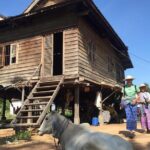
One possible drawback to keep in mind: the activity is marketed as a local’s home, and one review noted the cooking spot wasn’t strictly a home setting. It can still be clean and comfortable, but I’d set your expectations as home-style cooking rather than a specific private residence tour.
In This Review
- Key highlights worth your time
- Khmer cooking in Siem Reap: why this beats guessing in restaurants
- The market walk: fresh ingredients and how cooks actually shop
- Private class at a local-style kitchen: what the 3 hours really feel like
- The dishes: fish amok curry, tom yum soup, and more you can repeat
- Spice technique: how the guide helps you avoid bland or over-seasoned food
- Transfers by tuk-tuk (Romork): small detail, big relief
- Price and value: $33.13 for hands-on food with a local guide
- Clean facilities versus true home setting: how to set expectations
- Who this Siem Reap cooking class suits best
- Quick checklist before you go
- Should you book this Khmer cooking class in Siem Reap?
- FAQ
- How long is the Cambodian private cooking class in Siem Reap?
- Is hotel pickup and drop-off included?
- What will I cook and eat during the class?
- Does the price include the market visit and ingredients?
- Is this a private tour or shared with other groups?
- Is beer or wine included with the meal?
- What happens if the weather is bad?
Key highlights worth your time
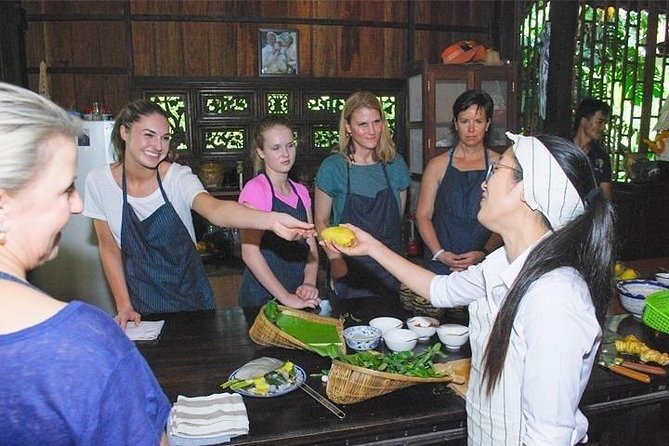
- Market shopping for real Khmer ingredients: You walk around and learn what to look for before you cook.
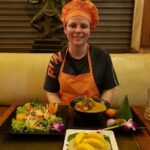
- A true hands-on session: You don’t just watch. You help make and taste multiple dishes.
- Spice secrets, not guessing: Expect guidance aimed at fish amok curry, and also soups like tom yum.
- Guides with personality: Sivorn stood out as funny and engaging in at least one booking experience.
- Clean, well-run setup: Even when it’s not a classic house, the kitchen experience is typically organized.
Khmer cooking in Siem Reap: why this beats guessing in restaurants
Siem Reap is famous for temples. But food is the other side of Cambodia, and it’s where you can taste the country’s balance of sweet, sour, salty, and spicy. This class is built for that. You start with ingredients, then move straight into cooking, then you eat what you made.
The big value here is that you’re learning Khmer cooking as a process. That means you’re not just memorizing a dish name like fish amok curry or tom yum soup. You’re understanding how to handle spices, herbs, and core flavor combos—so later, when you order the same dishes in a restaurant, you’ll notice what you actually learned.
Also, this is private, so you’re not packed in with strangers. Only your group participates. In a cooking class, that makes a difference. You can ask questions, adjust pacing, and get help as you work.
You can also read our reviews of more tours and experiences in Siem Reap.
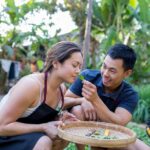
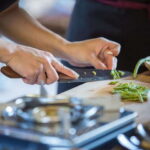
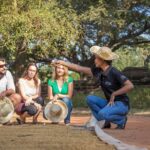
The market walk: fresh ingredients and how cooks actually shop
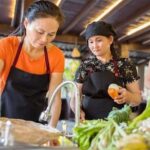
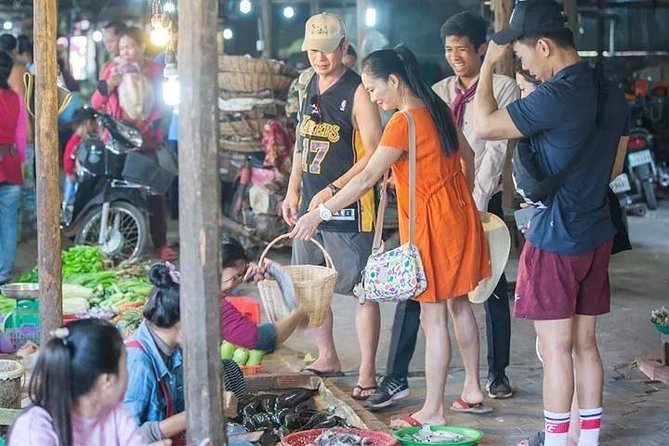
The class starts with a visit to a local market where your guide helps you choose ingredients. This is the part that can turn “I like Khmer food” into “I understand it.” Markets are where Khmer cooking begins—at least the way you’ll learn it here—because freshness affects everything: aroma, texture, and how the sauce carries flavor.
You’ll be guided through the items that show up in the dishes you’ll cook later. Think fish, herbs, and vegetables that go into creamy curries and bright soups. Even if you don’t buy anything beyond what you’ll use in class, the walk helps you recognize what’s essential versus what’s just optional garnish.
One detail that stood out for me: the market portion isn’t framed like sightseeing. It’s framed like prep. That means you’re paying attention to what you’ll actually use. That’s when the cooking makes sense.
A practical note: the experience is near public transportation, but you don’t need to rely on it because pickup and drop-off are included by tuk-tuk (Romork). Still, being near transit can be useful if you want flexibility.
Private class at a local-style kitchen: what the 3 hours really feel like
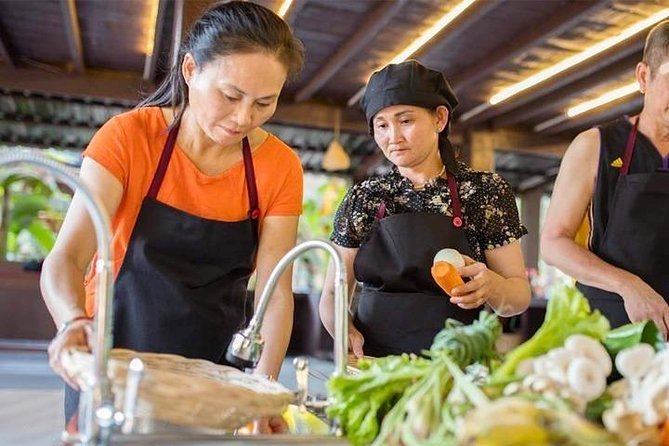
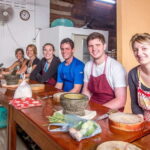
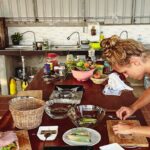
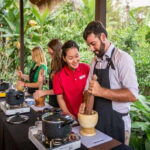
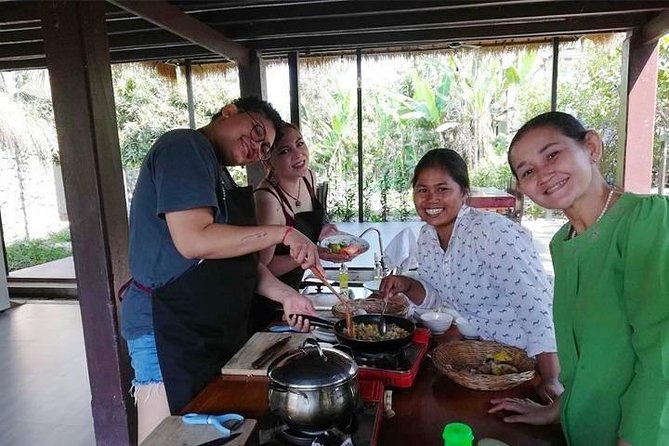
After the market, you head to the cooking location for the private cooking class. The duration is about 3 hours (approx.), and that time is spent with a clear purpose: learn steps, cook multiple dishes, and eat.
Here’s what you should expect in the real-world pacing:
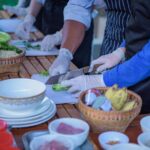
- You’ll get ingredient setup and start cooking with guided help.
- You’ll prepare and cook enough to eat.
- You’ll leave with the “how” behind the flavors.
The experience includes an experienced local host/guide and ingredients for your dishes. That removes the usual headache of cooking classes in places like Siem Reap, where sourcing can feel like a second tour.
And yes, you’ll be eating during the session. Included is lunch, plus the 3-course meal made from what you prepare. Some classes in the region combine multiple small plates into courses, and this one follows that idea by also having you cook and eat four separate dishes. If you’re wondering whether that’s too much food: it’s not. The dishes are meant to be shared across the meal structure.
The dishes: fish amok curry, tom yum soup, and more you can repeat
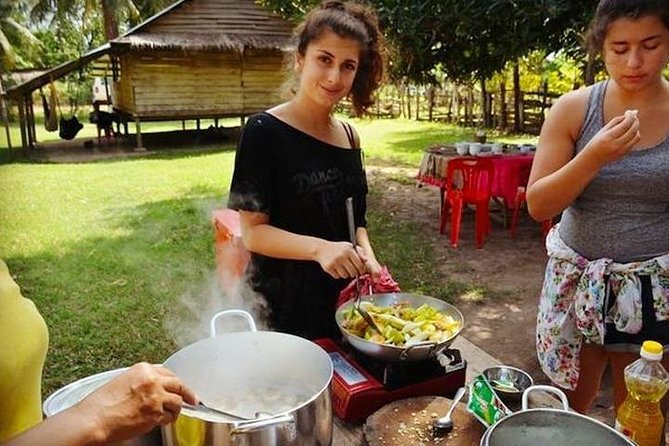
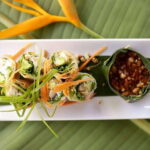
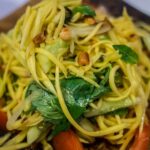
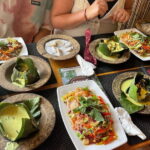
This class focuses on Khmer dishes with strong flavor identity. From the info and dish lists provided, you’ll cook and eat items such as fish amok curry and tom yum soup. You may also see options like banana flower salad and a banana sago dessert, depending on what’s included for your session.
Let’s talk about why these dishes are a smart choice to learn:
- Fish amok curry teaches you how Khmer curries get their character—creamy texture, aromatics, and that signature balance of seasoning.
- Tom yum soup is about learning how sour and spicy work together, and how herbs and spices change the scent of a broth.
- Banana flower salad brings a different skill set: it’s about handling fresh ingredients and getting the dressing right.
- Banana sago dessert adds a sweet finish that’s not just sugar. It’s about texture and subtle flavor.
One review also mentioned you can adjust for dietary preference, like avoiding coriander for a partner. That’s a big deal. It means the host isn’t locked into one rigid recipe for everyone, which is common in places where cooking is truly family-based.
Spice technique: how the guide helps you avoid bland or over-seasoned food
A Khmer cooking class can go two ways: you either follow vague instructions and hope, or you get clear guidance. This one leans toward the clear steps. One review highlighted that the cook explained the steps very well, and the result was food that tasted great.
What “spice secrets” means in practice is simple: you’ll learn how to build flavor in stages. That helps you avoid two common beginner problems:
- seasoning too late (and missing the chance to let flavors bloom)
- seasoning all at once (and losing control of balance)
When the guide shows you how to work with spices for dishes like fish amok curry and soups like tom yum, you’re picking up transferable technique. Later, when you cook at home—or even just order—your palate starts to recognize what should be fragrant, what should be sour, and what should be creamy.
And if you happen to get a guide like Sivorn, expect energy. One booking described Sivorn as funny and fun, which matters because cooking classes are more enjoyable when the room feels relaxed.
Transfers by tuk-tuk (Romork): small detail, big relief
Logistics can ruin a half-day. Here, the experience is designed to be easy. Hotel pickup and drop-off by tuk-tuk (Romork) is included, so you don’t waste time arranging rides or worrying about where you’ll meet.
That matters in Siem Reap because travel time can feel unpredictable if you’re bouncing between tuk-tuk lines, side streets, and heat. With pickup handled, you can focus on the market, the cooking, and not thinking about directions.
Also, it’s a private tour/activity, so your timing can fit your group better. In other words, you’re less likely to feel rushed by someone else’s pace.
Price and value: $33.13 for hands-on food with a local guide
At $33.13 per person, you’re paying for a full, guided food experience—not just a cooking demo. Here’s what you’re getting for that price:
- You cook and eat a 3-course meal (based on what you prepare)
- You visit a local market with a guide
- You get hotel pickup and drop-off by tuk-tuk (Romork)
- Ingredients are included
- Bottled water is included
- Your host/guide is experienced
The main reason this can be good value is that you’re not paying for entertainment alone. You’re paying for learning plus a real meal. Cooking classes often charge heavily, and many of them still feel like “watch and snack.” This one is more hands-on and structured around multiple dishes.
One line to note: beer and wine are not included. That’s normal for a lot of cooking classes, but if you’re thinking of pairing alcohol with lunch, you’ll need to plan for it separately.
Clean facilities versus true home setting: how to set expectations
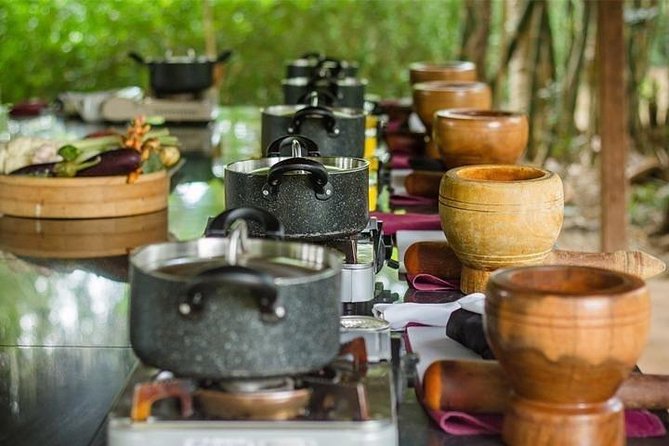
The name of the experience leans into local home cooking. But at least one review flagged that the location wasn’t strictly in a local home as expected. Still, the same review said the facility was clean and modern, and the food tasted wonderful.
So how should you think about it? I’d treat this as home-style cooking with local guidance. Your core experience—the market walk, ingredient prep, hands-on class, and the food you eat—should still deliver.
If “house in a neighborhood” is your top priority (more than food and technique), you might want to confirm what the cooking location looks like for your specific booking. But if your goal is learning Khmer dishes and actually eating what you cook, the setup is still built to work.
Who this Siem Reap cooking class suits best
This is a great fit if you want:
- A practical food experience instead of only temple-and-restaurant stops
- Hands-on cooking with a guide who explains steps
- Learning dishes with strong identity, like fish amok curry and tom yum soup
- A session that’s short enough for a half-day plan (about 3 hours)
It’s also a good choice if you’re traveling as a pair or small group and want the feel of a private lesson. Private means only your group participates, and that usually improves the quality of help you get.
If you’re hard to please with food classes that feel staged, you may appreciate the market ingredient hunt and the way the meal is built around what you cook.
Quick checklist before you go
A few practical tips to make the most of your Khmer cooking class:
- Wear comfortable clothes you can move in. You’ll be cooking and handling ingredients.
- Bring a light layer. Kitchens and vehicles can feel different once you’re moving from market to cooking space.
- Have a clear idea of what you want to learn. If fish amok curry and tom yum are on your must-eat list, you’ll be in the right place.
- If you have a food preference (like coriander-free), tell the host during the session so adjustments can be made.
Should you book this Khmer cooking class in Siem Reap?
I’d book it if you want a real Khmer-food skill, not just a meal. The combination of a guided market walk, an experienced local host, hands-on cooking, and a served meal you made yourself is the core strength. At $33.13, it also feels like a fair deal for what’s included: pickup by tuk-tuk (Romork), ingredients, and lunch.
I’d think twice only if your idea of value is tied to a very specific “private home” setting. One review suggested it may be more modern than expected. But if you’re there for Khmer cooking technique and dishes like fish amok curry and tom yum soup, home-style comfort plus strong guidance should still make it worth your time.
FAQ
How long is the Cambodian private cooking class in Siem Reap?
It lasts about 3 hours (approx.).
Is hotel pickup and drop-off included?
Yes. You get hotel pickup and drop-off by tuk-tuk (Romork).
What will I cook and eat during the class?
You’ll prepare and eat four separate dishes, and the meal is served as a 3-course meal. Dishes mentioned include fish amok curry, tom yum soup, banana flower salad, and banana sago dessert.
Does the price include the market visit and ingredients?
Yes. The experience includes a local market visit with a local guide and includes the ingredients for your dishes.
Is this a private tour or shared with other groups?
This is private. Only your group will participate.
Is beer or wine included with the meal?
No. Beer and wine are not included.
What happens if the weather is bad?
The experience requires good weather. If it’s canceled due to poor weather, you’ll be offered a different date or a full refund.