REVIEW · SANTA CRUZ LA LAGUNA
Lake Atitlan Maya Kitchen: 3-Hour Cooking Class
Book on GetYourGuide →Operated by Los Elementos Adventure Center · Bookable on GetYourGuide
Cooking in a lakeside home changes your mindset. The Lake Atitlan Maya Kitchen 3-hour class in Santa Cruz la Laguna is interesting because you get hands-on cooking while learning how Mayan culture and Spanish colonial influence shaped local food. I like that the instructor demonstrates each recipe with clear explanations, then you cook. I also like the plated 3-course lunch you eat right after, overlooking Lake Atitlan. The main drawback to think about is logistics: transportation to Santa Cruz la Laguna is not included, and it is not suitable for wheelchair users.
This is also not just a food lesson. The class is taught by cooks linked to the local nonprofit Amigos de Santa Cruz, and proceeds support community education and economic empowerment programs in Santa Cruz La Laguna. In past sessions, names like Alfredo and Alicia (and even Santiago in some classes) have run the show, with English instruction available.
In This Review
- Key Things That Make This Cooking Class Work
- Lake Atitlan Maya Kitchen: A Cooking Class With Real Local Meaning
- What a 3-Hour Class Feels Like: The Flow From Welcome to Lunch
- The Food Lesson: Mayan and Spanish Colonial Influences in Practice
- Your Instructor: Alfredo or Alicia (and English Support)
- Lunch on the Patio: Part of the Lesson, Not an Add-On
- Price and Value: Why $70 Can Make Sense Here
- Location Reality: Santa Cruz la Laguna and Getting There
- Who This Cooking Class Is Best For (and Who Might Want Another Option)
- Quick Tips to Get the Most From Your Class
- Should You Book Lake Atitlan Maya Kitchen?
- FAQ
- What is included in the Lake Atitlan Maya Kitchen cooking class?
- How long is the cooking class?
- How much does the class cost?
- What dishes will I cook?
- Is lunch included?
- Do I need to arrange transportation to Santa Cruz la Laguna?
- Is the class suitable for wheelchair users?
- FAQ
- What languages are used during the class?
- Can I book a private cooking class?
- Are pets or smoking allowed?
Key Things That Make This Cooking Class Work
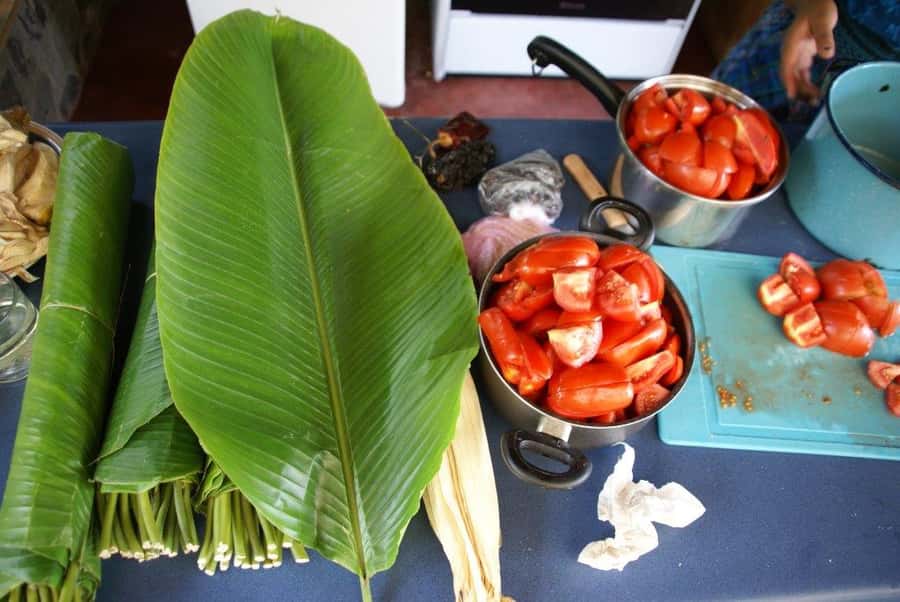
- Hands-on practice with up to 3 dishes, not just watching
- Recipe explanations as you cook, so you can repeat the food later
- A plated 3-course lunch on the patio, with Lake Atitlan views
- Instructors tied to the Amigos de Santa Cruz program, so your money supports the community
- Clear language support in English, with some instructors also using Spanish
- Small-group, cozy setting, including welcoming moments described as being treated like family
Lake Atitlan Maya Kitchen: A Cooking Class With Real Local Meaning
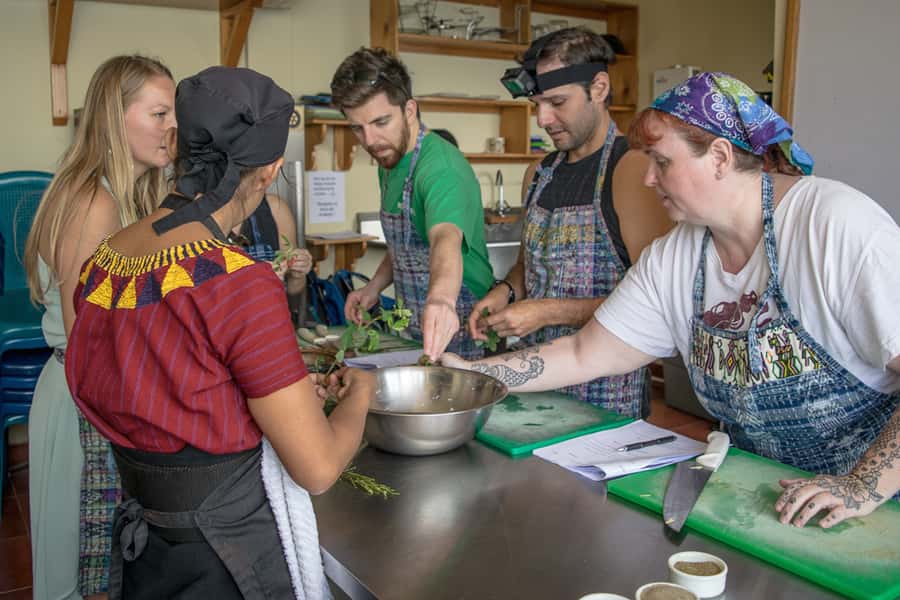
A good cooking class does two things. First, it teaches you technique. Second, it helps you understand why the food matters where it comes from.
At Lake Atitlan Maya Kitchen, you’re learning Guatemala’s food culture through the mix of Mayan traditions and Spanish colonial-era influence. That matters because you’re not just copying recipes. You’re connecting flavors, ingredients, and methods to a place and a story. You’ll prep and cook up to three authentic Guatemalan dishes during the 3 hours, guided step-by-step.
And then there’s the simple, practical part that I love: you eat what you cook. The class isn’t a take-a-photo-and-leave situation. It ends with a plated 3-course lunch on the patio overlooking Lake Atitlan, so your work turns into a real meal right away.
What a 3-Hour Class Feels Like: The Flow From Welcome to Lunch
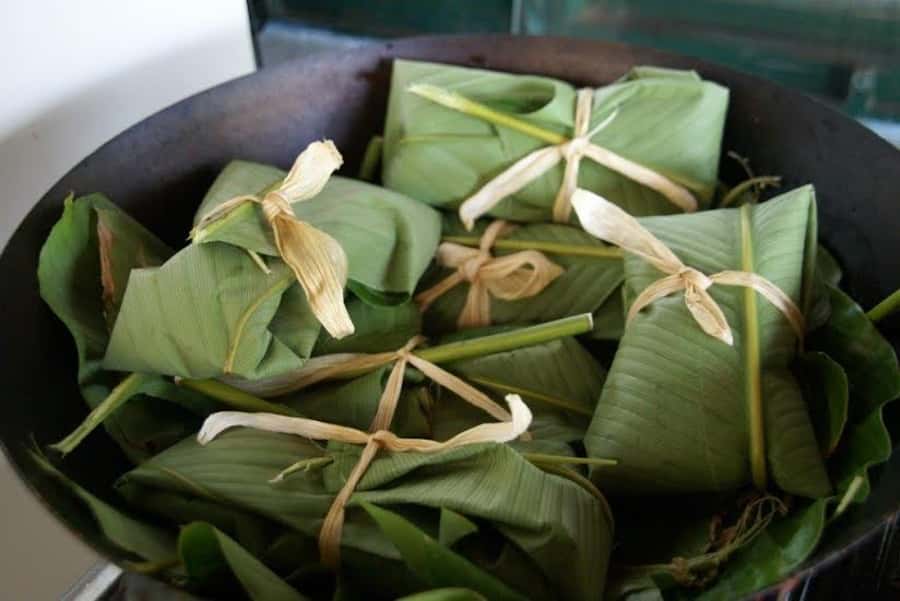
The class runs for three hours, and it keeps a steady rhythm: learn, cook, eat, then leave with printed recipes.
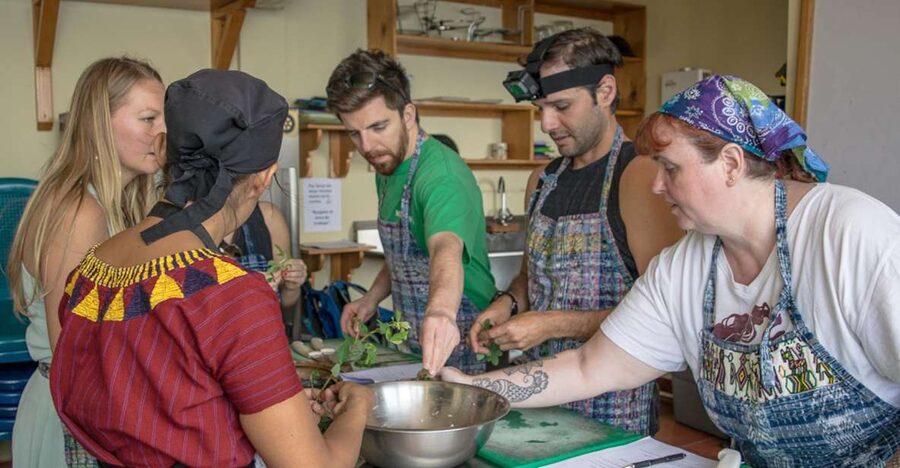
You’ll start with instruction and demonstrations. The instructor shows each recipe’s preparation with explanations about ingredients and the process. This is the part that helps you avoid that common problem where you can follow steps but can’t recreate them later. Here, the goal is that you understand what you’re doing and why.
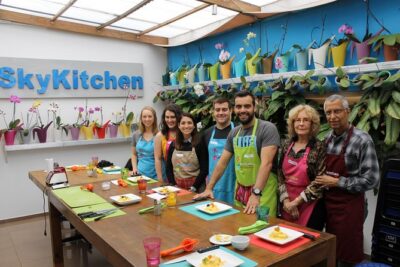
Then comes the hands-on time. You’ll prepare up to three dishes during the session. In other words, you’re not relegated to chopping while someone else cooks everything. The idea is participation. Past participants have specifically praised how instructors (including Santiago in one session and Alicia in another) allowed people to be hands-on.
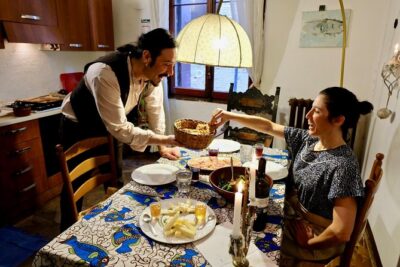
Finally, you sit down to a plated 3-course lunch on the patio. You get to enjoy what you prepared with the group in a cozy dining room setting. One review mentioned being welcomed into their home and made to feel part of the culture, which lines up with the intimate, personal vibe described for the experience.
At the end, you take home a printed copy of the recipes you cooked. That’s a big practical win. If you’re worried you’ll forget steps after returning home, this gives you something tangible to use.
The Food Lesson: Mayan and Spanish Colonial Influences in Practice
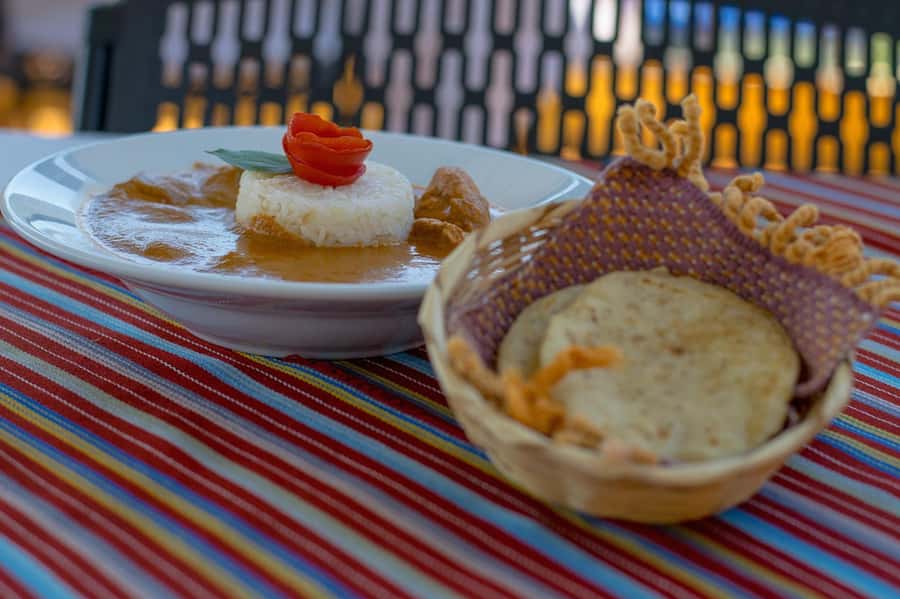
The class centers on how Mayan culture and Spanish colonial influence produced a variety of dishes in Guatemala. You can think of it as learning cuisine through layers.
Mayan influence is often about local ingredients, inherited methods, and long-standing food traditions tied to the region. Spanish colonial influence reflects new cooking approaches and ingredients that later became part of everyday food culture. In the classroom, that history shows up as flavors and techniques you’re using in your own cooking process.
What I like is that this isn’t taught as a lecture. The cultural context is delivered while you’re actively working with food. That’s what turns “history” into something you can remember, because you can connect it to what you tasted and made.
Your Instructor: Alfredo or Alicia (and English Support)
This class is taught by Alfredo or Alicia. Both are graduates of the Amigos de Santa Cruz culinary program. The program connection is important for two reasons:
- You’re working with local talent rather than a rotating team from somewhere else.
- Your class payment supports education and economic empowerment programs in Santa Cruz La Laguna through Amigos de Santa Cruz.
Language support is also built in. Instructors can speak English or Spanish, or some combination of both, and the class is offered with English instruction. In one review, an English guide role showed up in the experience, and the session included explanations in a way that made the food and culture easier to follow.
If you prefer English, this setup should feel comfortable. If you speak Spanish, you might catch extra context depending on the instructor.
Lunch on the Patio: Part of the Lesson, Not an Add-On
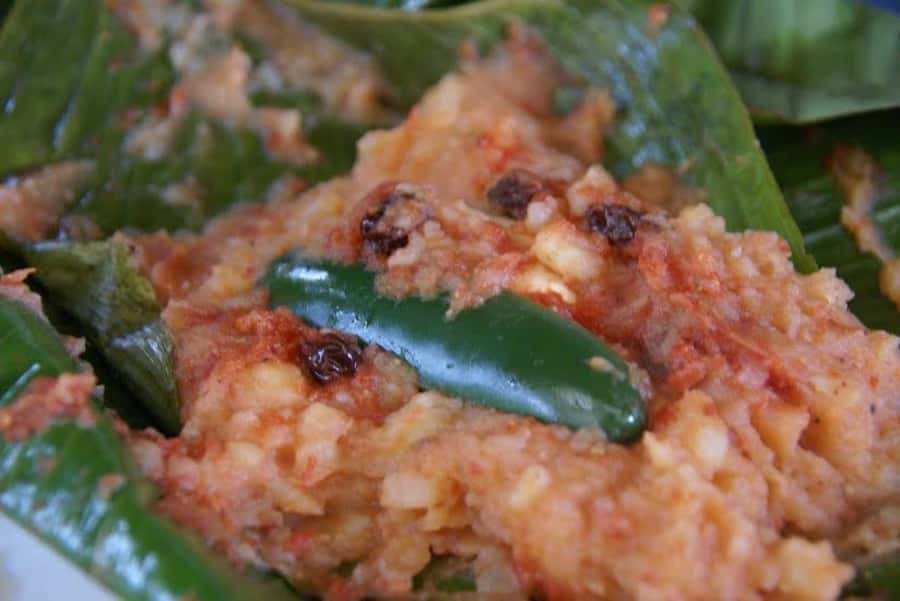
A plated 3-course lunch included in the 3 hours changes the math of the experience. You’re not spending the afternoon cooking and then hoping to find something nearby that matches what you just learned.
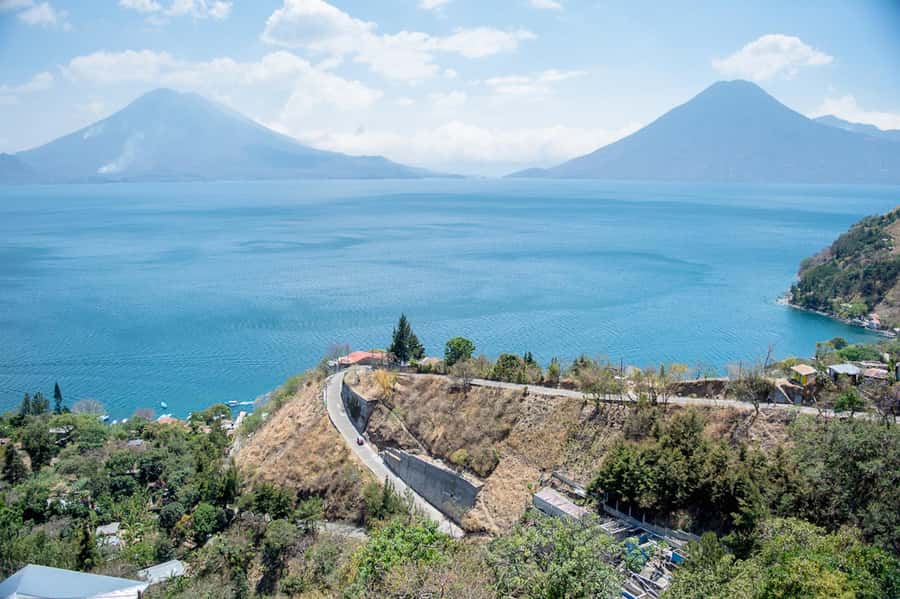
Here, the lunch is part of the structure. You cook, you eat, and you get the satisfaction of experiencing the flavors you created with the group. The setting is also a huge bonus: the patio overlooks Lake Atitlan. That view is not just decoration. It makes the meal feel like a reward for your effort.
One of the best ways to judge a cooking class is to ask: do I want to eat what I made? In this case, you do more than want to. It’s built into the schedule.
Price and Value: Why $70 Can Make Sense Here
At $70 per person for a 3-hour class, it’s not an impulse price. But the value holds up when you look at what you actually get:
- Instruction plus hands-on cooking for up to three authentic dishes
- A plated 3-course lunch you eat after cooking
- A printed recipe handout for the dishes you made
- A direct community link through Amigos de Santa Cruz, which funds education and economic empowerment programs in Santa Cruz La Laguna
The value isn’t only the food. It’s the combination of learning + meal + resources you can reuse at home + local impact. If you want a souvenir, go shopping. If you want skills and a story tied to place, this class is priced in a way that fits that goal.
Location Reality: Santa Cruz la Laguna and Getting There
The class is located in Santa Cruz la Laguna, Sololá Department. Transportation to and from the class is not included, so you’ll want to plan for how you’ll reach the meeting point.
This matters because Lake Atitlan is a lake setting, and getting around can involve boats depending on where you’re staying. One negative experience mentioned a mismatch around reservation timing after arriving by private boat, where the class started at 11 instead of 10. I can’t predict your exact situation, but I would treat it as a reminder to confirm the start time clearly before you leave your lodging and to aim for arrival early, not at the last minute.
Also note: pets are not allowed and smoking is not allowed. And the experience is not suitable for wheelchair users.
Who This Cooking Class Is Best For (and Who Might Want Another Option)
This class is a strong fit if:
- You want a practical cooking skill, not just a cultural talk
- You like hands-on learning and want to cook multiple dishes in one short session
- You care about supporting local communities through a real nonprofit connection
- You want to experience Lake Atitlan from inside everyday life, not only from viewpoints
You might look at other options if:
- You cannot manage travel to Santa Cruz la Laguna on your schedule
- Mobility needs mean you might require wheelchair accessibility, since this class isn’t suitable for wheelchair users
- You dislike cooking sessions where you’re expected to actively participate
Quick Tips to Get the Most From Your Class
Here’s how to set yourself up for success based on how the experience is structured:
- Go in with an appetite for learning: you’ll cook up to three dishes, so plan on being actively involved.
- Ask questions during demonstrations: the instructor explains ingredients and process, which is where you’ll get the “I can recreate this” payoff.
- Use the printed recipes later: the handout is the practical bridge between this class and your next meal at home.
- Confirm timing and arrival plans: the one complaint about a start-time/reservation mix-up is a good reason to double-check details and arrive early.
Should You Book Lake Atitlan Maya Kitchen?
If your goal is authentic, hands-on food learning with a community connection, I think this is a great choice. The combination of cooking up to three dishes, an instructor-led explanation style, and a plated 3-course lunch on the patio makes the three hours feel purposeful rather than rushed.
Book it if you want practical skills, lake-view ambiance, and a chance to eat what you cooked. Skip it only if transportation to Santa Cruz la Laguna is a deal-breaker for you or if wheelchair accessibility is required.
FAQ
What is included in the Lake Atitlan Maya Kitchen cooking class?
The class includes instruction and the opportunity to enjoy the dishes you prepare, plus a printed copy of the recipes you cooked.
How long is the cooking class?
It runs for 3 hours.
How much does the class cost?
The price is $70 per person.
What dishes will I cook?
You’ll have lots of hands-on time preparing up to 3 authentic Guatemalan dishes.
Is lunch included?
Yes. A plated 3-course lunch is included on the patio overlooking Lake Atitlan.
Do I need to arrange transportation to Santa Cruz la Laguna?
Yes. Transportation to and from the class is not included, and the class is located in Santa Cruz la Laguna.
Is the class suitable for wheelchair users?
No. The experience is not suitable for wheelchair users.
FAQ
What languages are used during the class?
The instruction is available in English, and instructors may also speak Spanish or a mix of both.
Can I book a private cooking class?
Private classes can be arranged for individuals, in addition to shared small-group classes.
Are pets or smoking allowed?
Pets are not allowed, and smoking is not allowed.