REVIEW · SIGIRIYA
Organic Cooking Class Sigiriya TASTY TASKS
Book on Viator →Operated by TASTY TASKS COOKING CLASS · Bookable on Viator
Hands-on curry beats any food tour. I like how this class turns you into the cook, not a spectator, with fresh garden produce and clay pot technique. The main catch is that private transport isn’t included, so you’ll want to plan for the meeting point area (pickup may be offered, but you shouldn’t assume it’s door-to-door).
You’ll start in a warm, local home with a welcome herbal drink, then get your bearings with Sri Lankan spices before you start cooking. The small size matters here too: the group is capped at 15, so you’re more likely to actually do things—stir, grind, taste, and adjust—rather than just watch from the side.
The session runs about 3 hours, and it’s scheduled in several daily windows. That’s great for fitting around your Sigiriya plans, but you’ll want to choose your time slot carefully so you don’t feel rushed before (or after) the feast.
In This Review
- Key Highlights You’ll Care About
- Why a Sigiriya Cooking Class Beats Another Food Stop
- Welcome Drink, Spice Intro, Then You’re Cooking
- The “Why” Behind Turmeric, Moringa, and Cinnamon
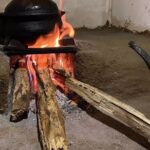
- Cooking on Clay Pots and a Firewood Stove
- Dishes You’ll Make (And What Each One Teaches)
- Parippu (Red Lentil Curry)
- Pol Sambol (Coconut Salad)
- Jackfruit or Mango Curry
- Pol Roti (Coconut Flatbread)
- Halapa (Sweet jaggery and kurakkan leaf snack)
- Brinjal Moju (Spicy-sweet eggplant pickle)
- Steamed Rice with traditional accompaniments
- The Feast Part: Big Flavor, Big Portions
- Price and Value: Is $38 Worth It?
- Logistics That Actually Matter in Real Life
- Who Should Book This Class in Sigiriya
- Should You Book Organic Cooking Class Sigiriya Tasty Tasks?
- FAQ
- How long is the Organic Cooking Class in Sigiriya?
- Is pickup available?
- What’s included in the price?
- Is the meal vegetarian or vegan-friendly?
- Where does the class start and end?
- What is the cancellation policy?
Key Highlights You’ll Care About
- Belimal with Hakuru welcome drink: a sweet, herbal start with dried belimal flower tea and natural palm sugar
- Clay pots, coconut spoons, and firewood stove cooking: you’ll learn the traditional methods, not just the recipes
- A full meal you help create: vegetarian and vegan-friendly, with multiple dishes in one sitting
- Spice education tied to everyday ingredients: turmeric, moringa, and cinnamon come with practical context
- Interactive, hands-on format: you participate in preparing several curry dishes from scratch
- Small group size (max 15): it’s designed for better instruction and less waiting
Why a Sigiriya Cooking Class Beats Another Food Stop
Sigiriya is famous for views and rock-top history, but your best memory is often something smaller and more hands-on. This cooking class in Sigiriya is built for that exact reason: it’s not just about eating Sri Lankan food—it’s about learning how the flavors come together, step by step.
The value is in the structure. You’re welcomed with a traditional herbal drink, then you move straight into ingredient prep and cooking. You get to work with tools and heat sources that feel like village life: clay pots, coconut spoons, and a firewood stove setup. If you’ve ever wondered what makes Sri Lankan curry taste different, this is the kind of lesson that helps you spot the difference in texture, timing, and spice balance.
Also, the meal at the end isn’t a small afterthought. It’s a full Sri Lankan spread, and it’s described as vegetarian and vegan-friendly. If you eat in restaurants while traveling, you know how often menus skip the “how.” Here, you’ll leave with both the dishes and the method mindset.
You can also read our reviews of more tours and experiences in Sigiriya.
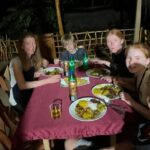
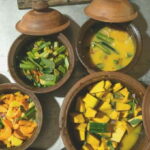
Welcome Drink, Spice Intro, Then You’re Cooking

Your experience starts at the Tasty Tasks Cooking Class meeting point in Kimbissa, Sigiriya (186/A 1 Pothana, Kimbissa). The class ends back at the meeting point, so you can plan around a tight loop without having to hunt for your own way back.
When you arrive, expect a traditional welcome. You’ll be offered an herbal drink such as Belimal with Hakuru—dried belimal flower tea with natural palm sugar. It’s a small moment, but it sets the tone. It also signals what the class is really about: everyday Sri Lankan ingredients, used in ways locals recognize.
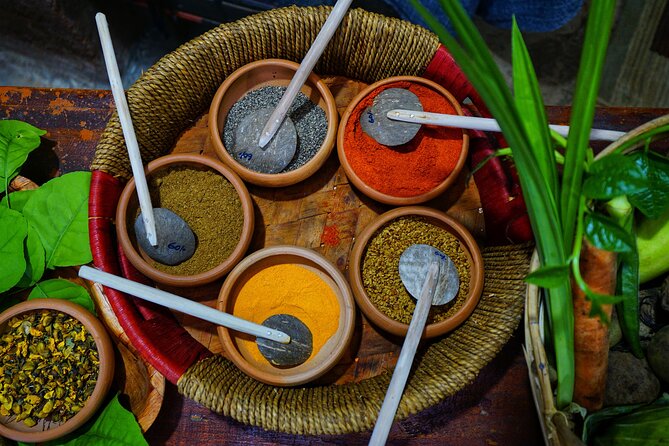
Next comes an introduction to Sri Lanka’s beloved spices and ingredients. This matters because the class isn’t only teaching recipes. It’s teaching you how to think about the flavors—what spices do, how they’re used, and why certain ingredients show up again and again.
Then you shift into hands-on work in a warm local home kitchen. The pace is built for interaction, and the class style is described as fun and engaging—meaning you’re not just standing around while someone else makes dinner.
The “Why” Behind Turmeric, Moringa, and Cinnamon
One of the smartest parts of this cooking class is that it connects ingredients to practical benefits. You’ll learn about the health benefits of local items like turmeric, moringa, and cinnamon while you’re cooking.
Now, don’t expect a medical lecture. What you’ll get is useful context: why these ingredients are common, how they fit into flavor profiles, and how they show up in daily Sri Lankan cooking. That turns the spices from something you sprinkle blindly into something you understand and can repeat later.
Turmeric is the obvious one—often tied to color and earthy warmth. Cinnamon can bring a subtle sweet-spice note. Moringa is a local ingredient many visitors don’t know how to use. Even if you don’t memorize every detail, you’ll remember the “reason” behind the taste, which makes the learning stick.
This part is also a nice break between active steps. After chopping and stirring, you get a mental reset that helps you cook more intentionally.
Cooking on Clay Pots and a Firewood Stove
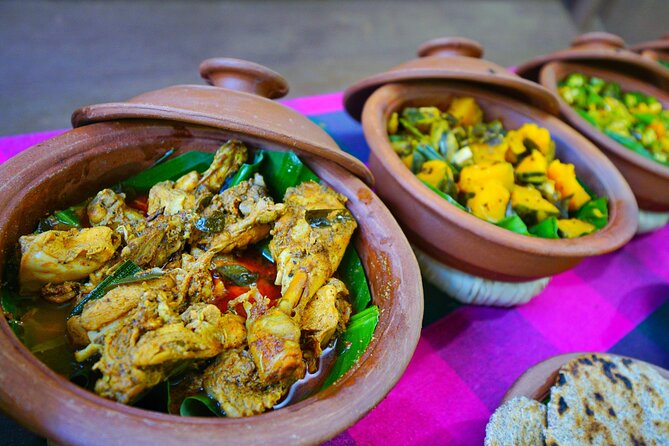
This is where the class feels most “real,” not just instructional. You’ll cook using clay pots, coconut spoons, and even a firewood stove. Those choices are more than decoration.
Clay changes how heat behaves. Food tends to cook more gently and evenly compared with some fast, metal-heavy setups. That can affect curry texture—how thick it becomes, how spices bloom, and how flavors settle into the sauce.
Coconut spoons matter too. They’re part of that village-style kitchen rhythm. Using the right tool helps you handle coconut-heavy preparations and keeps the feel of the method consistent.
The firewood stove adds another layer: you’re watching how cooking changes with heat. Even if you’re not controlling the fire yourself, you’ll notice how the cooking tempo shifts and why the steps happen in a particular order.
And because it’s hands-on, you’ll be active through the process. You should expect a “do it with us” format: you’ll prepare items and contribute to making the meal, then sit down to eat what you helped create.
Dishes You’ll Make (And What Each One Teaches)
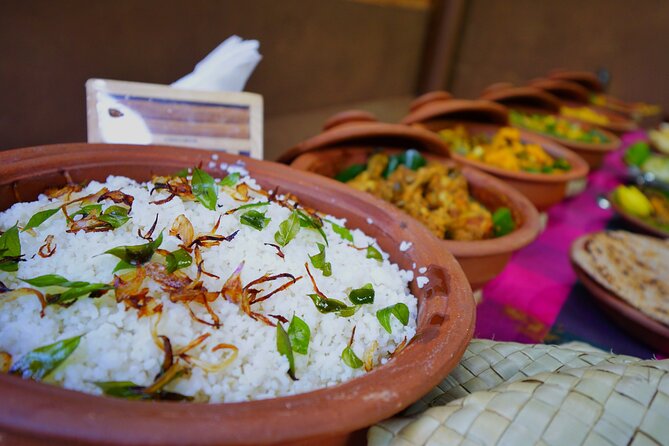
The menu can vary, but you’re likely to cook several of the Sri Lankan classics listed in the experience. Here’s how to think about what each dish is teaching you.
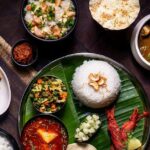

Parippu (Red Lentil Curry)
A lentil curry is a foundation dish in Sri Lanka. You’ll learn how spices and aromatics build depth, and how lentils change texture as they simmer. This is the dish that often makes people say, I can taste the whole spice story.
Pol Sambol (Coconut Salad)
Pol sambol is not just side salad. It’s a flavor machine—coconut plus heat, acidity, and spice balance. It teaches you that Sri Lankan cooking loves contrast: creamy against sharp, warm against cool, salty against bright.
Jackfruit or Mango Curry
Fruit curry is a signature move. You’ll see how sweetness becomes part of the sauce rather than something separate. Mango or jackfruit brings a different kind of chew and aroma, and you’ll learn how that affects the cooking time.
Pol Roti (Coconut Flatbread)
Flatbread teaches you technique beyond “stir.” You’ll get a feel for dough handling, shaping, and how coconut influences flavor and texture. It’s also one of those dishes that makes the meal feel complete because it’s made to match the curries.
Halapa (Sweet jaggery and kurakkan leaf snack)
This is the sweet snack element, and it gives you a look at how Sri Lankan flavor isn’t only savory. You’ll learn how jaggery sweetness works differently than refined sugar sweetness, with a warmer, more rounded tone.
Brinjal Moju (Spicy-sweet eggplant pickle)
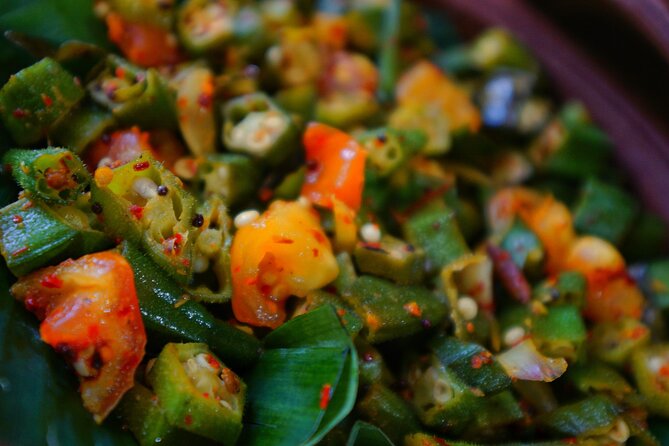
Pickle-style cooking in Sri Lanka can taste bold and balanced at the same time. Brinjal moju is the dish that often surprises first-timers. It teaches you that sweetness can coexist with serious spice, and that eggplant becomes mellow and flavorful when cooked and seasoned properly.
Steamed Rice with traditional accompaniments
Rice is the anchor. It also gives you a practical takeaway: you’ll learn how the different curries and sides are meant to be eaten together, not one at a time like a buffet.
If you’re hoping to leave with a “greatest hits” set of recipes, this menu is designed for exactly that kind of variety.
The Feast Part: Big Flavor, Big Portions
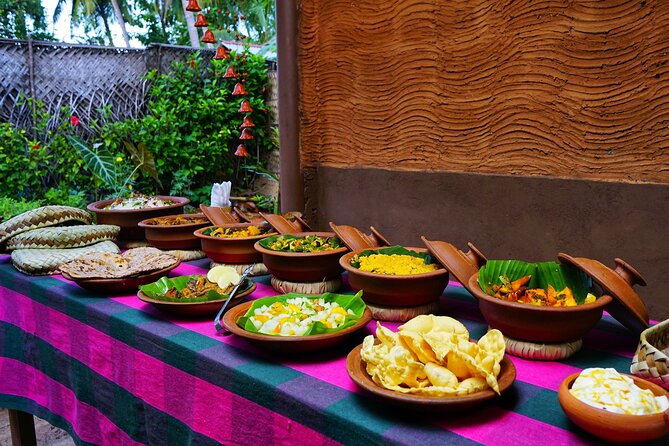
After cooking comes the payoff: you sit down and eat the full meal you helped prepare. This is where classes like this either feel worth it—or not. Here, it’s clearly set up for satisfaction.
The experience includes meals made to be vegetarian and vegan-friendly, and ingredients and equipment are included. Bottled water is also included, which sounds basic, but it makes a difference in a long, active cooking session.
From the way the class is described, you should expect a meal that’s more like dinner with several components than a small tasting plate. One of the strongest points highlighted is that portions can be huge and the food can be delicious and fresh. That combination is the real win: you won’t feel like you spent money on a few bites.
Pacing is also part of the design. You cook for about 3 hours, then the meal lands while things are still warm and fragrant. You’ll likely eat what you made across curries, sides, flatbread, and sweet/savory snacks—so you get the full Sri Lankan arc.
Price and Value: Is $38 Worth It?
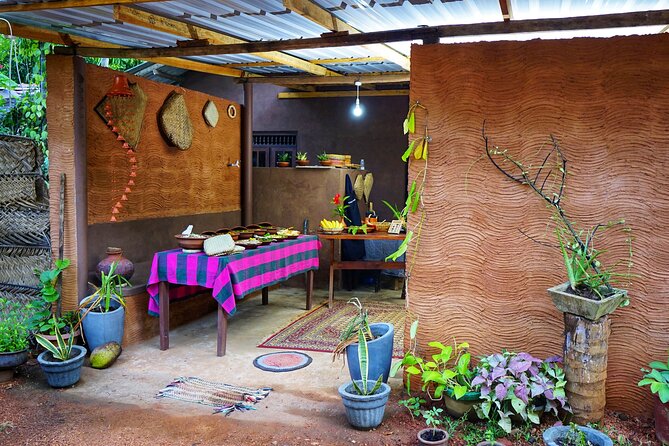
At $38 per person for about 3 hours, this class sits in a “learning + meal” category rather than a “just eat somewhere” category. You’re not only paying for ingredients; you’re paying for the experience of cooking on traditional equipment and using traditional methods.
Here’s what you get for your money, in practical terms:
- All ingredients and equipment are included
- You receive a full Sri Lankan meal (vegetarian and vegan-friendly)
- The cooking is described as hands-on, not passive
- You’re in a small group (max 15), which often improves instruction quality
In many destinations, restaurant meals are often cheaper, but they don’t give you the method. This is the value angle: you’re buying skills you can reuse. Even if you only remember a few steps—like how to balance heat in pol sambol or how curry thickens—you’ll still get more out of the experience than a single dining bill.
One more practical value note: it’s commonly booked ahead, with an average booking window around 50 days. If you’re traveling during peak periods or you want a specific time window, book sooner rather than later.
Logistics That Actually Matter in Real Life
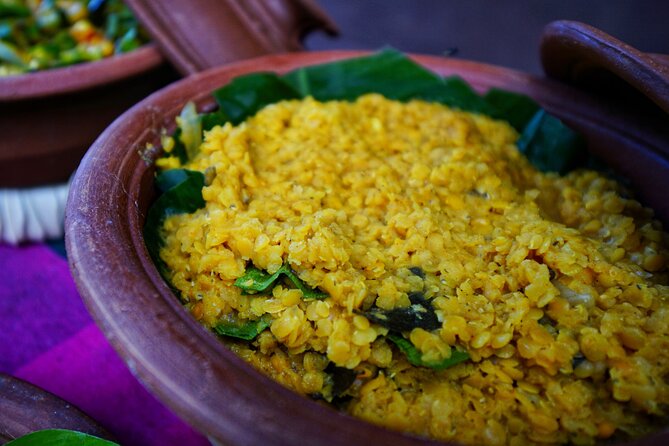
This is not a complicated tour. It’s a cooking class in a private home setup in the Sigiriya area, with a clear start and end.
- Duration: about 3 hours
- Group size: up to 15
- Mobile ticket: yes
- Pickup: offered (but plan to confirm your specific arrangement)
- Meeting point: 186/A 1 Pothana, Kimbissa, Sri Lanka
- End point: back at the meeting point
Hours run in multiple blocks (morning, midday, late afternoon/evening). That’s useful if you’re also planning Sigiriya rock timing, hikes, or museum stops. Choose a slot that won’t make you scramble afterward.
One more thing: the class includes cooking with spices and heat, so you’ll likely come away smelling like curry and turmeric. That’s normal. Pack a small plan for freshening up after, especially if you have dinner reservations later.
Who Should Book This Class in Sigiriya
This cooking class is a strong fit if you:
- Want a hands-on activity that teaches real technique
- Like Sri Lankan spice flavors and want to understand what drives them
- Prefer a meal that’s vegetarian/vegan-friendly and filling
- Travel with family, since the format is described as welcoming for kids and families
It might be less ideal if you:
- Want a quick, casual snack-only experience (this is a full cooking session)
- Need a guaranteed private-transport setup without coordinating (private transportation is not included)
If you’re the type who likes learning through doing, this will feel satisfying from the first herbal sip to the final bite of your own curry-and-side combo.
Should You Book Organic Cooking Class Sigiriya Tasty Tasks?
Yes, I’d book it if you’re in Sigiriya and you want your time to feel like local life, not just photos and coffee. The class is built around traditional cooking methods (clay pots and firewood stove), plus a structured, hands-on menu that can cover everything from curries to flatbread to sweet snacks.
Book it if you care about both learning and eating. At $38, the value is strongest when you treat it like a skill-building dinner: you cook, you eat, and you leave with a sense of how Sri Lankan flavors are put together.
Skip it only if you’re trying to do minimal effort activities, or if you can’t easily get to the meeting point area since private transport isn’t included.
If you’re planning your Sigiriya day, this is one of those experiences that makes the whole trip feel more grounded.
FAQ
How long is the Organic Cooking Class in Sigiriya?
The class lasts about 3 hours.
Is pickup available?
Pickup is offered, and you’ll also get a mobile ticket.
What’s included in the price?
Meals (a full Sri Lankan meal), all cooking ingredients and equipment, and bottled water are included.
Is the meal vegetarian or vegan-friendly?
Yes. The full meal is described as vegetarian and vegan-friendly.
Where does the class start and end?
It starts at TASTY TASKS COOKING CLASS, 186/A 1 Pothana, Kimbissa, Sri Lanka, and ends back at the meeting point.
What is the cancellation policy?
You can cancel for free up to 24 hours in advance for a full refund. If you cancel less than 24 hours before the start time, there’s no refund.
You Might Also Enjoy
 Xiao Long Bao, Pork thick soup, Bubble milk tea. Taiwan Traditional Light Meals Experience-B (Taipei Cooking Class)
 Amalfi Coast & Sorrento Cooking Class School at Farmhouse
 Taipei Cooking Class & Market Adventure in Historic Dadaocheng
 Cooking Class in a Secret Courtyard – Culurgiones (Sardinian Pasta)