REVIEW · SIGIRIYA
Cooking Class: Sajee’s Place Cooking Class sigiriya
Book on GetYourGuide →Operated by Sajee’s place cooking class sigiriya · Bookable on GetYourGuide
Curry lessons near Sigiriya beat restaurant wandering. I like the hands-on rice and curry focus and the way Sajee and Suzy teach so you understand what each spice is doing, not just the steps. One possible drawback: you will be cooking for the full 3 hours, so plan your day so you are not rushing off afterward.
This class runs as a small group (max 10) with an English instructor, and you cook together like locals rather than watching from the sidelines. I also like that you leave with practical PDF recipes and tips, plus unlimited water bottles while you work in the kitchen.
In This Review
- Key things I’d block out time for
- Why This Sigiriya Sri Lankan Cooking Class Feels More Like a Real Meal
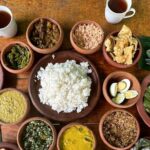
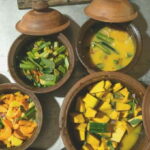
- What You’ll Cook: Rice and a Plate Full of Curries
- How Sajee and Suzy Teach So You Can Recreate It Later
- The Spice Work: Balancing Heat Without Guessing
- Coconut Sambol and Papadams: Small Extras, Big Impact
- Inside the Kitchen Setting Near Sigiriya
- Eating What You Made: The Best Part of the Lesson
- Price and Value: What $36 Buys You in Sigiriya
- Who Should Book This Class, and Who Might Pass
- Tips to Make Your 3 Hours Go Smoothly
- Should You Book Sajee’s Place Cooking Class in Sigiriya?
- FAQ
- How long is the cooking class?
- How much does it cost?
- What is the group size?
- What language is the class taught in?
- What dishes are included in the meal?
- Is the class interactive, or do I just watch?
- Do I get recipes to take home?
- Is water provided?
- Is the cooking class wheelchair accessible?
- What is the cancellation policy?
Key things I’d block out time for
- Everyone cooks: interactive, step-by-step guidance so you’re not stuck watching.
- A full Sri Lankan meal: rice plus multiple curries and accompaniments.
- Spice know-how: learn how to balance flavors and adjust your heat.
- Fresh, local ingredients: Sri Lankan spices and ingredients you can recognize later at markets.
- Take-home PDFs: recipe documents and tips so you can cook it again at home.
Why This Sigiriya Sri Lankan Cooking Class Feels More Like a Real Meal
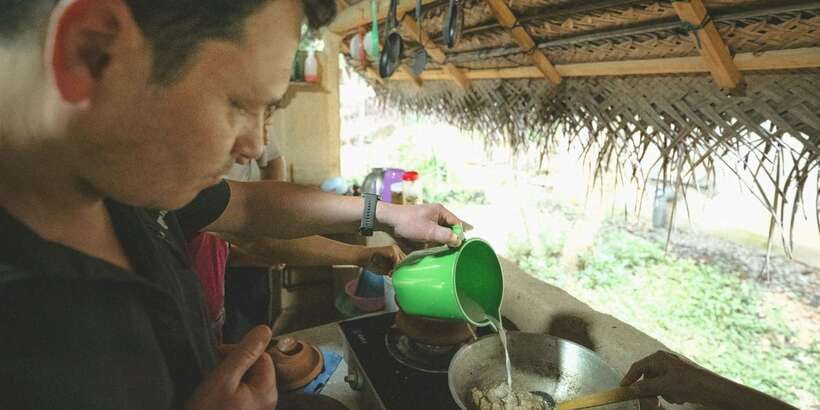
Sigiriya is famous for rock-and-ruins energy, but a cooking class is the other side of Sri Lanka: the everyday food routine. In this 3-hour experience, you’re not just making dishes. You’re learning the logic behind Sri Lankan rice and curry so the flavors make sense.
What makes it especially practical is the teaching style. Sajee and his wife Suzy run it as a true kitchen workshop, with close attention for beginners and plenty of chances to ask questions. The small group size matters here because it keeps the pace calm and the instructions personal, which is a big deal when you’re learning spice-based cooking.
You can also read our reviews of more tours and experiences in Sigiriya.
What You’ll Cook: Rice and a Plate Full of Curries
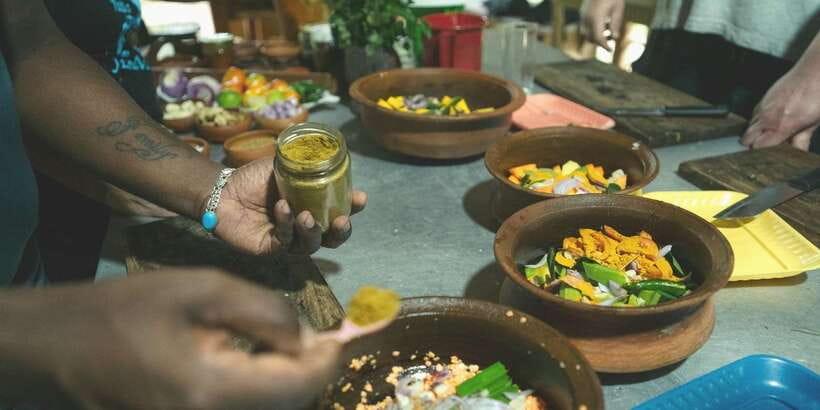
The heart of the class is a full rice-and-curry spread. You start with learning how to make fluffy rice, then move into curries that cover both vegetarian and classic Sri Lankan flavors.
Here’s what’s included in the menu:
- Dhal curry (lentil curry)
- Chicken curry or fish curry (you’ll make one protein curry option)
- Three different seasonal vegetable curries
- One stir-fried dish or a tempered dish
- Coconut sambol or Mallun (traditional accompaniments)
- Papadams and rice as part of the meal
Even if you think you only came for one or two dishes, the structure pushes you to cook a range of textures: creamy lentils, spiced curries, and accompaniments that add crunch and bite. That variety is part of why the class gets such strong results from first-timers and picky eaters alike.
How Sajee and Suzy Teach So You Can Recreate It Later
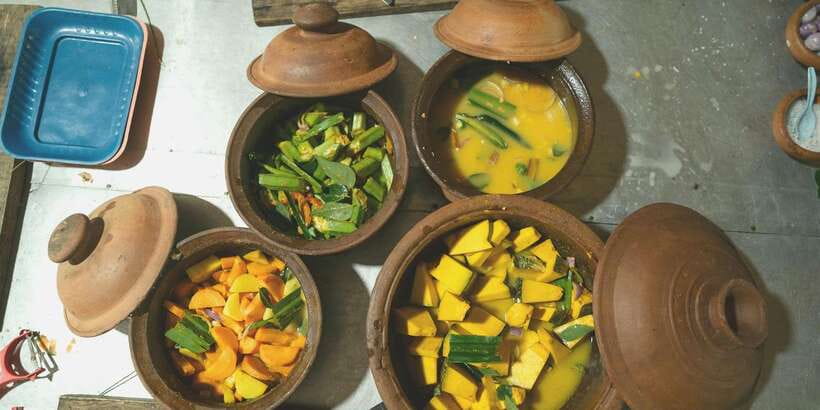
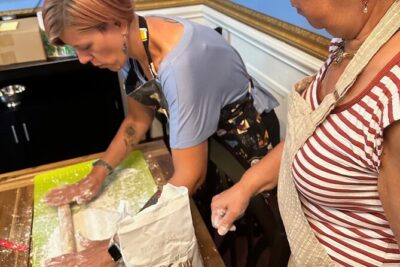
This is the kind of class where you feel the difference between a cooking demo and actual instruction. Sajee explains ingredients and cooking techniques, and Suzy helps keep the workflow moving as you handle prep and cooking steps. People highlight that the hosts do not rush you, and they take time to explain what you’re doing and why.
One of the most useful details is learning how to adapt recipes. You’re shown how ingredients and methods shift when you use different vegetables, or when you swap the base toward meat or fish. That makes the recipes less like rigid instructions and more like a toolkit.
You’ll also notice the teaching includes questions, not just plating. Many past participants mention that Sajee is quick to answer spice and ingredient questions, including what specific herbs and spices are typically used and how they differ between dishes versus curries. If you like understanding food, this class rewards that.
The Spice Work: Balancing Heat Without Guessing
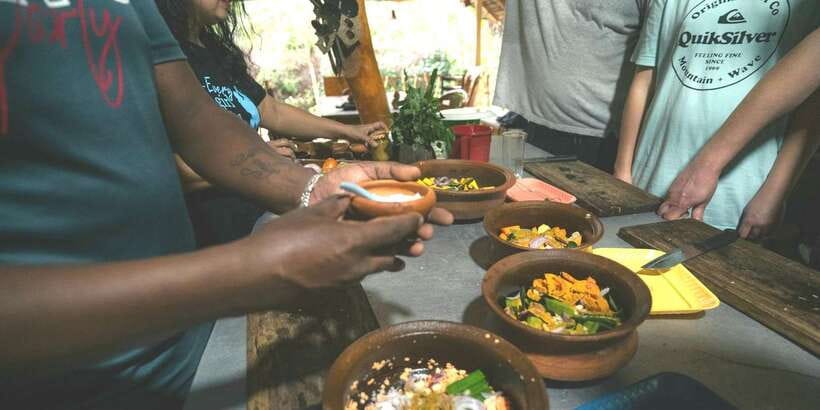
Sri Lankan cooking is all about balance, and this class tries to give you that skill rather than handing you a single set of measurements. You learn how to get the spice combination right and how to adjust your heat so it matches your tolerance.
From the feedback you can take a clear takeaway: spice levels are adjusted on the fly. If you are nervous about heat, this matters. You’re still learning the real method, but you are not being forced into an uncomfortable flavor level.
You’ll see how tempering or stir-frying changes how spices behave. Those quick-cook dishes can feel like magic when you’re learning them the first time, because you go from raw spices to a fragrant finishing flavor that shows up in the final curry experience.
Coconut Sambol and Papadams: Small Extras, Big Impact
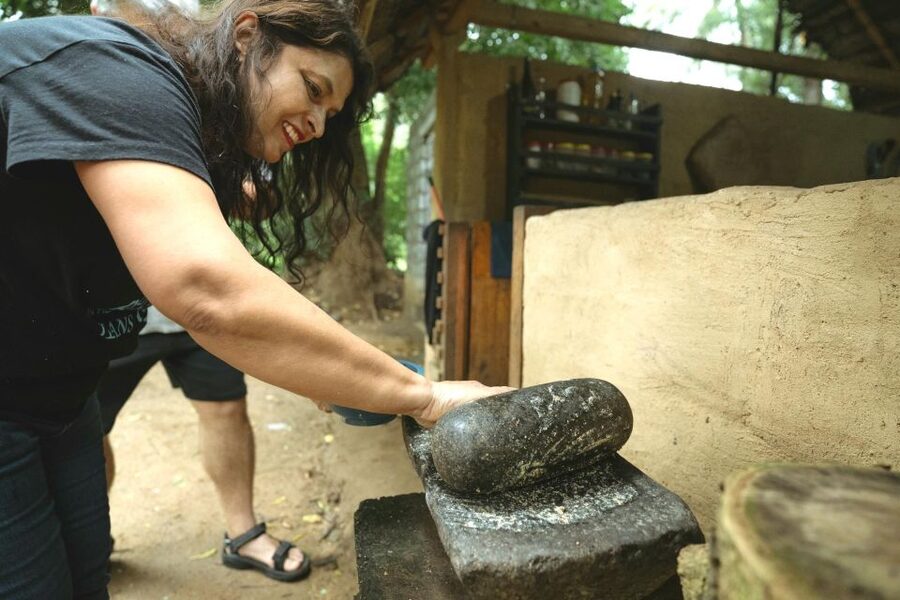
The meal doesn’t stop at curry. The accompaniments are where the flavors lock together, and this class treats them as real cooking.
You’ll make coconut sambol (or Mallun, depending on the session). A standout detail is that coconut is freshly grated for this part of the meal in some sessions, which is exactly the kind of thing that improves the texture and aroma. Sambol brings brightness and a little heat, and it helps cut through the richness of curries.
Papadams round out the plate. They add crunch and help you understand the classic pattern: warm curry, then contrast with crisp and spicy-sour sides. It sounds simple, but once you cook it and eat it, you’ll remember the balance.
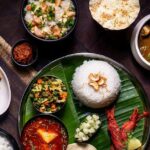

Inside the Kitchen Setting Near Sigiriya
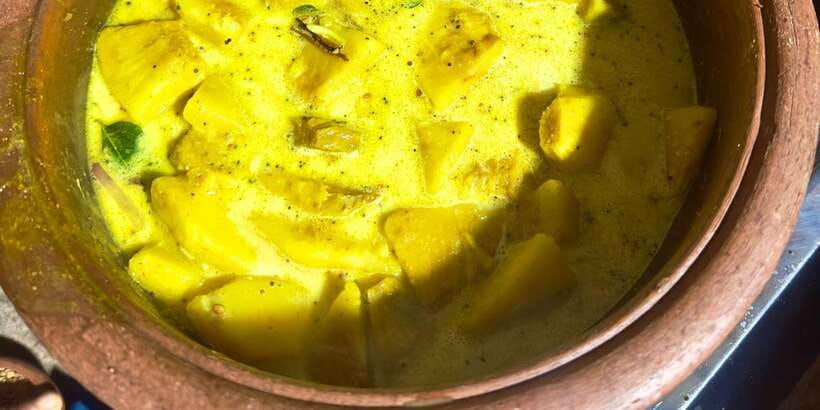
The class is set up so you can work comfortably and see what’s happening. Participants mention a well-prepared kitchen and an open garden-house feel, with the cooking happening in a relaxed environment rather than a cramped classroom setup.
The practical benefit is straightforward: with a kitchen designed for cooking, you spend your time cooking instead of waiting for a station or crowding around. The small group size supports that too, so you can actually participate in the steps.
English instruction is part of the value. If you do not speak local languages, you won’t lose the important parts of the process. Sajee’s explanations are detailed enough that beginners feel guided rather than overwhelmed.
Eating What You Made: The Best Part of the Lesson
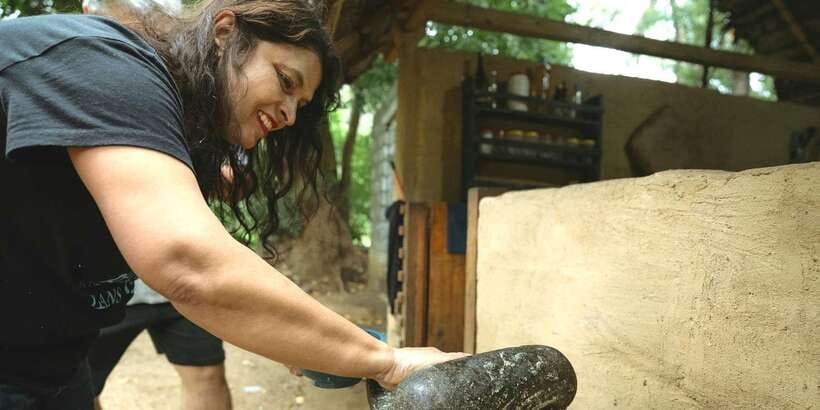
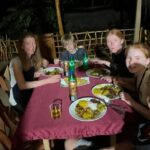
After you cook, you sit down and eat the results together. This matters because cooking classes sometimes end with a small tasting. Here, the meal is the payoff: you get to taste how your rice and curries work as a complete Sri Lankan plate.
A lot of people mention that the food they make tastes better than they expected, especially after learning what to watch for during cooking. That makes the class feel like a real skill-builder rather than a one-off experience.
Also, you’ll go home with context. You understand what you’re tasting: lentils should be smooth, curries should have balanced spice layers, sambol should snap with contrast, and tempered/stir-fried elements should add fragrance and depth at the end.
Price and Value: What $36 Buys You in Sigiriya
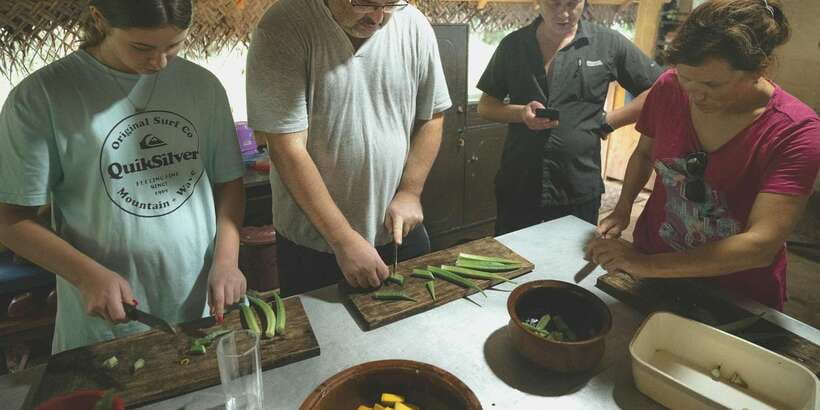
At $36 per person for 3 hours, the value is about what you actually get for your time. You’re not paying for a single dish. You’re paying for a full meal build: rice, lentil curry, a protein curry (chicken or fish), multiple vegetable curries, an additional stir-fried or tempered dish, and traditional accompaniments like coconut sambol plus papadams.
On top of the food, you get:
- Unlimited water bottles during the class
- Small-group teaching with an English instructor
- Take-home PDF recipes and tips, which turns the experience into a future cooking plan, not just a memory
If you like cooking classes, this checks the two big value boxes: you do a lot of work yourself, and you get something practical to use at home. If you only want a quick sampler, the value is still decent, but you might feel like you wanted fewer dishes and more free time.
Who Should Book This Class, and Who Might Pass
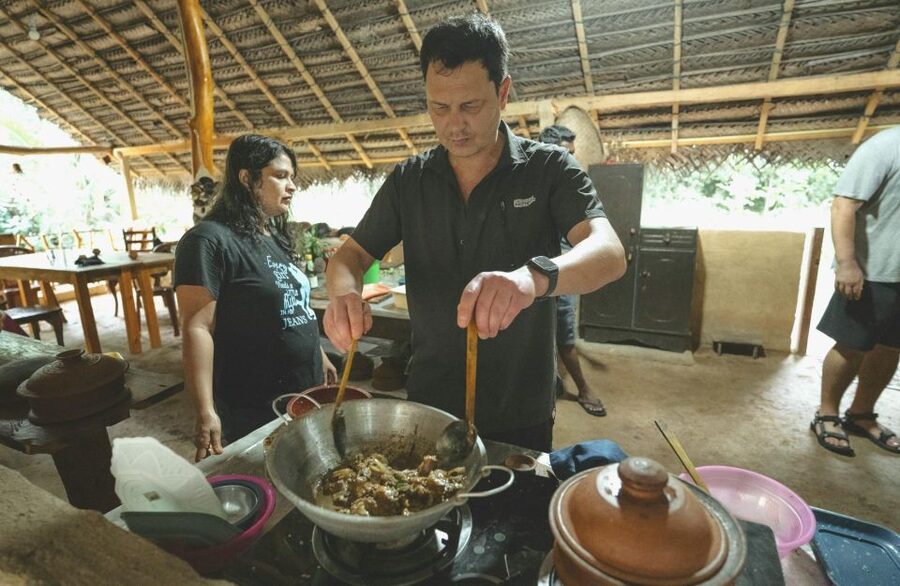
This is a strong fit for:
- Couples and small groups who want an active, friendly activity in Sigiriya
- Food lovers who want to learn rice-and-curry methods with real spice explanations
- Beginners who need step-by-step confidence and gentle pacing
- Families with older kids or teens who can follow cooking tasks and enjoy eating what they made
It might not be for you if:
- You want a mostly sightseeing day and prefer short, low-effort activities
- You are looking for a class that is mostly lecture-based
- You want guaranteed vegetarian-only cooking (the course includes several veg curries, but it also includes dhal plus either chicken curry or fish curry, so you’d want to clarify preferences with the hosts)
Tips to Make Your 3 Hours Go Smoothly
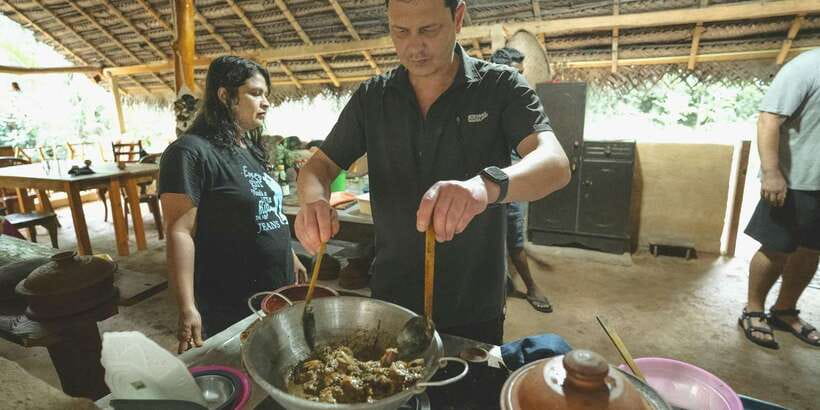
A little prep makes this class feel even better:
- Come ready to cook. You’ll be more confident if you treat it like a hands-on workshop, not a show.
- Speak up about spice tolerance early. The hosts adjust heat, and asking helps them tailor your experience.
- Watch for the adaptation tips. When you learn how recipes shift for different vegetables or proteins, you’ll be able to recreate the style later at home.
- Plan for a recipe-writing mindset. Even with PDFs sent after, you’ll remember more if you note key steps and spice timing while you’re cooking.
Should You Book Sajee’s Place Cooking Class in Sigiriya?
I’d book this if you want the most practical Sri Lanka souvenir: skills you can cook again, not just photos. The combination of hands-on cooking, a full spread of dishes, English explanations, and take-home PDF recipes makes it a strong value use of a half-day in Sigiriya.
If you prefer low-effort travel days, you might prefer something else. But if you like learning through doing, this is one of the better bets in the Sigiriya area.
FAQ
How long is the cooking class?
The class lasts 3 hours.
How much does it cost?
It costs $36 per person.
What is the group size?
It is limited to a small group of up to 10 participants.
What language is the class taught in?
The instructor speaks English.
What dishes are included in the meal?
You’ll make rice and papadams, dhal curry, and either chicken curry or fish curry, plus 3 different vegetable curries and 1 stir-fried dish or tempered dish. You’ll also prepare coconut sambol or Mallun.
Is the class interactive, or do I just watch?
It’s interactive. You cook together as a group, not just watch.
Do I get recipes to take home?
Yes. The hosts provide PDF recipes and tips for participants to use at home.
Is water provided?
Yes. There are free, unlimited water bottles for everyone.
Is the cooking class wheelchair accessible?
Yes, it is wheelchair accessible.
What is the cancellation policy?
There is free cancellation up to 24 hours in advance for a full refund.