Cook your way into Korean food culture. This Bukchon-area class pairs a modern, air-conditioned kitchen with step-by-step teaching from English-speaking chefs, so even true beginners can chop confidently and finish their own lunch. One catch: the studio is inside a building where stairs may be involved, so plan for that if mobility is an issue.
You’ll meet at O’ngo Food Communications near public transport, start at 10:30am, and spend about two hours cooking and eating what you make. The menu changes by session, but you’re very likely to cover beginner-friendly Korean favorites, then sit down together for rice and one beverage.
In This Review
- Key things I’d watch for before you book
- A Korean cooking class in Bukchon, built for beginners
- Where you meet: O’ngo Food Communications in the Bukchon area
- The morning flow: from ingredients to the cooking stations
- What you’ll cook: popular Korean dishes, adapted for first-timers
- Pro chef guidance you can actually use at home
- A note on allergies and ingredient limits
- Lunch you make: rice plus one beverage
- Class size, energy, and the hands-on factor
- Price and value: is $87 worth it?
- Timing and logistics that actually matter
- Who this Korean cooking class is best for
- Should you book this experience?
- FAQ
- Where is the class located?
- What time does the class start and how long does it last?
- Do I need hotel pickup or drop-off?
- What’s included in the price?
- Is there a meal included?
- Is this class only for advanced cooks?
- What is the minimum age to participate?
- How big is the group?
- What is the cancellation policy?
Key things I’d watch for before you book
- Modern tools + air-conditioned comfort: you cook in a proper, clean kitchen setup, not a cramped demo space.
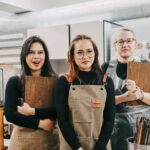
- English-speaking chefs (example instructors include Ran and Yibben): you get clear guidance and real help as you cook.
- All ingredients and equipment included: no hunting for specialty items or missing utensils.
- You actually eat your results: lunch includes what you prepare, plus rice and one drink.
- Small-group feel: the class caps at 22, and many people end up getting plenty of attention.
- Consider the stairs: if your unit is on an upper floor, wear grippy shoes and take it slow.
A Korean cooking class in Bukchon, built for beginners
If Seoul is your first stop, Bukchon is a great place to learn Korean food because you’re in the Hanok neighborhood zone—historic streets outside, practical cooking inside. What makes this class work for beginners is that it’s designed as a full, guided lesson. You’re not just watching someone else cook; you’re learning techniques you can repeat later.
The best part is the balance: there’s enough structure to keep things easy, but you still do the hands-on work—chopping, mixing, and cooking your own portions. You’ll also get tips on how to choose better ingredients, which is one of those “small thing, big payoff” skills. Korean cooking is built on ingredient quality and correct flavoring, and this class aims to teach both.
You can also read our reviews of more tours and experiences in Seoul.
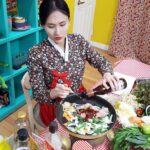
Where you meet: O’ngo Food Communications in the Bukchon area
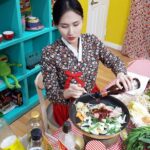
Your start point is O’ngo Food Communications, 137-11 Bukchon-ro, Jongno District, Seoul. The location is stated as near public transportation, which matters in Seoul because transit is usually smoother than taxi-hopping.
Two practical tips that can save time:
- Go early enough to get your bearings. You’re asked to arrive about 10 minutes before start time so you don’t miss part of the program.
- If you’re using a taxi or navigation app, consider giving yourself extra margin. Some guests have found the building a bit tricky to pinpoint, even for drivers.
Also, expect that you may need to climb stairs once you’re inside the building. Wear shoes you’re comfortable walking in, and hydrate if it’s a warm day.
The morning flow: from ingredients to the cooking stations
The class is scheduled for 10:30am and runs about two hours. You’ll get started with a short orientation, including basic safety instructions before you move into cooking.
Here’s how the experience usually “feels” time-wise:
- You receive a beginner-friendly primer on flavors and what you’re making.
- You go step-by-step through preparation and cooking.
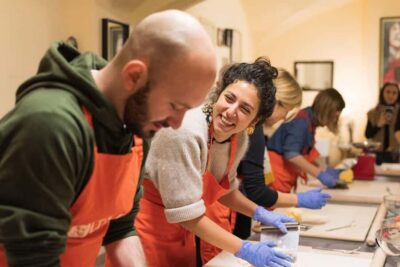
- You cook at your own workstation with support from the chefs.
- You end by eating together what you prepared.
One more ingredient-related bonus: some sessions include a market walk or ingredient-shopping time before cooking. If that portion is part of your schedule, arriving early helps you get the most out of it and not feel rushed. Even if your session doesn’t heavily feature it, being early still helps you settle in, locate the studio, and start the class calm.
What you’ll cook: popular Korean dishes, adapted for first-timers
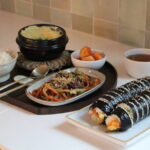
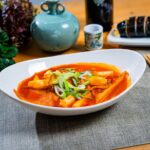
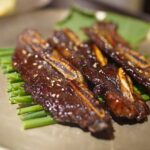
The exact menu varies by date, but the class is positioned as a beginner course with “popular dishes” you can actually replicate later. In past sessions, people have worked on dishes like:
- Japchae (easy, satisfying, and a great Korean pantry-style skill)
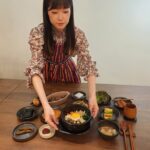
- Bibimbap (learning how different elements come together into one bowl)
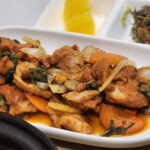
- Bulgogi (a useful introduction to Korean seasoning)
- Kimchi-focused classes, including kimchi variations
- Chicken stew and other beginner-friendly comfort foods
So what’s the real learning goal? It’s not memorizing a huge recipe list. It’s learning the logic behind Korean flavor:
- how seasoning balances salty/savory/sweet
- how textures matter (crisp, tender, springy)
- how to manage prep so you don’t get overwhelmed
You’ll typically do active prep during the class—chopping, slicing, mixing, and cooking. If you mess up a small step, chefs can usually guide you before it becomes a bigger issue.
Pro chef guidance you can actually use at home
This is a cooking school setup with modern kitchen tools and equipment, and that matters because it makes beginners’ mistakes less likely. When your knife, stove, and station are working properly, you learn faster.
You also get instruction from professional English-speaking chefs, and you may work directly with instructors such as Ran or Yibben depending on the day. The key is the teaching style: you’re shown the steps, then you move to your workstation to do the work yourself.
I like that this class doesn’t hide the process. You see what matters and you practice it:
- Chop and prep with support
- Cook while the chef keeps an eye on progress
- Adjust seasoning if needed once you taste
That last part is important. Korean food often changes slightly based on ingredient quality and personal taste. If you want it a little more mild or more bold, this class gives you a chance to make that call.
A note on allergies and ingredient limits
If you have dietary needs, don’t assume every cooking class can handle them. However, one guest reported that the chef helped alter cooking due to a food allergy, and staff advised what foods to avoid. If you’re dealing with allergies, message the provider before you go and be clear about what you can’t eat.
Lunch you make: rice plus one beverage
At the end of class, you sit down and eat what you prepared. Lunch includes:
- the meal(s) you cooked
- rice
- one beverage
This is a strong value point. Many “cooking experiences” end with a small taste. Here, you’re set up for a real lunch. Come hungry—this is not a snack-and-learn setup.
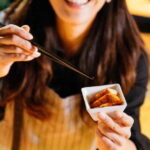
And because you’re eating your own food, you get immediate feedback. You can taste whether your sauce is balanced, whether textures came out right, and what you’d do differently next time.
Class size, energy, and the hands-on factor
The group maximum is 22 travelers. In practice, that usually means you won’t get lost in the crowd, especially because cooking requires individual station work.
The atmosphere from past participants tends to be:
- friendly and supportive
- organized enough for beginners
- active (not passive demo)
- geared toward conversation about Korean food and culture
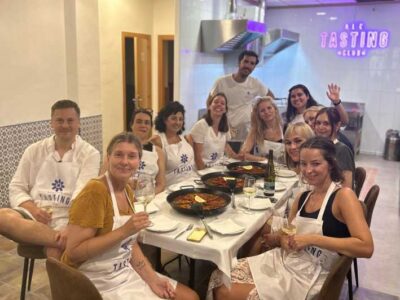
That matters if you’re solo or traveling with a friend. Cooking classes can be awkward if you feel like a spectator. This one is built so you’re doing something the entire time—chopping, mixing, cooking—so it’s easier to talk and feel included.
Also, because the class is scheduled for the morning, you’ll feel like you’ve “spent” your Seoul time well before lunch crowds peak.
Price and value: is $87 worth it?
At $87 per person, you’re paying for more than a meal. Here’s what’s included in the price:
- beginner cooking class
- all ingredients and equipment
- a fully air-conditioned modern kitchen
- lunch (what you cook), plus rice
- one beverage
- professional English-speaking chefs
What’s not included: hotel pickup and drop-off.
So is it worth it? For me, the value comes from three things:
- You’re not buying ingredients. Korean cooking can require pantry items you might not use again, but this class provides what you need.
- You’re learning technique, not just eating.
- You get a full lunch tied to the work you do.
If you like food and you want a skill you can carry home, $87 can be a very fair price. If you mainly want a quick meal and you’re not interested in cooking, then it may feel pricier than eating in a restaurant. But the class is built around hands-on learning, so it’s best for people who enjoy the process.
Timing and logistics that actually matter
- Start time: 10:30am
- Duration: about 2 hours
- Meeting point: O’ngo Food Communications (Bukchon-ro area)
- Mobile ticket: yes
- Arrive: about 10 minutes early
If you show up late, you’re responsible for missing participation in the program. That’s not dramatic, but it’s real—cooking is timed, and the class flows step-by-step.
Also, keep an eye on schedule days. There’s a stated minimum number of participants required only for Saturdays’ class (minimum 5). If the minimum isn’t met, the provider offers an alternative date or a full refund.
Who this Korean cooking class is best for
This class is a strong match if:
- you’re a beginner and want structure
- you want hands-on cooking, not just a lecture
- you like Seoul’s food scene and want something practical you can repeat at home
- you appreciate a clean, modern kitchen setup with AC
It’s also a nice option for couples. Multiple guests have paired up and called it one of their best Seoul meals because the food is tied to the fun of cooking together.
It may be less ideal if:
- you hate stairs and can’t handle an upper-floor studio setup
- you only want a quick, passive experience
- you need very specialized dietary handling that goes beyond what the class can accommodate (still ask ahead)
Minimum age for cooking participation is 11. Children under 11 are welcome, but may not participate in the class. So plan around that if you’re traveling with younger kids.
Should you book this experience?
I’d book it if you want a confident start in Korean home cooking. The class does what great beginner lessons do: it gives you tools, teaches the “why,” and then makes you cook so you actually understand the flavors. Add in the fact that everything’s included—ingredients, equipment, lunch, and one drink—and the $87 price starts to look very reasonable.
Skip it only if you’re mostly looking for a quick meal, not a skill. Otherwise, this is one of those Seoul experiences that leaves you with both a full stomach and a plan for what to cook next time you’re craving Korean comfort food.
FAQ
Where is the class located?
You meet at O’ngo Food Communications, 137-11 Bukchon-ro, Jongno District, Seoul, South Korea. The activity ends back at the meeting point.
What time does the class start and how long does it last?
The class starts at 10:30am and runs for about 2 hours.
Do I need hotel pickup or drop-off?
No. Hotel pickup and drop-off are not included.
What’s included in the price?
The price includes a beginner cooking class, all ingredients and equipment, lunch, a fully air-conditioned modern kitchen, professional English-speaking chefs, and 1 beverage.
Is there a meal included?
Yes. You eat lunch at the end of the class, and it includes the dishes you prepare, rice, and one beverage.
Is this class only for advanced cooks?
No. It’s specifically designed as a beginner morning cooking class, with basic guidance and step-by-step instruction.
What is the minimum age to participate?
The minimum age required for the cooking class is 11. Children younger than 11 are welcome, but they may not participate in the class.
How big is the group?
This activity has a maximum of 22 travelers.
What is the cancellation policy?
You can cancel up to 24 hours in advance for a full refund. If you cancel less than 24 hours before the start time, the amount paid will not be refunded. Any changes within 24 hours are not accepted.