REVIEW · SEOUL
Seoul: Korean Cooking Class with Local Grocery Shopping
Book on GetYourGuide →Operated by Seoul Foodventure · Bookable on GetYourGuide
Food markets can make you hungry fast. This Seoul class turns that hunger into skills, as you shop Mangwon Market like a local and then cook three iconic dishes: bulgogi, gyeran-jjim, and kimbap. It’s a very practical way to learn Korean home food without needing years of cooking background.
I especially like the market part because Mangwon has more everyday shoppers than the more tourist-frequent spots, so you get a real feel for what people actually buy for dinner. And in the studio, Phoebe and Rachel keep things friendly and doable in a small group, so the class works even if you’ve never rolled kimbap before. One thing to consider: the market tour only runs for morning classes, so if you prefer afternoons, you may not get that shopping segment.
In This Review
- Key Highlights You’ll Care About
- Finding the Studio Near Mangwon Station (and Why Location Matters)
- Mangwon Market: The Local Grocery Run You Actually Want
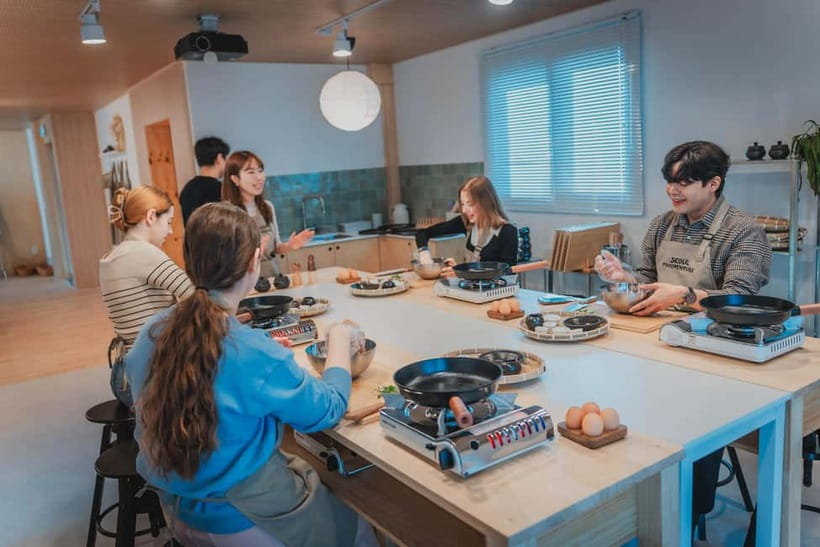
- The Studio Setup: Small Group Cooking That Feels Calm
- Bulgogi: Marinated Beef With Real Home-Meal Energy
- Gyeran-jjim: The Fluffy Steamed Egg Comfort Food
- Kimbap Rolling: A Skill You’ll Use Beyond This Class
- What’s Included (and Why That Changes the Value)
- Price and Timing: Getting 150 Minutes That Don’t Waste Your Day
- Who Should Book This Cooking Class in Seoul
- Little Details That Make or Break the Day
- Should You Book This Seoul Korean Cooking Class?
- FAQ
- What dishes will I learn to make?
- Where is the meeting point?
- How long is the experience?
- Is the market tour included, and is it available all day?
- Is the class suitable for beginners, and is it taught in English?
- What if I have dietary restrictions or allergies?
- Do you offer free cancellation or pay later?
Key Highlights You’ll Care About
- Mangwon Market shopping with locals instead of the usual tourist crowd
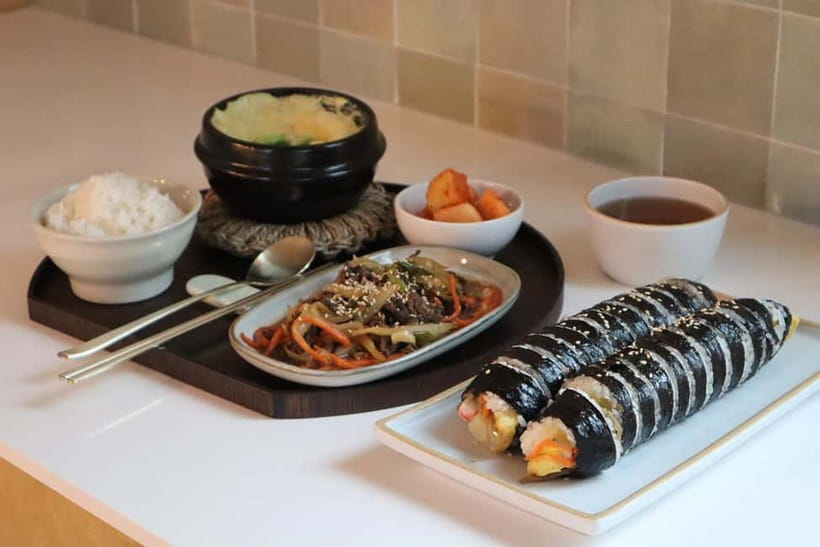
- 3 hands-on dishes: bulgogi, gyeran-jjim, and kimbap
- Small group up to 8 people for more attention while you cook
- English instruction with support from Phoebe and Rachel
- Leftover kimbap picnic idea: bring it to the nearby Han River
Finding the Studio Near Mangwon Station (and Why Location Matters)
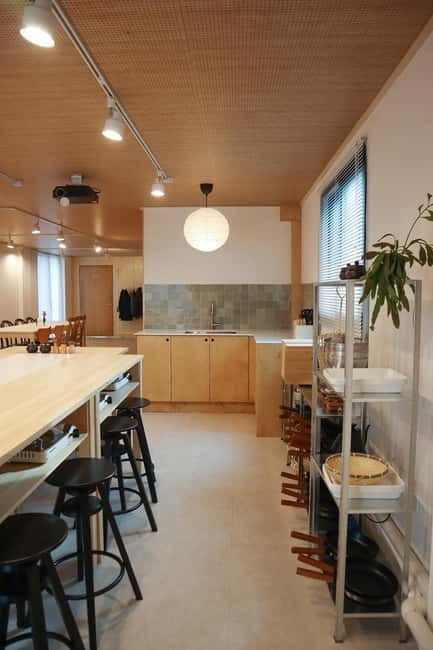
The meeting point is a cooking studio on the 4th floor at 8, World Cup-ro 13-gil, Mapo-gu. It’s easy to find because it’s just steps from Mangwon Station Exit 2 and very close to Mangwon Market, plus it’s within a short ride/walk distance of Hongdae’s action.
This matters because you’re not spending your day lost in transit. In practice, you’ll get to focus on the point of the experience: shopping, cooking, and eating without turning it into a logistics puzzle.
Also, you’ll do some walking in and around the market, so comfortable shoes really pay off. Plan for small, stop-and-start movement as you check ingredients and head back to the studio.
You can also read our reviews of more tours and experiences in Seoul.
Mangwon Market: The Local Grocery Run You Actually Want
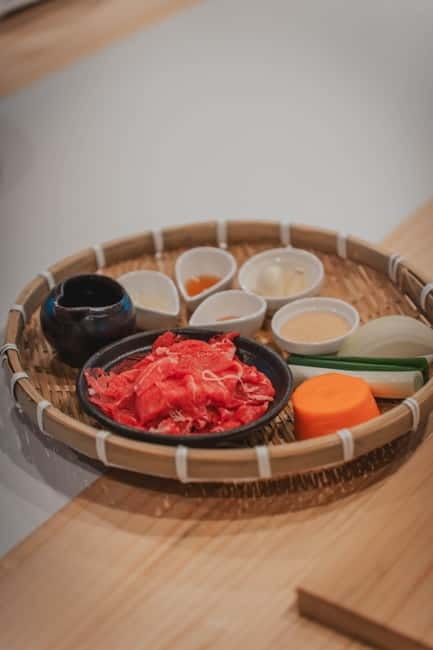
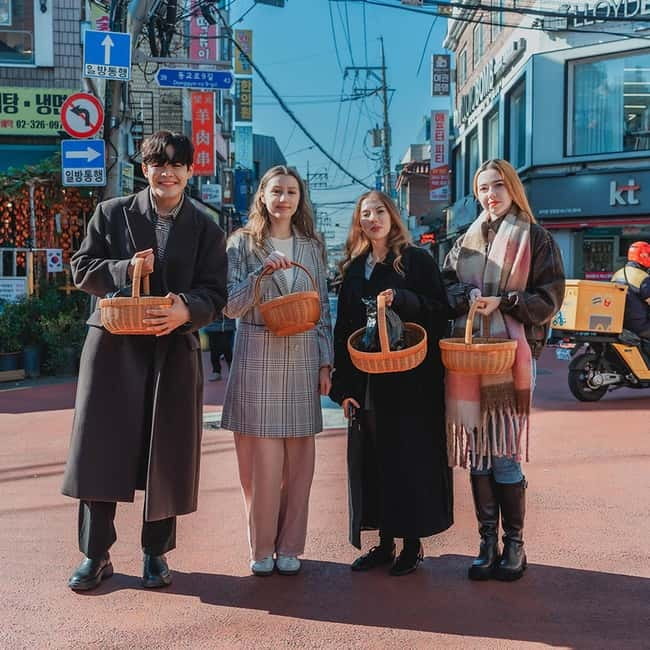
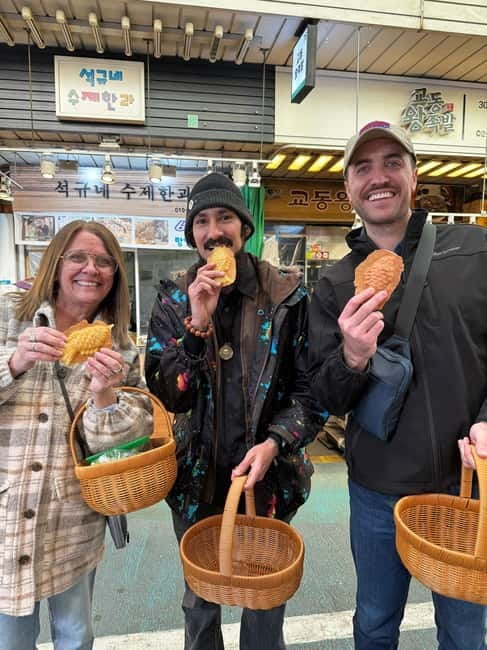
If you book a morning class, you’ll start with the Mangwon Market tour. This is where the experience separates from typical cooking classes that only teach recipes. You’ll shop for ingredients as you go, guided step-by-step so you understand what each item is and why it shows up in Korean home meals.
Mangwon Market is known for having more locals than the tourist-heavy Gwangjang area, and that difference changes what you experience. You’re not just looking at food as an attraction. You’re seeing it as a daily shopping stop—people grabbing produce, checking basics, and moving through the aisles with the confidence of routine.
This is also where you start learning how to think like a cook, not just how to follow instructions. When you choose ingredients yourself, the recipe makes more sense later. You’ll also be more likely to recreate it at home because you understand what to look for, not just what it should taste like.
The Studio Setup: Small Group Cooking That Feels Calm
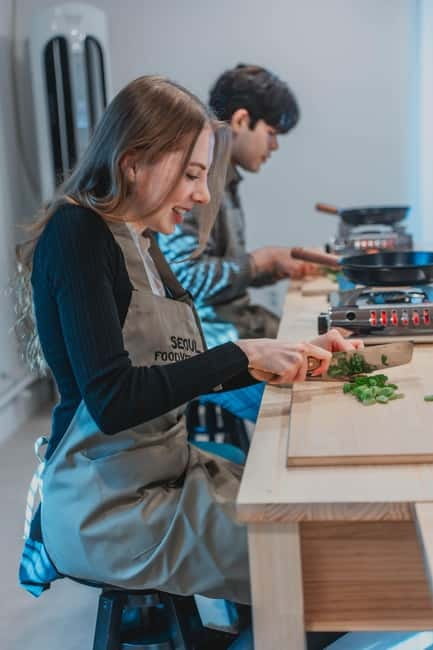
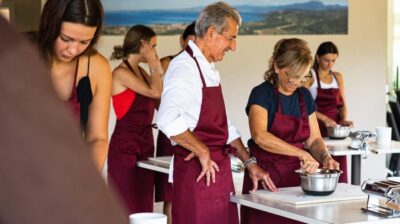
After the market, you’ll move into the studio to cook. The group is capped at 8 participants, which keeps the class from turning into a “watch and hope” setup. You’ll have room to work, ask questions, and get feedback while you’re actually handling ingredients.
Instruction is in English, and the tone is intentionally welcoming. Based on what you learn from the way Phoebe and Rachel teach, the class is built for everyone—meaning you don’t need advanced knife skills or past cooking wins to keep up.
That’s a big deal in Korea, where food classes can sometimes assume you already know what certain terms mean. Here, you can reasonably expect clear explanations and hands-on guidance so you leave with confidence, not just a full stomach.
Bulgogi: Marinated Beef With Real Home-Meal Energy
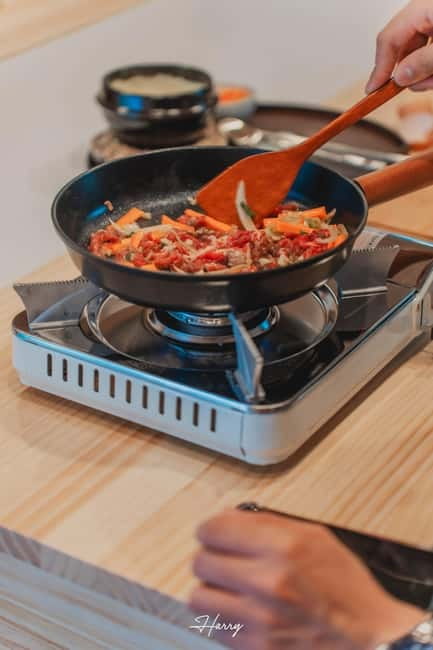
Bulgogi is the dish most people recognize, but the class approach makes it more than just a familiar name. You’ll learn how to prepare it with marinated beef, and the key value is learning the logic behind the flavor.
You’re not only learning steps. You’re learning how a Korean home meal is built—how seasoning, texture, and timing work together. Even if you don’t remember every detail later, you’ll walk away with a sense of how the dish comes together and what to pay attention to.
In your final meal, bulgogi is part of that Korean home-style spread. That’s one of the quieter wins of this tour: you cook and then eat what you made, so you immediately connect your effort to the finished result.
Practical tip: bulgogi is a dish where small differences in handling can affect the outcome. Watch how your instructor guides you on prep and cooking, then follow that rhythm. The class is paced so you can do it, but you’ll still get better results if you focus.
Gyeran-jjim: The Fluffy Steamed Egg Comfort Food
Next up is gyeran-jjim, a steamed egg dish that tastes like comfort and often feels surprisingly gentle for something that looks simple. You’ll learn how to prepare it so you end up with a light, fluffy texture rather than something heavy.
The steamed-egg style matters because it’s a cooking method lesson, not only an ingredient lesson. If you can get the approach right here, you’ll be able to apply the same thinking to other egg-based Korean dishes later.
And you’re not just rolling the dice—you’re doing it with guidance in the studio. This is one of the best parts of the experience for beginners, because your instructor can correct your technique before it turns into a frustrating mess.
Like bulgogi, gyeran-jjim is part of the meal you’ll enjoy during the session (lunch or dinner depending on timing). That makes it easier to judge what “good” feels like as you’re eating, not just after you’ve left.
Kimbap Rolling: A Skill You’ll Use Beyond This Class
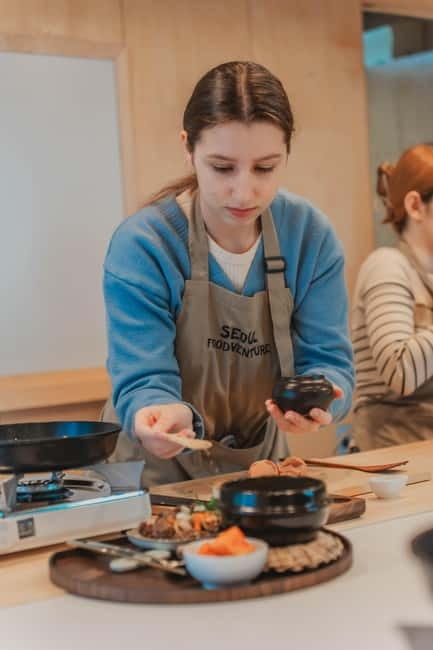
Then comes kimbap, the snack and picnic favorite. In the class, you’ll roll up your own kimbap, which is a skill you can take home fast because it’s visual and repeatable.
Kimbap is also where the small-group size becomes practical. You’ll have enough space to work through the rolling process, and you can get help if your roll isn’t quite behaving the first time. The goal is not perfection. It’s learning a method you can redo later.
The class frames kimbap as a “picnic snack” style food, which leads to a fun extra idea after the session. If you have leftover kimbap, you can take it and head to the nearby Han River for a simple Korean-style picnic—spreading out a mat and enjoying your food in the sun like locals.
I like this plan because it extends the class into a mini Seoul moment. You’re not just cooking and leaving. You’re turning the food into a memory with a place where you’ll actually want to eat it.
What’s Included (and Why That Changes the Value)
You’re paying for more than instruction. The experience includes:
- Market tour (for morning classes)
- Cooking class
- Ingredients for cooking
- Your meal (lunch or dinner)
- Recipe booklet
- Drinks
That’s what makes the price feel reasonable. At $89 per person for about 150 minutes, you’re not only buying a ticket to a kitchen. You’re buying ingredient sourcing, guided cooking, and a finished meal you can eat right away. For a first-time Korean cooking experience, that blend of “learn + do + taste” is usually where your money goes furthest.
The recipe booklet also matters. You’ll have something to take home when your brain inevitably forgets a small detail. I find that having written instructions is the difference between trying a dish once and actually being able to repeat it.
Price and Timing: Getting 150 Minutes That Don’t Waste Your Day
The whole experience runs about 150 minutes. For many people, that’s the sweet spot: long enough to shop, cook, and eat, but not so long that you’re trapped in the day with no flexibility.
When you compare value, the market tour being morning-only is the main timing factor. If you book a morning slot, you get the “shopping with locals” advantage. If you book another time, you may still get the cooking and meal, but you’d miss that specific market segment.
Also, the meeting location near Mangwon Station makes the experience easier to fit into a Seoul plan. You can tie it to a half-day around Hongdae/Mangwon without needing complicated transfers.
If you want a class that feels like home cooking rather than a performance, aim to go hungry and wear shoes that can handle walking through a market.
Who Should Book This Cooking Class in Seoul
This experience fits best if you want Korean food that feels real and repeatable.
You’ll likely love it if you:
- Want to learn three dishes in one go: bulgogi, gyeran-jjim, kimbap
- Prefer small-group attention (up to 8 people)
- Like the idea of shopping at Mangwon Market with locals
- Need English instruction and clear guidance as you cook
- Want to leave with a recipe booklet and a meal you made yourself
You might feel less excited if you already know how to cook these specific dishes and mainly want a deep technical class. This is very hands-on and friendly, but it isn’t described as a chef-level training workshop.
Little Details That Make or Break the Day
A few practical notes help the experience run smoothly:
- The market tour is only available for morning classes, so choose your time slot based on whether you care about the shopping segment.
- Tell the team about dietary restrictions or allergies in advance. They ask for this, which signals they plan for it.
- Wear comfortable shoes, because you’ll walk during the market portion.
Also, remember that the class includes drinks. That’s one less thing to plan and budget for mid-day.
Should You Book This Seoul Korean Cooking Class?
I’d book it if you want a balanced slice of Seoul food culture: shopping first, cooking next, and a meal you actually ate yourself. The best value is the pairing of Mangwon Market with hands-on practice in dishes that show up in Korean home cooking—especially if you’re new to these recipes.
Skip it only if mornings don’t work for you and you specifically want the market tour experience. Otherwise, even without a big culinary background, the structure is designed so you can participate and produce food you’ll be proud to bring to the table.
If you want a fun, practical Seoul morning or meal plan that doesn’t rely on luck, this is a solid pick.
FAQ
What dishes will I learn to make?
You’ll learn to prepare bulgogi, gyeran-jjim, and kimbap.
Where is the meeting point?
Meet at the studio, 4th floor, 8, World Cup-ro 13-gil, Mapo-gu, Seoul, Korea. You can find it by searching Seoul Foodventure on Google or Naver.
How long is the experience?
The experience lasts 150 minutes.
Is the market tour included, and is it available all day?
The market tour is included, but it is only available for morning classes.
Is the class suitable for beginners, and is it taught in English?
Yes. The class is designed for everyone, regardless of skill level, and instruction is in English.
What if I have dietary restrictions or allergies?
You should inform the team of any dietary restrictions or allergies in advance so they can plan for you.
Do you offer free cancellation or pay later?
Yes. You can cancel up to 24 hours in advance for a full refund, and there is an option to reserve now and pay later.