REVIEW · SEOUL
You’re Invited to Our Home in Seoul: The Only Cooking Class!
Book on GetYourGuide →Operated by Discover Seoul: Local Vibes · Bookable on GetYourGuide
Forget restaurants. Eat in a real home. This is a small, hands-on Korean cooking class where I love Jeon from scratch and the Han River view from inside the house. David and Hanna make you feel welcome fast, but do note it takes place in a real home and it’s not suitable for wheelchair users.
You’ll spend a focused 2 hours cooking, tasting, and learning family-style habits, not just copying a recipe. I especially like that you get a take-home recipe pack and the class is limited to just 4 people, so questions actually get answered. The menu includes Sikhye and Hotteok for dessert, plus a full meal with seasonal banchan.
The day also has a nice extra: after you eat, you can join an optional free 1-hour walk by the Han River and into the local area. If your goal is Seoul food you can make again, this one’s built for that.
In This Review
- Key highlights that make this class worth your time
- A real Seoul home with the Han River view in front of you
- David and Hanna make it feel like you belong
- Jeon from scratch: why these pancakes are more than just food
- The full meal: banchan, Doenjang-jjigae, tea, and dessert
- Dietary needs and spice control without the usual awkwardness
- The Han River walk: your optional free bonus hour
- Price and value: $110 for a small home meal and recipe you’ll actually use
- What to bring, and the practical stuff that can affect your comfort
- Should you book this Seoul cooking class?
- FAQ
- How long is the cooking class?
- What will I cook and eat?
- Is the class small group sized?
- Can the menu be adjusted for dietary needs or spice preferences?
- What’s included with the class?
- What’s not included?
- Is there an option after the meal?
- Is this experience wheelchair accessible?
Key highlights that make this class worth your time
- An actual Korean home experience with a big view of the Han River and downtown Seoul
- David and Hanna in the kitchen, welcoming, friendly, and happy to explain what you’re doing
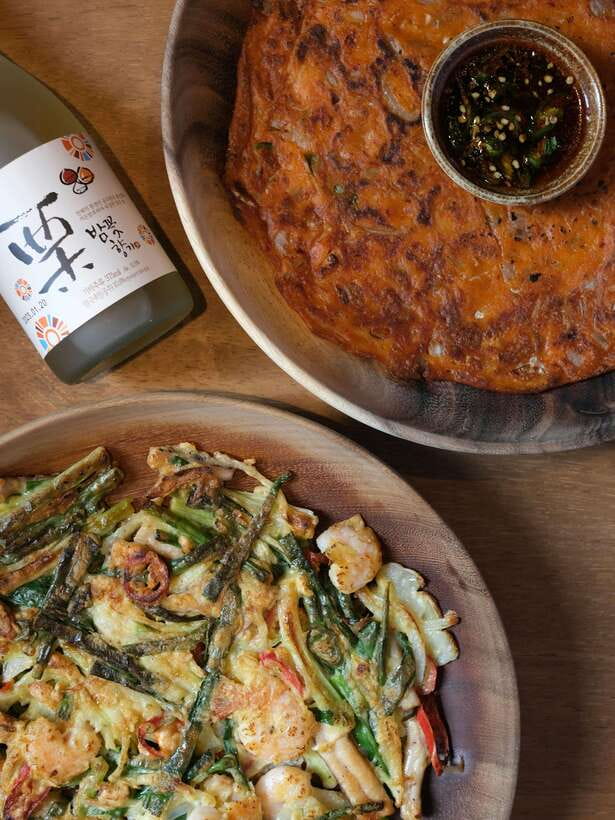
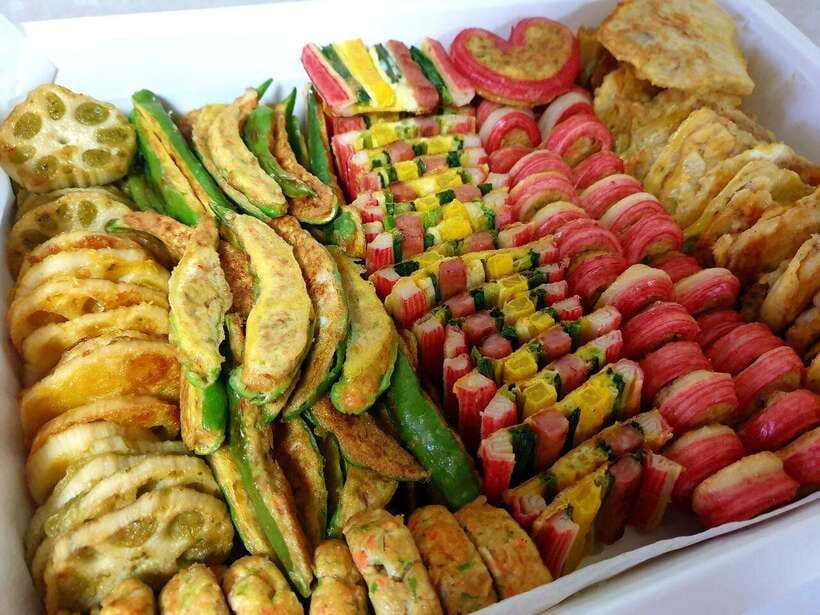
- Assorted Jeon made from scratch, with ingredient-based variety depending on what’s available
- Desserts included (Sikhye sweet rice punch and Hotteok) plus traditional tea throughout
- Dietary flexibility for vegan/vegetarian needs and spice adjustments when you tell them ahead of time
- Optional Han River walk after the meal for a light, scenic cooldown
A real Seoul home with the Han River view in front of you
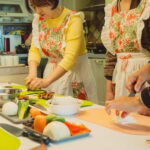
This class is set up like you’re being invited to dinner, not dropped into a studio kitchen. The setting matters more than it sounds. When you’re standing at a stove and you can look out toward the Han River and Seoul’s skyline, your whole mood changes. Cooking stops being a task and becomes a shared moment.
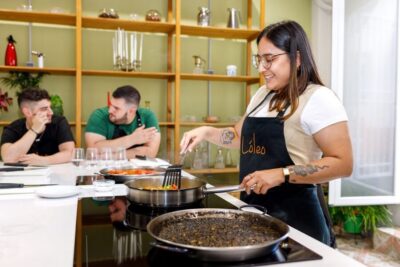
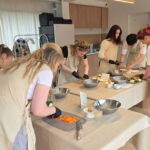
You’ll work in a home setting with the kind of comfort that makes learning easier. You’ll have use of an apron and the utensils you need during class, so you’re not hunting around for gear. And since the group is limited to 4 participants, you’re not stuck waiting your turn for basic instructions. That’s a big quality-of-life factor for a cooking class.
One more thing: the experience is specifically described as taking place in a real Korean home, not a commercial setting. That also explains the vibe you’ll feel from the hosts and their family. It tends to be warmer, more relaxed, and more personal than the typical ticketed cooking show.
You can also read our reviews of more tours and experiences in Seoul.
David and Hanna make it feel like you belong
The strongest praise here is about the people. David and Hanna (and family) are welcoming in a way that feels genuine, not scripted. In the past, I’ve seen hosts do the bare minimum—teach the steps, send you on your way. Here, the tone is different: you’re encouraged to ask questions, and you’ll get help that’s practical for how Koreans actually think about everyday food.
The class runs with English and Korean support, and that combination really helps. If you’re cooking and you’re not sure why something needs to look a certain way, you don’t want to guess. You can ask. One past participant also noted the hosts shared recommendations for what to try and see in Seoul, and helped with how to get around afterward. That kind of small guidance can save you time and stress.
Also, you’re not just cooking side dishes. You’re learning a way of eating and serving: the meal is part of the lesson. That matters because Korean home cooking is about balance—warm stew, multiple Jeon options, and banchan, all in the same table moment.
Jeon from scratch: why these pancakes are more than just food
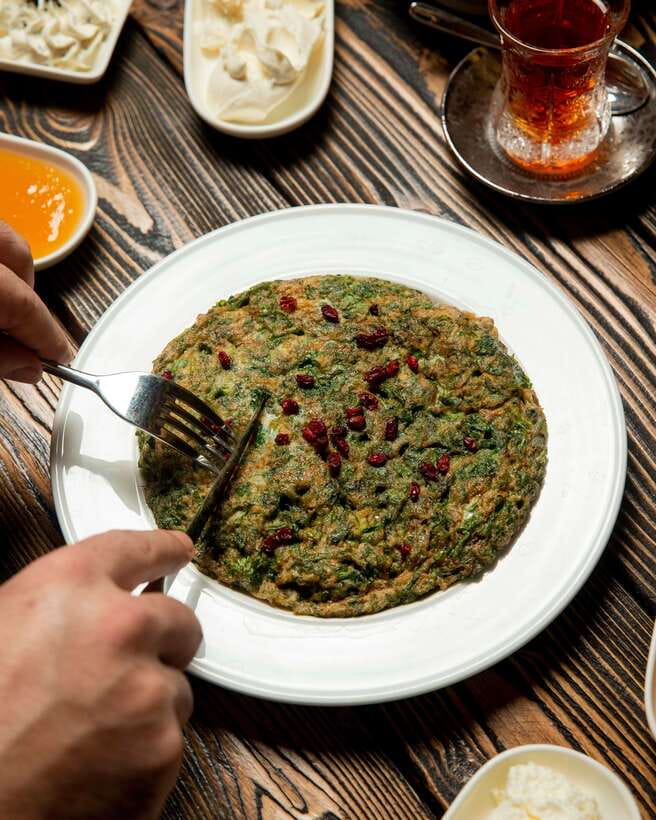
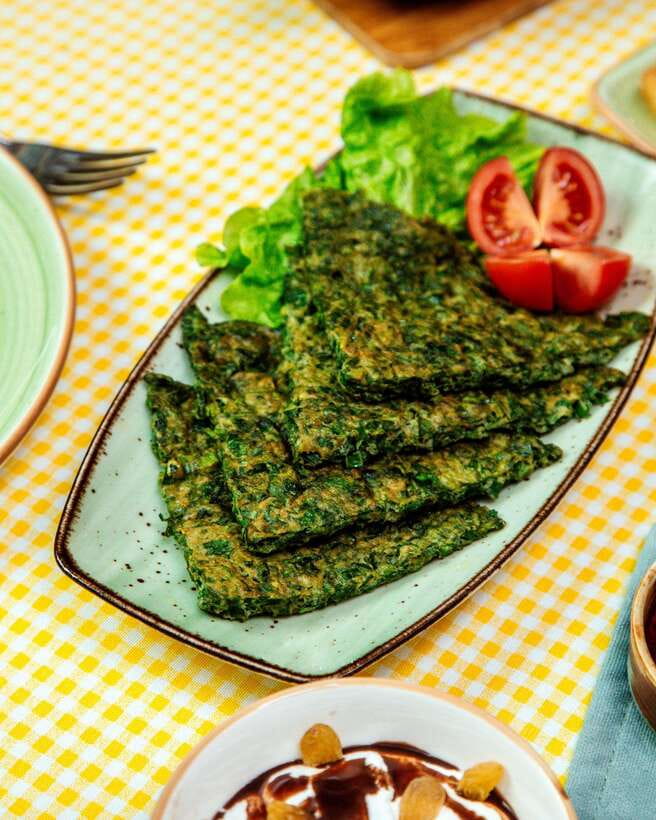
Jeon are often described like Korean pancakes, but the idea is broader. Jeon were tied to celebration and family tradition, including royal banquets and ancestral rituals during the Joseon Dynasty era. Today, the practical takeaway is this: Jeon are a social food. People make them together. They share them. They treat them like something worth paying attention to.
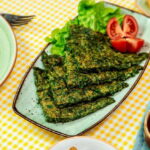
In class, you’ll make an assortment of Jeon from scratch. The exact pancake lineup can vary based on ingredient availability, which is smart. It keeps the experience grounded in what’s realistically fresh.
Here are the Jeon styles you may cook:
- Donggeurangttaeng (meatball pancake)
- Pajeon (scallion pancake)
- Hobakjeon (zucchini pancake)
- Beoseotjeon (mushroom pancake)
- Dubujeon (tofu pancake)
- Yukjeon (beef pancake)
- Kkochi-jeon (skewered pancake)
- Haemuljeon (seafood pancake)
If you’re the type who worries you’ll miss out because your preferred ingredient isn’t listed, don’t. The class explicitly notes the selection may change depending on what’s available that day. That’s a normal reality for home cooking, and it’s often why the food tastes fresher.
What you’ll learn as you cook:
- how to pan-fry and keep the batter and filling balanced
- how Jeon texture should feel as it cooks (not just taste)
- how patience plays a role when you want even browning
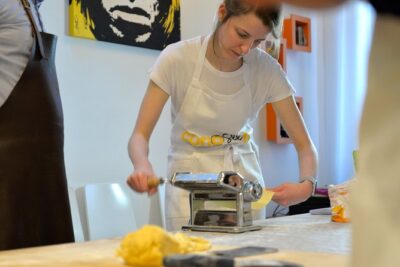
And yes, you’ll do the work: from prepping to flipping to plating. This is hands-on, not “watch the host cook while you take photos.”
One more practical plus: Jeon are forgiving for first-timers compared to dishes where one wrong move ruins the whole result. You might not get identical shape and thickness on your first attempt, but that’s part of the fun—and the hosts guide you toward what good looks like.
The full meal: banchan, Doenjang-jjigae, tea, and dessert
Cooking is only half the experience. The other half is eating what you made in a home meal setup with banchan and drinks built into the class.
Your menu includes:
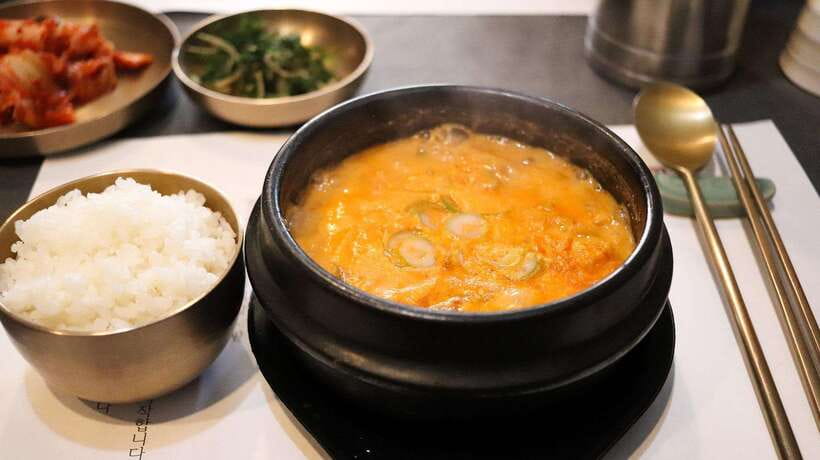
- Doenjang-jjigae (soybean paste stew)
- seasonal Korean banchan (side dishes)
- welcome drink: Korean traditional tea
- Korean dessert: Sikhye (sweet rice punch)
- Korean dessert: Hotteok (sweet Korean pancakes)
- traditional tea available throughout
This meal structure is useful for your real-life takeaway. Korean cooking doesn’t work as well when you treat dishes like separate isolated recipes. Here, you get a “table rhythm”: warm stew, multiple Jeon types, and small plates that change the texture and flavor each bite.
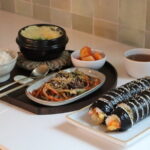
Depending on what’s served that day, you might also notice some extra dishes in the flow. For example, one past participant described gimbap and octopus ramen as part of their meal experience. Since pancake selections can vary by ingredient availability, it’s reasonable to expect the exact table details can shift too.
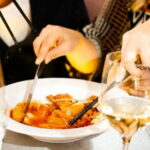
Desserts are a highlight in a way that food nerds will appreciate. Sikhye isn’t a random sweet drink; it’s a traditional, light way to reset after savory food. Hotteok adds that warm, syrupy contrast people crave in cooler weather. Together, they make the class feel complete, not like you just got a snack and a sticker for effort.
Dietary needs and spice control without the usual awkwardness
If you have dietary restrictions, this is one of the reasons to consider booking. The class states the menu can be adjusted for vegan, vegetarian, or specific dietary needs. It also says spice levels can be modified when needed.
That flexibility is more than marketing language. One past participant shared they have a shellfish allergy and felt safe enough to try Korean food without worry. Another participant praised the host team for being helpful and accommodating.
Here’s how to use this to your advantage:
- Tell them your needs early, not at the last second
- If you avoid certain ingredients, mention that clearly
- If spice is an issue, ask for a level adjustment before you arrive
Because this is a real home, the kitchen choices matter. Hosts who can adjust means you can focus on learning cooking technique instead of worrying what might be inside.
The Han River walk: your optional free bonus hour
After your meal, you have an optional free 1-hour walk by the Han River and the local area. This part is easy to skip if you’re tired, but it’s a smart add-on.
Why it’s worth doing:
- You’ll likely digest better than if you rush straight to Seoul nightlife
- The scenery helps you connect the food to the city that produced it
- It gives you quick orientation in the area around the river and downtown
Keep in mind that it’s optional. If you’ve got jet lag, you can stay seated and rest. If you like low-key exploring, this is exactly the kind of follow-up that helps your day feel rounded.
Price and value: $110 for a small home meal and recipe you’ll actually use

At $110 per person, you’re not buying a cheap activity. But the value comes from how much is included and how small the class is.
What you get for your money:
- a 2-hour hands-on cooking class
- welcome drink and Korean tea during the class
- a full-course meal with 3 main dishes and seasonal banchan
- Sikhye and Hotteok
- all ingredients and equipment provided for class
- utensils and aprons for use during the session
- recipes to take home
- a DSLR photography session with photos provided afterward
- an optional local area and Han River tour
Also, the group is capped at 4 participants. That small size affects the learning quality. It means you can ask questions, get feedback on your technique, and actually participate instead of hovering.
Two things that are not included:
- transportation to and from the class location
- ingredients for cooking at home later
So think of the fee as paying for an instructor, a real kitchen setup, and the full meal experience—not for ingredients you supply yourself. If you’re the type who enjoys replicating food after a trip, the recipe sharing can make that cost feel less painful.
What to bring, and the practical stuff that can affect your comfort
This experience is friendly, but it’s still a cooking class in a real home. You’ll want to plan for standing, moving around the kitchen, and learning by doing.
Bring:
- comfortable shoes
- a camera (there’s also a DSLR session, but your own shots are handy)
- snacks and water
Water is included during the class, but having a snack in your day bag helps if you’re arriving hungry or you get snacky later.
A few rules to keep things smooth:
- no pets
- no smoking
And one important comfort note:
- it’s not suitable for wheelchair users
If you have mobility concerns, that’s worth taking seriously. It’s best to assume you’ll be navigating a home space rather than a modern, fully accessible venue.
Should you book this Seoul cooking class?

I’d book it if you want Korean food in a real-home context, not a one-size-fits-all restaurant lesson. You’ll enjoy the hands-on Jeon practice, the cozy setup with hosts like David and Hanna, and the payoff of eating what you made with tea and desserts. The optional Han River walk is a nice bonus if you like scenic, gentle sightseeing.
Skip it if home-kitchen logistics would stress you out, especially if you need wheelchair accessibility. Also, if you only want the simplest, lowest-cost food activity, this isn’t built for that. This one is a committed, small-group experience with a full table meal included.
FAQ
How long is the cooking class?
The experience lasts 2 hours.
What will I cook and eat?
You’ll cook a Korean home menu that includes Sikhye and Assorted Jeon, plus Doenjang-jjigae. The Jeon selection can vary depending on ingredient availability. You’ll also have traditional tea, seasonal banchan, and Hotteok as dessert.
Is the class small group sized?
Yes. It’s limited to 4 participants.
Can the menu be adjusted for dietary needs or spice preferences?
Yes. The menu can be adjusted for vegan, vegetarian, or specific dietary needs, and the spice level can be modified if needed. You should inform them in advance.
What’s included with the class?
Included items are welcome Korean traditional tea, a full-course meal with 3 main dishes and seasonal banchan, Sikhye and Hotteok, traditional tea and snacks during class, guidance from the host, all ingredients and equipment for class, recipes to take home, utensils and apron, water, an optional local area and Han River tour, and a DSLR photography session with photos provided afterward.
What’s not included?
Transportation to and from the class location is not included. Ingredients for cooking at home later are also not included.
Is there an option after the meal?
Yes. There’s an optional free 1-hour Han River walk by the river and the local area after your meal.
Is this experience wheelchair accessible?
No. It’s not suitable for wheelchair users.