REVIEW · SEOUL
(Seoul) Korean Cooking Class with a Professional Chef
Book on GetYourGuide →Operated by Ricely Cooking Studio · Bookable on GetYourGuide
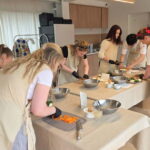
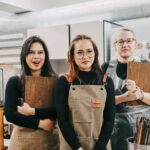
Korean cooking gets personal here. At Ricely Cooking Studio in Gyeonggi Province, you cook at your own station in a small group with Chef Da-ye, then eat what you make with recipe cards to take home. I like how relaxed it feels and how hands-on it is, but one thing to plan for: only people who are actively booked into the lesson can be inside—no spectators or waiting area for friends and family.
You’ll spend about 2.5 hours total, including cooking and eating, and the class is in English. The menu rotates by day, so you can pick a theme—Korean home cooking, street food bunsik, or vegan Korean comfort food—depending on what you want to learn most.
In This Review
- Key takeaways
- Meet Da-ye at Ricely Cooking Studio (and why the tone matters)
- The 2.5-hour format: more than just cooking
- What you cook depends on the day (pick your Seoul food mood)
- Your hands-on learning: Korean home skills, explained simply
- Eating what you made: rice, kimchi, and the taste-test moment
- Recipes, photos, and videos: your future cooking shortcut
- Price and value: why $105 can make sense
- Logistics in Gyeonggi Province: plan for a focused block
- Who this class is best for (and who might not love it)
- Should you book this Korean cooking class in Seoul?
- FAQ
- How long is the class?
- How many people are in each class?
- Is the instruction in English?
- Do the dishes change depending on the day?
- What do I get after the class?
- Can children or spectators join?
- Is there a refund if I cancel?
Key takeaways
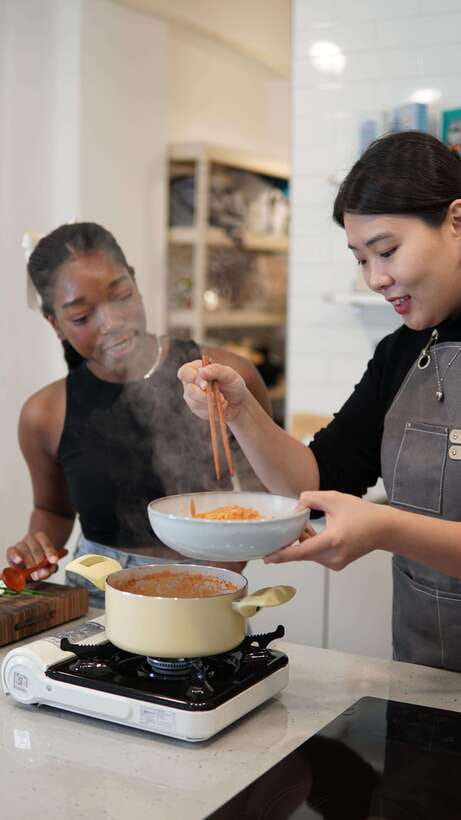
- Chef Da-ye’s teaching style: friendly, practical guidance from someone who’s been teaching Korean cuisine for 12 years
- Max 3 people at a time: more attention, fewer awkward pauses, and faster learning
- Hands-on meals you can remake: you get recipe cards plus photos and videos after class
- You actually sit down and eat: complimentary rice and kimchi help you taste-test your own work
- Day-by-day menus: beef bulgogi and pancakes, street food tteok-bokki and fried chicken, dakgalbi, or a vegan set
- No spectators: plan to spend your time fully in the class room, not hovering outside
Meet Da-ye at Ricely Cooking Studio (and why the tone matters)
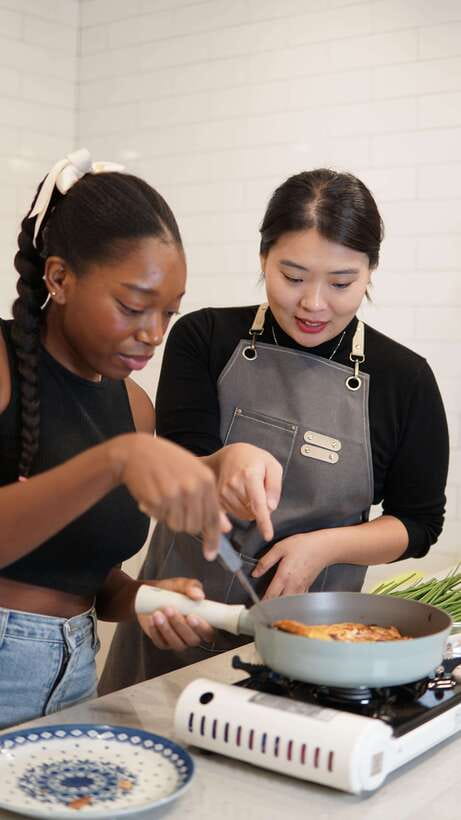
This isn’t a rushed demo where you watch and wait. The setup is practical from the start: you’re part of the cooking, seated at your own station, working through your chosen dishes step by step. That matters because Korean home cooking is all about method—timing, heat, seasoning, and texture—and you’ll learn those things by doing them, not just hearing about them.
The instructor, Da-ye, is the owner of Ricely Cooking Studio and also runs Nosh, a British brunch cafe in Seoul. She’s taught Korean cuisine for years to people of different ages and backgrounds, including experience shaped by living and teaching in multicultural London. Translation: she knows how to explain flavors without assuming you already speak the language of Korean pantry staples.
And yes, the small-group format changes the vibe. With at most 3 participants, you’re not fighting for attention. If your pa-jeon batter seems too thick, or your jjigae needs adjusting, you’re likely to get real-time help instead of a generic answer.
You can also read our reviews of more tours and experiences in Seoul.
The 2.5-hour format: more than just cooking
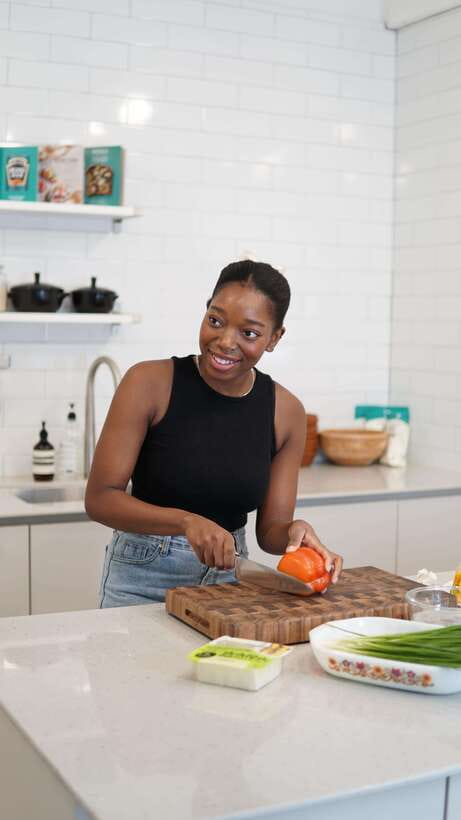
The lesson lasts 2.5 hours, and that includes both teaching time and the time you spend enjoying your meal. That’s a big deal. Many cooking classes treat the eating part as an afterthought, like a pat on the back. Here, eating is part of the learning loop. You cook, you taste, and you settle into what you made before you leave.
You also start with a welcome coffee or drink, and during the meal you get complimentary drinks, rice, and kimchi. Those simple sides do more than fill plates. They give you a baseline for Korean flavors—bright, salty kimchi bite next to warm rice—and help you judge whether your main dish is leaning too sweet, too salty, or just right.
One more plus: you’re not going home empty-handed. The class structure supports leftovers, and that’s exactly what you want on a trip. You can turn that last portion into lunch the next day instead of hunting for something familiar after a long sightseeing day.
What you cook depends on the day (pick your Seoul food mood)
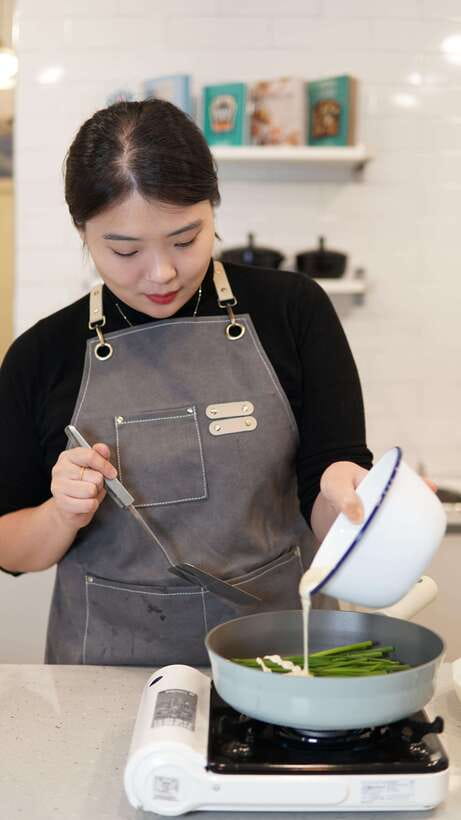
This class rotates through distinct themes depending on the day you book. Instead of forcing one menu on everyone, it lets you choose what you most want to learn—home-cooked comfort dishes, Korean street-food favorites, or a vegan Korean lineup.
Here’s the day-by-day menu schedule:
- Mon & Tue: Korean home-cooked meal
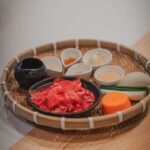
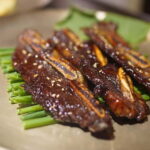
Beef bulgogi + seafood pa-jeon (seafood spring onion pancake) + pork kimchi jjigae
- Wed: Korean street food, bunsik
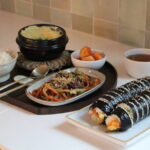
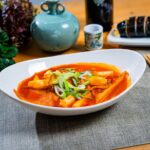
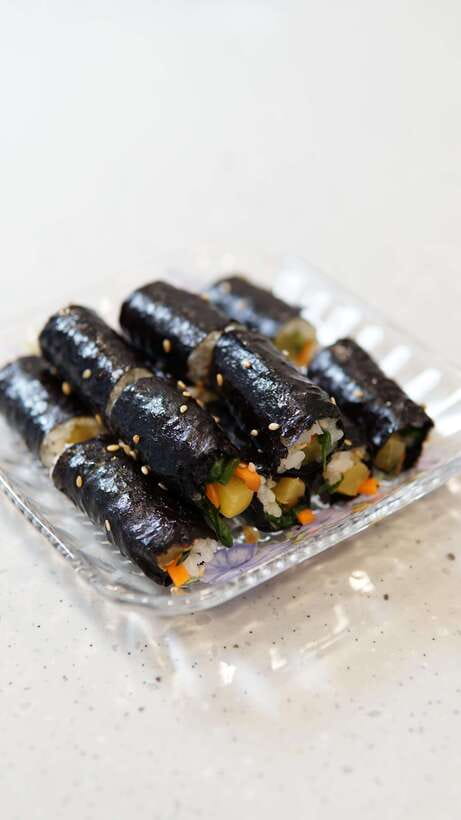
Tteok-bokki + Korean fried chicken (dakgangjeong) + mini kimbap
- Thu: Korean home-cooked meal
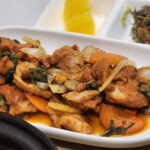
Dakgalbi + kimchi jeon + doenjang jjigae (soy bean paste stew)
- Fri: Vegan Korean home-cooked meal
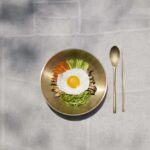
Bibimbap + japchae + doenjang jjigae (soy bean paste stew)
This variety makes the experience feel like Korean food with chapters, not a single-page recipe sheet. If your Korean goal is comfort and warmth, go for the home-cooked days. If you want snackable fun and crowd-pleasing flavors, Wednesday’s bunsik set is the move. If you’re vegan (or just want a plant-forward Korean meal), Friday gives you a full, satisfying lineup rather than a token substitution.
Your hands-on learning: Korean home skills, explained simply
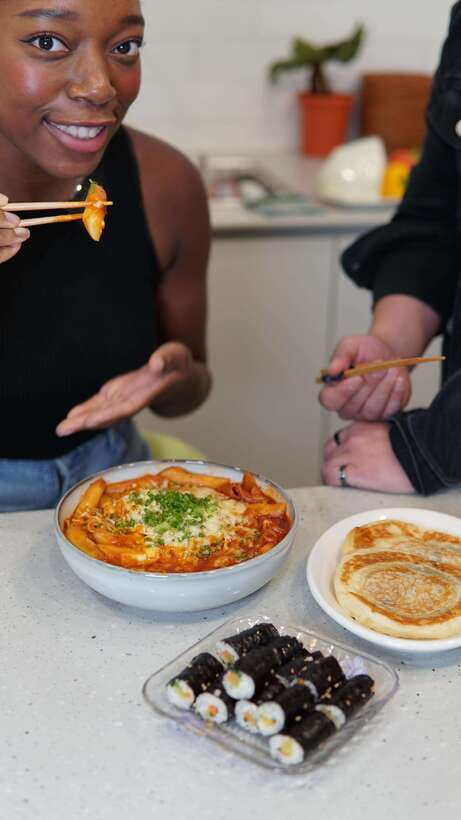
You’ll learn how to prepare and cook your chosen dishes from a Korean cuisine specialist. The class is designed to be relaxed, but it’s not vague. You get tips and tricks that are used by Koreans when cooking at home, which is where most cooking classes fall short.
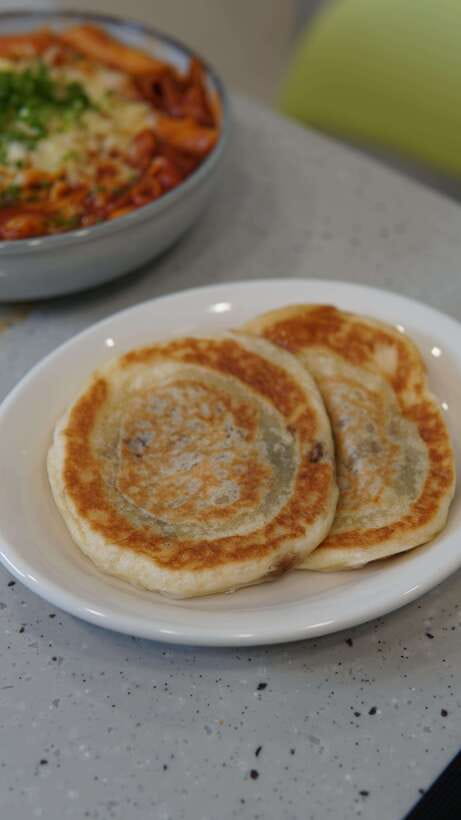
For example, Korean cooking isn’t just about ingredients. It’s about balance and rhythm: searing vs. simmering, getting pancakes to set without turning rubbery, and adjusting stews so they taste layered instead of one-note. When you work through multiple dishes in one session, you start to see patterns—how seasoning behaves differently in grilled bulgogi compared with a stew based on doenjang or kimchi.
And because you cook at your own station, you’re building muscle memory. That’s the real souvenir. You leave knowing how to handle core techniques, not just how to follow a one-time recipe.
If you’re the type who likes to ask why something works, this style will suit you. The instructor’s background in cooking education and content creation suggests you’ll get practical explanations—enough context to cook again later without turning the kitchen into a chemistry lab.
Eating what you made: rice, kimchi, and the taste-test moment
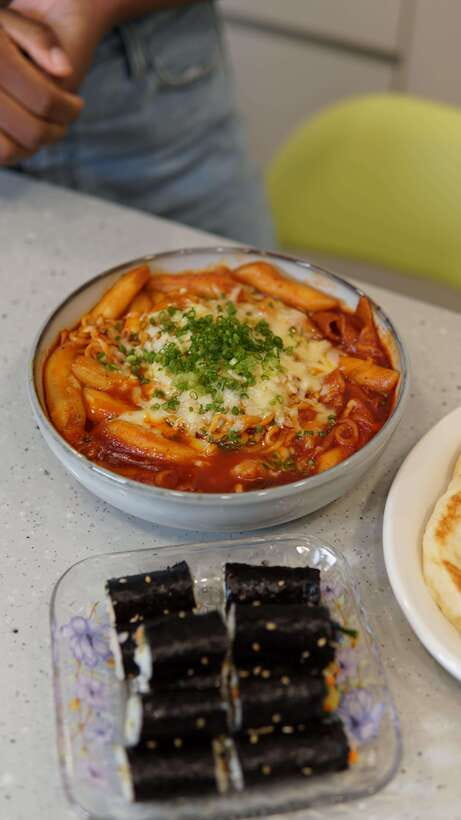
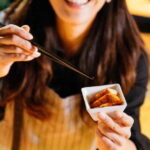
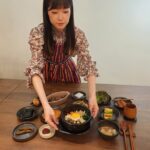
Here’s the part that makes this class feel genuinely Korean, not just instructional: you sit down and enjoy the meal you made. Complimentary sides—rice and kimchi—show up so you can test flavors side by side.
That matters, because Korean food is often about contrast:
- the clean base of rice
- the tangy heat of kimchi
- the richness or spice of your main dish
When you taste your own bulgogi or jjigae with rice and kimchi, you get instant feedback. You’ll know if the sauce needs more depth next time, or if the stew tastes best after a short simmer rather than right at the boil. That’s how you learn to cook without following steps like a robot.
Also, the class structure supports conversation. Small groups make it easier to ask questions, talk about what you’re tasting, and get practical suggestions for other foods to try in Seoul—something people appreciate when they’re spending a few hours focused on one theme.
Recipes, photos, and videos: your future cooking shortcut
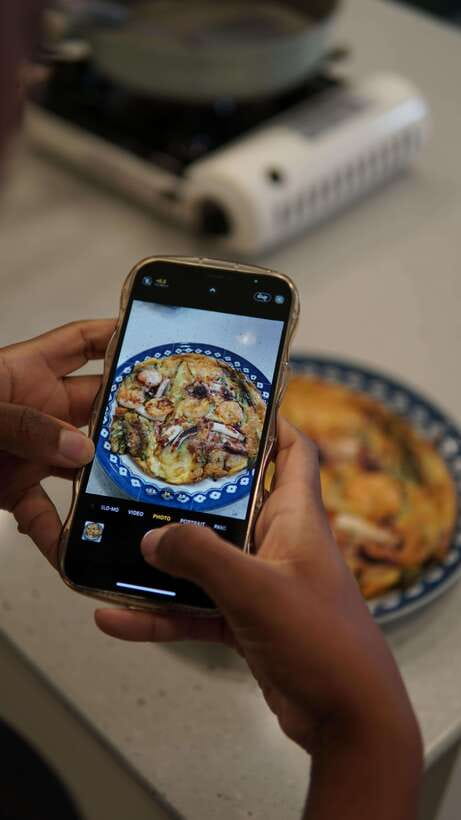
After the class, you receive recipe cards along with photos and videos. This is one of the most valuable parts of the whole experience, because cooking classes live or die by what you can recreate later.
Recipe cards help you reset your memory after the trip. Photos let you compare what you made to what the finished dish should look like. Videos are especially useful for techniques—things like texture cues, plating ideas, or step pacing—where a written recipe alone can feel too flat.
And the fact that you get this for each menu set makes the whole price easier to justify. You’re not just paying for two hours of entertainment. You’re buying a pack of tools that turns Korean food into something you can cook at home without guesswork.
Price and value: why $105 can make sense
At $105 per person, this class isn’t a cheap impulse booking. But for many people, it’s priced in a way that matches what you actually get: a professional chef-led lesson, a small group, multiple dishes in one session, and take-home materials (recipes, photos, videos) plus drinks and sides.
Here’s what you’re really paying for:
- Professional instruction tailored to cooking, not just observing
- Small-group attention (max 3) that helps you move through steps with less frustration
- Multiple dishes in one class time slot, which gives you more variety than a single-recipe workshop
- A built-in meal: rice, kimchi, complimentary drinks, and the satisfaction of eating your own cooking
- Practical take-home support for future cooking
If you’re the type who enjoys food as part of your trip (not just as a quick meal between museums), this is the kind of experience that can pay off quickly. It gives you a repeatable skill, not just a story.
Logistics in Gyeonggi Province: plan for a focused block
The studio is in Gyeonggi Province. In real life, that usually means you should treat this as a half-day commitment. You’re there for 2.5 hours including eating, and you’ll want to arrive with enough time to get settled.
Also, note the studio rule: only paid guests who are actively taking part in the cookery lesson are permitted during class progress. That means no spectators. If you’re traveling with someone who wants to watch but not cook, you’ll need to plan differently—either they book their own spot or they plan an alternative activity nearby.
One more detail that helps: you skip the line through a separate entrance. It’s not a headline, but it can make a difference when your day is already packed.
Who this class is best for (and who might not love it)
This Korean cooking class works especially well if you:
- want Korean cooking that you can recreate at home
- prefer a small group learning setup over crowded classes
- care about learning techniques, not just collecting photos
- like getting a full meal as part of the experience
It’s also a strong fit if you have a specific food goal based on the day’s menu. Want to learn more about Korean stews and soybean paste? Thursday and Friday point you there. Want street-food energy? Wednesday gives you bunsik favorites like tteok-bokki and dakgangjeong.
It’s not suitable for children under 18. And because spectators aren’t allowed, it’s not ideal for people who want to tag along without participating.
Should you book this Korean cooking class in Seoul?
If you’re choosing between a “fun workshop” and a skill-building food experience, I’d lean this way. The combination of a professional chef, small-group size (max 3), multiple dishes, and take-home recipe cards plus photos and videos makes it one of the more practical cooking classes in the Seoul area.
Book it if you want to leave with more than a meal—if you want something you can cook again. The day-by-day menu options also make it easier to match the class to your taste: home cooking, street food, or vegan Korean comfort.
Skip it if you’re hoping for a relaxed spectator-friendly hangout, or if you’re traveling with kids who need an under-18 option. This one is built for active participants, not observers.
FAQ
How long is the class?
The lesson lasts 2.5 hours, and that includes both the teaching time and the time you spend enjoying the meal you made.
How many people are in each class?
The class is a small group with a maximum of 3 participants at a time.
Is the instruction in English?
Yes. The instructor teaches in English.
Do the dishes change depending on the day?
Yes. The menu varies by day: Mon & Tue focus on a Korean home-cooked meal, Wednesday is Korean street food (bunsik), Thursday is another home-cooked menu, and Friday offers a vegan Korean home-cooked set.
What do I get after the class?
You’ll receive recipe cards, plus photos and videos after the class.
Can children or spectators join?
It isn’t suitable for children under 18. Also, only paid guests actively taking part in the cookery lesson are allowed in the studio while classes are in progress.
Is there a refund if I cancel?
You can cancel up to 24 hours in advance for a full refund.