REVIEW · SEOUL
Korean Cooking Class Full Meal with BBQ on an All in One Table
Book on Viator →Operated by Soop Table: The Hansik Atelier · Bookable on Viator
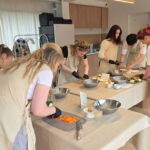
Cook a Korean table, not a food tour. This class is built around a Hanok-inspired kitchen and the idea that you should cook, plate, and eat a whole meal together at once, not nibble on bites. I like that it’s hands-on from start to finish (with BBQ handled by the chef), and I really enjoy the menu design that covers banchan, soup, and a main dish so you leave with a complete Korean dining rhythm, not just one recipe. One consideration: you’ll be doing the prep and plating yourself, so if you want a mostly watch-and-eat experience, this won’t feel like that.
A big bonus is how calm the setup is. You’re not racing through a market or being hurried along. You’re in a focused studio where seasonal vegetables and fermented staples like doenjang and gochujang are part of the lesson, and where the food is meant to land on the table as a composed set.
In This Review
- Key Highlights You’ll Care About
- Why a Hanok-Inspired Kitchen Changes Everything
- Your 3-Hour Flow: Tea, Four Banchan, Bibimbap, BBQ, and Dessert
- Start With a Welcome Tea
- Make Four Korean Side Dishes (Banchan)
- Choose Your Main and Your Soup or Stew
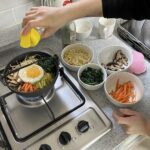
- Plate Bibimbap Your Way
- Enjoy the Meal With Chef-Grilled BBQ and a Liquor Taste
- Finish by Making a Popular Korean Dessert Together
- The Ingredients Lesson: Doenjang and Gochujang as Flavor Shortcuts
- All-at-Once Korean Serving Style: Why It Works for Learners
- The Value Angle: Is $89 Worth It in Seoul?
- Where It Fits Best (And Who Should Skip It)
- Booking Reality: What to Expect Before You Arrive
- Should You Book This Korean Cooking Class?
- FAQ
- What’s the duration of the Korean cooking class?
- What do I cook during the class?
- Is this a market tour?
- How big is the class group?
- What’s included during the meal?
- What if the weather is poor?
Key Highlights You’ll Care About
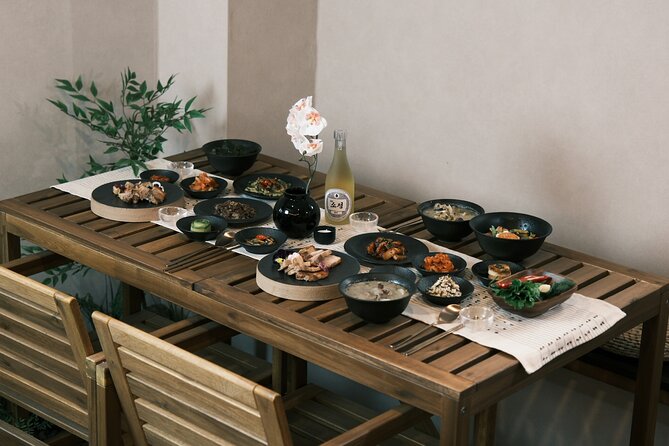
- Hanok-style studio cooking that feels more like a workshop than a restaurant class
- A full table menu, from multiple banchan to a soup or stew and a main dish
- All-at-once Korean serving style, so your meal reads like a real Korean spread
- Bibimbap plating practice, letting you build the bowl the way you want it
- Chef-grilled BBQ and traditional liquor tasting, added during your meal
- Small group size (max 8), which keeps instructions practical
Why a Hanok-Inspired Kitchen Changes Everything
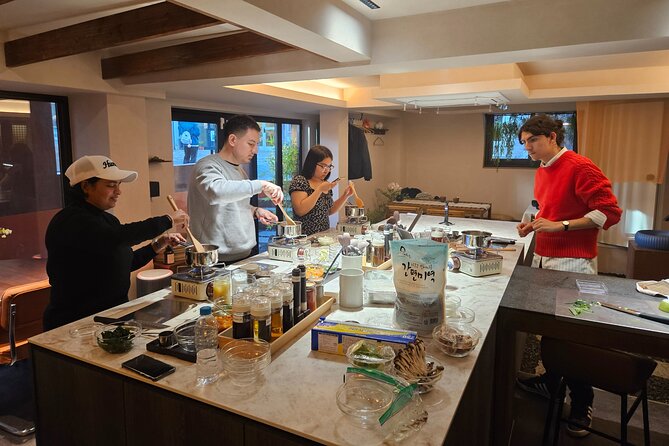
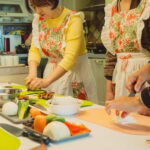
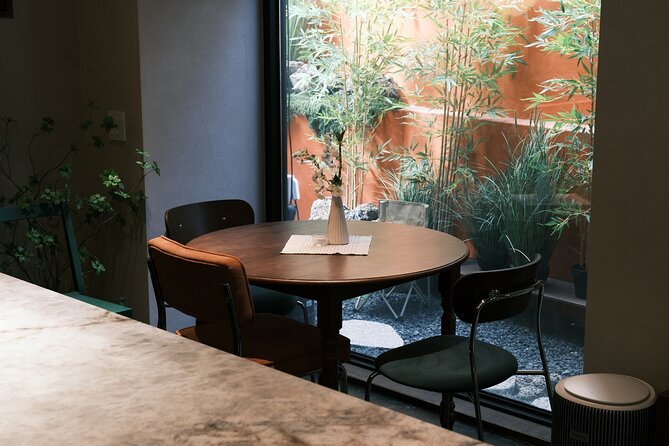
The setting matters more than you’d think. In this class, you cook in a kitchen inspired by traditional Hanok architecture. That design choice nudges the whole experience toward slower, calmer work. Instead of doing quick demo steps, you get a space that supports real prep: chopping, mixing, tasting, and building flavors.
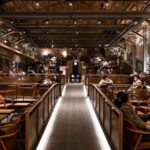
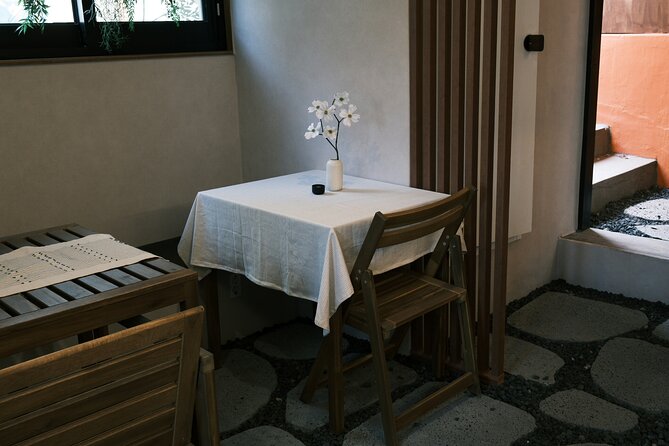
Also, this place feels considered in the details. One review mentioned a lava and slate walkway and a lovely ambience as you arrive. Even if you’re only there for a few hours, the vibe helps you settle in fast, which makes the cooking part feel easier.
You can also read our reviews of more tours and experiences in Seoul.
Your 3-Hour Flow: Tea, Four Banchan, Bibimbap, BBQ, and Dessert
This runs about 3 hours, and it moves like a Korean meal should: one coordinated table, not a series of separate snacks.
Start With a Welcome Tea
You begin with a seasonal Korean welcome tea. It’s a simple start, but it sets a tone: you’re here to taste, not just to cook. I like that this isn’t skipped or treated like a formality.
Make Four Korean Side Dishes (Banchan)
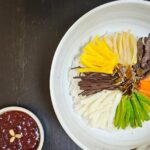
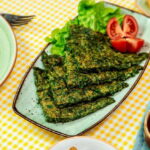
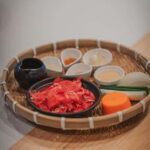
Next comes the work that usually feels most rewarding: you make four kinds of Korean side dishes using fresh vegetables. The class leans into seasonal ingredients, and it also highlights fermented bases that shape Korean flavor.
If you’re the type who’s always wondered why Korean sides taste deeper than you expect, this is where it clicks. Side dishes in Korea aren’t afterthoughts. They’re part of the main meal’s balance—salty, savory, slightly tangy, sometimes sweet, and often designed to complement the bowl you’re about to build.
Practical note: with only 3 hours total, focus on mastering your own steps. Don’t try to speed-run everything. You’ll get the most out of it if you take your time mixing and adjusting flavors.
Choose Your Main and Your Soup or Stew
After the banchan, you pick one main dish and one soup or stew based on your taste. That choice matters because Korean meals work as a system. If you pick a main that’s richer or spicier, pairing it with a soup/stew that cools or balances can make the whole table feel intentional.
The class structure also helps you learn how Korean cooking thinks. You’re not memorizing isolated recipes. You’re building a set.
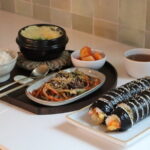
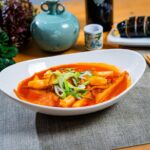
Plate Bibimbap Your Way
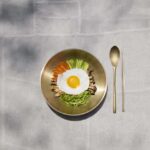
Then comes a standout moment: you plate your own Bibimbap beautifully, your way. This part is fun because it’s creative, but it’s also practical. Bibimbap isn’t just ingredients piled into a bowl. It’s texture and visual rhythm—vegetables, sauce, and toppings arranged so every bite has purpose.
If you like food that looks good and tastes correct, this is a great target skill. And since you’re doing it yourself, you’ll remember it when you try to make Korean food later at home.
Enjoy the Meal With Chef-Grilled BBQ and a Liquor Taste
During the meal, the chef serves grilled pork belly BBQ and also a taste of traditional liquor. Here’s the key point: you’ve already done the cooking for your table. The BBQ is added so you experience a “complete Korean dining” moment—your work plus the chef’s grill.
One consideration: the BBQ is not cooked by you. That’s not a negative; it just means the class balances hands-on cooking with a chef-led component. If you want everything DIY, you’ll have to look for a different format. But if your goal is a full Korean table experience, the mix makes sense.
Finish by Making a Popular Korean Dessert Together
After eating, you make a popular Korean dessert together. This is a nice way to round out the lesson so it doesn’t end right after the meal. You get the closure of something sweet that feels like it belongs at the end of a real dining session, not as a separate event.
The Ingredients Lesson: Doenjang and Gochujang as Flavor Shortcuts
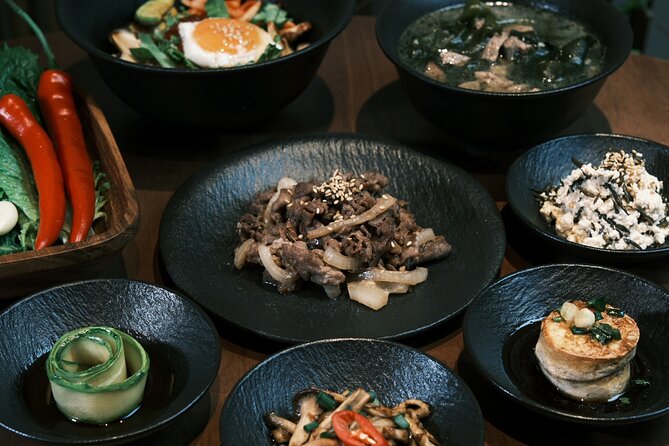
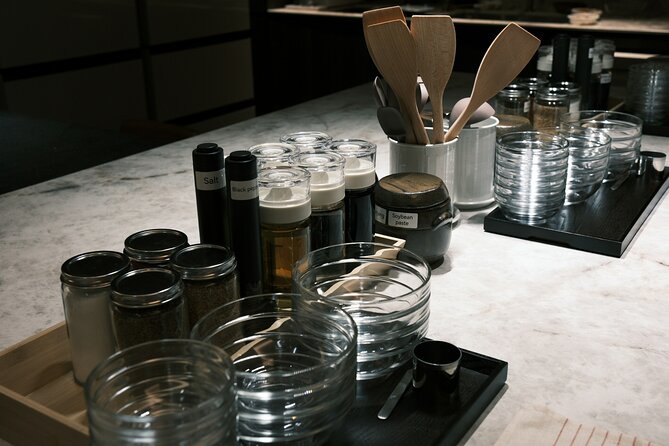
A major reason this class feels worth it is how it frames Korean sauces and ingredients. You work with seasonal vegetables and fermented pastes like doenjang and gochujang. Some of these are brought directly from the chef’s hometown, which signals that you’re tasting flavors designed for Korean home cooking standards, not just generic restaurant versions.
Here’s why that matters for you: these pastes aren’t interchangeable. Doenjang tends to bring earthy, savory depth. Gochujang brings heat plus a sweet-spicy character that behaves differently depending on how it’s mixed.
You’ll learn how these ingredients reflect nature and season. That idea isn’t just storytelling. When you’re cooking with the right produce at the right time, the flavors feel more coherent. Even if you’re a beginner, you start to understand how Korean cooking balances fermentation, freshness, and heat.
All-at-Once Korean Serving Style: Why It Works for Learners
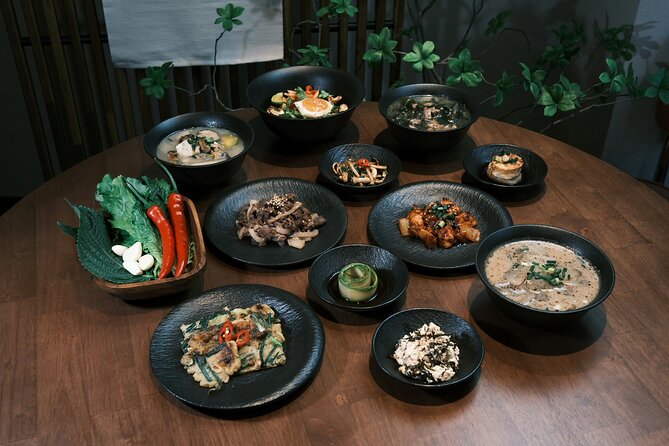
In many Western-style cooking classes, food is spaced out. You eat after each stage, like a lab report. This class goes the other way. Your meal is designed to be served all at once—the way it’s meant to be shared.
I love that format because it helps you learn practical pairing. When everything arrives together—banchan, soup or stew, main, and your bibimbap planning—you immediately feel which flavors cut through others, and which ones soften the spicy notes.
It’s also a more social way to eat. You’re not waiting around between steps. You’re working toward one table.
The Value Angle: Is $89 Worth It in Seoul?
At $89 per person, this isn’t a bargain class. But it also isn’t just a recipe workshop. You’re paying for:
- A complete meal structure: banchan + soup/stew + main + bibimbap plating + dessert
- A Hanok-style studio setting (less like a strip-mall classroom, more like a designed kitchen)
- Small group size (max 8), which supports hands-on help
- Chef-led BBQ and a liquor taste added during your meal
- Ingredient guidance tied to real Korean dining culture, not only techniques
If your goal is to leave with a handful of dishes you can realistically recreate, this format gives you more “finished outcomes” than most classes. You’ll also understand how Korean meals read as sets. That’s often what people struggle with when they only learn one dish at a time.
Where It Fits Best (And Who Should Skip It)
This experience is a strong fit if you:
- Want a true Korean table experience, not a snack tour
- Enjoy hands-on cooking and don’t mind doing the prep work
- Like learning how fermented flavors work in everyday meals
- Prefer a calm setting where you can focus for a full 3 hours
It may be a weaker fit if you:
- Want to spend most of the time outside or wandering around markets
- Prefer watching rather than cooking
- Are looking for a casual meal without any real effort
One more thing: the class doesn’t pitch itself as a traditional market tour. It’s about cooking, plating, and eating. If you’re craving outdoor sights as the main event, you’ll likely want a different type of tour and pair this with dinner plans.
Booking Reality: What to Expect Before You Arrive
This uses a mobile ticket, and the meeting point is in Mapo-gu near public transportation: Soop Table: Korean Cooking Class, 46-gil, 34 1층, Donggyo-ro 46-gil, Mapo-gu, Seoul. The group is capped at 8, so you should take timing seriously once you’re confirmed.
A review specifically noted that the host Woody reached out to confirm dinner choices and timing. That’s a helpful sign: you’re not guessing what you’re cooking or when you should be there.
Should You Book This Korean Cooking Class?
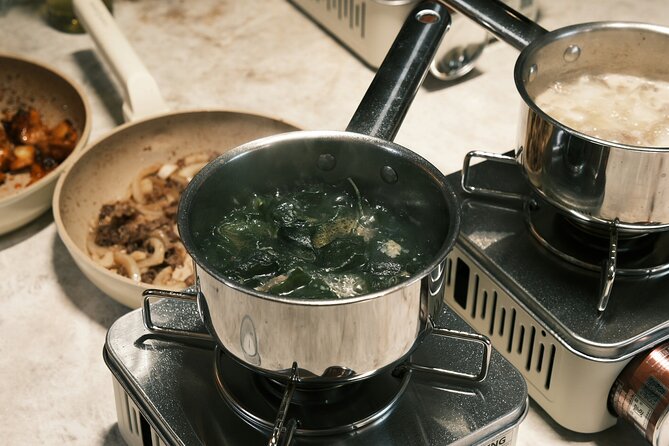
Book it if you want a real Korean meal experience you can recreate at home. The combination of full-table cooking, bibimbap plating, and chef-grilled BBQ turns it into something more complete than a typical class. And the Hanok-inspired setting makes the whole thing feel grounded, not rushed.
Skip it if you’re only chasing food without work. This is for people who like to chop, mix, taste, plate, and eat what they made.
If you’re in Seoul and you want one experience that teaches you how Korean home cooking functions as a full spread, this is one of the better ways to spend an afternoon.
FAQ
What’s the duration of the Korean cooking class?
The class lasts about 3 hours.
What do I cook during the class?
You make four kinds of Korean side dishes (banchan), choose one main dish and one soup or stew, and plate your own Bibimbap. You also make a popular Korean dessert together. The grilled pork belly BBQ is served by the chef.
Is this a market tour?
No. It’s not a commercial market tour and it’s not positioned as a food tour. The focus is on cooking, plating, and eating a full Korean meal.
How big is the class group?
The maximum group size is 8 travelers.
What’s included during the meal?
Along with the food you cook, the chef serves grilled pork belly BBQ and offers a taste of traditional liquor.
What if the weather is poor?
The experience requires good weather. If it’s canceled due to poor weather, you’ll be offered a different date or a full refund.