REVIEW · SEOUL
Seoul: Temple Vegan Cooking Class & Oriental Medicine Tour
Book on Viator →Operated by TRIPPER KOREA · Bookable on Viator
Your day in Seoul smells like herbs and toast.
This tour blends temple-style vegan cooking with Korean oriental medicine culture, then wraps it up with markets, classic Seoul pop-culture corners, and simple street bites over about four hours.
I especially like two things. First, you get hands-on temple food cooking led by a Buddhist monk, with an English interpreter to keep everything clear. Second, you’ll hit major wellness and food stops like Yangnyeongsi (medicinal herbs) and Starbucks Gyeongdong 1960 (in an old theater).
One thing to consider: the schedule is packed. With museum time, markets, and walking between areas, you’ll want comfy shoes and patience if you’re sensitive to crowds.
In This Review
- Temple Vegan Cooking Meets Korean Medicine: The Point of This Tour
- Temple Food Cooking Class With a Monk: What You’ll Actually Do
- The Herbal Medicine Market Time: Yangnyeongsi and Why It Matters
- Korean Medicine Development Center: Museum, Massage, and Tea
- Gyeongdong Market Stops: Old Theatre Starbucks and Gold Star Radio LG
- Gyeongdong Market Underground City: Seoul’s Past Under the Pavement
- Market Food and Healthy Drinks: What You Might Try
- Cheongnyangni Fruit and Vegetable Market: Seasonal Produce With Purpose
- Time, Group Size, and Getting Around: The Real Day Plan
- Value for $77: What You’re Paying For (and What You’re Not)
- Who This Tour Suits Best
- Should You Book This Seoul Temple Vegan Cooking and Korean Medicine Tour?
- FAQ
- How long is the Seoul Temple Vegan Cooking Class & Oriental Medicine Tour?
- What does the tour cost?
- Is there an English guide?
- Does the tour include temple vegan cooking with a monk?
- Are admissions included?
- Is transportation included?
- What food and drinks are included?
- Where do I meet and where does the tour end?
- Do I need hotel pickup?
- Do I need WhatsApp for tour updates?
- (Optional) Accessibility and Participation Notes
Temple Vegan Cooking Meets Korean Medicine: The Point of This Tour
This isn’t a “food tour with a wellness label.” It’s built around the idea that what Koreans eat and how they care for the body have long been connected—through herbs, tea, massage, and everyday market ingredients.
You’ll start with a temple cooking experience that uses Buddhist ideas about plant-based food and balance. Then the day shifts from plates to practices: medicinal herbs at Seoul’s well-known market, a Korean medicine center where you can try massage techniques, and tea as a simple finish. After that, the tour turns outward to Seoul’s real texture—market snacks, fruit and veg shopping, and quirky cultural stops in the Gyeongdong area.
At $77 for roughly four hours, the value is mostly in two buckets: a guided monk-led cooking activity plus paid admissions and included food. The rest is how the guide connects the themes so you don’t feel like you’re hopping from random stop to random stop.
Temple Food Cooking Class With a Monk: What You’ll Actually Do
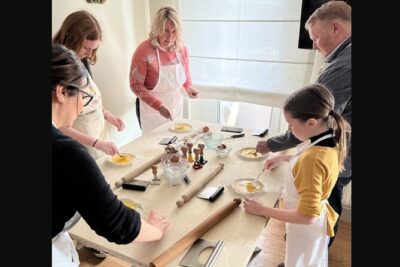
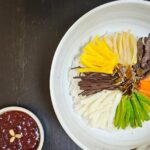
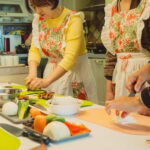
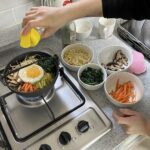
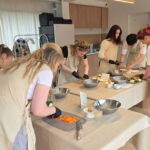
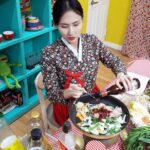
The heart of the experience is the Korean Temple Food Center session. If you’re doing the class option, you’ll be cooking in a calm temple setting with a real Buddhist monk guiding the process, and you’ll have an English interpreter keeping you on track.
In practice, this means you’re not just watching someone else cook. You’re making plant-based dishes inspired by Buddhist philosophy—think food as nourishment and steadiness, not trendy “health” branding. The format is hands-on, and it’s designed to be understandable even if your Korean cooking skills are zero (mine include zero skills for chopsticks on a good day).
Timing matters here: it’s a two-hour chunk, long enough to learn techniques and not just get a quick demo. Also, because it’s inside a temple food setting, the atmosphere is quieter than most cooking classes in Seoul. That difference is real. It makes the “why” of the food feel more connected than if the same dishes were cooked in a loud restaurant kitchen.
What to bring: a curious attitude and your willingness to taste things you haven’t had before. The tour also includes market snacks and healthy beverages later, so don’t go in starving. You’ll want your taste buds awake, not drowning in hunger.
You can also read our reviews of more tours and experiences in Seoul.
The Herbal Medicine Market Time: Yangnyeongsi and Why It Matters
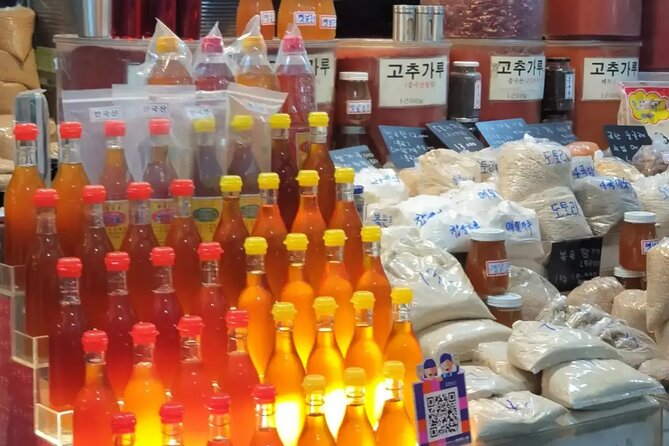
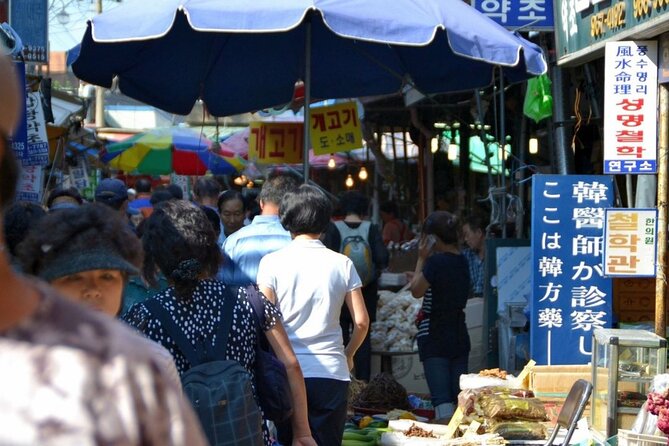
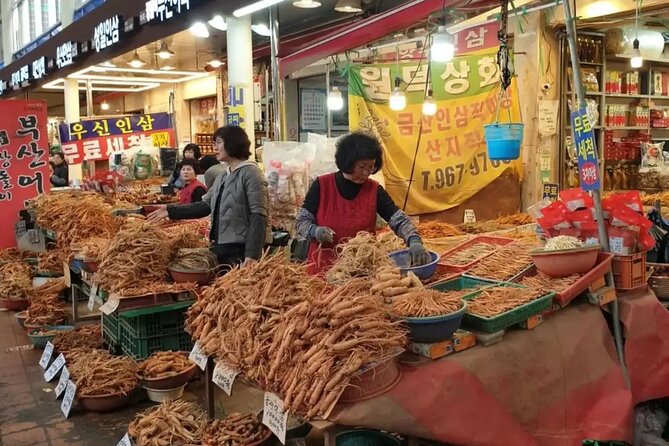
After the cooking class, the tour moves from food philosophy to herbal reality. You’ll visit Seoul Yangnyeongsi, one of the city’s oldest and most famous medicinal herb markets, where you’ll get about 15 minutes to soak up the sights and concepts behind Korean traditional health.
This is one of those stops where you’ll likely notice two things quickly:
- Herbs are not treated like rare museum items; they’re part of everyday knowledge.
- People shop here for ideas about balance and healing, not just for products.
Even in a short visit, it’s useful because it gives you a practical frame for what you’ll see later at the Korean medicine center. Instead of learning terms only from an explanation, you see how the ingredients show up in real commerce—packaged, dried, stored, and selected.
It’s also a good pace break after the cooking class. Fifteen minutes isn’t long enough to overwhelm you, but it’s enough to feel the market’s purpose.
Korean Medicine Development Center: Museum, Massage, and Tea
The next stop is the Seoul K-Medi Center experience (via the Korean Medicine Development Center). You’ll get about 40 minutes total, and you’ll do three hands-on style activities plus time for learning:
- Museum of Korean medicine history
You’ll learn how Korean medicine has shaped health practices over thousands of years. The key value here is context. You’ll understand the logic behind herbs and everyday remedies, rather than treating them as random facts.
- Traditional Korean massage therapy
You’ll try massage techniques for areas like the waist, eyes, hands, and feet. It’s not meant to turn you into a practitioner—it’s meant to help you experience the idea of relieving fatigue through targeted touch.
One review mentioned a machine-based massage experience that didn’t feel effective. That’s important to weigh: the massage component may feel different depending on what’s operating that day. If your goal is a fully manual, hands-on treatment, this is worth thinking about.
- Korean medicine cafe drink
You’ll enjoy a cup of Korean traditional tea or a related beverage. This is where the tour makes it easy to connect the day’s lessons with something you can hold, sip, and remember.
This is one of the best parts of the tour because it gives you a “from idea to body” sequence: learn → try → taste. If you tend to collect travel facts but forget to feel them, this stop corrects that.
Gyeongdong Market Stops: Old Theatre Starbucks and Gold Star Radio LG
Then you shift into Gyeongdong Market for quick, fun cultural punctuation marks that connect old Seoul with newer tastes.
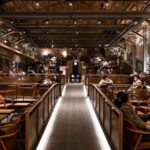
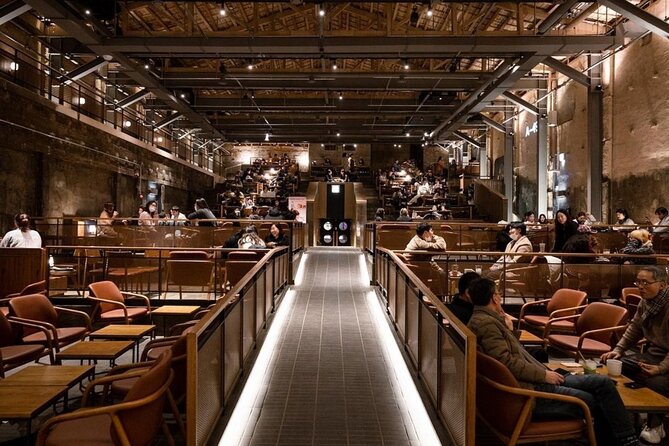
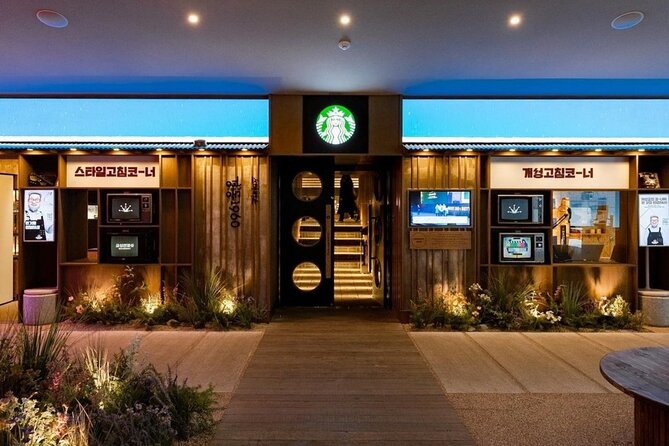
You’ll visit Starbucks Gyeongdong 1960, a café reconstructed from an old theater. It’s one of those places where the building tells a story even before you sit down—Seoul likes to remix its past into something you can access today.
Next is Gold Star Radio LG, where you’ll see vintage LG home appliances. This isn’t just a nostalgic corner. It helps you understand Korea’s tech journey through tangible objects—how everyday electronics evolved from older designs into the modern consumer world.
Timing is short at these two spots (around 10 minutes each), so think of them as “grab a feel, take a photo, move on.” If you’re the type who could spend an hour in a museum display hall, you might wish you had more time here. But as part of a four-hour tour, it works: you keep energy for the markets and food.
Gyeongdong Market Underground City: Seoul’s Past Under the Pavement
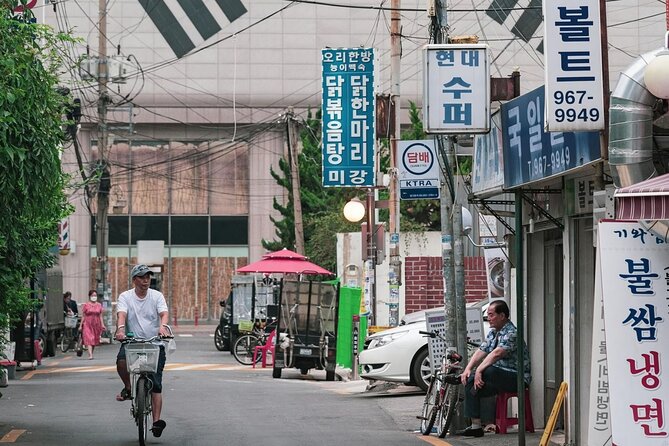
After the quick cultural stops, you’ll explore the Gyeongdong Market Underground City for about 10 minutes. This is a subterranean shopping complex with a preserved market ambiance from the 1980s.
Why it’s worth your attention: it gives you a different kind of Seoul realism. It’s not a staged “old street.” It feels like a place locals used and lived through—shops, passageways, and daily shopping energy down below.
Because you only have about 10 minutes, don’t expect to “shop your way through.” Instead, use the time to:
- notice how businesses are arranged underground,
- look at signage and shop layouts,
- and take in the shift between street-level Seoul and below-ground Seoul.
It’s a small slot that adds a lot of flavor to the overall day. And yes, the air down there can feel different. That’s part of the point.
Market Food and Healthy Drinks: What You Might Try
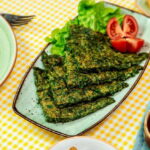
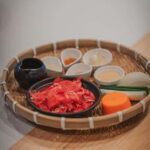
Food comes back in a practical way with included market snack time. You’ll have about 15 minutes for local market food, with things like fruits, vegetables, and healthy drinks such as omija (a traditional berry-based drink).
The tour also includes snacks and healthy beverages throughout the experience. That matters because it makes the day feel continuous—you’re not spending all your time doing activities where you’re hungry but can’t snack until the end.
What should you do during the market food window? Ask your English guide what’s easiest to try quickly. If you see items that look unfamiliar, go for small portions. This is the kind of tour where you’ll learn more by tasting and asking than by trying to master a complicated menu.
If you’re vegan: the early temple cooking is plant-based, but market items can vary. The tour includes a set of snacks and market foods, so you’ll have options. Still, I’d keep dietary needs clear with your guide ahead of time when possible—especially if you’re strict about ingredients.
Cheongnyangni Fruit and Vegetable Market: Seasonal Produce With Purpose
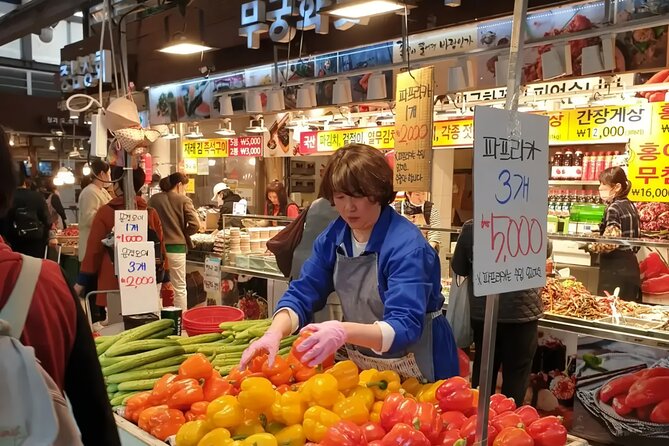
The final food-land stop is Cheongnyangni Traditional Fruit and Vegetable Market, where you’ll spend about 20 minutes. This is Korea’s produce side of wellness: you’ll see seasonal fruits and vegetables, and you’ll get chances to taste exclusive fruits that are unique to Korea.
Even with a limited time window, it’s a smart ending because it connects the day’s themes:
- The cooking class gave you food philosophy.
- The medicine center connected food and body care.
- The herb market showed ingredients tied to healing ideas.
- Now the fruit market brings it back to what you can buy and eat.
If you like markets where you can actually imagine what you’d cook at home, this is the stop that helps you translate travel experiences into real grocery decisions later.
Time, Group Size, and Getting Around: The Real Day Plan
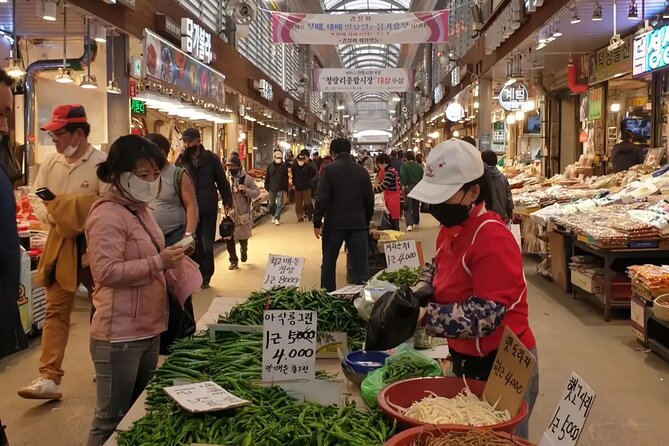
This tour runs about four hours and keeps groups to a maximum of 20. That size is large enough for variety and energy, but small enough that you should be able to hear your guide and stay together without constant panic.
There’s no hotel pickup or drop-off. You’ll meet at Artist Bakery, 167 Anguk-dong, Jongno District, Seoul, and the tour ends around Jegi-dong, Dongdaemun District. Since you’re near public transportation, you should be able to route yourself using subway and short walks, but you’ll still want to budget time to get from one area to the next.
A few practical tips that make a difference:
- Wear comfortable shoes. You’ll do enough walking to feel it by hour three.
- Keep your phone charged and ready for the mobile ticket.
- If the weekend crowds hit, expect some noise and congestion near the market areas. It’s part of the experience, not a problem with the tour.
One more detail worth taking seriously: the day before your tour, you’ll get detailed info via WhatsApp if you provide a number. If you don’t use WhatsApp, it gets sent by email. Either way, read it. It helps you avoid the classic travel problem of arriving at the right street but the wrong entrance.
Value for $77: What You’re Paying For (and What You’re Not)
Let’s talk money the honest way. At $77 per person for about four hours, you’re not just paying for someone to point at buildings.
You’re getting:
- a licensed English guide,
- transportation fee,
- the temple food cooking experience,
- admission ticket for the oriental medicine museum (the Korean Medicine Development Center part),
- a drink at the medicine cafe,
- snacks, fruits, healthy beverages, and simple market foods,
- and admission help for the temple cooking and medicine center components.
You’re not getting:
- hotel pickup/drop-off (you travel to the meeting point on your own),
- everything you might want to buy at the markets afterward (you’ll still pay if you shop),
- and any meal outside the included snack/food structure.
So the value calculation comes down to this: you’re buying access to a guided, structured cultural experience in a short time frame, with enough included food to keep you satisfied without hunting for meals.
If you love cooking, wellness culture, and markets, $77 can feel very fair. If you’re mostly in Seoul for sightseeing photos and you don’t care about herbs, tea, or massage experiences, you might not feel the cost is worth it.
Who This Tour Suits Best
This tour fits best if you’re any of the following:
- a foodie who wants more meaning than just a snack list,
- someone curious about Korean traditional medicine and how it’s expressed in daily life,
- a wellness-minded traveler who likes gentle “try it” experiences (massage and tea),
- a cultural explorer who enjoys Seoul’s mix of old spaces like theaters and modern shopping patterns underground.
It may feel less ideal if you want a very slow pace, long museum time, or a totally hands-on massage from a practitioner. One massage component can vary based on what’s running that day, and the overall schedule stays tight.
If you’re traveling as a couple or solo, the maximum group size of 20 should keep things friendly. If you’re sensitive to crowds, try to pick a day when markets feel manageable.
Should You Book This Seoul Temple Vegan Cooking and Korean Medicine Tour?
I think you should book it if you want a day where food, healing ideas, and everyday Seoul markets connect into one story. The strongest parts are the monk-led temple cooking class, the Korean medicine center with museum + massage + tea, and the included snacks that keep the day moving.
Skip it or be cautious if you’re the type who needs a calm, spacious pace. This tour is structured and active. Also, if the massage experience is a top priority for you, know that the delivery can feel different depending on how it’s set up.
If you’re on the fence, here’s a simple decision rule: if you’ll enjoy cooking plus learning plus tasting, you’ll have a good time. If you only want one of those three, you may find the mix not quite your style.
FAQ
How long is the Seoul Temple Vegan Cooking Class & Oriental Medicine Tour?
The tour lasts about 4 hours.
What does the tour cost?
It’s priced at $77.00 per person.
Is there an English guide?
Yes. You’ll have a professional licensed English guide.
Does the tour include temple vegan cooking with a monk?
Yes. The temple food cooking experience is included, and it’s described as being guided by a Buddhist monk (with an English interpreter).
Are admissions included?
Yes. Admission fees for the Oriental Medicine Museum are included, and admission tickets for the temple cooking center are included. Market admission at the medicinal herb market and the fruit/vegetable market are listed as free.
Is transportation included?
Yes. The tour includes a transportation fee.
What food and drinks are included?
The tour includes snacks, fruits, healthy beverages, and simple market foods, plus one drink at an Oriental Medicine Cafe.
Where do I meet and where does the tour end?
You start at Artist Bakery, 167 Anguk-dong, Jongno District, Seoul, and the tour ends at Jegi-dong, Dongdaemun District, Seoul.
Do I need hotel pickup?
No. Hotel pickup and drop-off are not included.
Do I need WhatsApp for tour updates?
The day before, detailed information is sent via WhatsApp if you provide a phone number. If you don’t use WhatsApp, the information is sent by email.
(Optional) Accessibility and Participation Notes
Service animals are allowed, and the tour says most travelers can participate.