REVIEW · ESSAOUIRA
Moroccan Food Cooking Class with a Local Chef in Marrakech
Book on GetYourGuide →Operated by Morocco tours from marrakech · Bookable on GetYourGuide
Cooking with a local chef beats any restaurant meal. This Marrakech class mixes market shopping with real stove-time, including how to make Moroccan mint tea the old-fashioned way, then cook tagines with the right spices. I really like that you’re not just watching—you’re building confidence step by step, including peeling, chopping, and seasoning. One consideration: this is a hands-on half-day, so don’t expect a full sightseeing day after pickup.
What also works well is the pacing and the vibe. You’ll go as part of a small group (often about 7 people), with a live guide in Arabic, French, and English, and you’ll get a driver for pickup and return. The class ends with a relaxed sit-down to taste what you cooked, not a rushed wrap-up.
For your money, I like that you typically prepare 3–4 dishes plus bread, water, and tea—so you leave with a practical template for a real meal at home. The trade-off is that you’ll follow the schedule and the kitchen workflow, including no smoking and no alcohol or drugs during the experience.
In This Review
- Key moments that make this class worth your time
- How the half-day actually flows: pickup, Essaouira walk, then cooking time
- Shopping like a local: the market stop that teaches more than ingredients
- Moroccan mint tea: the small ritual that changes the whole class
- Tagine skills: chopping, peeling, and spice seasoning you can reuse
- Team cooking: how you manage 3–4 dishes in 210 minutes
- Eating what you made: bread, tea, and the real payoff
- Price and value: why $36 makes sense for what you get
- Who should book this Marrakech cooking class
- Small practical tips so your class goes smoothly
- Should you book this Marrakech cooking class?
- FAQ
- How long is the experience?
- Where does the experience start and end?
- Do I visit Essaouira during the experience?
- What’s included in the price?
- What languages is the guide available in?
- Do we make Moroccan mint tea?
- How many dishes will I cook?
- Are vegan, vegetarian, or gluten-free options available?
- Is alcohol allowed?
- Can I cancel for a full refund?
Key moments that make this class worth your time
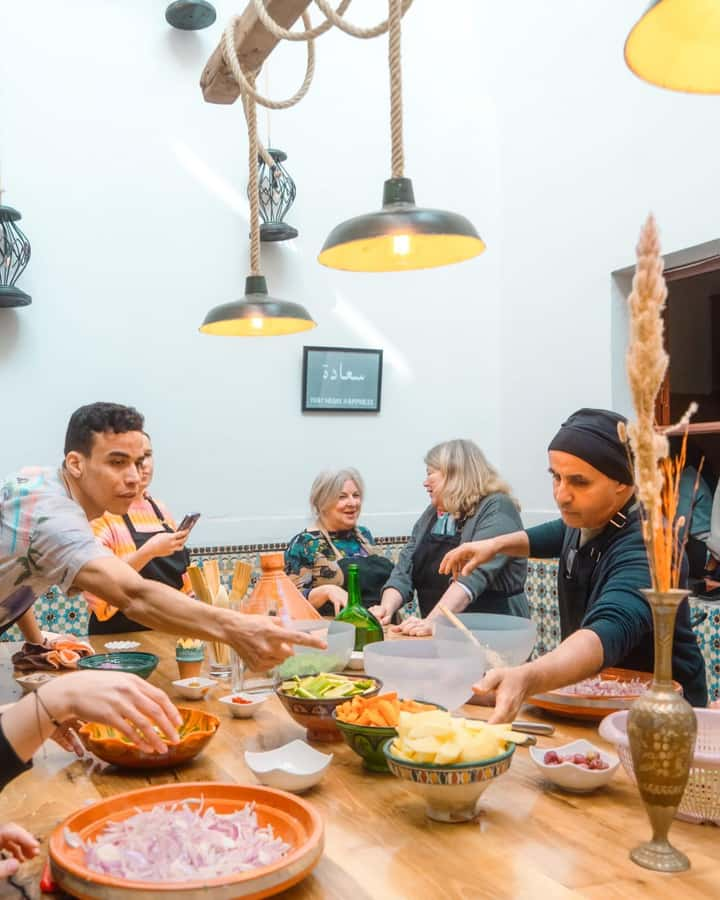
- Pick up ingredients like locals: a quick local market stop for vegetables and the supplies you’ll use.
- Old-school Moroccan mint tea: you’ll learn the method and then slow down long enough to share it.
- Chef-led tagine seasoning: chopping, peeling, and learning which spices go where.
- A hands-on meal, not a demo: you’ll cook multiple dishes so your skills actually stick.
- Dietary options are built in: you’ll cook vegan, vegetarian, and gluten-free-friendly items when possible.
- Recipes arrive later: you’ll get a link in the evening to recipes for more dishes.
How the half-day actually flows: pickup, Essaouira walk, then cooking time
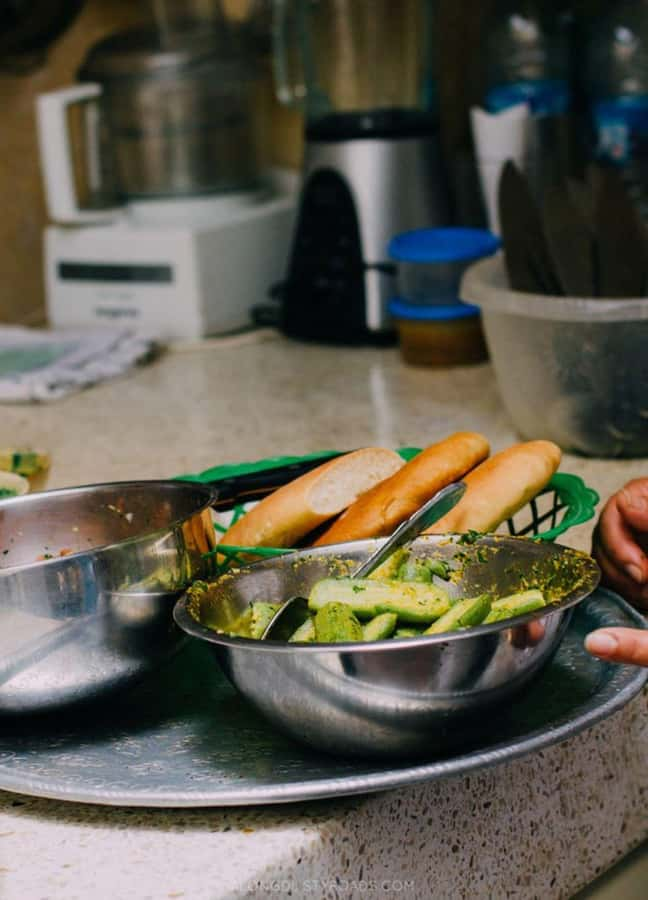
The experience starts with pickup in Marrakesh. After that, you’ll head out for a guided visit and walk in Essaouira, which gives you a quick taste of another coastal side of Morocco before you get serious about food. It’s not a long excursion, but it helps break up the day so the cooking doesn’t feel like one long indoor stretch.
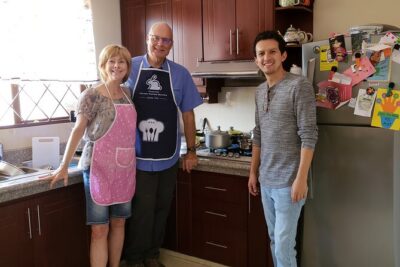
Next comes the part that most people book for: the kitchen session where you learn cooking methods and spice logic. The format is built around small steps—how to handle produce, how to layer spices, and how to season tagines so they taste Moroccan rather than generic.
There’s a gentle, vacation-style feel to the timing. Even though it’s listed as 210 minutes, the way it runs is more like you’re spending an afternoon with a family kitchen rhythm than racing through a checklist.
You can also read our reviews of more tours and experiences in Essaouira.
Shopping like a local: the market stop that teaches more than ingredients
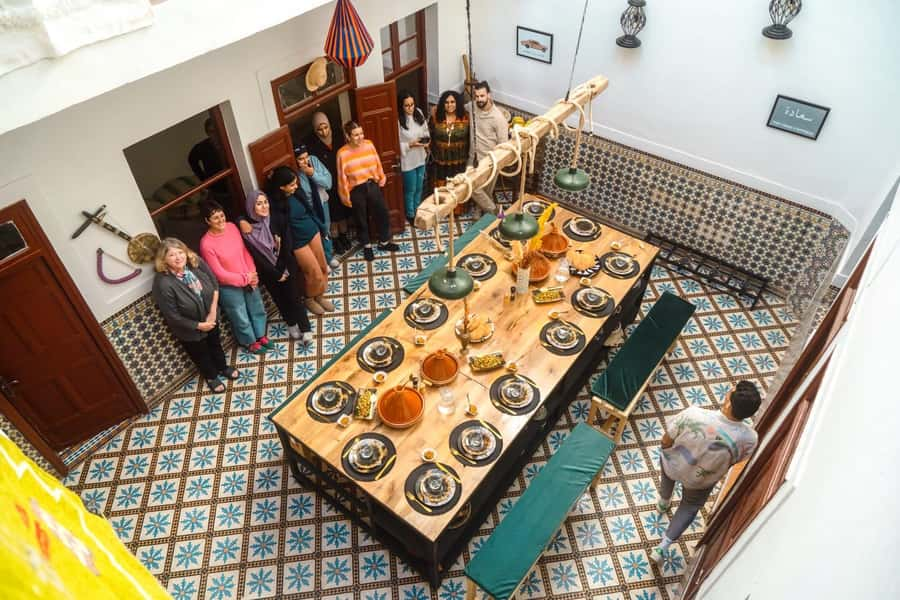
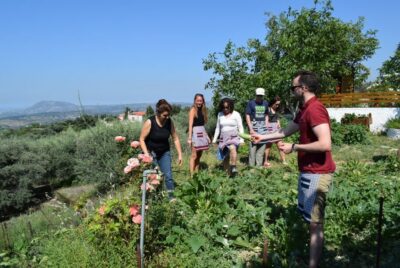
You don’t just arrive at a classroom kitchen. You begin with a brief market run to collect vegetables and the other supplies you’ll need. This matters because Moroccan cooking is built on what you choose, not only what you do later.
Your guide helps you pick ingredients with a local mindset—how produce is selected, what goes into spice blends, and what’s worth buying fresh. It’s a small stop, but it teaches you how locals think about meals: flavor is a combination of quality basics plus smart seasoning, not one magic ingredient.
If you care about repeating this at home, this part is gold. When you know what you should be looking for at a market, you’re less likely to end up with a dish that tastes like a translation of Moroccan food rather than Moroccan food itself.
Moroccan mint tea: the small ritual that changes the whole class
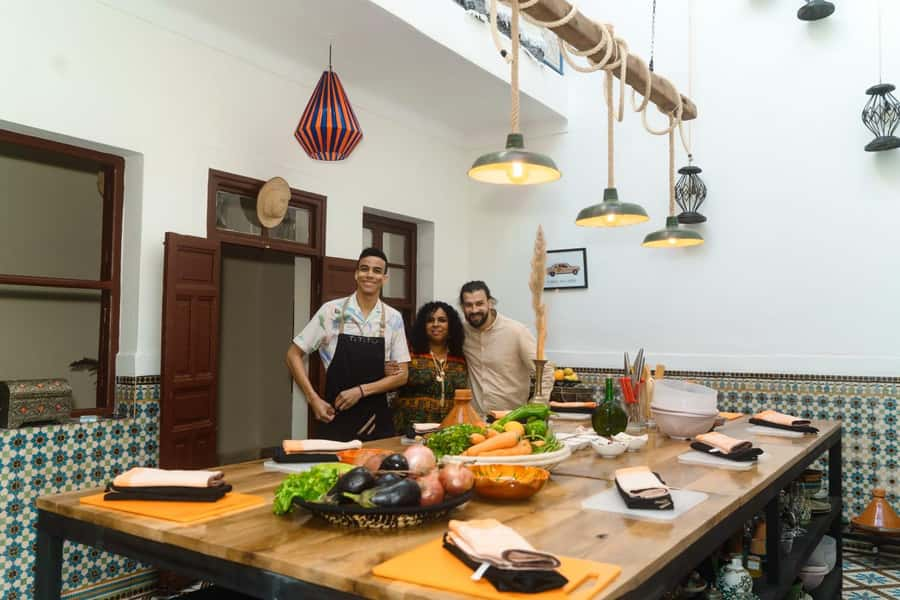
Moroccan mint tea isn’t just a drink here—it’s the welcome ritual and a lesson. You’ll be shown how to make it the old-fashioned way, and then you’ll sip while getting to know the group and the chef.
Why this is a big deal: tea in Morocco sets a pace. It signals that you’re settling in, not speed-running cooking. Once you taste it during the lesson, you start to understand the rest of the session through the same lens—simple tools, careful timing, and respect for process.
It also gives you something you can keep. Even if you forget every spice term later, you’ll remember the tea method, and that becomes your “start here” skill when you want a Moroccan meal at home.
Tagine skills: chopping, peeling, and spice seasoning you can reuse
Once the tea moment ends, you move into real prep. You’ll learn practical techniques like chopping and peeling, plus how to season tagines using the appropriate spices.
This is where the class goes from fun to useful. A lot of cooking classes teach recipes. This one teaches technique and flavor logic: how spices behave, how to balance them, and how to season in a way that tastes right for Moroccan cooking—not just for your personal preference.
You’ll also get culture and context while you cook. As you work, the guide explains Moroccan culinary customs and history alongside traditions you’ll recognize in how food is served and shared. You’re not stuck with a lecture, either; it’s threaded through what your hands are doing.
Dietary needs are addressed in the cooking plan, too. The class notes that you can work on vegan, vegetarian, and gluten-free options, which is helpful if you’re traveling with specific requirements.
Team cooking: how you manage 3–4 dishes in 210 minutes
You typically prepare three to four distinct dishes in one class, which is a great ratio for a half-day. It means you get multiple flavors and textures, but you’re still working at a pace where everyone can participate.
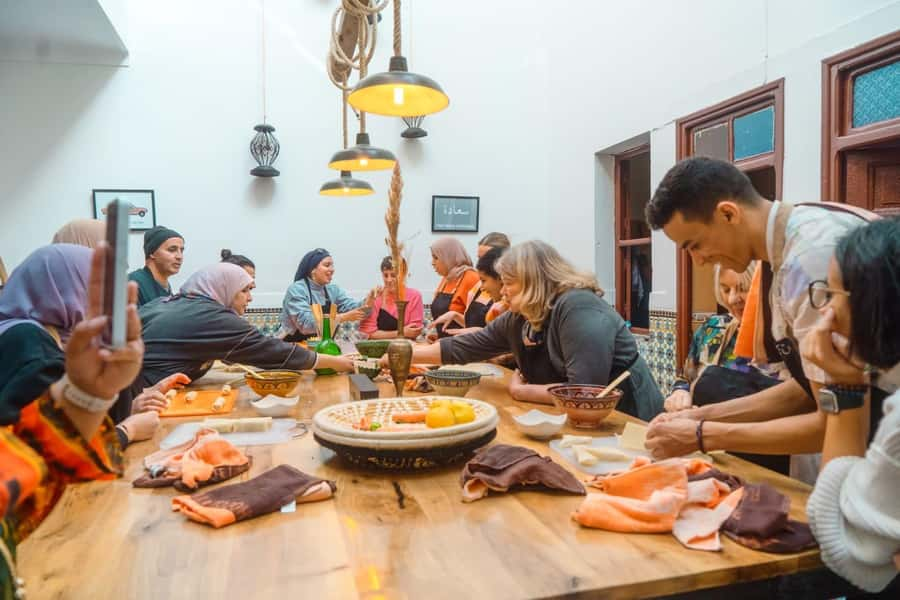
You’ll collaborate as a team, which is a big part of why the lesson feels friendly instead of stressful. In a kitchen, that matters: when the group shares tasks, you get more chances to chop, season, and assemble rather than standing around waiting for your turn.
One detail I appreciate is that the class isn’t timed like a factory line. It feels relaxed, like you’re at home cooking with family, just in a guided, well-run format. That makes a difference if you’re not an experienced cook. You get taught steps, not just told results.
Eating what you made: bread, tea, and the real payoff
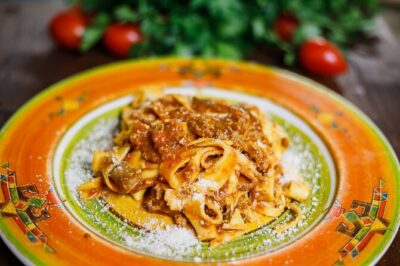
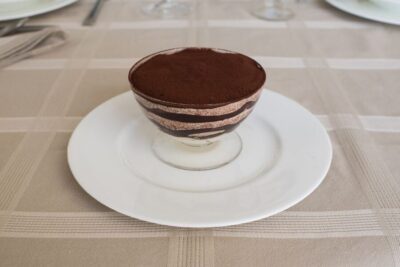
When you finish cooking, you eat what you prepared. The class includes meal and bread, plus water and tea, so you’re not paying extra to sit down and enjoy the fruits of your labor.
This is the payoff: you’ll understand the food better because you built it. You’ll also notice how the seasoning choices you learned actually show up on the plate—how spices smell before cooking, how they taste once warmed, and how the dish comes together.
If you like Morocco as a country (and not only as a food idea), this tasting moment also helps you connect the lesson to the broader culture of sharing meals. It’s practical and enjoyable at the same time.
Price and value: why $36 makes sense for what you get
At $36 per person for 210 minutes, you’re paying for three things at once: instruction, ingredients, and a full meal. That’s better value than many “pay for a demo” experiences where you don’t do enough hands-on work to justify the ticket.
The included items matter here. You’re not only cooking; you’re also getting bread, water, and tea. You’re also getting recipes later via a link shared in the evening, so the value doesn’t end when the class ends.
The only reason this might not be a perfect fit is if you want a very structured, high-detail culinary course. This is more like a smart, friendly kitchen lesson built for visitors and real-world enjoyment. If you’re a serious professional chef, you might still enjoy it—but you may want something more advanced.
Who should book this Marrakech cooking class
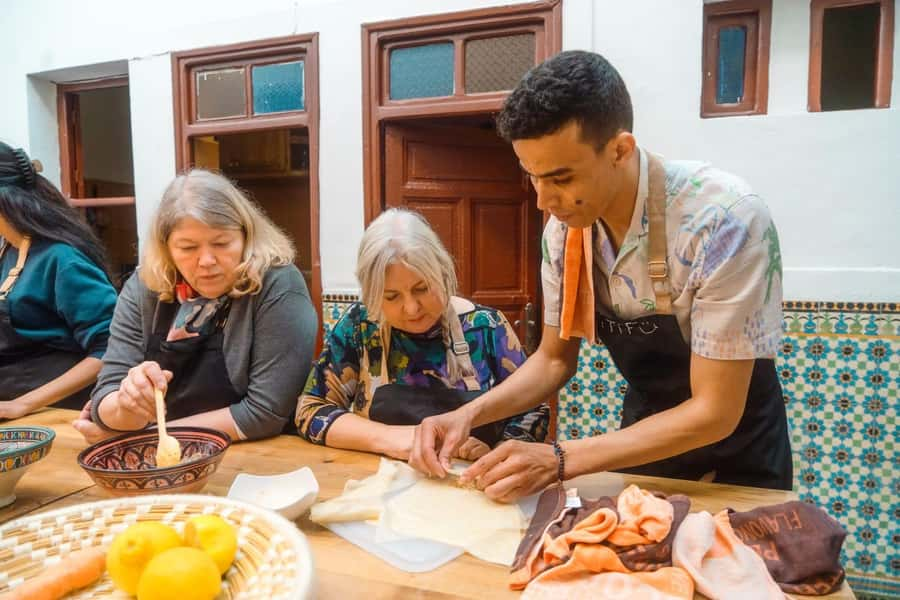
This is a strong match if you want Moroccan food that’s practical, not vague. I’d especially recommend it if you:
- like hands-on learning and want to leave with skills you can repeat
- enjoy spices and tagine-style cooking
- want a menu with variety, typically 3–4 dishes
- need vegan, vegetarian, or gluten-free-friendly options
- want a guided market stop and then a real kitchen result
It’s also ideal if you enjoy meeting a chef. One part of the experience that comes through clearly is the quality of teaching from the chef—Mourad is noted as an exceptional teacher and chef, and another class experience credits Chef Tiftif and the team with being welcoming and supportive.
Small practical tips so your class goes smoothly
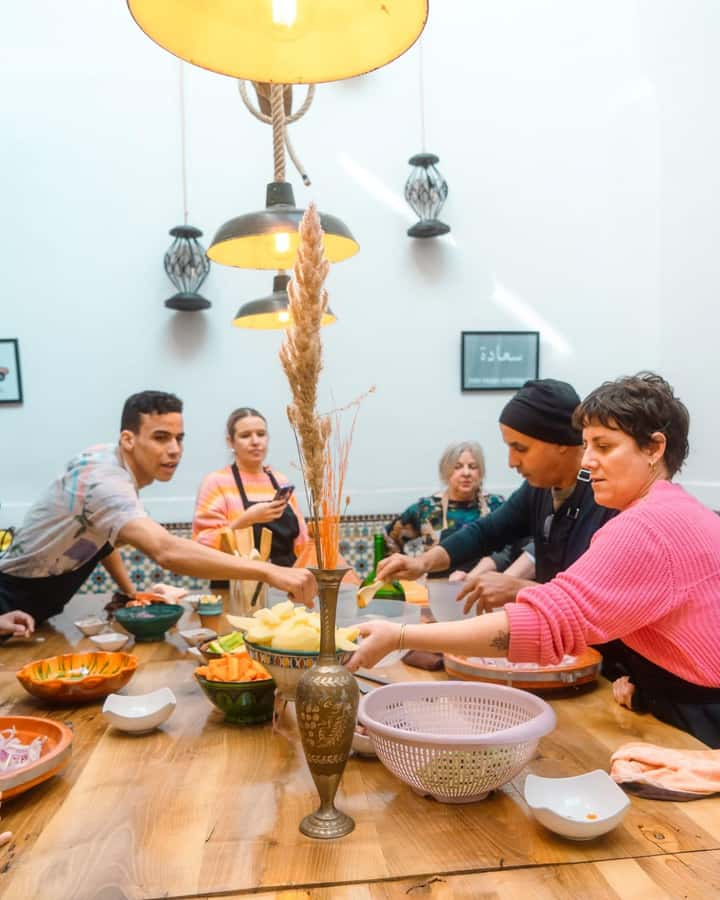
Bring comfortable clothes and closed-toe shoes. You’ll be chopping and standing while working, and a kitchen is not the place for stiff outfits.
If you have dietary needs, communicate them when you confirm your booking. The class plan mentions vegan, vegetarian, and gluten-free options, but the easiest experience happens when the chef can prepare with your needs in mind.
Go into it expecting a relaxed rhythm. The experience treats the time like a home visit rather than a sprint, and that helps you learn faster.
Finally, plan to save the recipe link they share in the evening. It’s the best way to turn a fun day into an actual meal at home.
Should you book this Marrakech cooking class?
Yes, if your goal is to take Moroccan cooking skills home with you. The combination of a chef-led process, a market ingredient stop, mint tea, and a meal that you actually make is a rare mix of fun and usefulness for the price.
Skip it only if you’re looking for a long sightseeing itinerary or a fully advanced culinary course. If you want hands-on Moroccan food education with a relaxed, welcoming kitchen feel, this is an easy choice.
FAQ
How long is the experience?
The cooking class lasts about 210 minutes.
Where does the experience start and end?
Pickup is in Marrakesh, and you return back to Marrakesh at the end.
Do I visit Essaouira during the experience?
Yes. There is a guided visit and a walk in Essaouira as part of the day.
What’s included in the price?
You get a guide, the cooking class, meal and bread, and water and tea.
What languages is the guide available in?
The live guide is available in Arabic, French, and English.
Do we make Moroccan mint tea?
Yes. You’ll learn how to make Moroccan mint tea using the old-fashioned method.
How many dishes will I cook?
Typically, you’ll prepare three to four distinct dishes in one class.
Are vegan, vegetarian, or gluten-free options available?
The class notes that vegan, vegetarian, and gluten-free options are included in the cooking plan.
Is alcohol allowed?
Alcohol and drugs are not allowed, and smoking is not allowed during the experience (including in the vehicle).
Can I cancel for a full refund?
Yes. You can cancel up to 24 hours in advance for a full refund.