REVIEW · ESSAOUIRA
Essaouira: Traditional Family Style Moroccan Cooking Class
Book on GetYourGuide →Operated by MoroccanFoodTour · Bookable on GetYourGuide
Cook dinner in an Essaouira home. This Essaouira cooking class pairs a local produce market stop with a family-style workshop where Hussein and his wife, Khadija, guide you through Moroccan technique and a full meal you actually make. I especially like the ingredient shopping step and the chance to cook a tagine-style dish, not just watch. One watch-out: at a 4-hour pace, some tasks can be more chef-led than hands-on, so if you want total control over every step, set your expectations.
The evening is built around Moroccan hospitality: you sit down with what you cooked, then close with traditional Moroccan tea. It is also vegetarian-friendly, and the class runs in English. At $72 per person, you want to go in hungry for culture as much as food, because the value is in the whole experience, not just the dinner plate.
In This Review
- Key highlights you will feel the moment you arrive
- A 6 PM start in Essaouira: where you meet and why timing matters
- Market shopping with Hussein and Khadija: choosing ingredients like locals
- Inside the family kitchen: what happens after the shopping
- The 3-course menu setup: from planning to plating
- Tagine and Moroccan technique: what you’re really learning
- The meal and Moroccan tea: the part people actually remember
- Price and value: is $72 worth it?
- Who this fits best in your trip (and who should adjust expectations)
- Practical tips to get more out of the night
- Should you book this Essaouira cooking class?
- FAQ
- What time does the cooking class start?
- Where is the meeting point?
- How long is the experience?
- What is included in the price?
- Is the class vegetarian-friendly?
- Is the class taught in English?
- Is alcohol allowed?
- Are drugs allowed?
- What is the cancellation policy?
- Can I book without paying right away?
Key highlights you will feel the moment you arrive
- Market shopping first so you pick fresh ingredients and learn what locals look for
- Hussein and Khadija’s family home setting, with a warm, chatty vibe
- Tagine skills that go beyond theory, with real cooking time
- Full 3-course menu (appetizers to dessert) you help put together
- Moroccan tea at the end, the kind served when people linger
- Vegetarian-friendly options so you can enjoy the meal without compromises
A 6 PM start in Essaouira: where you meet and why timing matters
The class departs at 6:00 PM from Pharmacie Bouhaira. You’ll want to arrive about 15 minutes early, not because they need it for paperwork, but because it sets the tone. In Morocco, the day often runs on human rhythm, and the “start” includes a bit of settling in.
This is a 4-hour experience, which is a good length for a market + cooking + eating evening. Too short and you’d rush the market. Too long and it turns into a day-long project. This one lands in the practical middle.
The instructor speaks English, and the activity is wheelchair accessible. You cannot bring alcohol or drugs, so plan on a clean, family-kitchen night.
You can also read our reviews of more tours and experiences in Essaouira.
Market shopping with Hussein and Khadija: choosing ingredients like locals
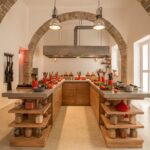
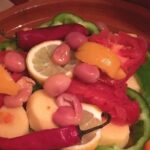
The best part is the way the night begins: you head out to a local fresh produce market in a neighborhood setting. The point is not just buying. You learn ingredients, basic traditions, and customs tied to how Moroccans shop and cook.
Before you start, the host asks about preferences and suggests a menu. Then you help decide what you will cook, and the shopping happens with those choices in mind. That means you’re not just learning recipes. You’re learning how a meal gets planned in real life.
This step also helps with flavor. If you know what you picked and why, you taste with more attention later. You notice spice balance. You notice how fresh herbs smell when they hit the cutting board. You also get a simple takeaway for future meals at home: your cooking is only as good as the ingredients you start with.
Inside the family kitchen: what happens after the shopping
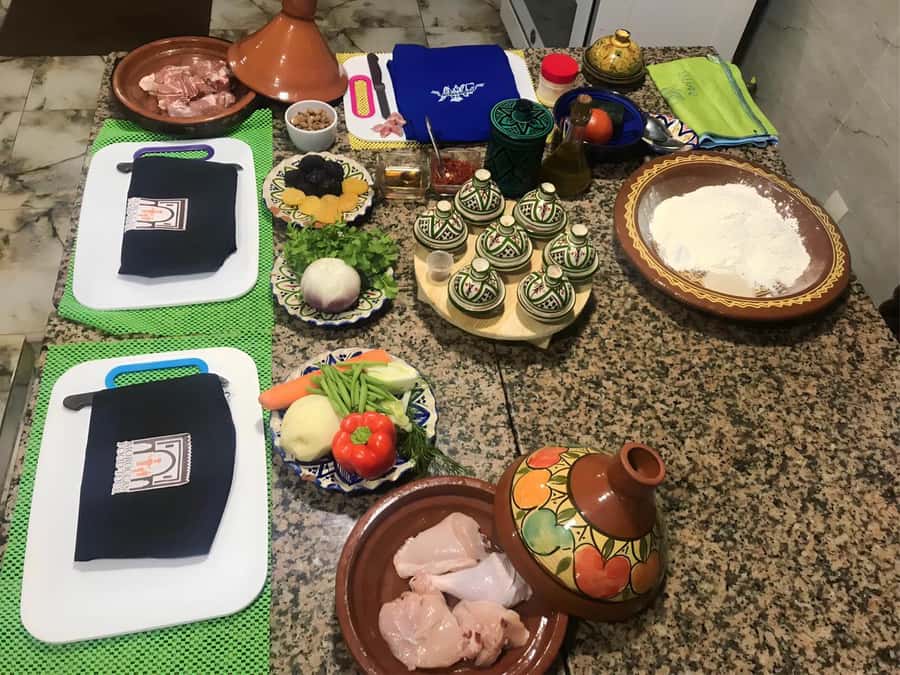
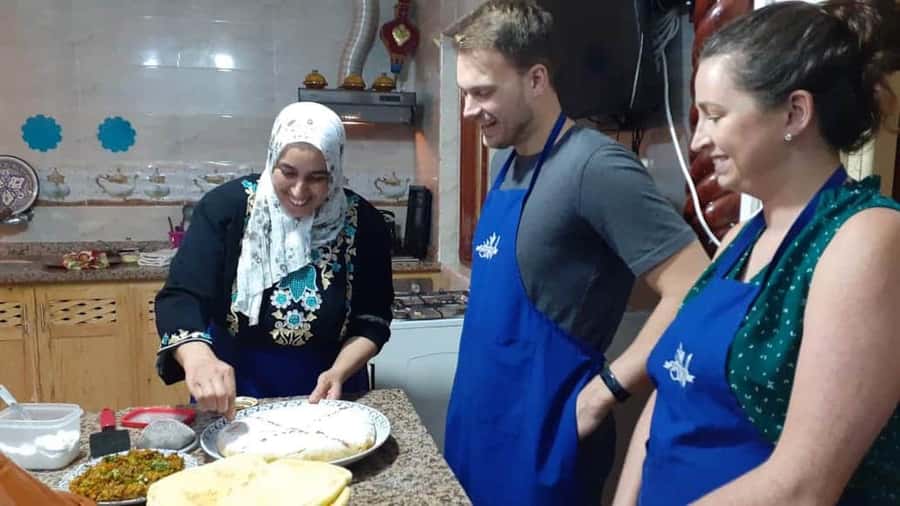
After the market, you get a warm welcome at a Moroccan family house. This is where the experience shifts from street-level sensory learning to hands-on technique.
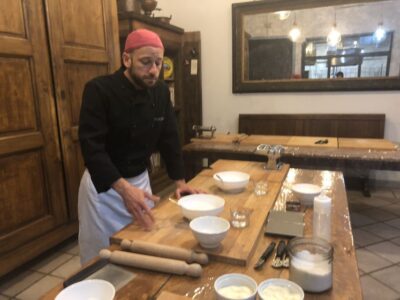
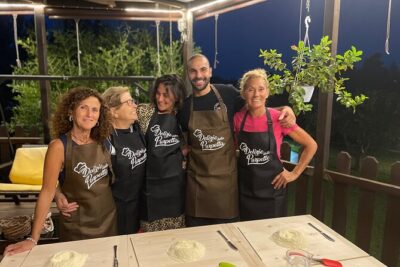
You join the chef’s brigade, so you are not standing in the corner with a clipboard. Expect a lively, interactive kitchen rhythm: instructions, questions, a bit of teamwork, and plenty of time for back-and-forth conversation. In the reviews, the hosting style comes through as caring and patient, with people feeling like guests rather than customers.
If you’re wondering how “hands-on” it feels, here’s the honest angle: this is cooking, but it is also a real household meal being made in a real kitchen. Some steps may be prepared in advance, and some tasks may be led more by the chef to keep things moving. One person noted they did not do as much cooking as they expected, even though the food was excellent. So come ready to participate, but understand the pace is designed for a finished 3-course dinner, not a classroom lab.
The 3-course menu setup: from planning to plating
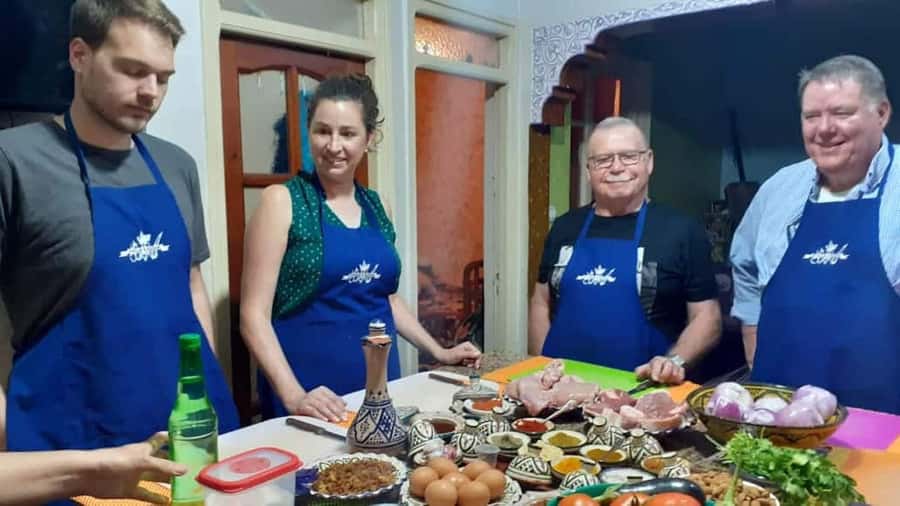
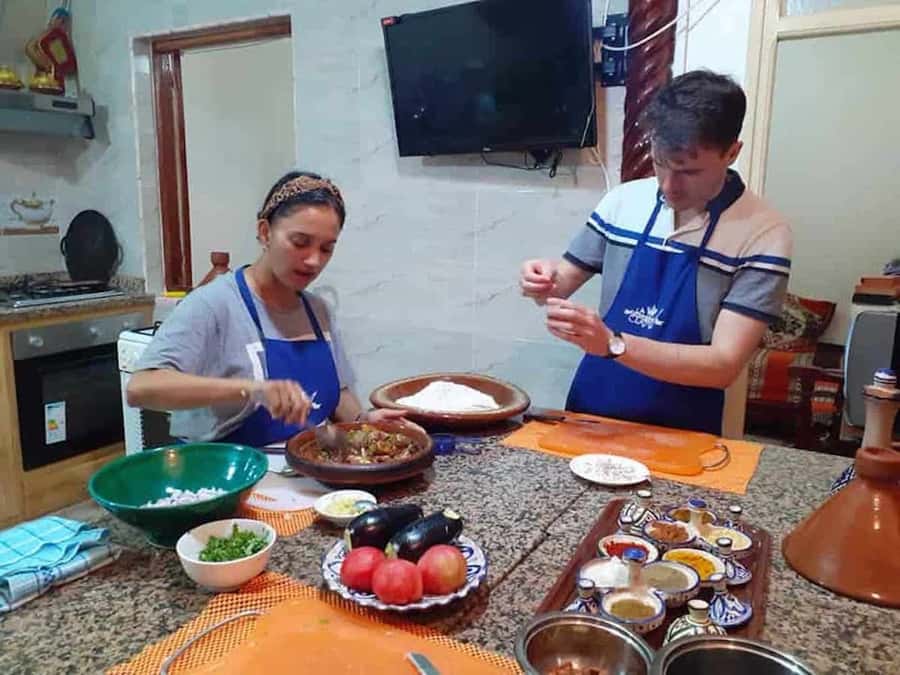
You’ll prepare a full 3-course menu in the family kitchen. The flow is built around appetizers, main dishes, and dessert, all served as the meal you helped create.
Menu structure matters here. You are not learning three unrelated recipes. You’re learning how Moroccan cooking builds a meal: flavors layered across courses, herbs and spices treated as core ingredients, and a general sense of balance that shows up in the final table.
One dish comes up again and again in what people mention: a tagine-style cooking lesson. Even if your exact menu varies based on preferences, you should expect tagine technique to be part of the experience. That is a great skill to leave with because tagine cooking teaches method, not just a single finished outcome.
Also, remember that you are eating what you cook. That sounds obvious, but it changes how you pay attention. You’re cooking with taste in mind from the first course, not just working toward a theoretical end result.
Tagine and Moroccan technique: what you’re really learning
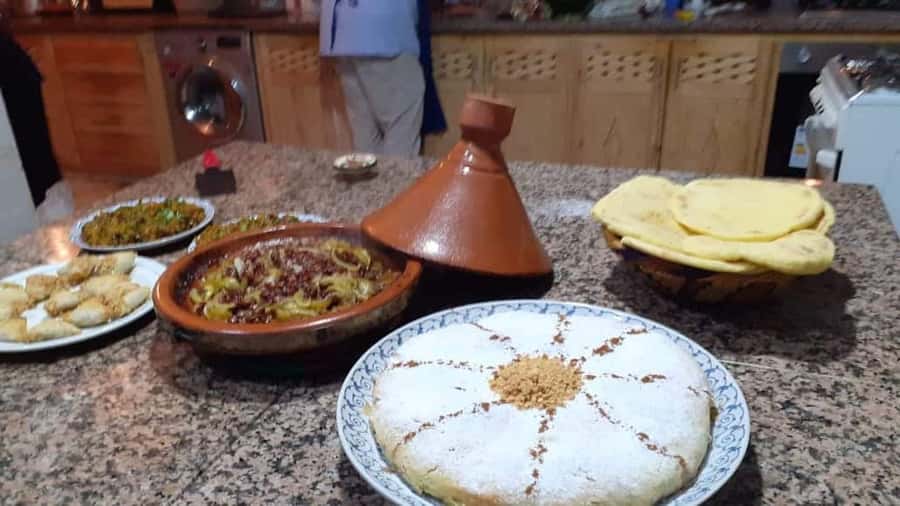
A tagine is more than a pot name. It is a cooking mindset. When you cook this way, you get used to building flavor gradually and using heat to coax ingredients into something fragrant and cohesive.
In a workshop like this, the real learning is usually small technique details: how ingredients are added, how you manage aromatics, and how you keep cooking on track without burning momentum. You’ll also learn that Moroccan cooking is built on the idea that spices do work beyond heat. They shape aroma. They also shape how you judge doneness.
If you are the type who likes recipes for later, this is a smart class to take notes during. Even if you do not write down every step, you’ll remember the method better because you’ll see it land on the plate.
And here’s the practical bonus: one of the recurring takeaways from people who’ve done it is that they end up buying a tagine after. If you have ever thought about making tagine at home but weren’t sure where to start, this evening gives you the confidence to try.
The meal and Moroccan tea: the part people actually remember
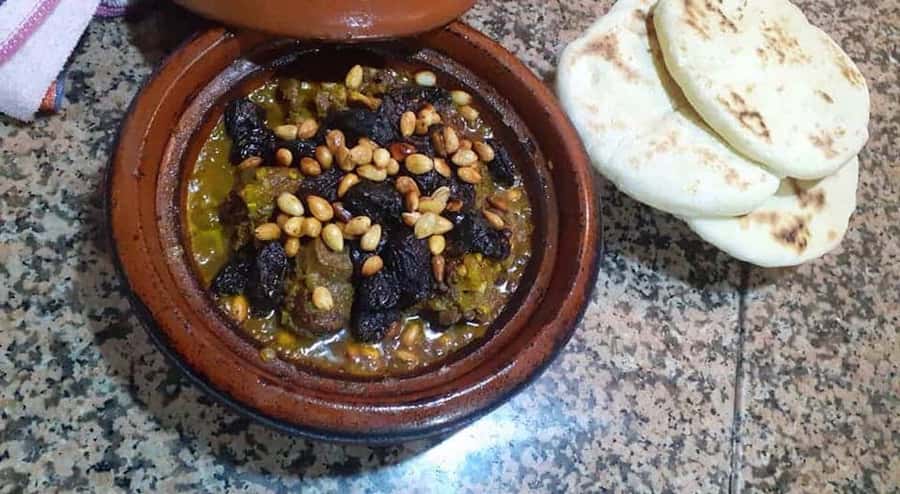
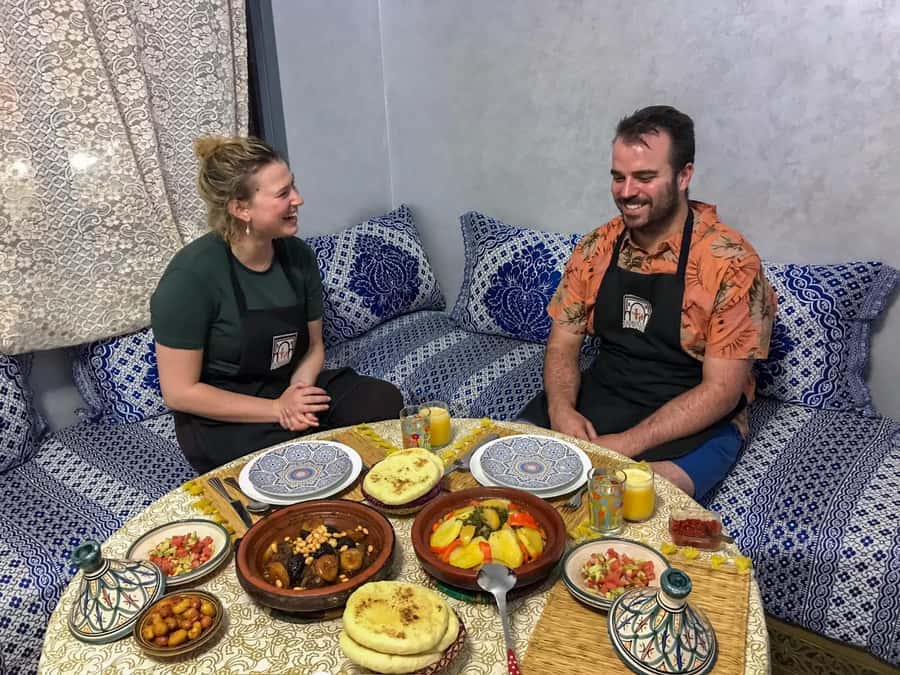
After cooking, you sit down and enjoy the full menu you created, served with Moroccan hospitality. This is a home meal experience, not a showy restaurant performance. The difference is subtle but important: you have time to eat slowly, ask questions, and enjoy the people around you.
Then comes the traditional Moroccan tea. Tea is not just a drink here. It is the closing ritual that signals you’re done cooking and ready to linger. You may also find the evening includes conversation about Moroccan life, and some groups connect over music and chatting in a relaxed way. It’s less formal, more human.
Also, keep your expectations realistic. This is not a tasting menu in a luxury dining room. It is a family kitchen meal. If you love that kind of authenticity, you will probably call it one of your best nights in Morocco.
Price and value: is $72 worth it?
At $72 per person for about 4 hours, the cost can look steep at first glance. But you get more than a single dinner.
You are paying for:
- a guided market tour where you pick fresh ingredients
- hands-on cooking in a family home
- a full 3-course menu
- traditional Moroccan tea
- English instruction
That’s value because the market step is usually the part that costs time and effort if you try to recreate it on your own. Going out to shop, picking ingredients correctly, and then finding a kitchen setup for tagine cooking is not hard in theory. It is hard in real life when you are on vacation.
That said, the price only feels fair if you’re the kind of person who enjoys the process. If you only want one thing, like just eating a delicious tagine, you might decide there are cheaper meal options. But if you want to leave with skills, ingredient knowledge, and a story from inside a Moroccan home, this class is priced like an experience, not a dish.
Who this fits best in your trip (and who should adjust expectations)
This works best if you want a hands-on cultural meal night. You’ll like it if you:
- enjoy markets and want to shop beyond tourist stalls
- like cooking classes where you actually eat what you make
- want English guidance in a local setting
- are traveling as a couple, group, or family and want something shared
It may be less ideal if you:
- expect a strict chef-led classroom where you do every step yourself
- dislike kitchens that move at household speed
- go mainly for a quiet, silent meal experience
The class is vegetarian friendly, which is a big deal if you have dietary needs. And because there is no alcohol allowed, the evening stays simple and family-focused.
Practical tips to get more out of the night
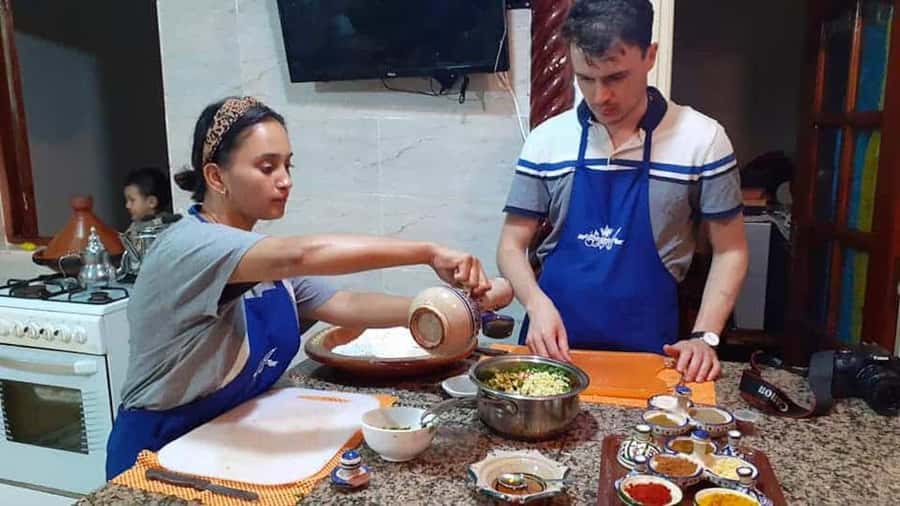
- Go hungry. The market walking plus cooking time makes the meal feel earned.
- Think about your preferences before you arrive. The host asks, and your choices help shape the menu.
- Bring curiosity. This is partly about technique and partly about how a Moroccan family eats.
- If you want photos or recipes, ask in a friendly way. People described that the hosts make an effort to share what they can.
Should you book this Essaouira cooking class?
Yes, if you want an evening that connects market shopping, hands-on Moroccan cooking, and a real family meal in one package. The experience shines because you cook in the home of Hussein and Khadija, not in a staged studio. You also walk out with skills you can use again, especially if tagine cooking is on your list.
Wait or choose something else if you want purely independent cooking time for every step. The kitchen is interactive, but it is also coordinated for the whole dinner flow. If you can accept a shared, chef-led rhythm, you will probably love it.
FAQ
What time does the cooking class start?
It departs at 6:00 PM from the meeting point. Arrive about 15 minutes early.
Where is the meeting point?
The meeting point is Pharmacie Bouhaira.
How long is the experience?
The class runs for 4 hours.
What is included in the price?
You get a full 3-course menu plus traditional Moroccan tea.
Is the class vegetarian-friendly?
Yes, it is listed as vegetarian friendly.
Is the class taught in English?
Yes, the instructor speaks English.
Is alcohol allowed?
No. Alcohol is not allowed during the activity.
Are drugs allowed?
No. Drugs are not allowed.
What is the cancellation policy?
There is free cancellation up to 24 hours in advance for a full refund.
Can I book without paying right away?
Yes, there is a reserve now & pay later option, where you can reserve and pay nothing today.