REVIEW · BUSAN
Busan: Small-Group Traditional Korean Food Cooking Class
Book on GetYourGuide →Operated by Korean Cooking Class BAPSANG in Busan · Bookable on GetYourGuide
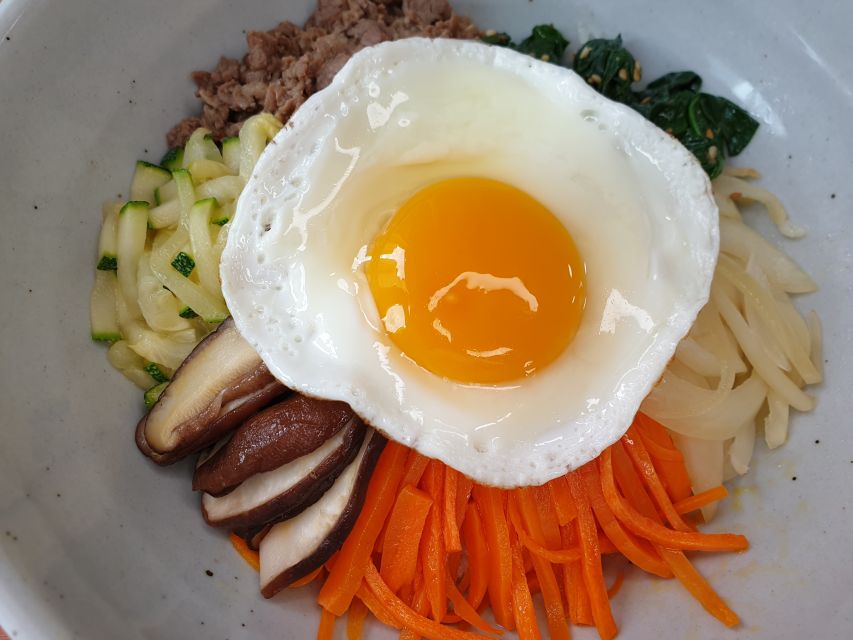
Bibimbap tastes better when you make it. In Busan, this hands-on class near Haeundae beach turns Korean home cooking into something you can actually repeat at home, with step-by-step teaching and plenty of tasting along the way. I really like the bapsang setup, which makes the meal feel intimate and personal, and I also love that you finish with Korean tea and dessert, not just a cooked entrée.
One thing to plan for: there’s no pickup or drop-off, so you’ll want to be comfortable getting yourself to the meeting address on time.
In This Review
- Key Highlights You Should Know Before You Go
- A 3-Hour Busan Food Class That Actually Teaches You Something
- Finding the Meeting Point Near Haeundae (Without Stress)
- Welcome Drinks and Sauce Tasting: The Secret to Cooking Korean Flavor
- Cooking Bibimbap on Bapsang: Where the Meal Becomes Part of the Lesson
- If You’re Vegan
- What Else You May Cook: Soup and Korean Pancakes
- Eating the Meal: Tea, Dessert, and a Chef’s Cultural Notes
- The Take-Home Value: Recipes, Certificate, and a Surprise Gift
- Price and Value: Is $98 Reasonable for 3 Hours?
- Who This Class Is Perfect For (And Who Might Skip It)
- Should You Book This Busan Bibimbap Cooking Class?
- FAQ
- What dishes will I cook in the class?
- How long is the cooking class?
- How big is the group?
- Can the class accommodate a vegan diet?
- Where is the meeting point near Haeundae, and how do I get there?
- What is included in the price, and can I cancel?
Key Highlights You Should Know Before You Go
- Small group capped at about 10 means you get real attention while you cook
- Bibimbap + sauce tasting early so you understand flavor before you start mixing
- Cook on bapsang, a traditional personal dining table style that makes eating part of the lesson
- Tea and Korean dessert included, so you get a fuller taste of Korean meals
- Recipe handouts, a certificate, and a surprise gift, for something concrete to take home
- English and Korean instruction, helpful if you want clarity and cultural context
A 3-Hour Busan Food Class That Actually Teaches You Something
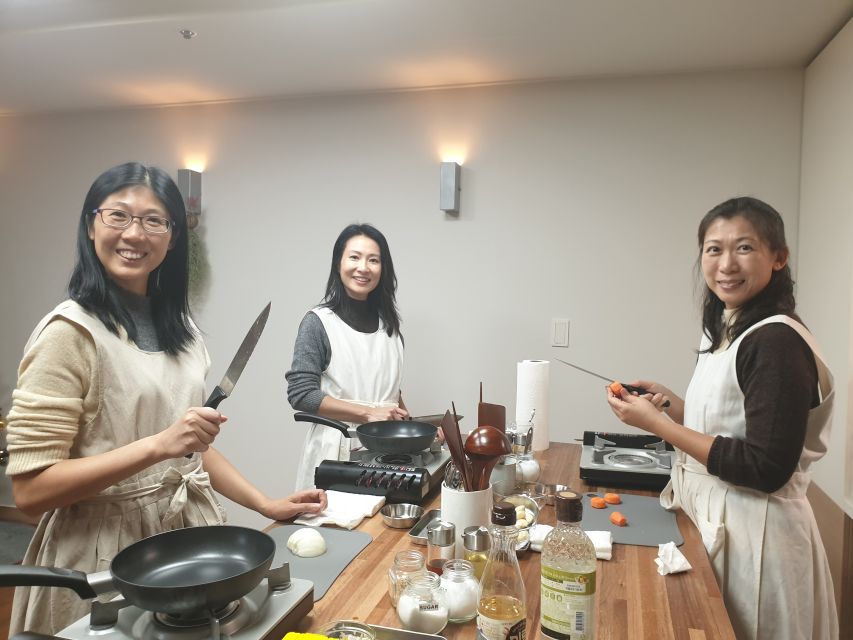
This is the kind of experience that works because it focuses on skills, not just sightseeing. In 3 hours, you’re not sitting through a food lecture. You’re tasting Korean sauces, learning ingredient roles, then cooking your own meal.
The class also has a smart pacing. You start with introductions and tasting so you know what you’re aiming for. Then you follow easy instructions and build dishes step-by-step. By the time you sit down to eat, you’re not guessing—you understand why the flavors work.
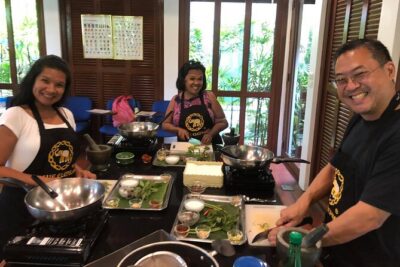
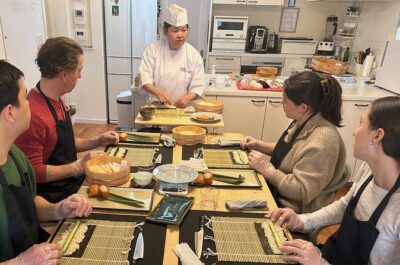
And because it’s a small group (limited to 9 participants, with a maximum around 10), you’re less likely to get ignored at the stove. You can ask questions, get help if a step feels confusing, and move at a human pace.
You can also read our reviews of more tours and experiences in Busan.
Finding the Meeting Point Near Haeundae (Without Stress)
You’ll meet at:
Flat #2406, Hoabin Busan Haeundae, 37 Marine city 3-ro, U 1(il)-dong, Haeundae, Busan, South Korea.
Getting there is straightforward from transit:
- Subway: Dongbaek Station (Line 2, Green), Exit No1, about a 10-minute walk
- Bus (two options):
- Daewoo Marina APT Stop: about 7 minutes walking
- Dongbaek Stop: about 15 minutes walking
Since there’s no pickup, my practical advice is simple: show up early, not right on time. In an apartment building, a few minutes of extra buffer can save you from a minor scramble.
Welcome Drinks and Sauce Tasting: The Secret to Cooking Korean Flavor
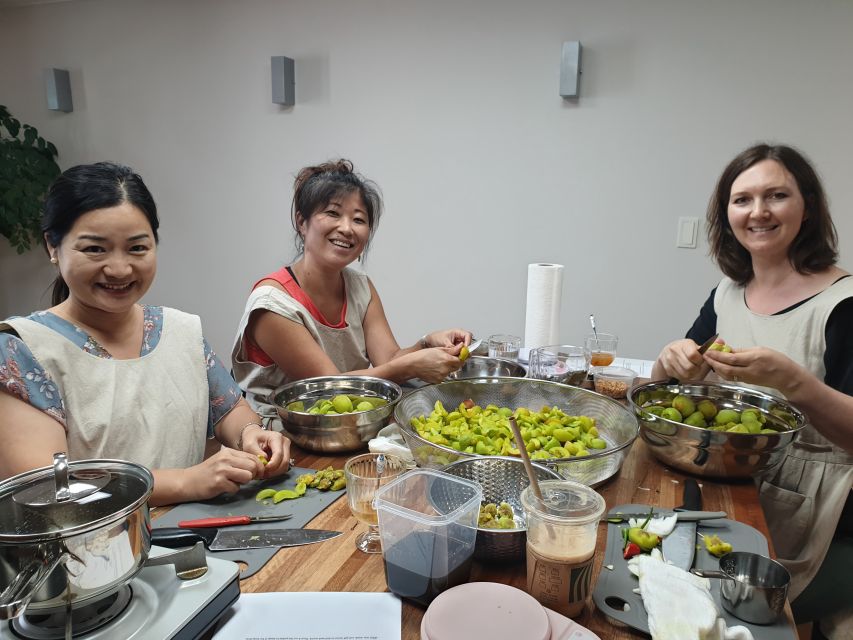
Before you touch ingredients, you get a welcome drink and a guided start. This matters more than it sounds. Korean cooking isn’t just about what goes in—it’s about how sauces and seasoning act together.
You’ll get an ingredient explanation, and then you’ll taste Korean sauces. That tasting step helps you connect the smell and taste to the recipe later when you’re cooking. It also gives you a better sense of sweetness, saltiness, acidity, and umami in the food you’re making.
If you’ve ever tried to cook Korean food later and found the flavor off, this is the missing link. You’re learning the logic of the seasoning, not memorizing a list of ingredients.
Cooking Bibimbap on Bapsang: Where the Meal Becomes Part of the Lesson
The headline dish is Bibimbap—a classic rice bowl loaded with vegetables and often meat. What makes it more than just another cooking class dish is how you build and serve it.
Here’s what you can expect in the “hands-on” portion:
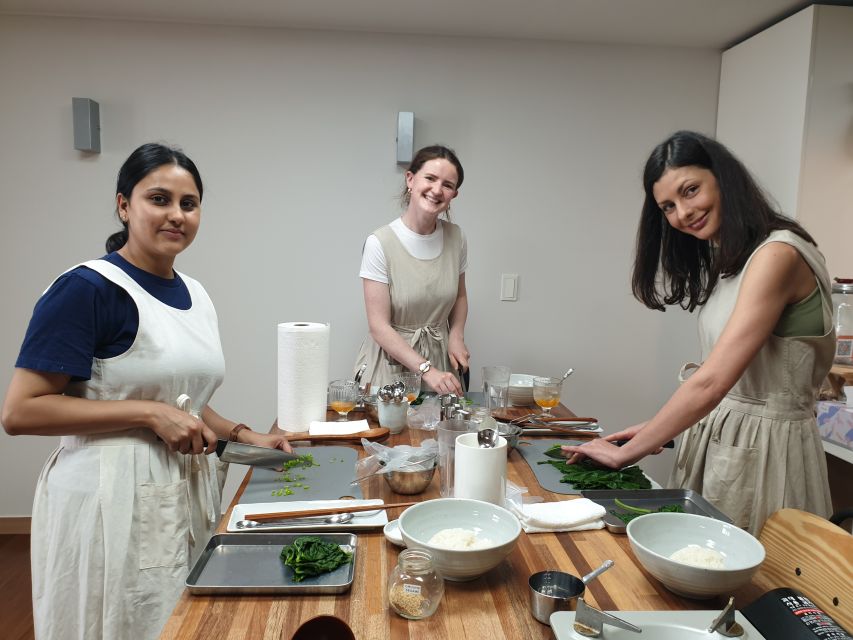
- You follow the chef’s instructions step-by-step to prepare components for bibimbap.
- You assemble it the way a Korean home cook would, rather than throwing everything together randomly.
- You serve your food on bapsang, a traditional personal dining table setup.
That final step—eating on bapsang—changes the vibe. Instead of standing around a kitchen counter, you sit down like it’s a real meal. You get to taste what you cooked, right there at your table, in a setting that feels traditional and comfortable.
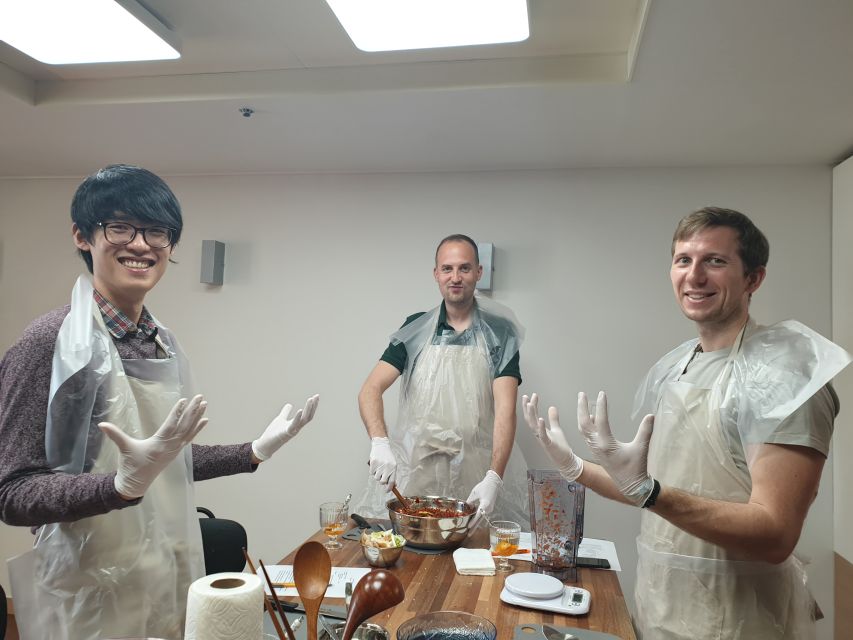
Also, you’ll be provided with the tools you need: utensils and an apron. So you don’t have to worry about bringing anything except yourself and your appetite.
If You’re Vegan
If you’re vegan, you should plan ahead. The class asks you to notify them at booking, or contact them at least 24 hours in advance, so proper ingredients can be prepared.
That advance notice is important. Vegan swaps aren’t always automatic in traditional Korean menus, so the earlier you communicate, the smoother the cooking will be.
What Else You May Cook: Soup and Korean Pancakes
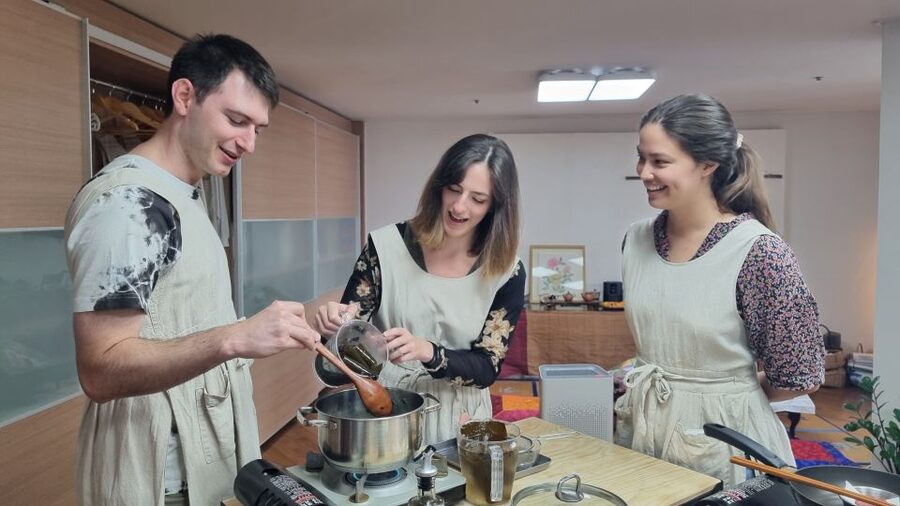
The class centers on bibimbap, but the dishes described in past sessions give you a clue that the menu can include additional Korean comfort foods.
Depending on your specific session, you might also cook dishes like:
- Miyeok Guk (seaweed-beef soup)
- Buchu Jeon (vegetable fritter), sometimes described as a Korean pancake style
I like this approach because it broadens your understanding. Bibimbap teaches you how to build a bowl. A soup or jeon teaches you a different side of Korean flavor and texture—warm, savory, and comforting versus crispy and pan-fried.
And because the teaching is described as very step-by-step and easy to follow, even if your cooking skills are basic, you still have a real chance to finish confidently.
Eating the Meal: Tea, Dessert, and a Chef’s Cultural Notes
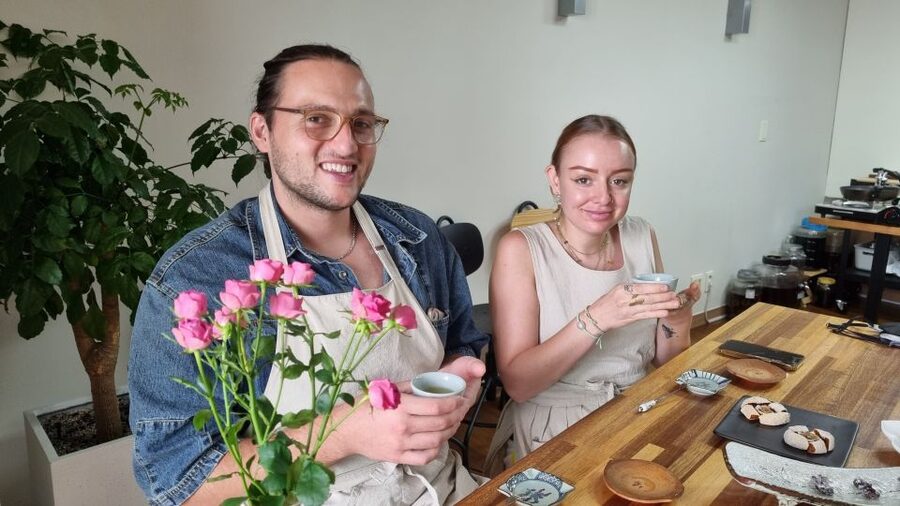
After cooking, you sit down to enjoy your meal. The class includes a meal plus dessert, and you’ll also have Korean tea with it.
The tea and dessert part isn’t just a sweet finish. It rounds out what a Korean eating experience can feel like: savory meal first, then something soothing and lightly sweet afterward. It also gives you a chance to taste flavors that don’t show up in the stove-top part of the lesson.
A nice bonus is the cultural context. The instructor shares the background behind the dishes and gives suggestions for exploring Busan—useful if it’s your first day in town or you’re trying to avoid guesswork.
The Take-Home Value: Recipes, Certificate, and a Surprise Gift
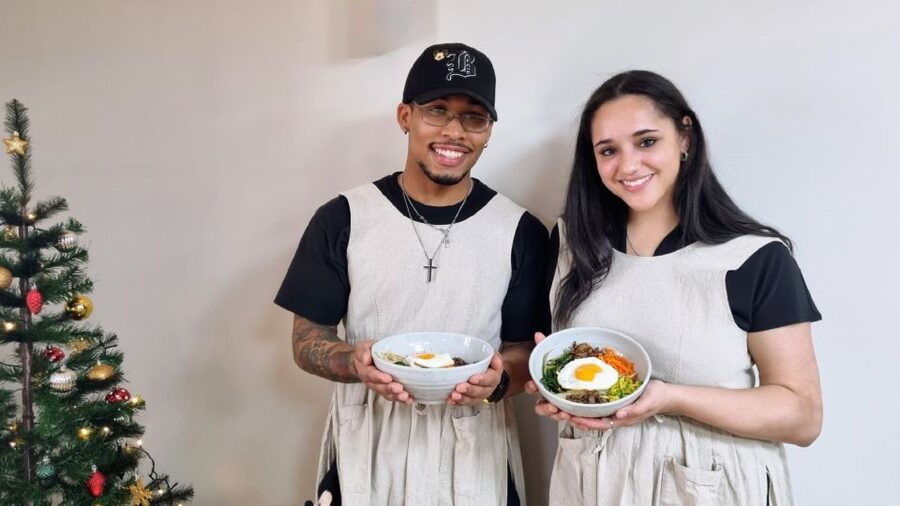
One of my favorite elements in this type of class is when you can repeat it later. Here you get:
- Recipes to take home
- A certificate
- A surprise gift
The recipes matter because they let you rebuild what you learned, not just remember that it tasted good. And the certificate/gift add a small sense of closure—like you actually completed a mini skill course.
Also, you receive water during the class. It sounds minor, but it keeps the pacing comfortable while you cook.
Price and Value: Is $98 Reasonable for 3 Hours?
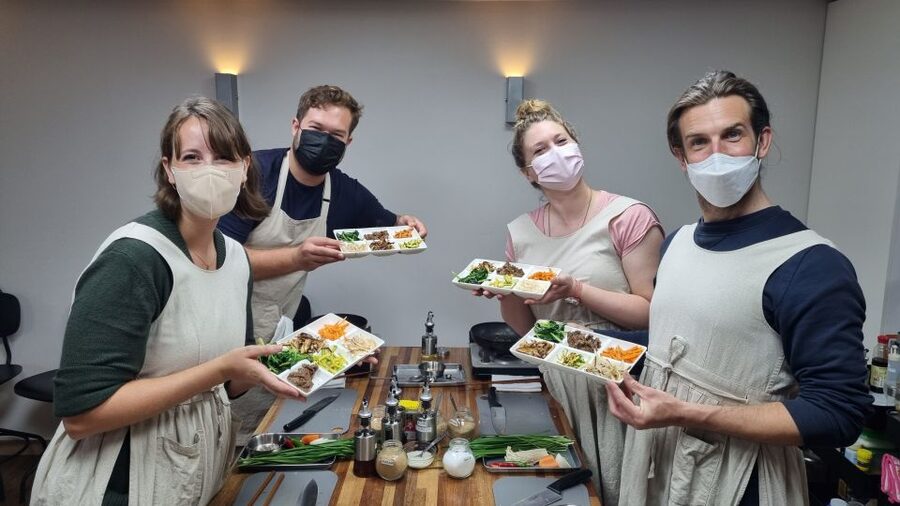
At $98 per person for 3 hours, you’re paying for a hands-on lesson in a small group, plus ingredients, tools, and the meal itself.
For this price, you do get several things bundled together:
- You cook and eat a full Korean meal (including dessert)
- Ingredients and utensils/apron are provided
- You get recipes to take home
- You receive a certificate and a surprise gift
- Instruction is offered in English and Korean
So the question isn’t only cost—it’s what you’re leaving with. If you want the experience of cooking Korean food with a teacher, eating what you made, and having the recipes to recreate it later, this price starts to make sense fast.
If you’re the type who only wants a quick taste and doesn’t care about learning technique, then it might feel like more than you need. But if you enjoy practical food skills, it’s a fair setup.
Who This Class Is Perfect For (And Who Might Skip It)
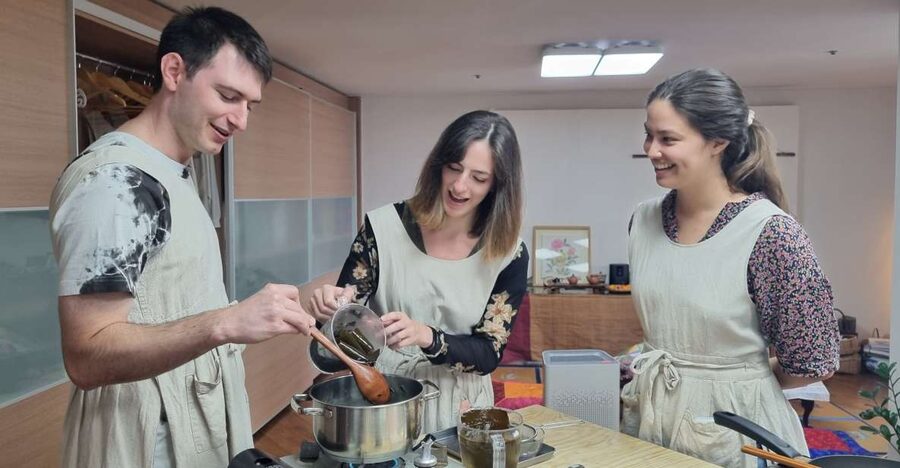
This cooking class is ideal if:
- You want authentic Korean home-cooking techniques, not just restaurant tips
- You like structured teaching and step-by-step instructions
- You enjoy the small group feel and want time for questions
- You want a memorable Busan activity that isn’t physically exhausting
It’s also a good fit if you’re traveling with a child who’s curious about cooking. The teaching style is described as clear and easy to follow, and that matters when you’re trying to keep kids engaged.
You might think twice if:
- You strongly prefer to be outdoors for most of your trip (this is a kitchen-based experience)
- Getting to the meeting point on your own is a hassle for your schedule
- You want a class that focuses on an extremely broad multi-stop itinerary (this one is tightly focused on cooking)
Should You Book This Busan Bibimbap Cooking Class?
I’d book it if you want one solid “learn it, cook it, eat it” day in Busan—especially near Haeundae—without the stress of navigating a busy tour schedule. The best reason to go is that the class is designed for real participation: sauce tasting first, cooking step-by-step, then eating your own meal on bapsang, plus tea and dessert.
If you can handle a short walk to the subway or bus stops (since there’s no pickup), this is a smart use of time. And if you’re vegan, just make sure you message the team at least 24 hours in advance so your ingredients are set.
If you’re on the fence between this and another food experience, pick this one when you want skills you can take home—not just photos.
FAQ
What dishes will I cook in the class?
The class focuses on cooking Bibimbap. Some sessions also include dishes like Miyeok Guk (seaweed-beef soup) and Buchu Jeon (vegetable fritter) based on what’s been taught in past classes.
How long is the cooking class?
The experience lasts 3 hours.
How big is the group?
It’s a small group, limited to 9 participants, with a maximum of 10.
Can the class accommodate a vegan diet?
Yes. If you want a vegan meal, you need to provide that request at booking or contact the organizer at least 24 hours in advance.
Where is the meeting point near Haeundae, and how do I get there?
You meet at Flat #2406, Hoabin Busan Haeundae, 37 Marine city 3-ro, U 1(il)-dong, Haeundae, Busan. For transit, Dongbaek Station (Line 2, Exit No1) is about a 10-minute walk.
What is included in the price, and can I cancel?
The price includes ingredients, utensils and an apron to use during the class, your meal including dessert, water, and recipes to take home. There’s also free cancellation up to 24 hours in advance for a full refund, and you can use a reserve-and-pay-later option.