REVIEW · HO CHI MINH CITY
M.O.M COOKING CLASS
Book on GetYourGuide →Operated by MOM COMPANY LIMITED · Bookable on GetYourGuide
Cooking in Vietnam feels like learning a recipe and a ritual.
This M.O.M class pairs a local market run with a hands-on Saigon cooking session, so you see ingredients picked in the real world before you start chopping and stirring. I especially like the small-group size (up to 8) and the fact that you cook from scratch with step-by-step guidance.
In my favorite kind of class, you leave with something concrete: meals you made yourself, plus recipes and a certificate to take home. One possible drawback: if you have allergies, you’ll want to be extra clear on arrival, since some participants experienced confusion around translation and which ingredients could be used for each person.
For $40 and a 3–4 hour time block, this is a solid value if you want practical cooking skills (not just watching). If you’re hoping for a kids-only activity, note it’s not suitable for children under 6.
In This Review
- Key highlights worth your time
- Saigon market-to-stove flow: how the class actually feels
- The hands-on menu: what you’ll cook (and why it’s useful)
- Market shopping in Saigon: what you learn while choosing ingredients
- Classroom cooking: air-conditioned comfort and real instruction
- Meals included: you’ll eat what you make
- Dietary needs and allergies: one practical watch-out
- Price and value: is $40 a fair deal in Saigon?
- Language, group size, and who it suits best
- What you take home: recipes, certificate, and your new routine
- Should you book M.O.M Cooking Class in Saigon?
- FAQ
- How long is the M.O.M cooking class?
- Where does the tour start and end?
- What’s included in the price?
- What dishes will I cook?
- Can the class accommodate vegetarian or dietary needs?
- What languages are available for the recipes?
Key highlights worth your time
- Small group (8 people max) means more hands-on attention during prep and cooking.
- Saigon market shopping teaches you how to choose ingredients for Vietnamese dishes.
- Cook five Vietnamese dishes from scratch with chef guidance in an air-conditioned classroom.
- Dietary options including vegetarian are supported if you flag your needs at checkout.
- Meals and beverages included, plus complimentary ice-tea and water.
- Recipes and certificate provided so you can repeat the dishes at home.
Saigon market-to-stove flow: how the class actually feels
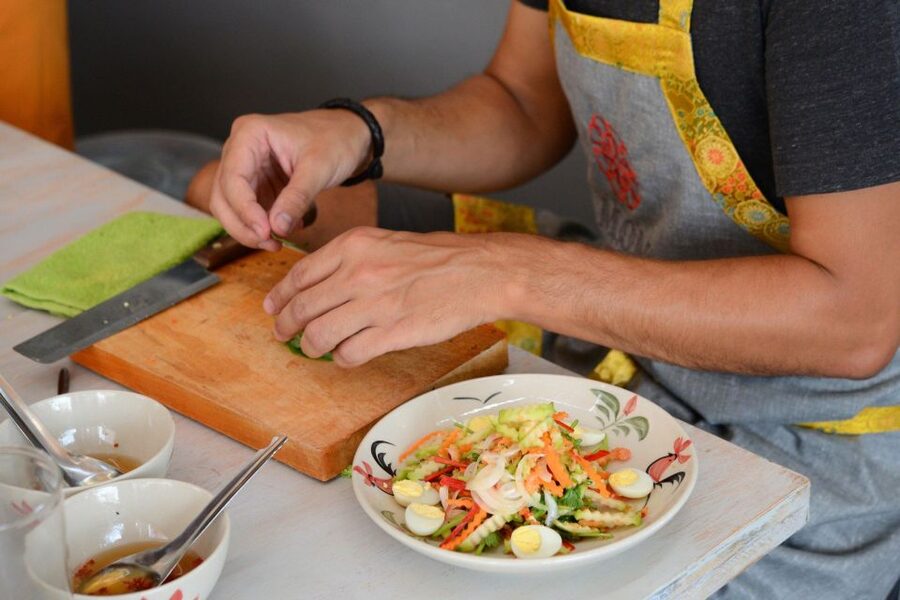
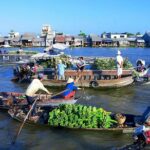
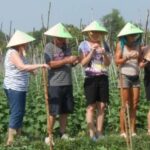
The whole experience is built around the idea that Vietnamese cooking starts before the stove. You begin with a market visit (for the half-day option) where you learn what to look for in fresh produce and ingredients, and how that choice affects flavor and texture. Then you move into a classroom kitchen to cook, guided step-by-step.
Timing matters here. Sessions run at different start times (morning, afternoon, or evening depending on what’s available), and the full experience lands in the 3–4 hour range. That makes it a good choice when you want something focused without losing half a day to logistics.
You’re also not wandering alone with a vague plan. The guide leads you and explains how to shop for what you’re going to make, which is a big part of why this format works. In one session, people also highlighted how instructors guided them through the market, which is where the day often turns from tourist activity into actual skill-building.
You can also read our reviews of more tours and experiences in Ho Chi Minh City.



The hands-on menu: what you’ll cook (and why it’s useful)
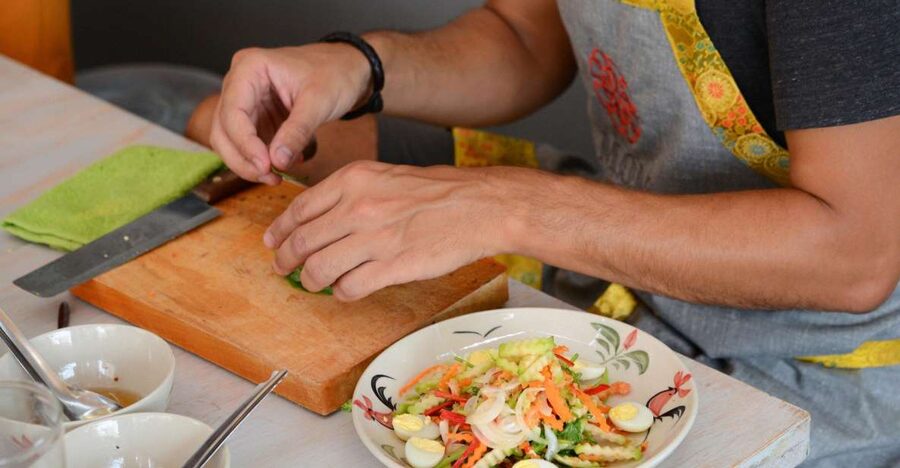
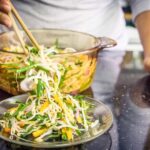
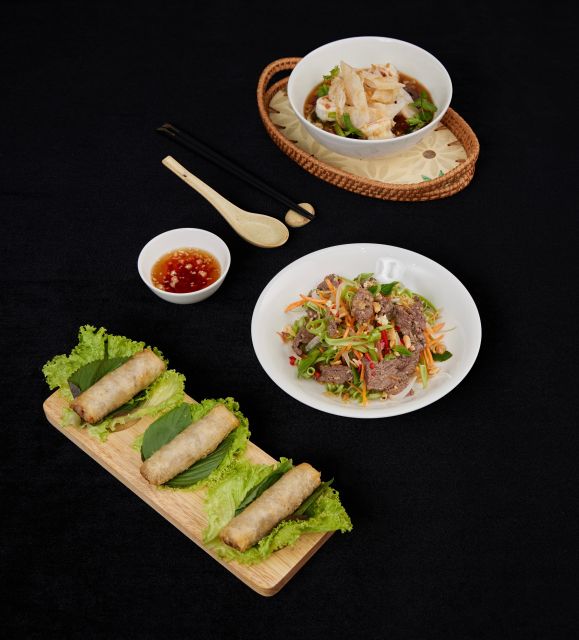
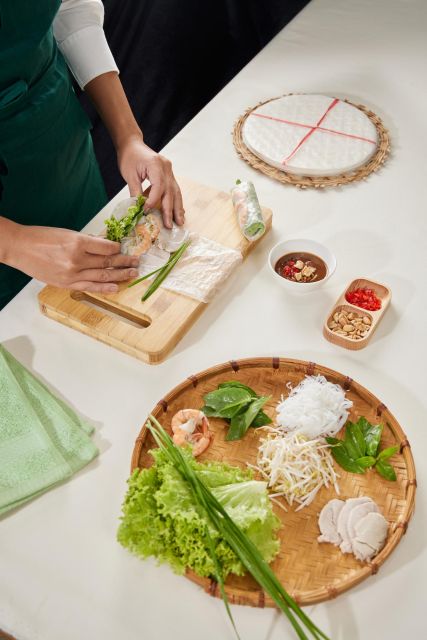
You’ll cook five famous Vietnamese dishes, each one from scratch, as part of the cooking class. The exact mix can vary by session, but at least one afternoon class included banh mi and pho, and spring rolls showed up as a bonus. That’s a great mix because you get practice with different techniques: soup building, sandwich assembly, and rolled appetizer work.
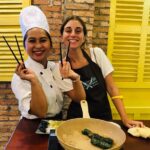
You’ll be doing the work, not just taking notes. The class includes ingredients and chef coaching, so you can learn the sequence: prep first, then cook, then assemble at the right moment. That sequencing is what you’ll reuse later when you cook at home.
One more detail I appreciate: there’s no fixed dessert. The dessert changes daily, which keeps things flexible and also means you shouldn’t plan your expectations around one specific sweet. Practically, it also signals that the menu may shift based on what’s freshest and what the kitchen has ready.
Market shopping in Saigon: what you learn while choosing ingredients
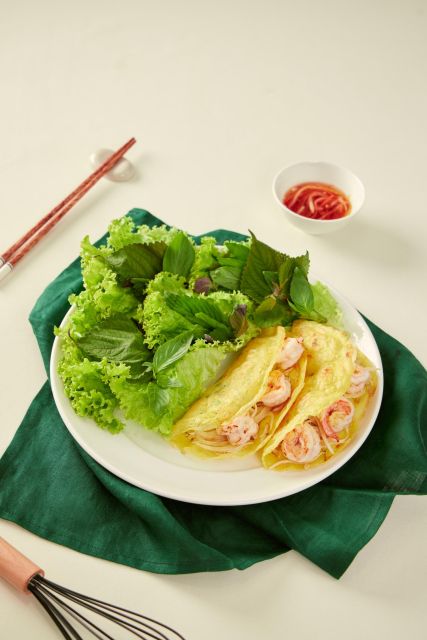
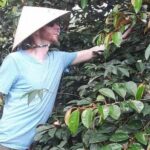
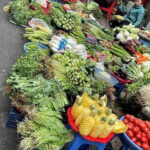
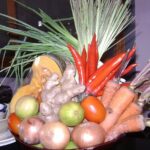
The market portion is the part that tends to make the class feel authentic, because Vietnamese cuisine relies heavily on fresh aromatics and ingredient quality. You’ll shop for the produce needed to create Vietnamese dishes, and you’ll learn what “good” looks like for the ingredients you’ll use later.
Even if you’re not a cooking geek, this is where you’ll start to understand how Vietnamese flavors get built. Think about herbs, pickled elements, and vegetables that add crispness and fragrance. When you see them chosen carefully, it’s easier to recreate the same balance at home.
Also, you’re going in as a group with an English/Vietnamese-speaking guide, so you can ask questions while you’re still holding the ingredient. That’s a real advantage over classes where you only get explanations after everything is already prepped.
If you care about vegetarian or dietary adjustments, the market shopping can be a key moment too. You’ll want the guide and chef to understand what you can and cannot use so substitutions are handled early rather than at the last minute.
Classroom cooking: air-conditioned comfort and real instruction
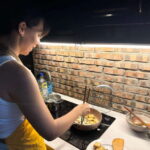
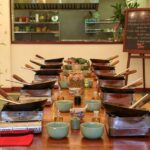
Once you’re back in the classroom, cooking is done in an air-conditioned setting. That’s not just a convenience; it makes a big difference for a hands-on class where you’re active for several hours. You can focus on the technique instead of fighting heat and sweating over a hot stove.
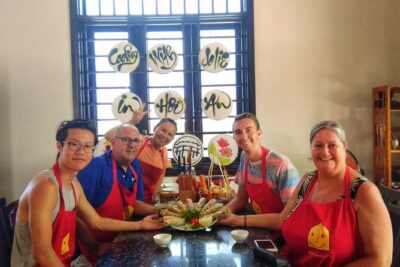
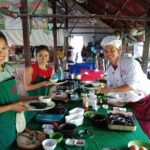
You’ll also get clear structure: step-by-step chef guidance is included, plus the pace is group-based. With small group limits (8 participants), you’re not stuck waiting your turn forever, and you can usually get help when you hit a snag.
In at least one review, a participant praised the instructor for speaking strong English and being willing to answer questions. That matters more than people think. Vietnamese cooking includes lots of small decisions that affect results, so the ability to ask how something should look or taste can help you cook smarter, not just follow steps.
Meals included: you’ll eat what you make
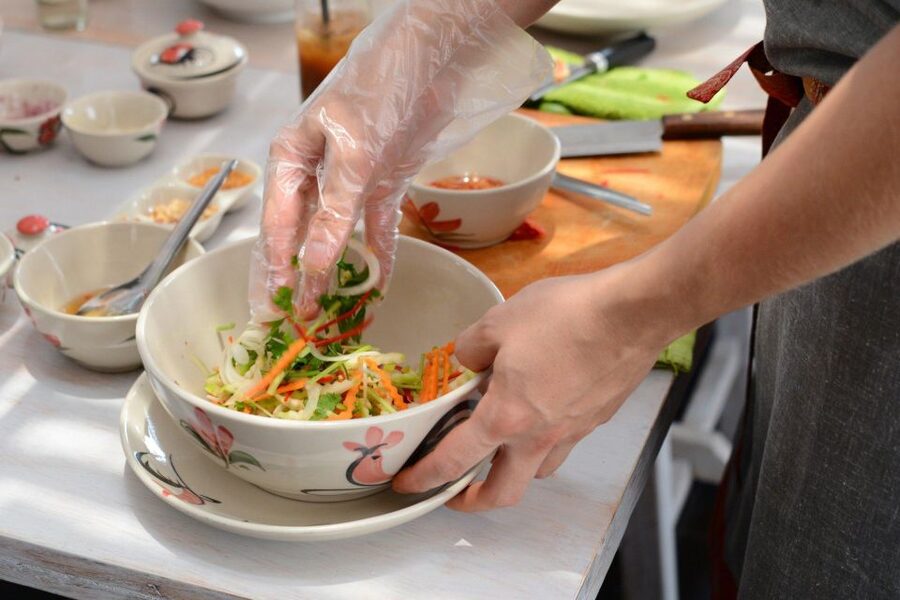
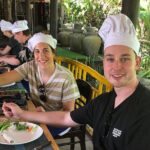
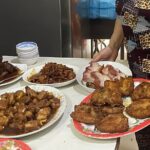
You enjoy your self-cooked meal as part of the experience. That’s a major plus because it confirms whether your dish worked, and it also gives you a chance to understand what the finished version should taste like.
Meals and beverages are included, and you’ll also get complimentary ice-tea and water. In a 3–4 hour class, that’s not a tiny detail. It keeps you comfortable and lets you fully take part in the work without constantly pausing to find drinks.
Practically, this also means you can plan the rest of your day around the class instead of hunting for food afterward. If you’re doing the afternoon option, for example, the included meal can help you avoid dinner rush.


Dietary needs and allergies: one practical watch-out
M.O.M says the class can be adapted to various dietary needs, including vegetarian options. They also ask you to indicate special dietary requirements at checkout, which is the right starting point.
Still, one important consideration came up in feedback: translation and allergy handling can go wrong if instructions don’t land clearly. In one case, there was confusion about allergies upon arrival, and instead of tailoring ingredients per person, the group’s dishes were adjusted so no one had the allergen (shrimp, in that example).
So here’s my straightforward advice: if you have allergies or strict needs, do not rely on a single message sent ahead of time. When you arrive, repeat your requirements clearly to the chef or lead instructor and name the specific ingredient you must avoid. If you can, ask what will be used instead for your dish.
This isn’t meant to scare you. It’s just the kind of detail that makes a class either smooth or stressful. With a bit of upfront clarity, you greatly reduce the chance of confusion and help the kitchen adapt the way you need.
Price and value: is $40 a fair deal in Saigon?
$40 per person for a 3–4 hour experience is competitive, especially because several real costs are bundled in. You’re paying for a guide (English/Vietnamese), ingredients, classroom instruction, and the meal you eat afterward. That’s more than just entertainment.
You’re also getting market learning plus cooking practice. Many tours focus on one or the other. Here, you learn how to choose ingredients and then you cook the dishes those ingredients support. That combination is what makes the value feel “earned,” not just paid.
Add in recipes and a certificate, and the cost starts to make even more sense. The recipes are a tangible output you can use later, not something you’ll forget on the flight home.
One small note: recipes can be in English, Korean, or Chinese, depending on what you request. If you want the recipe in a specific language, inform the chef of your preferred language directly.
Language, group size, and who it suits best
The class runs with English/Vietnamese-speaking instruction. For non-Vietnamese speakers, this kind of language support is often the difference between a fun afternoon and a confusing one. If you’re comfortable asking questions, you’ll likely get more out of the experience.
The small-group limit of 8 participants also shapes the experience. It keeps the class from feeling like a factory. You can get help with technique, and you can interact with the guide during market shopping instead of staying silent.
Who should book this? It’s a great fit if you:
- Want hands-on cooking skills you can repeat at home
- Enjoy food as a learning tool, not just a meal
- Like structured guidance through markets and kitchens
- Have a flexible schedule and want a focused 3–4 hour plan
It’s less ideal if you want a purely observational tour with zero cooking, or if you’re traveling with very young kids. It’s not suitable for children under 6.
What you take home: recipes, certificate, and your new routine

After the class, you receive recipes and a certificate. That’s more than a nice souvenir. It turns the day into a reference you can use when you’re craving Vietnamese food later.
The recipes can be provided in English, Korean, or Chinese based on your preference. Tell the chef what you want when the class starts, so it’s handled in time.
Also, since the dessert isn’t fixed and changes daily, recipes can help you focus on what stays consistent: the dishes you cooked. Even if you don’t remember every step perfectly, the written guidance bridges the gap.
Should you book M.O.M Cooking Class in Saigon?
Book it if you want a practical Vietnamese cooking experience built around real ingredient shopping and hands-on cooking. The market + kitchen format is what you’ll feel long after the meal, and the included ingredients, drinks, and recipes make the $40 price easier to justify.
Skip it or think twice if your plans hinge on very specific allergy handling that requires one-on-one certainty for each person. If allergies are involved, you’ll still be able to attend, but you should be prepared to clearly restate needs on arrival and confirm how your dish will be adjusted.
If you’re after a fun, structured way to learn Vietnamese dishes like banh mi and pho (and often spring rolls too), this is a strong option for a half-day block. It’s the kind of experience that gives you a story and a skill, not just a souvenir plate.
FAQ
How long is the M.O.M cooking class?
The experience runs about 3 to 4 hours, depending on the option and the starting time you choose.
Where does the tour start and end?
It starts at a meeting point that may vary depending on the option booked, and it ends back at the meeting point.
What’s included in the price?
The class includes an English/Vietnamese-speaking guide, meals and beverages, a group cooking class, cooking ingredients, air-conditioned classroom time, step-by-step chef guidance, and complimentary ice-tea and water. You also receive recipes and a certificate.
What dishes will I cook?
You’ll cook five famous Vietnamese dishes from scratch. Some sessions include banh mi and pho, and spring rolls may be added as a bonus, but the full menu can vary by class.
Can the class accommodate vegetarian or dietary needs?
Yes. The cooking class can be adapted to various dietary needs, including vegetarian options. You should indicate special dietary requirements during checkout.
What languages are available for the recipes?
After the class, you’ll receive recipes that can be in English, Korean, or Chinese. You should inform the chef of your preferred language.