REVIEW · KANSAI REGION
Japanese cooking class
Book on GetYourGuide →Operated by Japanticket Inc. · Bookable on GetYourGuide
Ramen and gyoza, taught like a local secret. This 150-minute Japanese cooking class in Honshu mixes a short walk through an old-fashioned shopping street with hands-on cooking in a studio, where you learn, eat, and take photos. What I really like is the step-by-step instruction in English, including chefs such as Shohei and Max who can explain what you’re doing and why.
One thing to plan for: personal drinks and alcohol during the shopping-street stroll aren’t included, so bring a little extra cash if you want to try something along the way. If you’re tight on budget, keep it simple and save your spending for the studio meal.
In This Review
- Key things to know before you go
- From Matsuya-cho Station to an Old Shopping Street
- How the Studio Cooking Class Works (And What You’ll Actually Make)
- Your Instructor: Shohei, Max, and Clear Explanations in Real Time
- Learning Through Cooking: From Ingredients to Photos
- Taking Home Recipes and Souvenirs That Match What You Made
- Price and Value for $83 in 150 Minutes
- What to Expect on the Day: Timing, Languages, and Group Feel
- Who This Japanese Cooking Class Suits Best
- Should You Book This Class?
- FAQ
- Where is the meeting point?
- How long is the Japanese cooking class?
- What does it cost?
- What languages are the instructors?
- Is there an old-fashioned shopping street walk?
- What do I learn and cook?
- What’s included in the price?
- What isn’t included?
- Do I get recipes and souvenirs to take home?
- Can I cancel for a refund?
Key things to know before you go
- Meet in plain sight: Guides dressed as blue samurai hold a placard at Matsuya-cho Station Exit #3.
- Short walk, big payoff: You stroll an old-fashioned shopping street before cooking, guided and organized.
- Cook in a real class format: You learn recipes, cook together, eat together, and take photos.
- Take-home recipes and souvenirs: You get the recipes you learned plus souvenirs tied to them.
- Small group potential: One booking resulted in near-private instruction, so timing and group size can work in your favor.
From Matsuya-cho Station to an Old Shopping Street
The experience starts right where you want it to: at Nagahori Tsurumi-ryokuchi Line Matsuya-cho Station Exit #3. Look for the guides dressed as blue samurai, holding a placard so you can spot them quickly and get moving without wandering.
After that, the plan is simple. You take a short walk with a shopping street guide fee included, toward an old-fashioned shopping street. This isn’t a long hike or a complicated scavenger hunt. It’s more like getting your bearings fast and soaking up everyday sights while someone shows you what to notice.
Here’s why I like this part: you’re not just cooking in a vacuum. Japan’s food culture lives in the small details—what people shop for, how items are displayed, and the rhythm of the street. Even if you’re only out there for a little while, it sets the stage for what you’ll handle later in the studio.
The one practical caution is also the most obvious: your personal spending during the stroll isn’t included. That means drinks and alcohol are on you, so decide early if you want to treat yourself, or keep your budget controlled.
How the Studio Cooking Class Works (And What You’ll Actually Make)
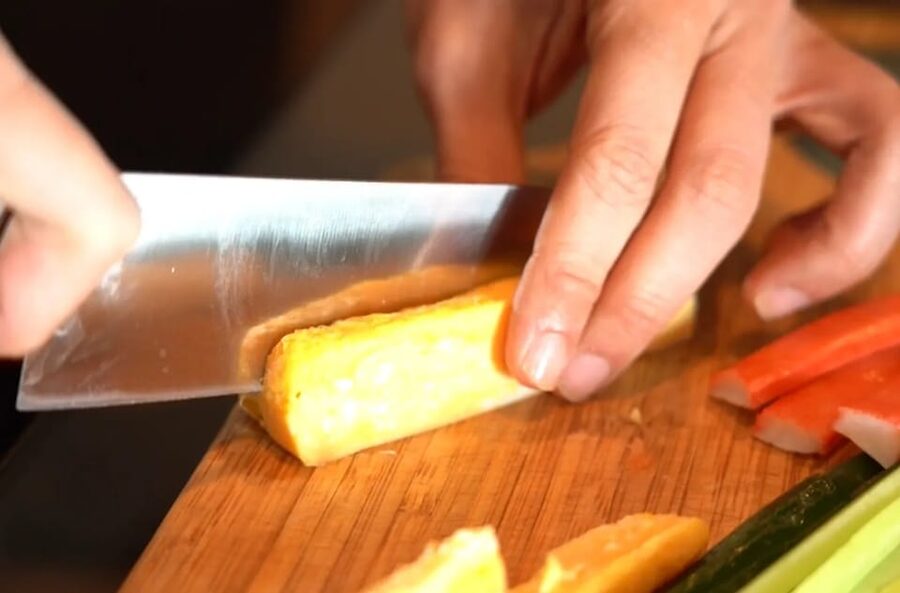
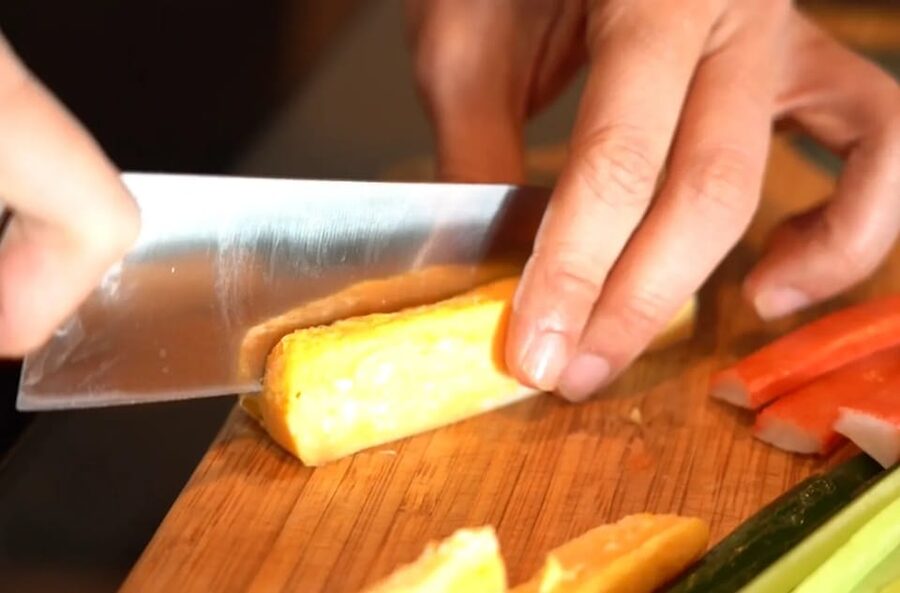
Once you’re back at the venue, the cooking lesson takes center stage. The duration is 150 minutes, and the class includes the venue fee (for cooking and drinking), plus tableware and cooking equipment rental. In other words, you’re not hunting down gear. You’re showing up to cook.
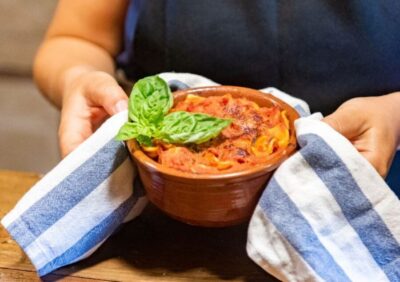
What dishes will you make? The information you’re given points to Japanese cooking with ingredients unique to Japan, and the reviews give a concrete example from recent sessions: ramen and gyoza. In at least some classes, you can expect to make both, and then eat what you made.
This matters because ramen and gyoza are perfect “learning foods.” Ramen forces you to pay attention to timing and seasoning habits. Gyoza rewards you with technique—folding, filling balance, and cooking control. When those two show up in a class, you usually leave with both a satisfying meal and real confidence for cooking at home later.
I also like that the course is designed for foreigners visiting Japan, with the guide framing Japanese flavor and cooking through taste and preparation. You’re not just watching. You’re working. You’ll learn recipes from the course and take them home as something you can repeat.
Your Instructor: Shohei, Max, and Clear Explanations in Real Time
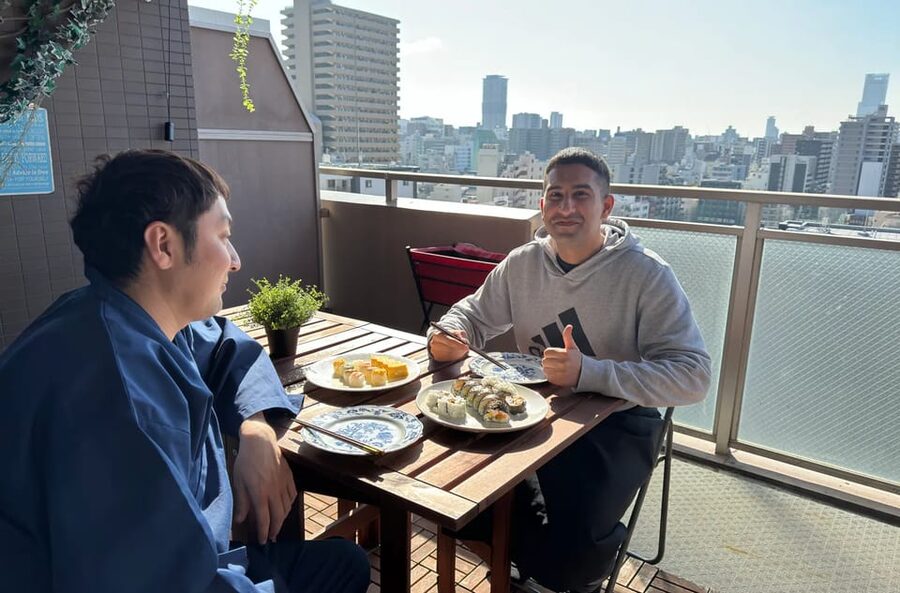
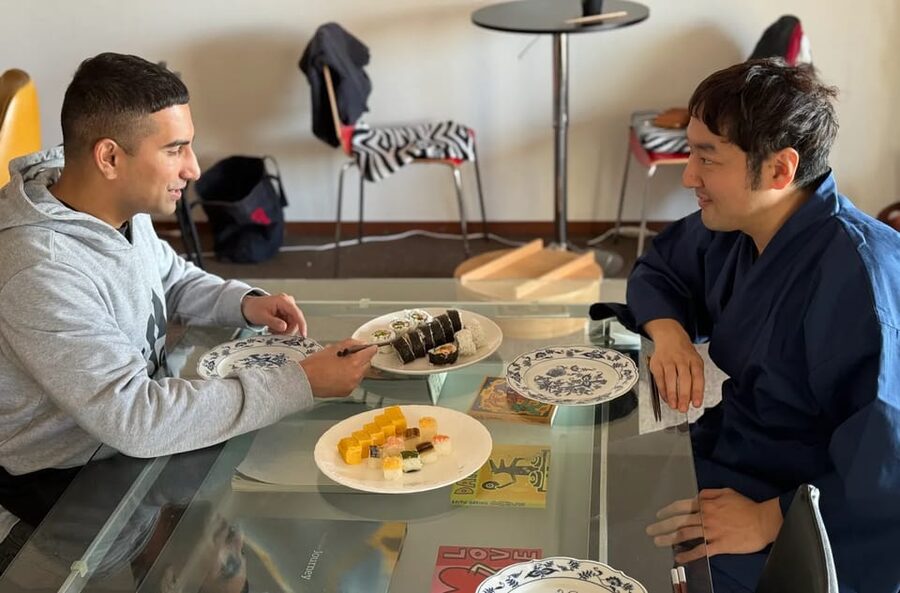
A cooking class lives or dies by the instructor, and the reviews point to some standout teaching. Shohei is mentioned as speaking super good English and explaining clearly what to do and why. Max is described as engaging and educational, with a fun, birthday-worthy extra touch for one group.
I treat this as a big value signal. You want someone who can translate the “in your hands” steps into instructions you can follow, even if you’re not using Japanese kitchen vocabulary. In practical terms, good teaching means you don’t spend the whole session confused, guessing, or waiting for someone to fix mistakes.
Also, the instructors can teach in Japanese, Chinese, and English. That doesn’t guarantee every group gets every language, but it does mean the provider is set up for multiple visitors and can match your comfort level when possible.
If you care about hands-on learning, this is one of the best reasons to book. You’re paying for explanation, not just ingredients.
Learning Through Cooking: From Ingredients to Photos
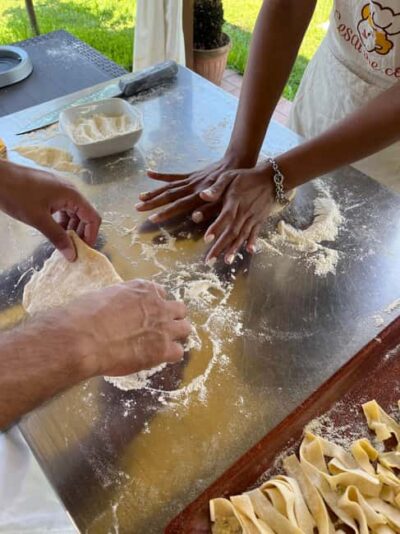
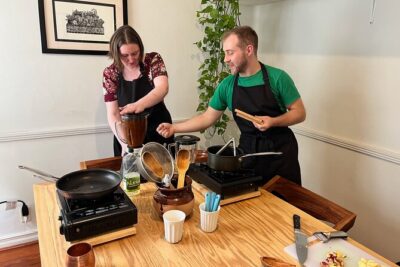
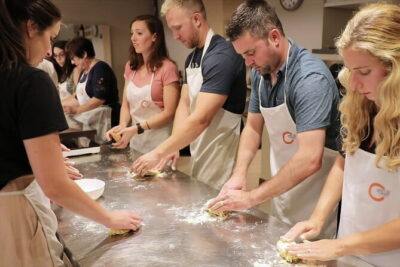
The class format is built around doing. You’ll cook together in the studio, eat together, and take photos. That might sound like a simple marketing line, but in practice it changes how the time feels. You’re not standing around while someone else works. You’re actively involved, and the photos become a record of what you made and what it looked like when you nailed it.
The ingredients are part of the appeal too. You’re using ingredients unique to Japan, which helps you understand what makes Japanese dishes taste Japanese. Even if the exact brands aren’t listed in advance, the lesson setup is clear: you’re working with Japanese cooking inputs, not generic “whatever fits” substitutions.
And because the material cost and cooking lesson fee are included, you aren’t stressing about calculating ingredient totals or worrying you missed something you had to pay for separately.
One small reality check: if you’re the type who likes to go slow, keep in mind this is a 150-minute class. You’ll need to follow the flow and keep pace, especially during cooking steps. It’s a good time to ask questions early rather than waiting until the last minute.
Taking Home Recipes and Souvenirs That Match What You Made
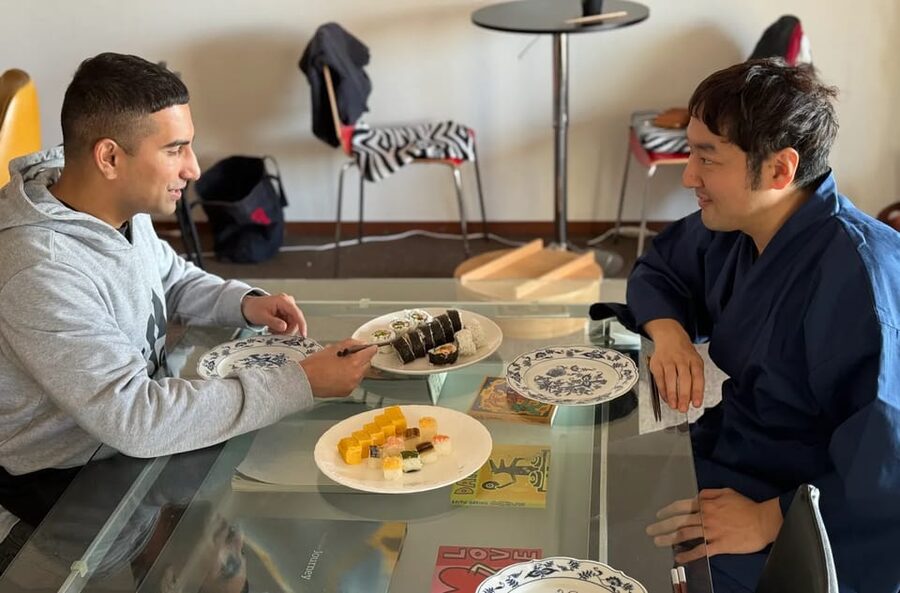
At the end, you get what makes cooking classes worth repeating: recipes. The experience includes souvenirs based on the recipes you learned, plus a souvenir fee. So you’re not leaving with only memories. You’re leaving with instructions you can use later.
This is where I think the value of the $83 price comes into focus. On paper, it’s “just” a class. In real life, you’re paying for:
- ingredients/materials used in the cooking
- instruction and studio time
- tableware and equipment rental
- guided stroll and the guide fee
- the take-home recipe set and souvenir items
When you add all that together, it’s much closer to a full-food experience than a cooking demo.
If you cook at home, the recipes are especially useful. Even if your pantry setup isn’t identical to Japan’s, you can still recreate flavor direction and technique. That’s the real souvenir.
Price and Value for $83 in 150 Minutes
Let’s talk math, in plain terms. $83 per person for 150 minutes with materials included is not a random number. It covers more than instruction. You’re also getting the shopping street guide fee, venue fee, tableware/equipment rental, and souvenir fee.
The best way to judge value is to ask what you would otherwise pay for separately. If you ate in a restaurant, you’d pay for food and you’d go home hungry for the technique. If you took a generic food tour, you’d learn about dishes without hands-on repetition. This sits in the middle: you eat and you learn, and you leave with the recipe scaffolding.
The reviews also support that it can feel personal. One booking noted they were the only ones in the class, which turned it into something close to private instruction. You can’t count on that every time, but it suggests the setup isn’t huge or chaotic.
So if you want a food experience with real practical takeaways—not just photos and opinions—this is good value for the time you’re spending.
What to Expect on the Day: Timing, Languages, and Group Feel
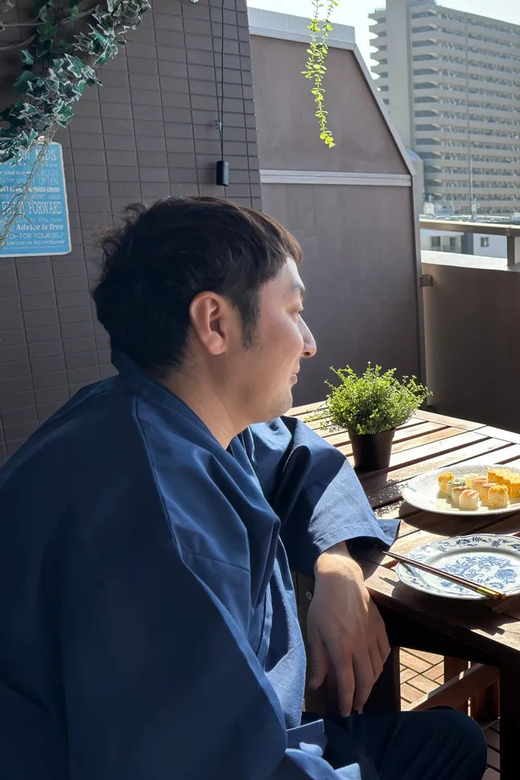
The class lasts 150 minutes. That’s long enough to actually cook, learn, and eat, but short enough to fit into an itinerary without wrecking your whole day.
You’ll be guided in Japanese, Chinese, or English. Even if you don’t speak Japanese, English support is a real plus, and reviews specifically mention Shohei’s clear English. If you speak another language listed, the provider also indicates multiple options, which can reduce confusion when you’re working hands-on.
Group size can vary. One review describes a nearly private experience because the group was just two people. That’s a reminder to check availability and pick a time that fits your schedule. Smaller groups often mean more attention per person.
Also, the location is close to transit. It says it’s a 5 minutes walk from Matsuyamachi Station, and it gives a specific meeting point at Matsuya-cho Station Exit #3. That matters because you don’t want your trip day to start with a map panic.
Who This Japanese Cooking Class Suits Best
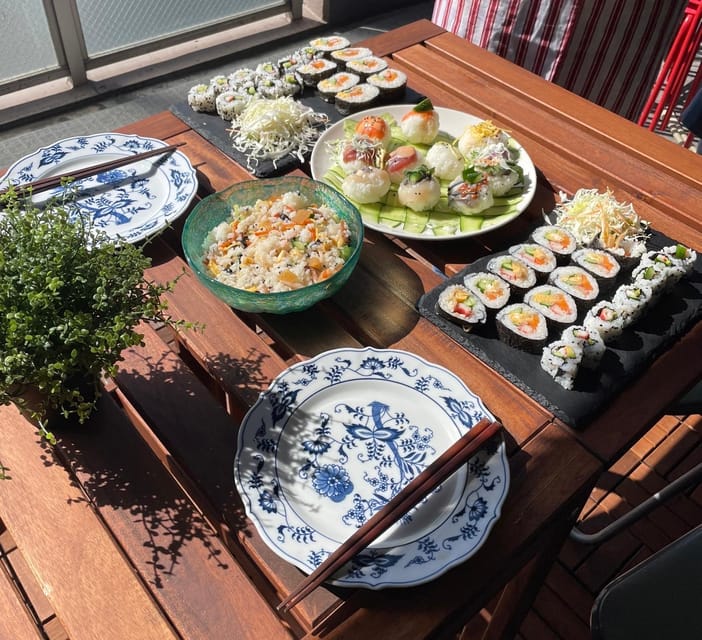
This is a great pick if you want:
- a practical way to learn Japanese flavors through cooking
- a mix of street atmosphere and a studio lesson
- a take-home recipe set (and matching souvenirs)
- clear instruction in English, especially if you’re not comfortable with Japanese-only directions
It’s also a solid choice for families, based on one review where a family of five could actively participate and everyone enjoyed the activity.
If you’re someone who hates cooking steps or needs total silence, it might not be your style. This is an active class. You’ll be working with food and following a guided pace. But if you like hands-on learning, it’s a strong match.
Should You Book This Class?
Yes, if you want a high value food experience that teaches technique you can repeat. The mix of shopping-street walking, hands-on studio cooking, and take-home recipes is the combination that makes this worth your time.
I’d book it especially if you care about instruction quality and want English support. Shohei and Max come up in the reviews for exactly that reason, and the class design supports learning through doing.
If your budget is ultra tight, just remember the one catch: drinks and alcohol during the shopping stroll aren’t included. Plan for that, and you can enjoy the class without unpleasant surprises.
FAQ
Where is the meeting point?
You meet at Nagahori Tsurumi-ryokuchi Line Matsuya-cho Station Exit #3. Guides are dressed as blue samurai and hold a placard.
How long is the Japanese cooking class?
The duration is 150 minutes.
What does it cost?
The price is $83 per person.
What languages are the instructors?
The instructor can teach in Japanese, Chinese, and English.
Is there an old-fashioned shopping street walk?
Yes. The experience includes a stroll through an old-fashioned shopping street with a guide.
What do I learn and cook?
You learn recipes during the course and cook Japanese food together in the studio. Recent sessions mentioned ramen and gyoza.
What’s included in the price?
Included are material costs, shopping street guide fee, cooking lesson fee, venue fee (cooking/drinking), souvenir fee, and tableware/cooking equipment rental fee.
What isn’t included?
Personal expenses during the shopping district walk (including drinks and alcohol) are not included, and transportation expenses to the meeting point are also not included.
Do I get recipes and souvenirs to take home?
Yes. You receive the recipes you learned and souvenirs based on those recipes.
Can I cancel for a refund?
You can cancel up to 8 days in advance for a full refund.