REVIEW · MATERA
Matera: Pasta Cooking Class Old Farmer Style in Sassi Cellar
Book on GetYourGuide →Operated by Omega13 · Bookable on GetYourGuide
You cook pasta in Matera’s stone caves. I love the restored cave setting and the tour of an ex-wine cellar, plus the hands-on fresh pasta instruction that goes with Bruschetta and Strascinate al tegamino. One drawback: it’s not suitable for gluten intolerance, so you’ll want to skip this if that applies to you.
The whole experience runs about 3 hours with a small group (max 8), and it’s led in English, Italian, and Spanish. You’re also not just learning recipes; you’re picking up Matera context from local hosts like Lorenzo and Chef Cosimo, with extra storytelling when Sassimo or Adalina are part of the day.
In This Review
- Key highlights at a glance
- Why Matera’s Sassi caves change the pasta class
- Finding Recinto Santa Maria and settling in fast
- The short guided orientation that sets the scene
- Touring an ex-wine cellar and a Sassi Hypogeum location
- What you’ll actually cook: Bruschetta and Strascinate al tegamino
- Fresh pasta workshop: kneading, shaping, and real technique
- The lunch portion: tasting in the caves
- Who should book this Matera pasta class
- Price and value: is $80.55 worth it?
- Practical tips so you enjoy the full 3 hours
- Should you book the Sassi cave pasta cooking class?
- FAQ
- How long is the pasta cooking class?
- Where do I meet for the class?
- What languages are available?
- How big is the group?
- Is it suitable for gluten intolerance?
- What’s included in the experience?
Key highlights at a glance
- Sassi caves plus a real food workshop in a cave dining space
- Hands-on pasta making with guidance on kneading and shaping
- Local hosts such as Lorenzo, Chef Cosimo, and Adalina sharing family recipes
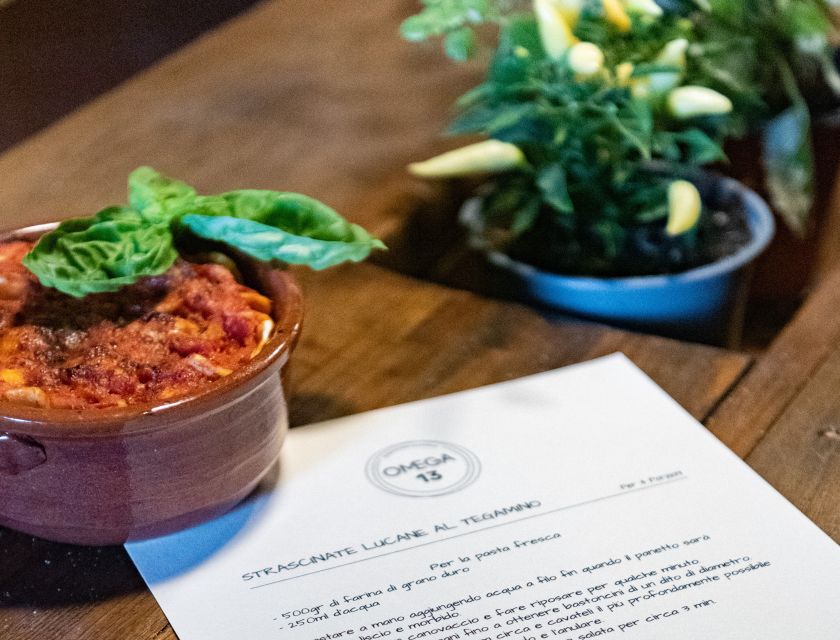
- You cook multiple dishes, including Bruschetta and Strascinate al tegamino
- A farmer-style lunch with tasting, plus breaks inside the caves
Why Matera’s Sassi caves change the pasta class
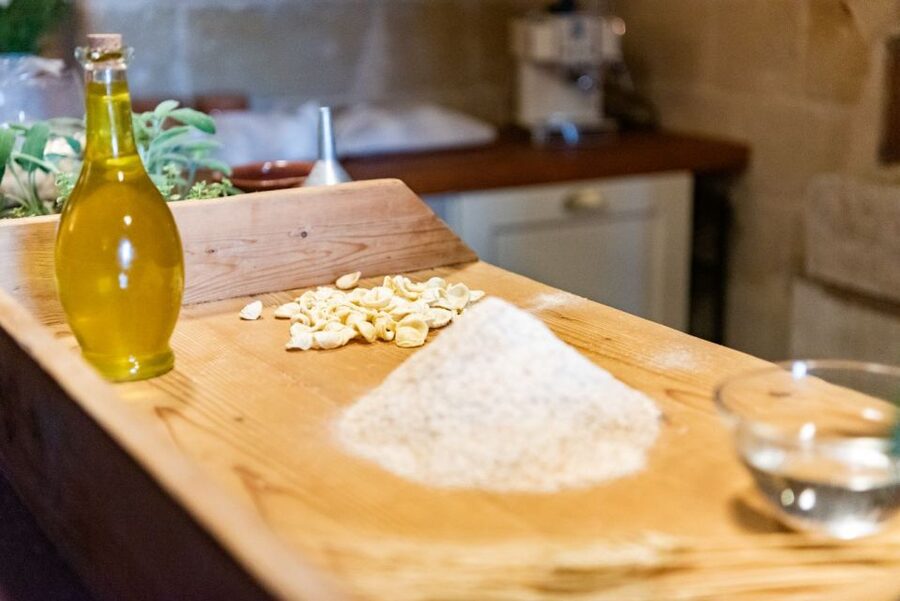
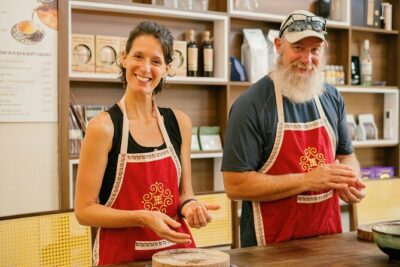
Matera’s Sassi feels like a movie set, but this experience treats the caves like a home. You start inside a cave where cool air, old stone, and a restored interior make the class feel grounded and human, not staged. It’s not “stand and watch” either; your hands get floury as you learn the dough basics and how to shape pasta the local way.
What I like most is the mix of food and place. The teaching doesn’t float in space; it’s tied to how people lived in the Sassi and how ingredients were handled with care. Even the pause for photos and tastings feels part of the rhythm, not a break from the real point.
The other big win: you’re in a small group. With a limit of 8 people, the chefs can slow down when needed and help you correct shaping or sauce moves without turning the session into a lecture.
You can also read our reviews of more tours and experiences in Matera.
Finding Recinto Santa Maria and settling in fast
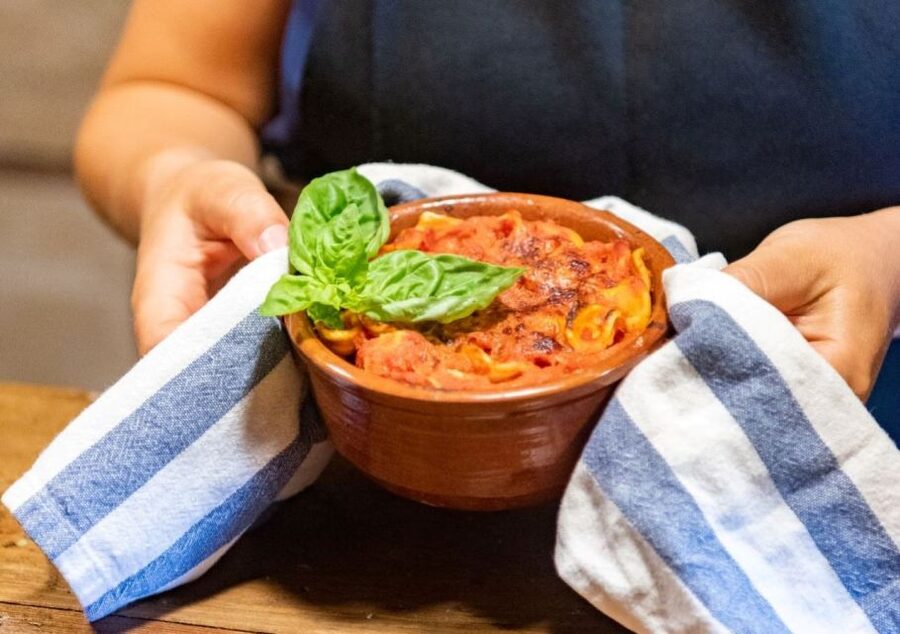
Your meeting point is Recinto Santa Maria, 8. You’ll look for an arch and a big green door, and on maps you can search Cava Marlò. The host meets everyone at the cave where the experience happens, and you finish back at the same spot.
Here’s how to make this part painless: arrive a few minutes early and take a moment to orient yourself. Matera’s Sassi can twist your sense of distance, and once you’re inside the cave, the whole experience runs smoothly. Wear shoes you’re comfortable walking in, because you’ll be moving around the Sassi area before you sit down to work.
Also plan your expectations for the space. The cave is cool compared to street heat, but it’s still a cave environment. You’ll want to dress for comfort, not for looking good in photos.
The short guided orientation that sets the scene
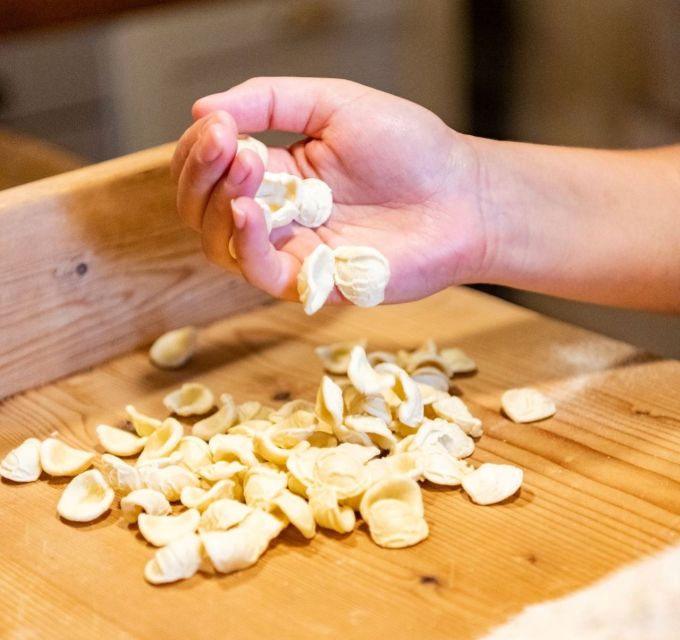
Before you cook, you get a quick orientation in the Sassi area. Think of it as a guided setup, not a long history lecture. It helps you understand what you’re looking at while you’re surrounded by ancient stone and cave dwellings.
This matters because the food makes more sense when you get the “why.” Matera’s cooking traditions aren’t just about taste; they connect to family habits, seasonal ingredients, and practical skills. When the hosts explain how people related with food and family values, it turns the workshop into something you can carry home mentally, not just a plate you eat and forget.
You also get a structured stop that’s built for flow: short tour, then you move into the cooking space. That pacing is one reason the class stays fun instead of turning into an endurance test.
Touring an ex-wine cellar and a Sassi Hypogeum location
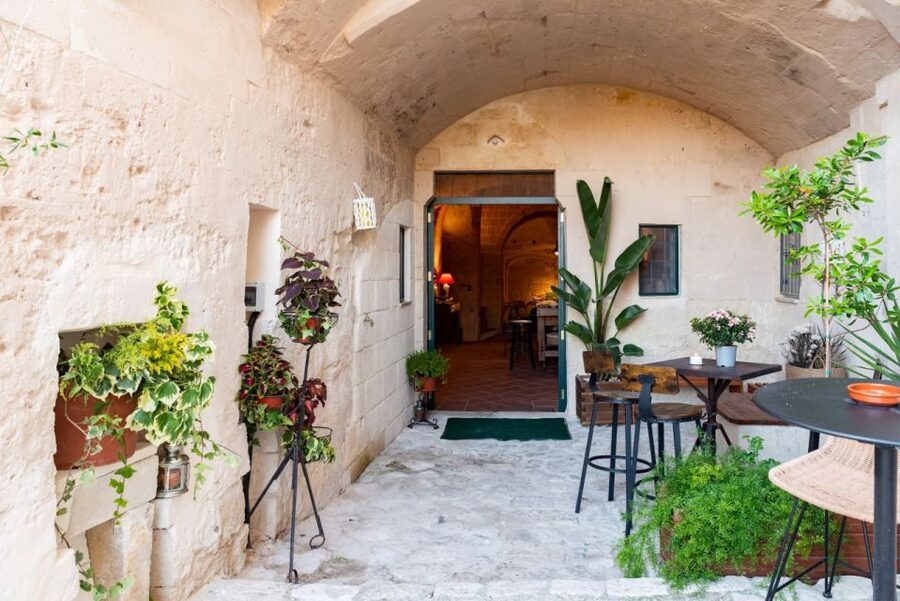
One of the included pieces is a tour of a traditional ex-wine cellar, with stories and anecdotes about Matera. You also get a specific Sassi Hypogeum location as part of the experience.
Even if you’ve done “caves and ruins” tours before, this one works because it’s food-linked. A wine cellar in a cave tells you about storage, seasonality, and what the community valued. So when you later learn pasta-making technique and regional dishes, the experience feels less like a random cooking class and more like a slice of how daily life worked.
Some days feel extra special because the hosts keep parts of the space untouched, preserving a piece of Matera’s past while still making the rest comfortable. The result is a venue that feels lived-in, not “fully renovated to look new.”
What you’ll actually cook: Bruschetta and Strascinate al tegamino
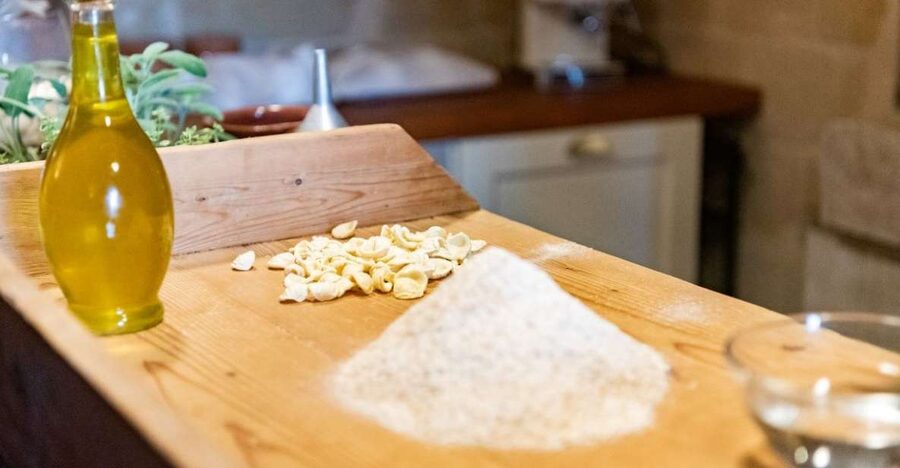
You’re not locked into one dish. The workshop includes learning to prepare Bruschetta and Strascinate al tegamino in addition to fresh pasta.
That combination is smart for two reasons:
First, it gives you variety. Bruschetta is a quick classic that teaches flavor building—tomatoes, olive oil, and the kind of restraint Italian cooking often uses when ingredients are good. Strascinate al tegamino is more about technique and sauce interaction, so you leave with a dish that feels distinctly regional.
Second, it teaches you how to think like a home cook. Instead of only memorizing steps, you learn what the sauce should do and how timing affects the final bite. That’s the difference between cooking for dinner once and cooking again at home without guessing.
Come hungry, because you’ll also have time for tasting the dishes you make, not just tasting small nibbles. A farmer-style lunch is the goal, and the caves are built for sitting down and eating.
Fresh pasta workshop: kneading, shaping, and real technique
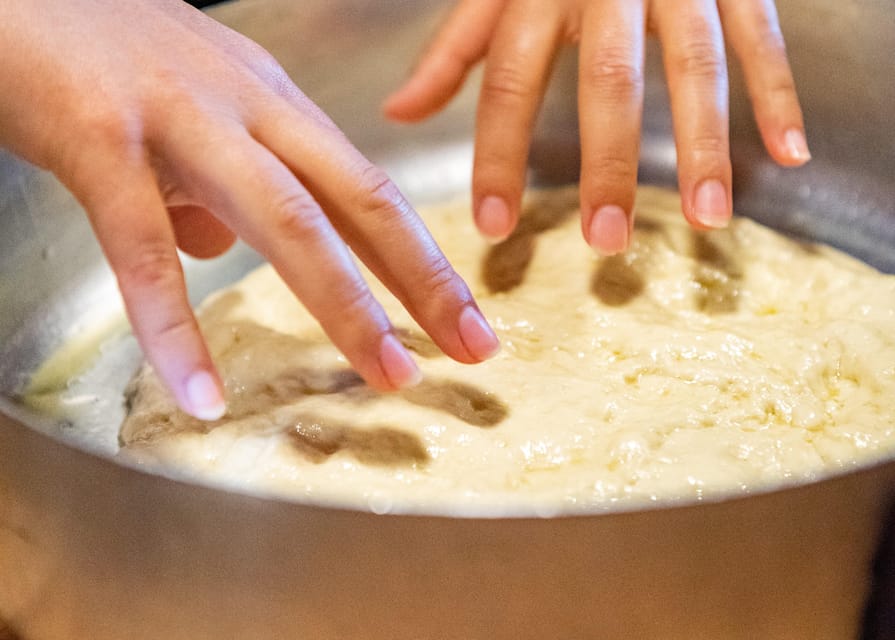
The heart of the experience is the fresh pasta workshop. Your chefs guide you from dough basics through shaping pasta pieces. Kneading is a central skill here, and you’ll learn what “right” looks and feels like as the dough comes together.
The workshop also focuses on making pasta that matches the dish you’re preparing. That sounds obvious, but it’s the kind of detail that makes the class worth repeating in your own kitchen later. You won’t just learn a generic fresh dough recipe; you’ll learn a shape-and-sauce relationship.
A helpful sign you’re in good hands: Chef Cosimo-style instruction tends to be practical and unhurried. Hosts like Lorenzo add context and humor, turning the class into a relaxed afternoon where questions feel normal. In a small group, that matters. You can correct your shaping while it’s still workable, not after the dough dries out.
And yes, you’ll likely leave with a new favorite pasta trick, the kind you can explain to friends at home without sounding like you watched a cooking video. You’ll know why the dough behaves the way it does.
The lunch portion: tasting in the caves
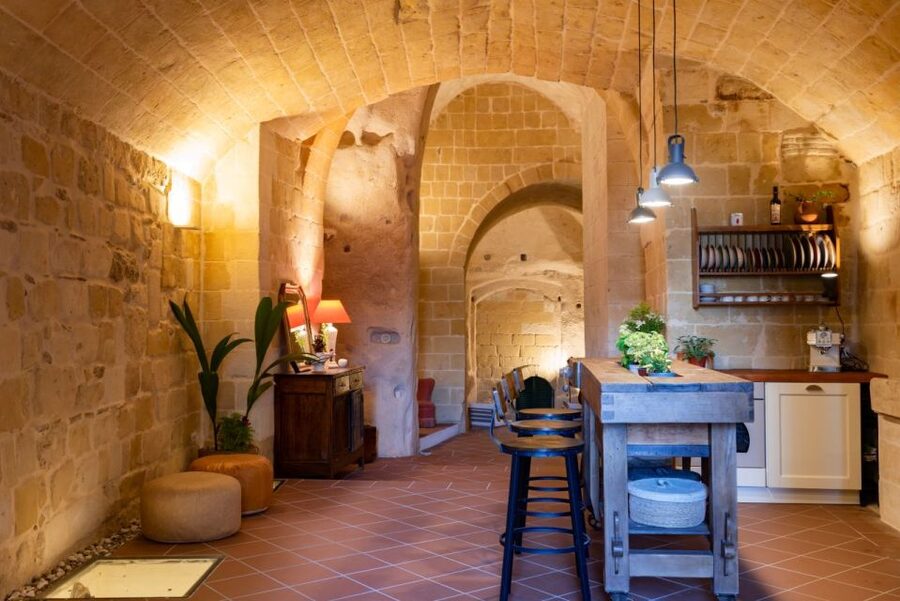
After the cooking, you move into food tasting and sit down for a regional farmer’s lunch. The tasting portion is a big part of why this experience is good value. Many cooking classes teach technique but rush the eating. Here, you get time to enjoy what you made.
Expect a meal that reflects Basilicata-style comfort: simple, local ingredients treated with respect. In the cave setting, that hearty food tastes even better, partly because you’re not distracted and partly because the environment makes everything feel slower and more social.
You’ll also have water and wine during the lunch and breaks. That’s a practical touch: you’re working with dough and heat from the cooking area, and hydration keeps the whole session comfortable. The wine isn’t the point, but it adds to the “long lunch” feel.
One more detail I appreciate: the hosts keep breaks spaced in a way that lets you regroup. You’re not sprinting from task to task.
Who should book this Matera pasta class
This is a strong fit if you want an experience that feels like a meal with locals rather than a ticketed performance. I’d recommend it for:
- Couples and small groups who want a hands-on activity in the Sassi
- Food lovers who enjoy regional Italian dishes, not just generic pasta
- Travelers who like cultural context mixed into the cooking, especially when hosts explain family recipes and food values
It’s not a great fit if you need gluten-free meals. The activity is explicitly not suitable for people with gluten intolerance, so you’d be setting yourself up for disappointment.
Because the group is limited to 8, it’s also a nice choice for people who don’t want to shout over a big crowd.
Price and value: is $80.55 worth it?
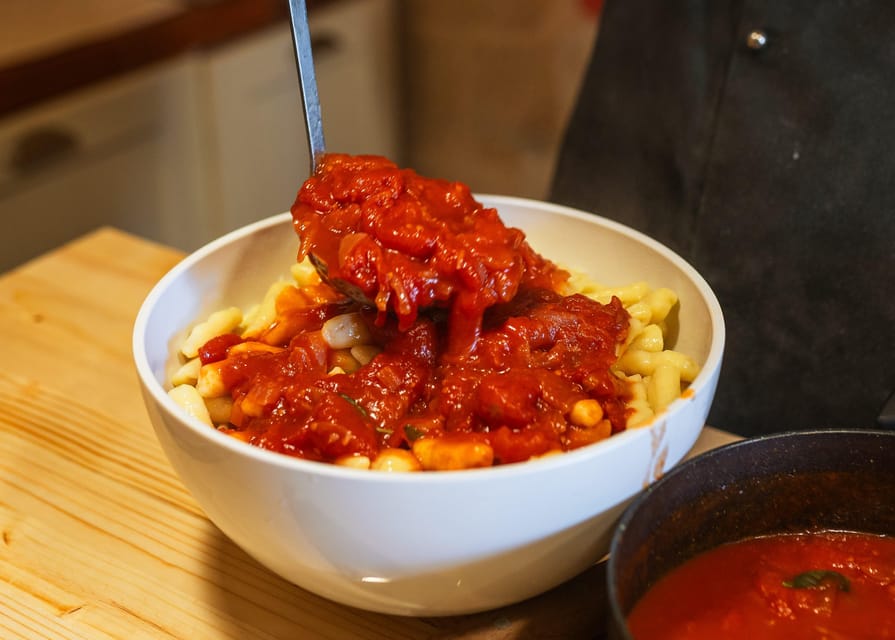
At $80.55 per person for about 3 hours, the price is fair when you look at what you’re actually getting: cave venue time, guided orientation, an ex-wine cellar tour, a Sassi Hypogeum location stop, a full pasta workshop, plus tasting and a farmer-style lunch.
Here’s the value logic I’d use if you’re deciding between options in Matera:
- You’re paying for multiple components (not just cooking).
- You’re paying for small-group teaching, which improves the odds you’ll actually learn techniques you can repeat.
- You’re paying for a venue that’s hard to replicate on your own, because it’s a restored cave home.
If you’re only looking for a quick bite and photos, skip it. But if you want a structured afternoon that teaches and feeds you, it’s a solid buy.
Also, the hosts are locals (Lorenzo and Chef Cosimo are from Matera), which tends to translate into better storytelling and more care with ingredients.
Practical tips so you enjoy the full 3 hours
A few things make this kind of class smoother:
- Come with comfortable clothes and shoes. You’ll knead and handle dough, and you’ll be walking around the Sassi before you cook.
- Plan to arrive a few minutes early. Meeting at Recinto Santa Maria, 8 can be easy if you’re calm and on time.
- Ask questions during shaping. The best learning happens while the dough is still in your hands.
- Come hungry. You’re cooking and then tasting a lunch, not just sampling.
If you’re traveling in peak season, check starting times first. The duration is listed as 3 hours, but the session start depends on availability.
Should you book the Sassi cave pasta cooking class?
If you want one “must-do” food activity in Matera that connects to the Sassi itself, I’d book it. The big reasons are simple: you get hands-on fresh pasta instruction, you cook more than one dish (Bruschetta plus Strascinate al tegamino), and you eat a farmer-style lunch in a restored cave venue with local hosts like Lorenzo and Chef Cosimo.
Only skip if gluten intolerance affects you. Otherwise, it’s a fun, warm afternoon that feels personal, not touristy: you learn, you laugh, and you leave with techniques you can actually repeat at home.
If you’re the kind of traveler who likes experiences where the meal and the setting are part of the same story, this one fits. And if your schedule is tight, consider booking with a flexible option since the session timing depends on availability.
FAQ
How long is the pasta cooking class?
The experience lasts about 3 hours.
Where do I meet for the class?
You meet at the cave where the experience takes place at Recinto Santa Maria, 8. Look for an arch and a big green door. You can also search for Cava Marlò on maps. The activity ends back at the same meeting point.
What languages are available?
The instructor can teach in English, Italian, and Spanish.
How big is the group?
The group is small, limited to 8 participants.
Is it suitable for gluten intolerance?
No. It is not suitable for people with gluten intolerance.
What’s included in the experience?
You get a tour of a traditional ex-wine cellar, stories and anecdotes about Matera, the Sassi Hypogeum location, the pasta cooking class, ancient farmer recipes, and food tasting.