REVIEW · BALI
Bali: Private Balinese Cooking Class in a Family Home
Book on GetYourGuide →Operated by Trip Gotik - Bali Tours · Bookable on GetYourGuide
One house. One market. Lots of cooking. This private Bali class is all about real Balinese food and learning from a family kitchen. You pick fresh ingredients, cook 5–6 dishes hands-on, and then eat what you make in a calm village setting.
What I like most is the market-first approach (you choose the ingredients) and the hands-on coaching, so you’re not just watching. Even the breaks feature local flavors like tropical fruit and Loloh Cem Cem, a famous homemade herbal drink.
The only big consideration is logistics: depending on where your hotel is, the drive to the family home can be long—one guest reported about a 2-hour one-way trip from the Nusa Dua area.
In This Review
- Key highlights at a glance
- A Private Balinese Cooking Class in a Real Family Home
- The Market Visit That Shapes Everything You Taste
- The Class Flow: Welcome Drink, Demo, Then You at the Stoves
- What You’ll Cook: Standard vs Vegetarian Balinese Favorites
- Standard (Non-Vegetarian) Menu Options
- Vegetarian Menu Options
- Lunch in an Informal Family Setting (And Take-Home Food)
- Pickup, Drive Time, and Why Location Can Change Your Day
- Optional Add-Ons: Massage, Luwak Coffee, and the Jungle Swing
- Who This Bali Cooking Class Is Best For (And Who Should Skip)
- Value Check: Is $52 a Good Deal for 6 Hours of Cooking?
- Should You Book This Private Balinese Cooking Class in a Family Home?
- FAQ
- How long is the private cooking class experience?
- Is a market visit included?
- Is the class private or shared?
- Can I choose a vegetarian menu?
- What dishes are included?
- Do I get hotel pickup and drop-off?
- What language is the instructor?
- Are breaks and drinks included?
- What optional add-ons are available?
- Is it safe for people with food allergies or for wheelchair users?
Key highlights at a glance
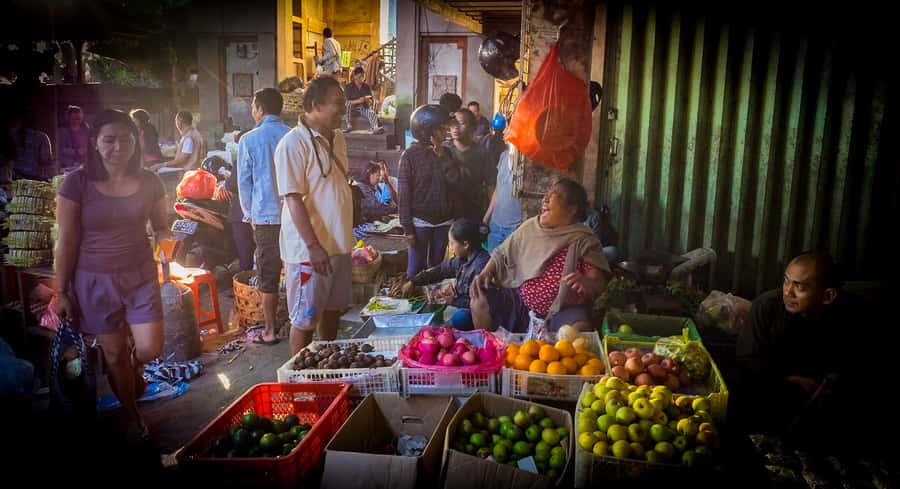
- Market visit included so you start with fresh, local ingredients
- Hands-on private class in a traditional family home, not a showroom kitchen
- Two tasting breaks with tropical fruit plus Loloh Cem Cem herbal drink
- 5–6 dishes cooked by you from a classic Balinese menu (vegetarian option available)
- Take-home food so you’re not done eating when the class ends
- Optional add-ons like traditional massage and Luwak coffee tasting
A Private Balinese Cooking Class in a Real Family Home
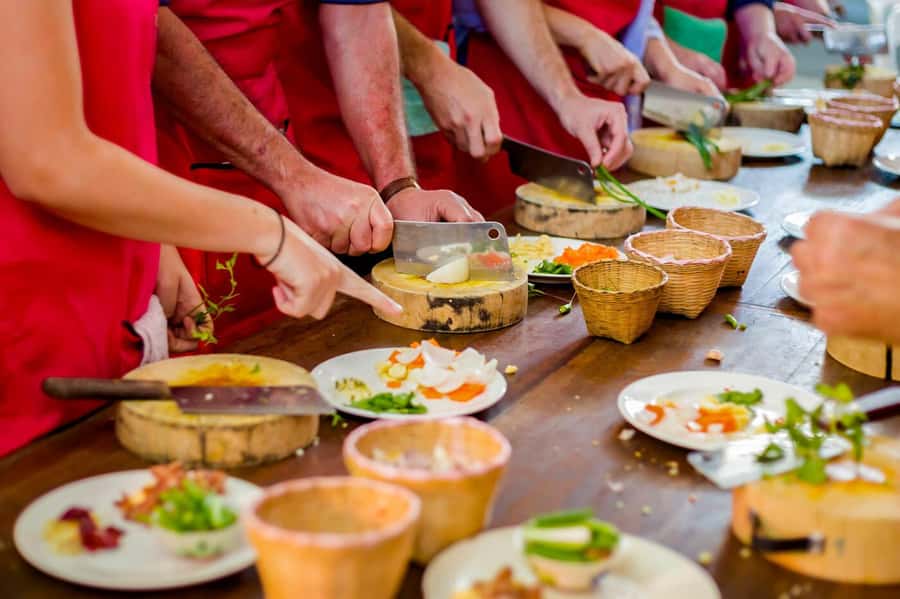
This is the kind of cooking class you book when you want Bali beyond the Instagram version. You’re picked up and brought to a traditional Balinese family home, where the kitchen setup and everyday rhythm feel lived-in rather than staged.
The class is private, so you’re not rushing to keep up with a big group. You also get expert instruction in English, with extra guide language options available if you add them. In practice, that matters because Balinese cooking isn’t just about following steps. It’s about texture, spice balance, and technique—especially chopping, mixing, and wrapping ingredients for dishes like pepes (fish cooked in banana leaves).
Expect hands-on cooking throughout. Many people love this format because you leave with more than recipes. You leave with muscle memory: how a spice paste should smell, how a sauce thickens, how to handle banana leaves, and how to grill or cook items the Balinese way.
You can also read our reviews of more tours and experiences in Bali.
The Market Visit That Shapes Everything You Taste
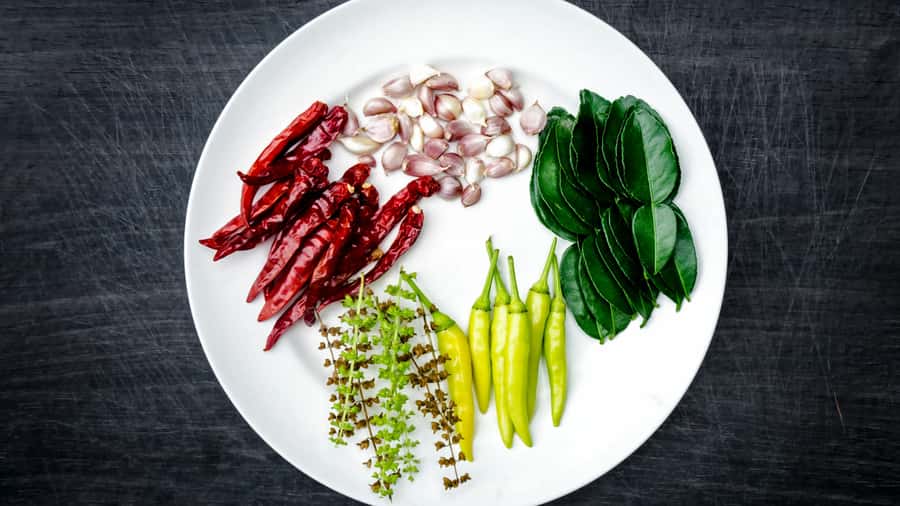
The market stop is built into the experience for a reason. Balinese dishes depend on fresh aromatics and ingredients that don’t always taste the same when you buy them pre-packed. You get to select ingredients yourself, so you can see what’s seasonal and what looks best on the day you go.
Market availability can vary based on time of day and local regulations, but the point stays the same: you’re learning how local cooks think about quality. In this kind of setting, you’ll also hear plenty of cultural context from your guide as you walk through stalls.
One practical tip: wear comfortable shoes. Markets and village lanes can be uneven, and you’ll want to keep moving without fuss. Bring water if your guide doesn’t offer it—stopping for a quick sip keeps you focused when you’re later chopping and cooking.
And yes, the guide stories can become a highlight. Some guides are praised for stopping for additional items like local coffee along the route, especially when certain market sections are closed for celebrations.
The Class Flow: Welcome Drink, Demo, Then You at the Stoves
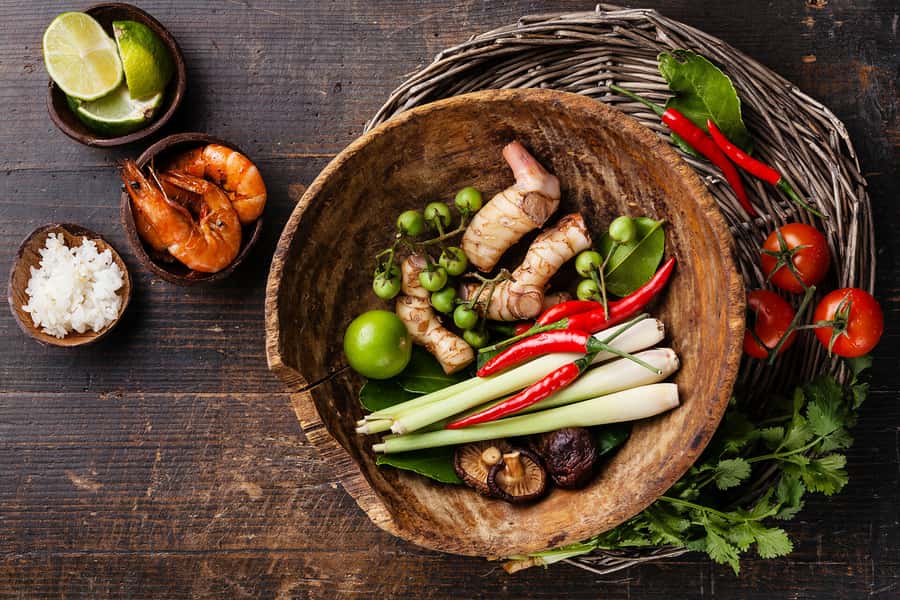
The full experience runs about 6 hours, with a cooking session described as 4 hours and two breaks included. You’ll typically start with a welcome drink, then watch a cookery demonstration where the instructor prepares dishes while you observe.
Then comes the best part: you move to the stoves and cook. This isn’t a class where you stir one sauce and call it done. You’re guided through prep and cooking steps with lots of assistance and tips to help you get flavors right. That’s especially important for dishes that rely on balance—like peanut sauces, turmeric-forward components, or mixes that blend coconut, herbs, and aromatics.
During the breaks, you’ll sample fresh tropical fruit and Loloh Cem Cem, a homemade herbal drink. These pauses are more than “nice to have.” They help reset your palate, so you notice how each dish tastes after you’ve cooked it.
If you’re someone who likes to understand what you’re making, this is where you’ll benefit most. The cooking method gets explained, but you’ll still be doing the work.
What You’ll Cook: Standard vs Vegetarian Balinese Favorites
You’ll cook 5–6 dishes. The menu options are clearly laid out, but which exact items you end up making can depend on the flow of the day. Here’s what you should expect to see on the menu choices.
Standard (Non-Vegetarian) Menu Options
- Basic Yellow Sauce and Peanut Sauce with Vegetable
- Sate Lilit Bawi (charcoal-grilled pork sticks)
- Pepes Ikan (fish cooked in banana leaves with herbs and spices)
- Chicken Kare (Balinese fried chicken)
- Lawar Bali (a mixture of vegetables, coconut, meat, herbs, and spices)
- Mie Goreng (fried noodles)
- Kolak Pisang (braised banana in palm sugar gravy)
One extra detail that chefs and guides often emphasize in this style of class is technique around chopping and seasoning. For example, one guest learned that a particular satay-style recipe discussed does not use peanuts and requires very fine chopping for the texture.
Vegetarian Menu Options
- Basic Yellow Sauce and Peanut Sauce with Vegetable
- Balinese Vegetables Soup (Balinese green curry-style)
- Pepes Tempeh (tempeh in banana leaves with herbs and spices)
- Tempeh Manis (stir-fried sweet soy tempeh)
- Gado Gado (vegetable salad with peanut dressing)
- Kolak Pisang (braised banana in palm sugar gravy)
Choose your menu (Standard or Vegetarian) before the class. If you have allergies or specific dietary restrictions, you need to inform the team in advance—some dishes may include spices, peanuts, soy, or animal products. Also note: people with food allergies are listed as not suitable for the activity, so if allergies are your concern, you’ll need extra caution.
Lunch in an Informal Family Setting (And Take-Home Food)
After cooking, you’ll move to the dining area and eat what you prepared. The atmosphere is described as informal, which is exactly what you want in a home-style meal. You’re not eating in a factory line. You’re eating at the rhythm of a family kitchen.
A major bonus: you can taste your creations right after cooking, and then you take the rest of your dishes home. That’s great value in Bali. Many food tours give you a snack and call it lunch; here you can leave with enough to cover at least another meal.
You’ll also learn how Balinese flavors build in layers—sauce first, herbs next, coconut or banana-leaf aroma tied in during cooking. Once you’ve eaten, you understand why those market choices matter.
Pickup, Drive Time, and Why Location Can Change Your Day
This is a private experience with hotel pickup and drop-off. That’s convenient, but it also means your day is shaped by where you’re staying.
Some guests were picked up from areas like Seminyak and drove toward East Ubud. Others went from the Nusa Dua side and reported a long total journey. In plain terms: if you’re staying far from East Ubud/Bangli-style village areas, you may spend more time in the car than you expected.
Here’s how to handle it:
- Ask where the family home is relative to your hotel when you book.
- Plan for a slower day before or after, so the drive doesn’t squeeze your schedule.
- Pack something simple for comfort (water, light snack, and a layer for AC if your car is cold).
Your guide may add extra cultural stops en route depending on the day, and some routes include things like coffee stops and swings, which can make the travel time feel more like a tour than a transfer.
Optional Add-Ons: Massage, Luwak Coffee, and the Jungle Swing
The core class already includes a lot: market visit, cooking instruction, breaks with fruit and Loloh Cem Cem, and food to take home. But the add-ons are where you can turn it into a full day of Bali experiences.
Add-ons listed include:
- Traditional massage options (1-hour or 2-hour)
- Luwak coffee tasting
- Jungle Swing + coffee
There are also guide add-ons tied to language preferences (female guide or German-speaking, Japanese-speaking, or Korean-speaking guide), depending on what’s available for your option.
One thing I’d think about: if you’re already doing massages during your trip, consider putting your money into the coffee or swing add-on instead—so you diversify what you experience. If you want rest built into the day, massage fits naturally after the cooking and before the drive back.
Who This Bali Cooking Class Is Best For (And Who Should Skip)
This class fits best if you:
- Want a hands-on cooking experience rather than a passive food tour
- Prefer a family-home setting where culture and daily life show up in conversation and food
- Cook-at-home types who want technique notes and ingredient awareness
It also works well for couples, and it’s been described as a great experience for singles too, since the group stays private.
You should skip it if:
- You’re in a wheelchair (not suitable for wheelchair users)
- You’re traveling with pets (pets aren’t allowed)
- You have food allergies (listed as not suitable for people with food allergies)
- Your child is under 10 (children must be accompanied by an adult, and it’s not suitable for under 10)
If you have dietary restrictions beyond vegetarian/non-vegetarian selection, tell the team early. Some dishes include peanuts, soy, and animal products, so the safest approach is clear communication before the day.
Value Check: Is $52 a Good Deal for 6 Hours of Cooking?
$52 per person in Bali can be a fair price when you look at what you’re actually getting: private instruction, hotel pickup and drop-off, ingredients, a hands-on cooking session, multiple recipes (5–6 dishes), breaks with fruit and herbal drink, plus take-home food.
In many cooking classes, the “value” is mostly the meal. Here the value is the process. You’re learning to shop, prep, cook, and plate Balinese dishes using the same kind of methods a home kitchen uses.
Also, the private element matters. Even if another class costs a bit less, a shared group can mean less coaching and less time at the stoves. If you care about technique—and you’ll actually cook these dishes at home—private instruction can justify the price fast.
Still, keep your personal schedule in mind. If you’re far from the venue, factor in the extra drive time you might face. The best value is the tour day that feels balanced, not one that turns into a car marathon.
Should You Book This Private Balinese Cooking Class in a Family Home?
If you want one day in Bali that smells like spices, sounds like family conversation, and ends with meals you actually made—book it. The market visit, the hands-on format, the menu depth (including vegetarian), and the take-home food all point to a class that respects your time and your appetite.
But book with eyes open if your hotel is far from the East Ubud/Bangli region, since the drive can eat into your day. Also think carefully if you have allergies or mobility needs, because the activity has clear limits.
My quick decision rule: if you’re the type who likes to learn by doing, you’ll love this. If you want a relaxed, scenic tour with minimal cooking, you might feel the hands-on style is too much.
FAQ
How long is the private cooking class experience?
The experience lasts about 6 hours, with the cooking portion described as a hands-on class and a total day that includes breaks and meals.
Is a market visit included?
Yes. You’ll visit a local market to select ingredients before you start cooking.
Is the class private or shared?
It’s a private group experience.
Can I choose a vegetarian menu?
Yes. You must select either the Standard Non-Vegetarian Menu or the Vegetarian Menu before the class.
What dishes are included?
The menu options include items such as sate lilit bawi, pepes ikan or pepes tempeh, chicken kare, lawar bali, mie goreng, gado gado (vegetarian), and kolak pisang, along with sauces. You cook 5–6 dishes.
Do I get hotel pickup and drop-off?
Yes. Hotel pickup and drop-off are included.
What language is the instructor?
The instructor is English. Optional add-ons can include guide language support such as German, Japanese, or Korean, or a female guide.
Are breaks and drinks included?
Yes. Each class option includes 2 breaks to sample fresh tropical fruit and Loloh Cem Cem.
What optional add-ons are available?
Optional add-ons include traditional massage (1-hour or 2-hour) and Luwak coffee tasting, and there’s also Jungle Swing + coffee. Some add-ons depend on the option chosen.
Is it safe for people with food allergies or for wheelchair users?
No. People with food allergies are listed as not suitable, and the activity is not suitable for wheelchair users.