REVIEW · MARRAKESH
Marrakech: Moroccan Cooking Class with Amazing Local Chef!
Book on GetYourGuide →Operated by EXCURSIONS 4 YOU · Bookable on GetYourGuide
Spices take center stage in this Marrakech class. You’ll cook a four-course Moroccan feast with a local chef in a traditional riad or on a farmhouse setting, starting with mint tea and pastries. I love how hands-on it is, so you’re shaping tagines and learning proper bread-making; I also love the friendly, family-style tone, with chefs and hosts like Chafik, Fatima, Chaima, and Mehdi making it feel easy. One small catch: the meeting spot can be a little tricky because the building outside may not show a clear sign, so you’ll want to ring the bell for door 312.
This is the kind of activity that turns Moroccan food from a menu item into something you understand. You’ll learn the spice balance behind slow-cooked tagines, you’ll practice Berber cooking techniques passed down through generations, and then you’ll sit down and eat what you made. If you’re short on time, it’s also a smart use of a 4-hour block, since you get instruction plus a full meal.
In This Review
- Key Things to Know Before You Go
- Your First Hour: Mint Tea, Pastries, and Getting Oriented
- Cooking the Tagine the Right Way: Spice Balance and Clay-Pot Flavor
- The Moroccan Salads: Fresh, Bright, and Built to Contrast
- M’semmen Bread Workshop: The Flaky Flatbread Skill You’ll Actually Use
- Dessert Course: A Sweet Finish With Moroccan Touch
- What It’s Like to Eat the Meal You Cook
- Price and Value: Is $45 Fair for a 4-Hour Class?
- Logistics That Matter: Timing, Getting There, and Avoiding Minor Headaches
- Who Should Book This Marrakech Cooking Class
- Should You Book This Marrakech Cooking Class?
- FAQ
- What is the duration of the Moroccan cooking class?
- What time does the session run in Marrakech?
- Where do I meet on arrival?
- What dishes are included in the four courses?
- Are vegetarian options available?
- What languages are spoken during the experience?
- Is the class wheelchair accessible?
- What should I bring with me?
- Can I cancel, and are pets or alcohol allowed?
Key Things to Know Before You Go
- Four-course cooking you actually eat: two Moroccan salads, tagine of your choice, M’semmen, and dessert
- Mint tea welcome plus storytelling: you start with tea and settle in with cultural context
- Tagine plus Berber technique: learning how clay-pot cooking changes flavor
- M’semmen bread workshop: rolling and cooking flaky flatbread, not just watching
- English, French, and Arabic support: clear explanations in the language you need
- Recipe cards to take home: practical notes so you can re-create dishes later
Your First Hour: Mint Tea, Pastries, and Getting Oriented
The experience starts the way good Moroccan hospitality should: with you arriving, being welcomed, and then settling in with a Moroccan mint tea ceremony. It’s not a gimmick. That first sip sets the pace. You’ll also get pastries right up front, which helps you jump into cooking without feeling rushed.
Aim to arrive about 15 minutes early. That extra time matters because it gives you a short introduction and a proper welcome before aprons go on. One practical detail I’d repeat: the location entrance can be easy to miss, since the outside of the building may not have a sign. If you use Google Maps for ArtEscape Marrakech and then go to door 312, you’ll be in the right place—just ring the bell if you don’t see clear signage.
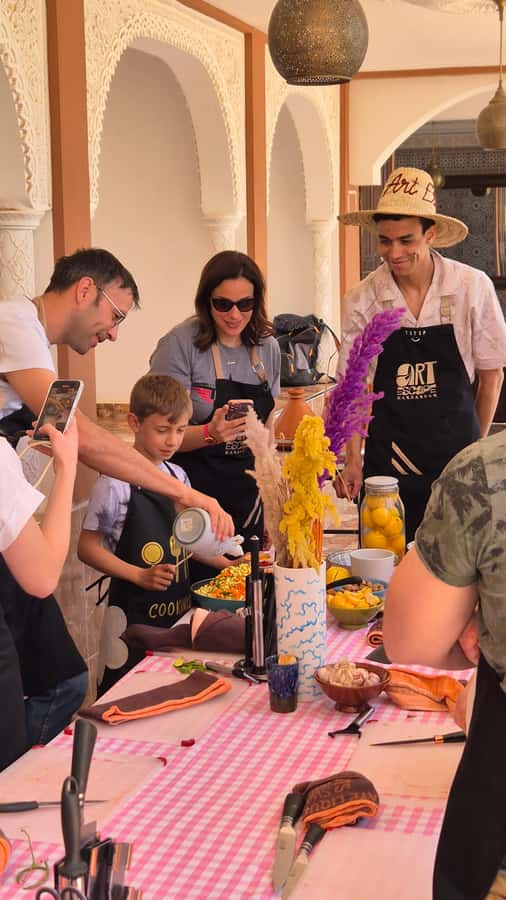
Once you’re settled, you’ll meet your chef and guide (with language support in English, French, and Arabic). This is where the tone clicks: questions are encouraged, explanations aren’t dramatic or intimidating, and you get a sense of how the day will run. People describe the setup as warm and relaxed, like cooking with friends rather than being herded through a script.
You can also read our reviews of more tours and experiences in Marrakesh.

Cooking the Tagine the Right Way: Spice Balance and Clay-Pot Flavor

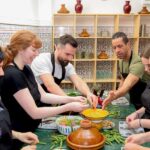
The heart of the class is the tagine. You’ll cook a tagine of your choice, and the whole point is learning the method behind Moroccan flavor—not just assembling ingredients.
Here’s what you’ll focus on:
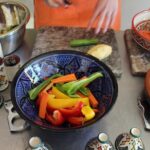
- Preparing ingredients with the chef’s guidance (vegetables and/or meat, plus seasoning)
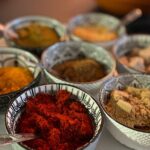
- Understanding the spice balance that gives Moroccan food its signature aroma and depth
- Learning how tagines are slow-cooked so flavors build instead of just “staying separate”
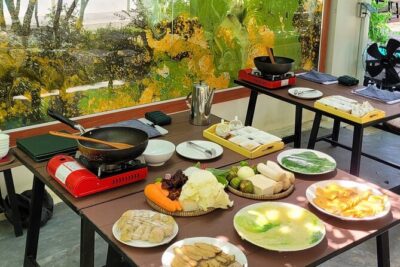
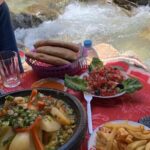
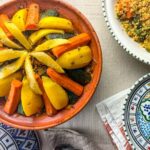
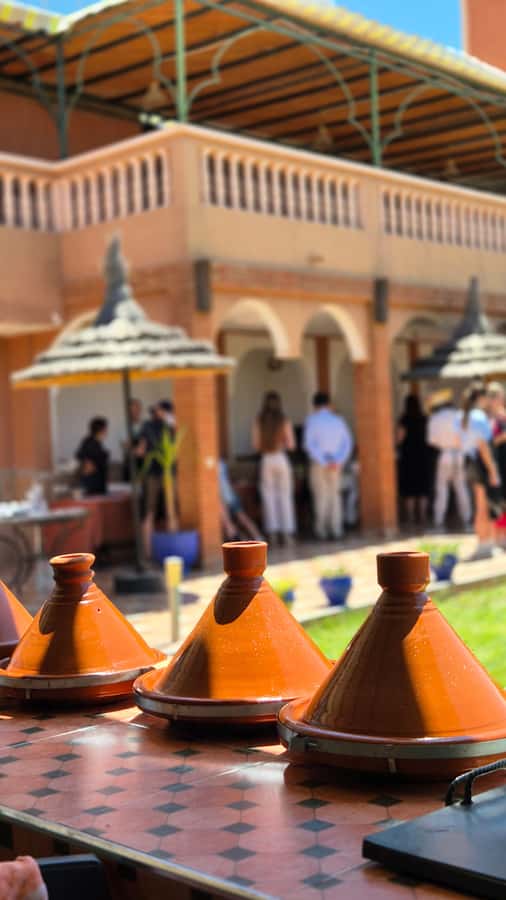
A lot of people come expecting a basic cooking demo. Instead, you do real steps. From what you’ll be taught, the tagine isn’t only a recipe; it’s a style of cooking where timing and heat matter. In some sessions, you’ll see tagines arranged in clay pots, which helps explain why the sauce ends up both aromatic and tender.
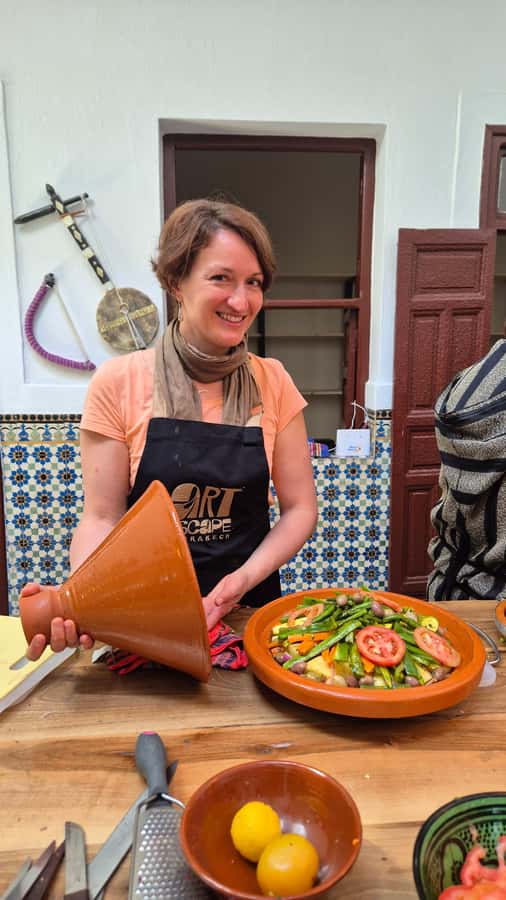
And yes, you may end up making combinations like chicken and vegetable tagines or vegetable tagines, depending on what your group chooses. The class keeps it flexible while still staying traditional.
One reason this part feels worth your time: the chef explains what you’re doing as you’re doing it. You’ll come away knowing not just what spices to use, but how to think about layering flavor so the dish tastes like Moroccan home cooking rather than a generic “spiced stew.”
The Moroccan Salads: Fresh, Bright, and Built to Contrast
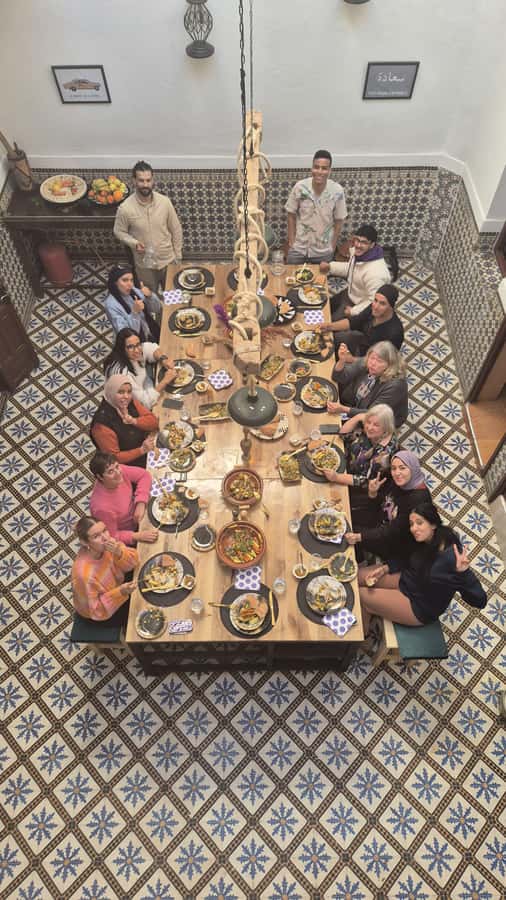
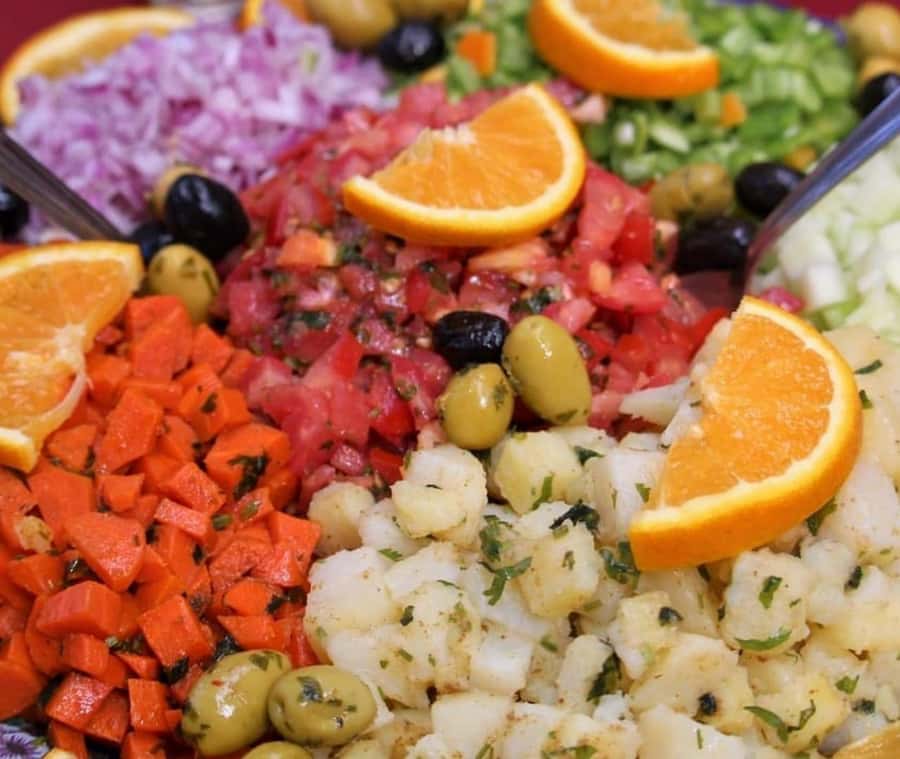
The four-course structure includes two Moroccan salads. That matters, because Moroccan meals are often about contrast: warm, spiced tagine with something fresh and bright on the side.
In practice, the salad portion teaches you how Moroccan cooking uses raw or lightly prepared ingredients to balance richer dishes. You’ll work with fresh, seasonal ingredients and you’ll learn how salads fit into the overall meal, not as an afterthought.
These salad courses also make the class feel more complete. You’re not only cooking one “main event.” You’re learning how the different components work together on the plate—especially with sauce-heavy tagine.
If you’re the type of eater who likes crunch and freshness, this is the part you’ll appreciate most when it’s time to sit down.
M’semmen Bread Workshop: The Flaky Flatbread Skill You’ll Actually Use
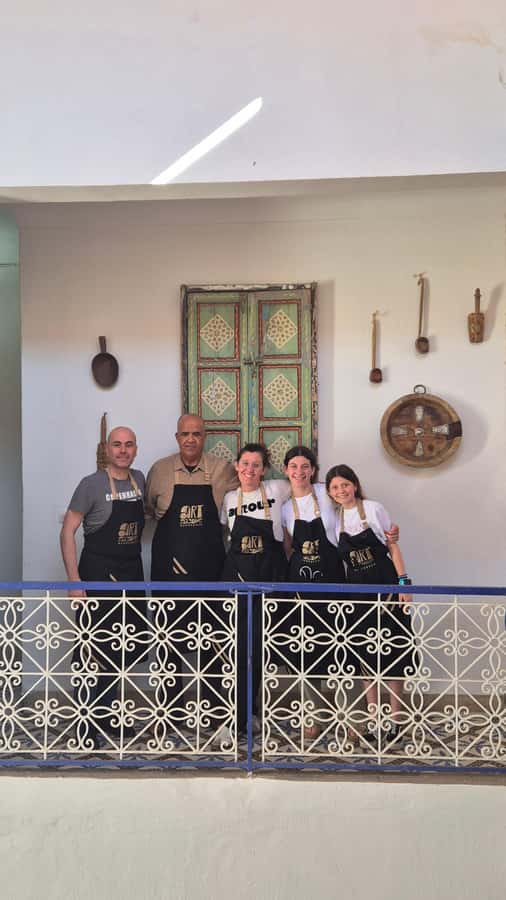
If the tagine is the slow-cooked comfort, M’semmen is the hands-on skill that feels like a small superpower.
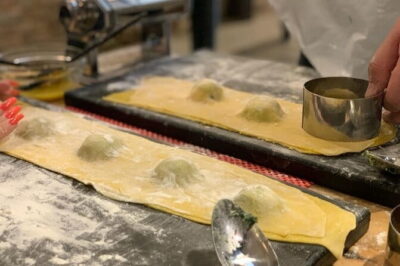
M’semmen is a Moroccan flatbread known for being flaky and layered. In class, you’ll learn how it’s made step by step with guidance from the chef and team. You’ll also get to make one each.
This part is a huge reason people keep calling the class a must in Marrakech. It’s not just “here’s dough.” You learn the process well enough to take the technique home through the recipe cards—and that’s what makes the class more than a one-time meal.
One practical tip: wear comfortable shoes and keep your hands ready. Bread-making takes a little focus, and your hands may get messy. If you bring your camera, you’ll likely want photos here, since this is where the transformation happens in front of you.
Dessert Course: A Sweet Finish With Moroccan Touch
Dessert rounds out the meal, and while you should expect it to be Moroccan and made with ingredients used in Moroccan kitchens, the exact sweet can vary by session.
Some participants highlight a blended dessert drink made from beetroot, oranges, a touch of lemon, and mint. Others mention pancakes with honey, which becomes the kind of ending you remember long after you leave the table.
So don’t worry if your dessert isn’t the same as someone else’s—you’re still getting a proper sweet course to finish your cooking day, and it fits naturally with the rest of the meal flavors.
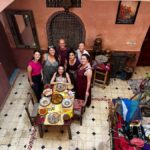
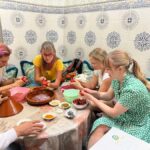
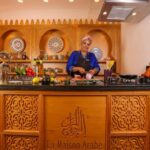

What It’s Like to Eat the Meal You Cook
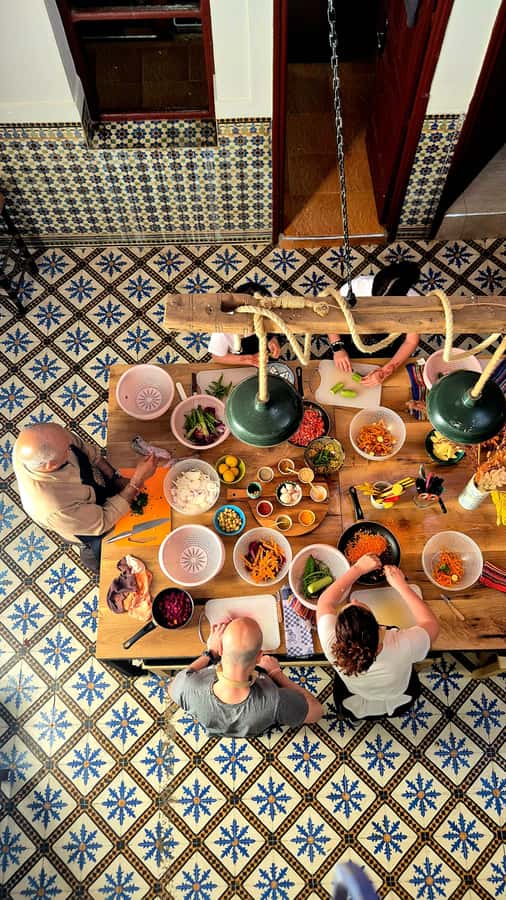
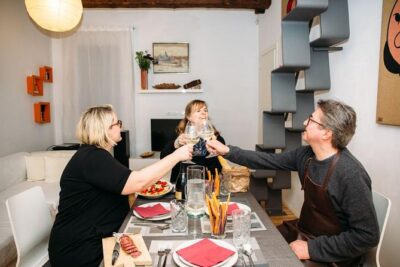
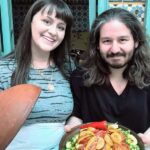
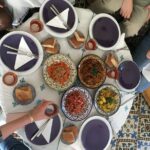
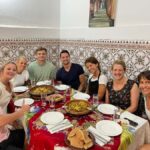
At the end, you’ll sit down together and enjoy what you made. This shared dining part is more important than it sounds. Cooking classes can sometimes feel like a “workshop” where you don’t fully get to enjoy the results. Here, you do.
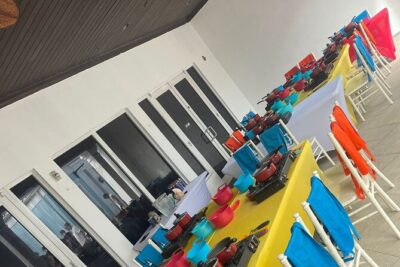
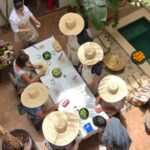
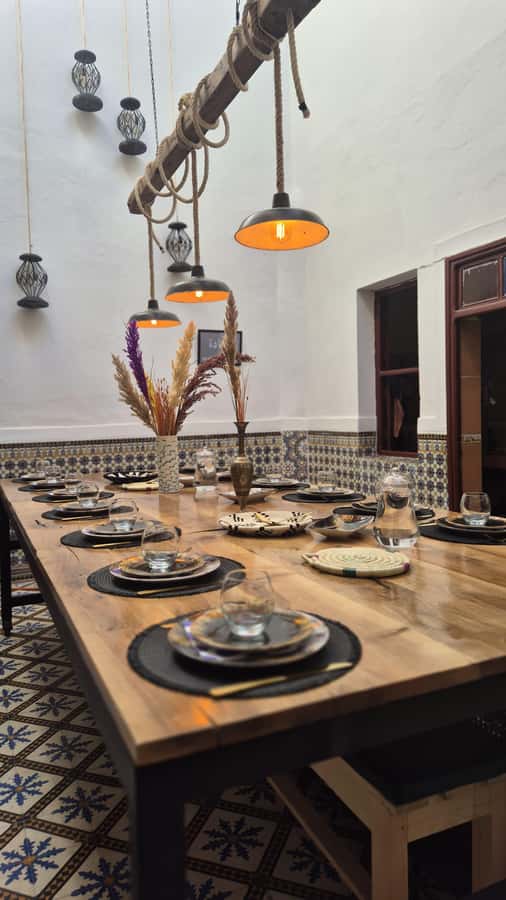
You’ll eat in a decorated traditional setting—either a riad atmosphere or a farmhouse setting depending on the session you book. And since the meal includes your four courses, you’re not leaving hungry or settling for a small tasting.
People repeatedly mention that the food is among the tastiest Moroccan dishes they had in the country, which makes sense: you’re learning the method while the food is still hot and fresh, and you’re eating it as the chefs intended.
Price and Value: Is $45 Fair for a 4-Hour Class?
$45 for a 4-hour, four-course Moroccan cooking class is reasonable value, especially because it’s not just instruction—it’s instruction plus the meal.
Here’s what you’re effectively paying for:
- Guided cooking across multiple dishes (not a single recipe)
- Fresh ingredients and cooking utensils
- A welcome tea ceremony plus pastries
- A four-course meal you sit down to eat
- Recipe cards you can take home
In other words, you’re not paying only for the cooking knowledge. You’re also paying for the experience of making a full Moroccan meal from start to finish with a chef who explains what matters and why.
For many people, it also replaces one meal out. You get to learn and eat the results in the same session, so your money turns into both skills and dinner.
Logistics That Matter: Timing, Getting There, and Avoiding Minor Headaches
Timing is straightforward: the session runs from 10:30am to 2:30pm, with a morning start. Because the experience includes a welcome and intro, arriving 15 minutes early is your easiest way to avoid stress.
Getting there: Google Maps to ArtEscape Marrakech is the best bet. Then find door 312 and ring the bell if needed. Some people also say it’s easier to use Uber or InDrive than taxis in Marrakech.
One other small consideration: transportation on the day can vary. If you’re relying on pickup/drop-off, confirm details after booking so you’re not scrambling at the last minute.
Who Should Book This Marrakech Cooking Class
This class fits well if you want:
- A hands-on way to learn Moroccan food beyond photos
- A structured day activity that still feels social and relaxed
- A meal experience for families, including teenagers (people have done it with kids who were excited to participate)
It’s also a good fit if you like practical learning. You’ll leave with recipe cards and a better sense of how to build Moroccan flavors at home.
If you only want to eat and you don’t care about cooking steps, you might prefer a restaurant meal. But if you enjoy learning by doing, this class is a strong choice.
Should You Book This Marrakech Cooking Class?
Yes, if you want a real Moroccan cooking day that combines skills, culture, and a full meal in one package. The strongest reasons are simple: you cook multiple dishes (including tagine and M’semmen), you get a warm welcome with mint tea, and you leave with recipe cards that make it easier to repeat the food later.
Book it especially if you’re the type of traveler who likes to understand how your food is made, not only what it tastes like. The only reason to hesitate is the meeting point signage situation—so plan to arrive early and follow the door 312 directions carefully.
FAQ
What is the duration of the Moroccan cooking class?
The class lasts 4 hours.
What time does the session run in Marrakech?
The morning session runs from 10:30am to 2:30pm.
Where do I meet on arrival?
Use Google Maps and search for ArtEscape Marrakech for the exact pin location, then go to door number 312.
What dishes are included in the four courses?
You’ll cook two Moroccan salads, a tagine of your choice, Moroccan M’semmen bread, and a dessert.
Are vegetarian options available?
Yes, vegetarian options are available. If you have allergies or dietary restrictions, you should inform the provider during booking.
What languages are spoken during the experience?
The guide speaks English, French, and Arabic.
Is the class wheelchair accessible?
Yes, the activity is wheelchair accessible.
What should I bring with me?
Wear comfortable shoes and bring a camera if you want photos.
Can I cancel, and are pets or alcohol allowed?
You can cancel up to 24 hours in advance for a full refund. Pets are not allowed, and alcohol and drugs are not allowed.